
 한국어
 English
 日本語
 中文(简体)
Dosage form image
Viewing nowZitrosin Dry Syrup (Azithromycin Dihydrate)
Azithromycin Hydrate 5.01g
Prescription medication
PharmGen Science Co., Ltd.
MFDS item code 200801110 · Notified 2008.01.28 · Insurance code 670102341
Treatment of respiratory and middle ear infections, skin and soft tissue infections, and genital chlamydial infections
This medication is effective for lower respiratory infections such as bronchitis or pneumonia and upper respiratory infections such as sinusitis, pharyngitis, and tonsillitis. It is also used to treat skin and soft tissue infections and is applicable for otitis media. It helps with uncomplicated genital infections caused by Chlamydia trachomatis. It treats infections caused by various bacteria and fungi and is useful for improving patients' symptoms. This drug is used to treat various symptoms caused by infections.
Administer once daily; it may be taken without regard to meals. Adults 1) Sexually transmitted infection caused by Chlamydia trachomatis associated with trachoma: Administer 25mL[azithromycin 1g (potency)] as a single dose 2) Other indications - 3-day regimen: Administer 12.5mL[azithromycin 500mg (potency)] once daily for 3 days [total dose: azithromycin 1.5g (potency)] - 5-day regimen: Administer 12.5mL[azithromycin 500mg (potency)] once on the first day From the second day, administer 6.25mL [azithromycin 250mg (potency)] once daily for 4 days [total dose: azithromycin 1.5g (potency)] Elderly patients Administer the same dosage and administration as for adults
15-25Kg: 1-day regimen (for acute otitis media) 15mL [azithromycin 600mg (potency)] as a single dose; 3-day regimen 5mL [azithromycin 200mg (potency)] once daily for 3 days; 5-day regimen 5mL[azithromycin200mg (potency)] once on the first day, followed from the second day by 2.5mL[azithromycin 100mg (potency)] once daily for 4 days 26-35Kg: 1-day regimen (for acute otitis media) 23.5mL [azithromycin 900mg (potency)] as a single dose; 3-day regimen 7.5mL [azithromycin 300mg (potency)] once daily for 3 days; 5-day regimen 7.5mL [azithromycin 300mg (potency)] once on the first day. From the second day, administer 3.75mL(azithromycin150mg (potency)] once daily for 4 days 36-45Kg: 1-day regimen (for acute otitis media) 30mL [azithromycin 1.2g (potency)] as a single dose; 3-day regimen 10mL [azithromycin 400mg (potency)] once daily for 3 days; 5-day regimen 10mL [azithromycin 400mg (potency)] once on the first day. From the second day, administer 5mL [azithromycin 200mg (potency)] once daily for 4 days 45Kg or more: 1-day regimen (for acute otitis media) 37.5mL [azithromycin 1.5g (potency)] as a single dose; 3-day regimen, same as the adult dose; 5-day regimen, same as the adult dose Administer azithromycin 10mg (potency) per kg of body weight once daily for 3 days, or administer 10mg (potency) per kg of body weight once on the first day, followed by 5mg (potency) per kg of body weight once daily for 4 days from the second day. In addition to the two regimens above, the recommended dose for treating pediatric patients with acute otitis media may be a single dose of 30mg (potency) per kg of body weight. For this 1-day regimen, take the medicine 1 hour before a meal or 2 hours after a meal.
This medication is a macrolide antibiotic and can cause serious allergic reactions such as angioedema or anaphylaxis in rare cases. If allergic symptoms occur, discontinue the medication immediately and consult healthcare personnel. Diarrhea caused by Clostridium difficile may occur during treatment, so careful observation is important if diarrhea symptoms appear. Patients who have had an allergy to this medication or similar drugs in the past should not take it, and patients with certain genetic fructose intolerance should also avoid it. Special caution is required when using this medication in patients with severely impaired kidney function, severe liver disease, or diabetes. While this drug is generally well tolerated, various side effects such as nausea, vomiting, diarrhea, liver function abnormalities, and skin rashes may occur. In particular, serious side effects such as hearing loss, abnormal heart rhythms, muscle pain, and hepatitis have been reported rarely, so if any unusual symptoms occur, inform healthcare personnel immediately. Like other antibiotics, this medication has a risk of secondary infections due to drug-resistant bacteria, so infection symptoms should be monitored closely. Patients with heart diseases or prolonged QT intervals and those on specific medications should consult with healthcare personnel before using this drug. In pregnancy, this medication should only be used with caution when absolutely necessary, and breastfeeding should be approached carefully as the drug may be transmitted in breast milk. Elderly patients are at higher risk of arrhythmias, so careful observation is required during use. In case of overdose, general supportive treatment should be provided, and it is important to follow the accurate dosage and method when dispensing the medication. This drug should be kept out of reach of children and stored in its original container to prevent quality degradation.
Angioedema, anaphylaxis, acute generalized exanthematous pustulosis, Stevens-Johnson syndrome, toxic epidermal necrolysis, drug reaction with eosinophilia and systemic symptoms, diarrhea, hearing loss, deafness, tinnitus, auditory dysfunction, nausea, vomiting, diarrhea, loose stools, abdominal discomfort, abdominal bloating, liver function abnormalities, rash, angioedema, candidiasis, vaginitis, thrombocytopenia, leukopenia, agranulocytosis, shock, anaphylactic symptoms, loss of appetite, aggressive reactions, neuroexcitation, agitation, anxiety, dizziness, convulsions, headache, hyperactivity, sensory disturbances, drowsiness, sensory loss, fainting, taste disturbance, smell disturbance, loss of taste, loss of smell, palpitations, ventricular tachycardia, arrhythmia, QT prolongation, Torsades de pointes, hypotension, dyspepsia, constipation, membrane enteritis, pancreatitis, pyloric stenosis, tongue discoloration, hepatitis, jaundice, cholestatic jaundice, liver necrosis, liver failure, itching, photosensitivity reaction, edema, urticaria, angioedema, erythema multiforme, arthralgia, rhabdomyolysis, myalgia, sensación de agotamiento, interstitial nephritis, acute renal failure, asthenia, fatigue, malaise, fever, cough, respiratory distress, abnormal chest X-ray, interstitial pneumonia, eosinophilic pneumonia, infantile hypertrophic pyloric stenosis
Not everyone experiences these, and they can vary from person to person.
This medication should be stored in a tightly sealed container to protect it from air and moisture. It is advisable to maintain the storage temperature between 1 to 30 degrees Celsius at room temperature. Proper storage will help maintain the medication's efficacy and safety over time.
White to light pink powder
15mL/bottle
Even with the same ingredient, strength, dosage form and how it is taken can differ.
Azithromycin Hydrate 5.01g
Prescription medication
PharmGen Science Co., Ltd.
Azithromycin Hydrate 524.1mg
Prescription medication
Pfizer Korea Co., Ltd.
Azithromycin Hydrate 5.008g
Prescription medication
Pfizer Pharmaceutical Co., Ltd.
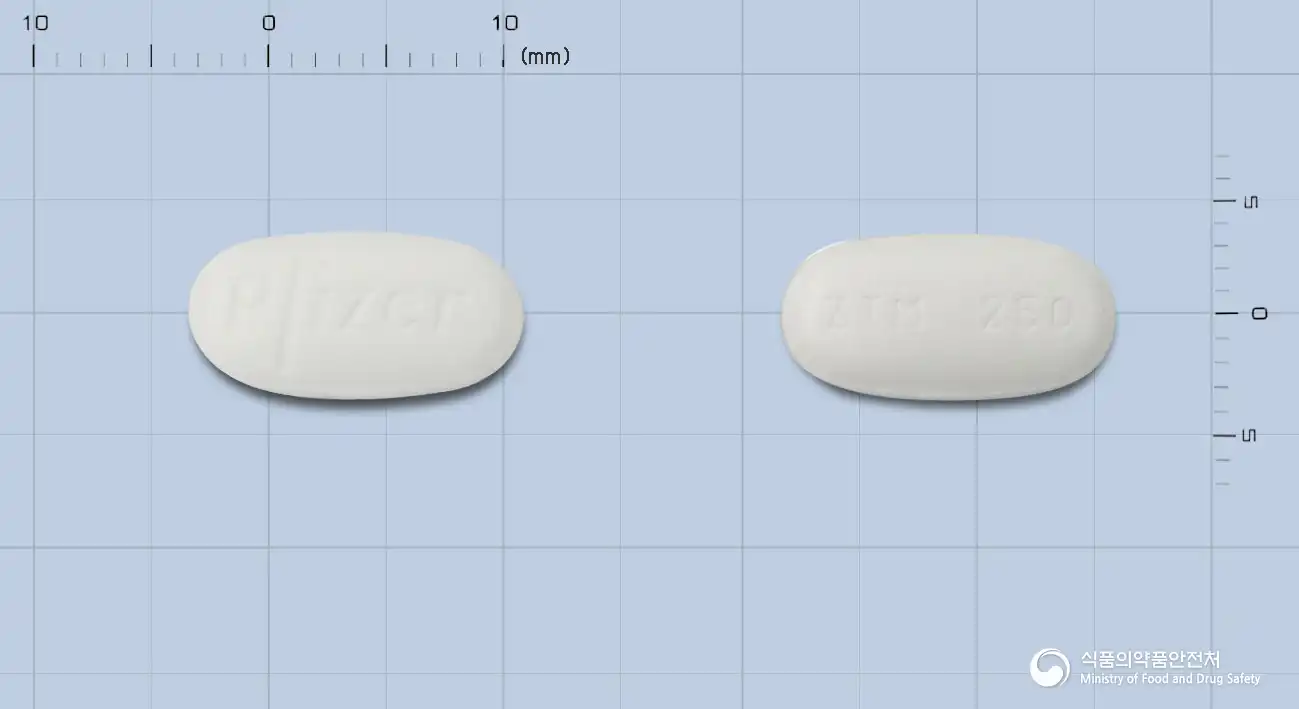
Azithromycin Hydrate 250mg
Tablet · Prescription medication
Pfizer Korea Co., Ltd.
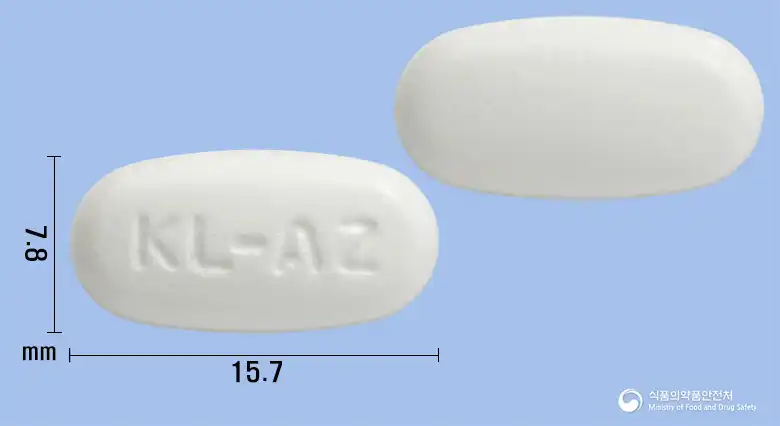
Azithromycin Hydrate 262.03mg
Tablet · Prescription medication
Kolon Pharmaceutical Co., Ltd.
Azithromycin
Prescription medication
Daewoong Pharmaceutical Co., Ltd.
Azithromycin Hydrate 5.01g
Prescription medication
DaiWoo Pharmaceutical Co., Ltd.
Azithromycin Hydrate
Prescription medication
Kolon Pharmaceutical Co., Ltd.
Even with the same ingredient, the dose and directions can differ by strength and dosage form. Talk to a doctor or pharmacist before switching from a medication you are already taking.
No questions yet.
For anything that needs medical judgment, consult a doctor or pharmacist.
This drug information is based on data provided by the Korea Ministry of Food and Drug Safety.
Consult a doctor or pharmacist for accurate dosage, administration, and usage instructions.