
 한국어
 English
 日本語
 中文(简体)
Summary
- Main use
- Treatment of primary hyperlipidemia (e.g., hypertriglyceridemia)
- Who takes it
- Adults · Children
- Adult dose
- ○ Adults: Administer fenofibrate 130 mg orally once daily immediately after a meal. Fenofibrate must be administered in conjunction with dietary therapy. Since absorption of this medicine may be reduced on an empty stomach, administer it immediately after a meal (except for the 145 mg formulation). ○ Older adults: Dose reduction is generally not necessary if renal function is not decreased. ○ Patients with renal impairment: Do not administer this medicine to patients with moderate to severe renal impairment (serum creatinine level 2.5 mg/dL or higher).
- Child dose
- ○ Children: Clinical data on the use of this medicine in children are not yet available.
Ingredients
- Manufacturer
- Albogen Korea Co., Ltd.
Efficacy & effects
Treatment of primary hyperlipidemia (e.g., hypertriglyceridemia)
- Primary hyperlipidemia
- hypercholesterolemia
- hypertriglyceridemia
View approved original textHide original text
This medication is used for primary hyperlipidemia, a condition characterized by elevated cholesterol and triglyceride levels in the blood. Specifically, it is effective for hypercholesterolemia Type IIa (elevated cholesterol) as well as combined forms of hypercholesterolemia and hypertriglyceridemia (Type IIb, III) and hypertriglyceridemia (Type IV). This drug improves blood lipid levels and aids in the prevention of cardiovascular diseases. It is mainly available in capsule and tablet forms for convenient administration. It can be safely administered in doses tailored to the patient's condition. Therefore, this medication is used for the treatment of dyslipidemia.
How to take
Adult dose
○ Adults: Administer fenofibrate 130 mg orally once daily immediately after a meal. Fenofibrate must be administered in conjunction with dietary therapy. Since absorption of this medicine may be reduced on an empty stomach, administer it immediately after a meal (except for the 145 mg formulation). ○ Older adults: Dose reduction is generally not necessary if renal function is not decreased. ○ Patients with renal impairment: Do not administer this medicine to patients with moderate to severe renal impairment (serum creatinine level 2.5 mg/dL or higher).
Child dose
○ Children: Clinical data on the use of this medicine in children are not yet available.
Precautions
This medication should not be used in patients with impaired liver function. In patients with moderate or severe renal impairment, this medication may cause muscle damage leading to rhabdomyolysis, hence it is safer not to administer it. Pregnant women, women who may become pregnant, and breastfeeding women should not take this medication. Patients with allergies to this drug or its ingredients should refrain from using it. Patients with gallbladder disease should avoid this drug due to the risk of gallstone formation. Patients who have experienced photosensitive skin reactions while taking fibrate-class medications or ketoprofen should be cautious when using this medication. This drug should not be given to children. It is also safer not to use this medication in patients with bile duct cirrhosis or pancreatitis. For patients with mild renal impairment, the dosage should be reduced or the dosing interval increased, and renal function should be regularly monitored. Patients with liver dysfunction or a history of liver disease should regularly check hepatic function test results during administration. Care must be taken when using this medication alongside anticoagulant medications due to the risk of bleeding. While taking this medication, hepatic and renal function should be regularly checked, and if symptoms such as muscle pain or weakness occur, immediate consultation with a doctor is required. Additionally, it is advisable to avoid sun exposure or artificial ultraviolet exposure due to the possibility of skin rashes, itching, and photosensitive reactions. When using this medication with other drugs, care should be taken regarding interactions, especially regarding the dosing and monitoring of status when combined with anticoagulants, statins, and antihyperglycemic agents. Pregnant or breastfeeding women should not take this medication, and elderly patients should be closely monitored due to an increased risk of liver and kidney function decline.
Side effects
- Elevation of serum aminotransferases
- hepatomegaly
- cholestatic hepatitis
- biliary stones
- rash
- pruritus
- photosensitivity reaction
- hair loss
- fatigue
- fever
Show 41 moreCollapse
- dizziness
- headache
- peripheral neuropathy
- thrombosis
- elevation of creatine kinase
- myalgia
- muscle cramps
- arthralgia
- rhabdomyolysis
- urticaria
- photoallergic dermatitis
- gastrointestinal disorders
- abdominal pain
- nausea
- vomiting
- diarrhea
- abdominal bloating
- pancreatitis
- epilepsy
- decrease in hemoglobin
- leukopenia
- eosinophilia
- elevation of serum creatinine
- eosinophilic pneumonia
- ventricular arrhythmia
- fatigue
- sexual dysfunction
- weight gain
- mucosal syndrome
- toxic epidermal necrolysis
- skin rash
- anaphylaxis
- angioedema
- DRESS syndrome
- exfoliative dermatitis
- fever
- thrombocytopenia
- agranulocytosis
- myopathy
- pulmonary embolism
- deep vein thrombosis
Not everyone experiences these, and they can vary from person to person.
Storage
This medication should be stored at room temperature between 1 to 30 degrees Celsius, and it is important to keep it in a sealed container to prevent air ingress. Proper storage will maintain the efficacy of the drug and prevent degradation.
Appearance and packaging
Appearance
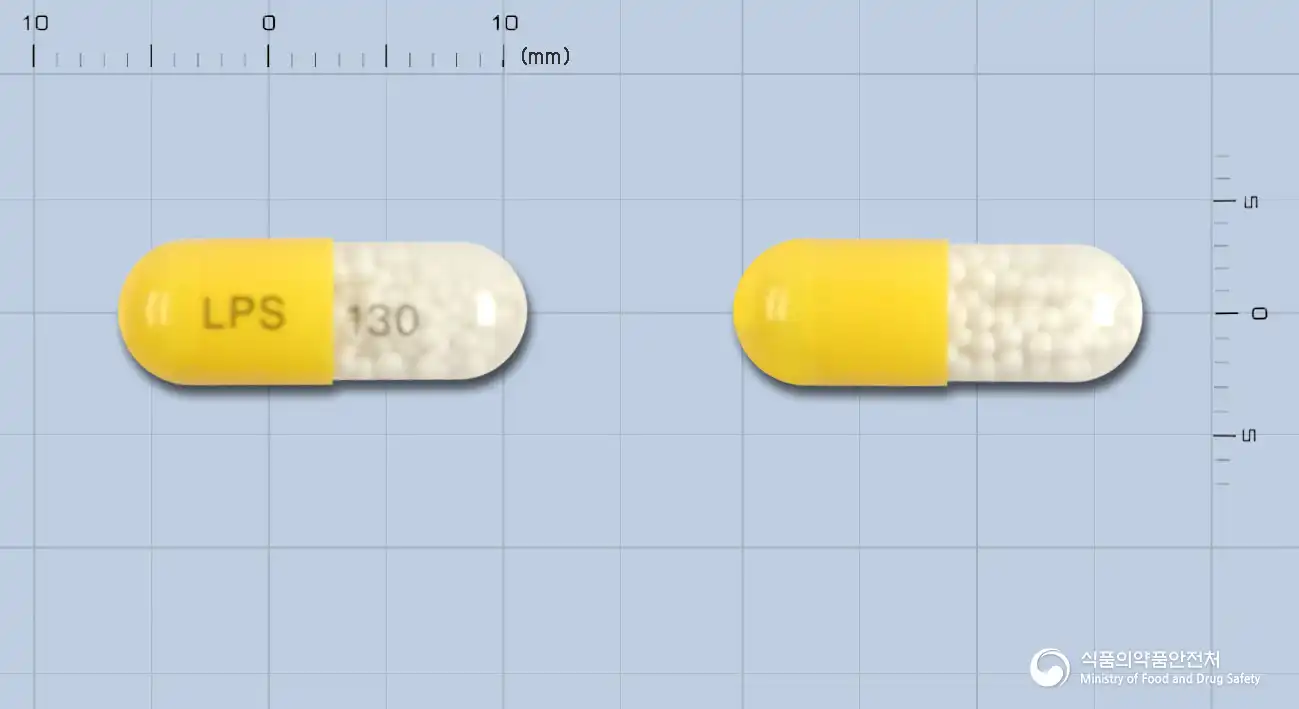
A hard capsule with upper yellow, lower colorless and transparent appearance containing white to pale gray spherical microgranules.
Package unit
30 capsules/bottle, 90 capsules/bottle, 300 capsules/bottle
Questions about this medicine
No questions yet.
For anything that needs medical judgment, consult a doctor or pharmacist.