
 한국어
 English
 日本語
 中文(简体)
Dosage form image
Viewing nowBC Morphine Sulfate Hydrate Injection 10 mg
Morphine Sulfate Hydrate 10mg
Injections · Prescription medication
BC World Pharmaceutical Co., Ltd.
MFDS item code 200712832 · Approved 2007.10.31 · Insurance code 653101951
Relief of severe pain (e.g., during labor), as an anesthetic adjunct, and relief of cardiovascular effects and anxiety associated with acute pulmonary edema
This medication is used to relieve relatively severe acute or chronic pain associated with terminal illnesses and other conditions. Additionally, it serves as an anesthetic adjunct to enhance the sedative effect prior to surgery. It is also effective in alleviating pain for mothers during labor. It provides cardiovascular benefits for patients with acute pulmonary edema and aids in alleviating anxiety (however, it is not used for treating pulmonary edema caused by chemical respiratory irritants). It is also used for alleviating pain caused by myocardial infarction, contributing to symptom relief.
1) Dose for subcutaneous or intramuscular injection: The usual dose is 10 mg of morphine sulfate hydrate every 4 hours as needed. The dose per administration may be within the range of 5∼20 mg, depending on the patient's response and requirements. 2) Dose for intravenous injection: The usual dose is 4∼10 mg of this medicine, administered slowly over 4∼5 minutes and repeated every 4 hours as needed. 2.5∼15 mg of this medicine may be diluted in 4∼5 mL of water for injection. 3. Relief of pain during labor: The usual dose is 10 mg of this medicine by subcutaneous or intramuscular injection. 4. Relief of pain due to myocardial infarction: Inject 8∼15 mg of this medicine. If the pain is very severe, small additional doses may be administered every 3∼4 hours.
Inject 0.1∼0.2 mg/kg of this medicine subcutaneously as needed; do not exceed 15 mg per dose.
This drug is a narcotic analgesic that acts on the central nervous system, and its use with other central nervous system depressants or alcohol may lead to severe respiratory depression or coma, so extreme caution is required. It should not be used in patients who have an allergic reaction to this drug, or those with certain conditions such as seizure disorders, severe lung disease, persistent asthma attacks, severe respiratory depression, arrhythmias, brain tumors, acute alcohol intoxication, delirium tremens, and premature infants. Patients with hypotension or shock, respiratory depression, asthma, a history of drug or alcohol dependence, ventricular tachycardia, acute abdominal conditions, ulcerative colitis, recent surgery, seizure disorders, increased intracranial pressure, severe liver or kidney impairment, fever, prostate hypertrophy, hypothyroidism, adrenal insufficiency, children, and the elderly should be especially cautious when using this medication. This drug may lead to dependence with long-term use, and withdrawal symptoms may appear when stopping, alongside potential respiratory depression, requiring close monitoring by healthcare professionals. Drowsiness or dizziness may occur; therefore, activities such as driving or operating dangerous machinery should be avoided while taking this medication. Pregnant or breastfeeding women should use this drug cautiously, and if the mother has used this medication, the newborn's respiratory status should be carefully monitored. Additionally, children and the elderly may be more sensitive to this drug, so dosage adjustment and monitoring of status are important. This medication may interact with other drugs, necessitating dosage adjustments and caution when taken with benzodiazepines, narcotic analgesics, tranquilizers, antidepressants, or alcohol. In case of overdose, respiratory depression, decreased consciousness, heart problems, etc. may occur, requiring immediate emergency treatment from healthcare personnel. The injection solution should not be used if discolored or precipitated, and should be stored away from direct sunlight at room temperature. Finally, this drug poses a risk of abuse, so it should be used strictly according to a healthcare professional's prescription and directions, and any remaining medication after use should be disposed of properly.
Drug dependence, yawning, sneezing, tearing, sweating, nausea, vomiting, diarrhea, abdominal pain, pupil dilation, headache, insomnia, anxiety, hallucinations, seizures, tremors, pain in muscles and joints all over the body, dyspnea, palpitations, respiratory distress, slow breathing, irregular breathing, apnea, head trauma, increased intracranial pressure, hypotension, shock, cardiac arrest, anaphylactic reaction, weakness, tremors, muscle coordination disorders, temporary hallucinations, loss of directional sense, visual impairment, headache, agitation, discomfort, abnormal euphoria, sedation, dizziness, dysentery, hypersensitivity to pain, hyperhidrosis, nausea, vomiting, constipation, biliary colic, increased colonic motility, increased toxicity, dry mouth, pancreatitis, odinary sphincter spasm, tachycardia, bradycardia, palpitations, confusion, syncope, orthostatic hypotension, oliguria, urinary retention, itching, urticaria, rash, acute generalized exanthematous pustulosis, central sleep apnea syndrome, facial flushing, sweating, localized itching, pain, sclerosis, bowel obstruction, nausea, vomiting, loss of appetite, fatigue, weakness, dizziness, hypotension, decreased libido, erectile dysfunction, amenorrhea, hypersensitivity to pain, sleep apnea syndrome, hypoxia, increased intraductal pressure, biliary symptoms, pancreatitis, acute generalized exanthematous pustulosis, respiratory depression, unconsciousness, coma, skeletal muscle relaxation, cold skin, miosis, bradycardia, hypotension, apnea, circulatory collapse, cardiac arrest, death, aspiration pneumonia
Not everyone experiences these, and they can vary from person to person.
This drug is sensitive to light, so it should be stored in a tightly sealed container to prevent exposure to light. The recommended storage temperature is between 1°C and 30°C at room temperature.
A colorless, transparent liquid contained in a brown transparent ampoule.
25 ampoules/box [(1 mL/1 ampoule)]
Even with the same ingredient, strength, dosage form and how it is taken can differ.
Morphine Sulfate Hydrate 10mg
Injections · Prescription medication
BC World Pharmaceutical Co., Ltd.
Morphine Sulfate Hydrate 1mg
Injections · Prescription medication
Myungmoon Pharmaceutical Co., Ltd.
Morphine Sulfate Hydrate
Prescription medication
Hana Pharmaceutical Co., Ltd.
Morphine Sulfate Hydrate 1mg
Injections · Prescription medication
Hana Pharmaceutical Co., Ltd.

Morphine Sulfate Hydrate 10mg
Tablet · Prescription medication
Hana Pharmaceutical Co., Ltd.
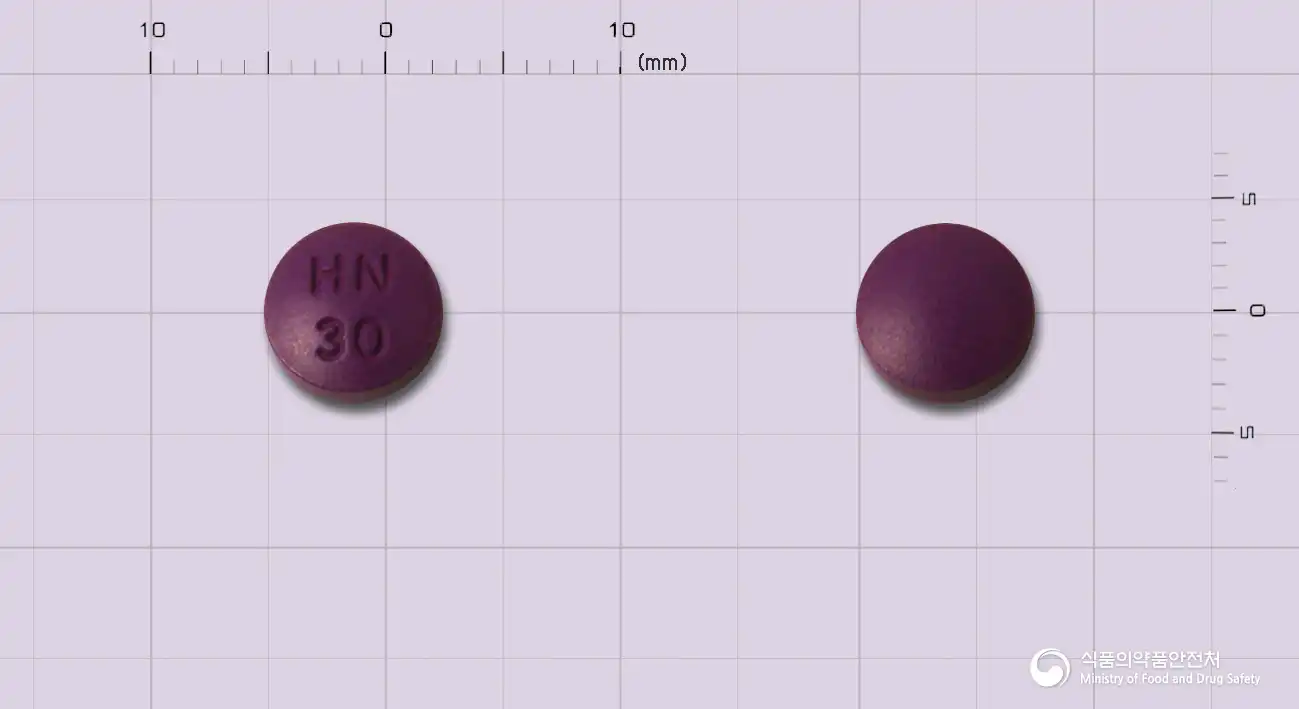
Morphine Sulfate Hydrate 30mg
Tablet · Prescription medication
Hana Pharmaceutical Co., Ltd.

Morphine Sulfate Hydrate 15mg
Tablet · Prescription medication
Hana Pharmaceutical Co., Ltd.
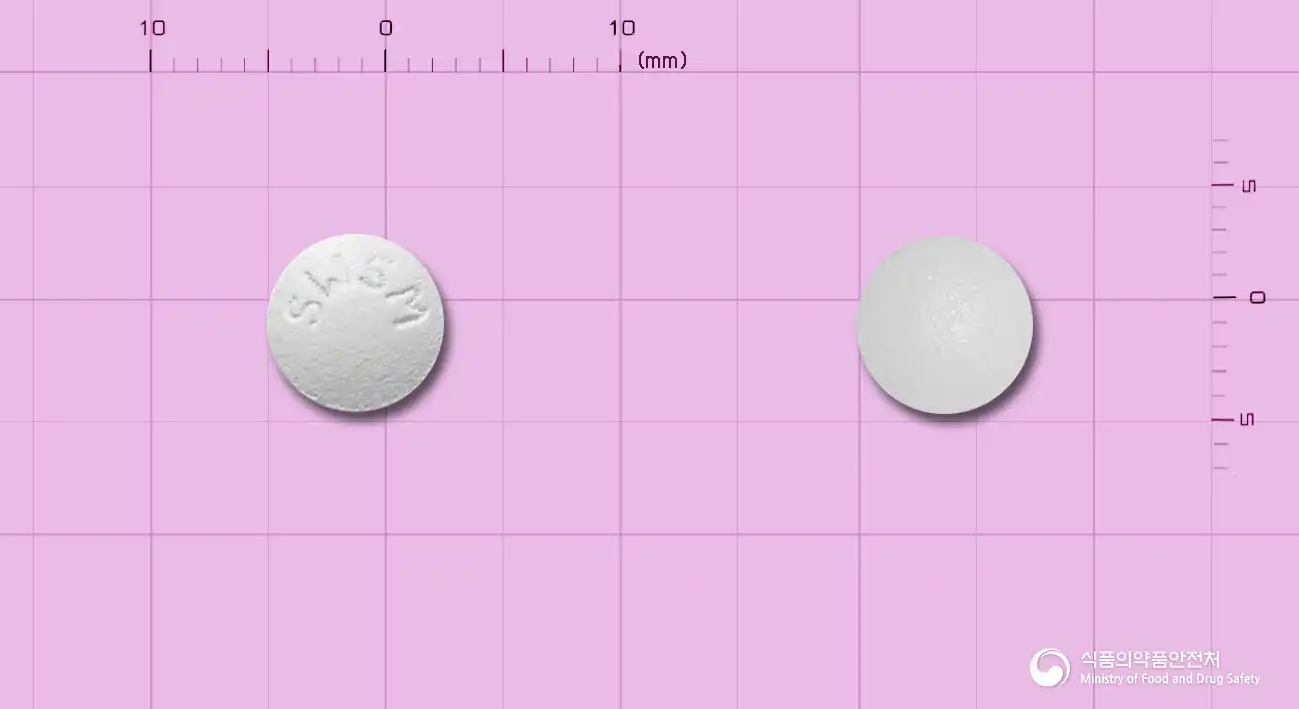
Morphine Sulfate Hydrate 15mg
Tablet · Prescription medication
Sungwon Adcock Pharmaceutical Co., Ltd.
Even with the same ingredient, the dose and directions can differ by strength and dosage form. Talk to a doctor or pharmacist before switching from a medication you are already taking.
No questions yet.
For anything that needs medical judgment, consult a doctor or pharmacist.
This drug information is based on data provided by the Korea Ministry of Food and Drug Safety.
Consult a doctor or pharmacist for accurate dosage, administration, and usage instructions.