한국어
 English
 日本語
 中文(简体)
 Viewing now
Temboco Tablet (Flecainide Acetate)
Flecainide Acetate 50mg
Tablet · Prescription medication
JW Pharmaceutical Corp.
MFDS item code 200712742 · Notified 2007.11.23 · Insurance code 644101040
Treatment of arrhythmias (e.g., ventricular tachycardia and atrial fibrillation) and maintenance of normal rhythm
This medication helps treat various heart rhythm disorders such as ventricular tachycardia, ventricular extrasystole, paroxysmal ventricular tachycardia, WPW syndrome, and paroxysmal atrial fibrillation. It is also used to maintain a stable normal heart rhythm restored by other therapeutic approaches. Thus, it is effective in improving cardiac rhythm problems and maintaining healthy heart function.
Adults: Initially, administer flecainide acetate 50-100mg per dose orally, 2 times daily. The maximum daily dose is 400mg; this dose is generally used in patients with a large body size or those requiring rapid treatment of arrhythmia. After 3-5 days of treatment, gradually reduce the dose for maintenance treatment of arrhythmia. The dose may be reduced for long-term treatment. Because the plasma clearance of this medicine is lower in elderly patients, the usual dose is 100mg per dose, 2 times daily, and may be reduced to a maintenance dose after 1 week. For patients with severe renal impairment (creatinine clearance 35ml/min or less), it is preferable not to exceed a maximum daily dose of 100mg; if administered to these patients, monitor blood concentrations frequently. Adjust the dose as appropriate according to age and symptoms.
Children aged 12 years and older: Initially, administer flecainide acetate 50-100mg per dose orally, 2 times daily. The maximum daily dose is 400mg; this dose is generally used in patients with a large body size or those requiring rapid treatment of arrhythmia. After 3-5 days of treatment, gradually reduce the dose for maintenance treatment of arrhythmia. The dose may be reduced for long-term treatment.
This medication should not be used in patients with heart failure. It should also be avoided in patients with conduction problems in the heart or very slow heart rates. Use of this medication is discouraged in cases of asymptomatic ventricular arrhythmia following myocardial infarction. It is not recommended during pregnancy or in women who may become pregnant. This medication is also not advised for patients with long-standing atrial fibrillation. Patients with underlying heart disease, elderly patients, those with impaired liver or kidney function, and patients with low serum potassium should use this medication cautiously. Regular ECG monitoring should be conducted during treatment to carefully observe the cardiac rhythm and conduction status. If abnormal ECG changes or cardiac symptoms appear, medication should be immediately discontinued and appropriate treatment sought. The risk of side effects may increase when this medication is combined with other antiarrhythmic agents, so co-administration should be avoided. Caution is required when used with certain antihistamines, antidepressants, or antiviral agents. Additionally, electrolyte imbalances must be corrected, particularly ensuring potassium levels are within normal ranges. It is safest for women who are pregnant or breastfeeding to avoid this medication; if breastfeeding, it is recommended to either cease medication or stop breastfeeding. Safety in pediatric patients has not been adequately established, so use in this population is discouraged. There is no specific antidote for an overdose of this medication; treatment may be required to reduce drug concentration in the body, such as forced diuresis. Serious side effects may necessitate pacemaker insertion or other cardiac auxiliary therapies. Long-term use can lead to optic nerve disturbance or pulmonary-related side effects, so regular examinations are necessary. Also, this medication has the potential to cause serious cardiac side effects, so it must be used cautiously under a physician's supervision.
Not everyone experiences these, and they can vary from person to person.
This medication should be stored in a tightly closed container to protect it from air and moisture, preferably at a temperature between 1 and 30 degrees Celsius. Proper storage will help maintain the drug's efficacy and prevent degradation.
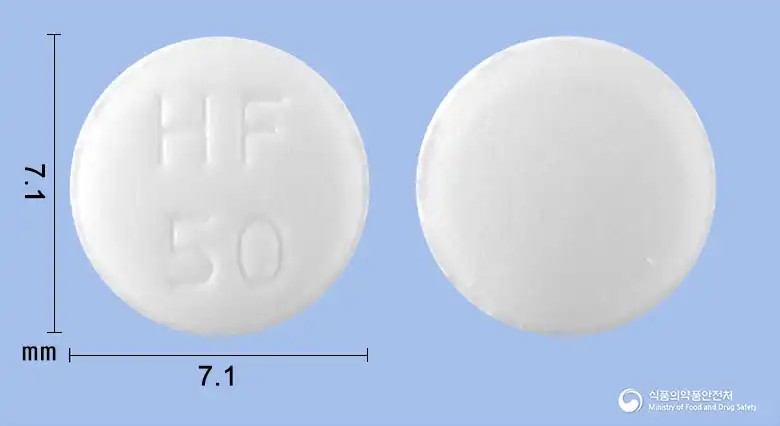
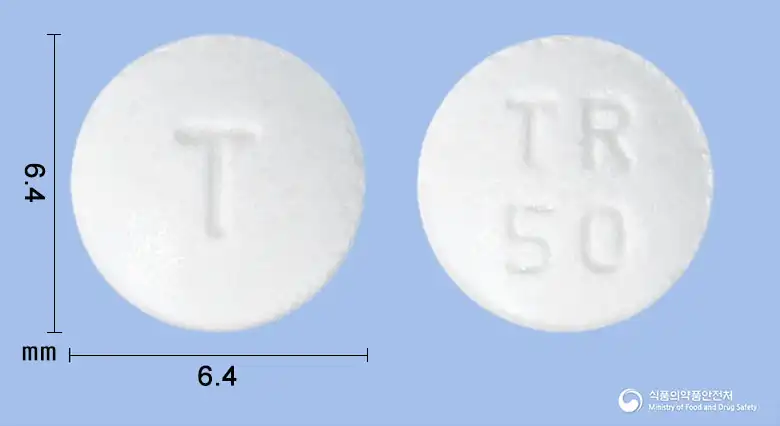
White round tablets
90 tablets/box [30 tablets/PTP*3]
Even with the same ingredient, strength, dosage form and how it is taken can differ.
Even with the same ingredient, the dose and directions can differ by strength and dosage form. Talk to a doctor or pharmacist before switching from a medication you are already taking.
No questions yet.
For anything that needs medical judgment, consult a doctor or pharmacist.
This drug information is based on data provided by the Korea Ministry of Food and Drug Safety.
Consult a doctor or pharmacist for accurate dosage, administration, and usage instructions.