
 한국어
 English
 日本語
 中文(简体)
Dosage form image
Viewing nowCefdanaseRib (Cefdinir)
Cefdinir 100mg
Prescription medication
Daewoong Bio Co., Ltd.
MFDS item code 200712298 · Notified 2007.11.09 · Insurance code 694000261
Treatment of respiratory and ear, nose, and throat infections, urinary tract infections, and other infections (such as scarlet fever)
This medicine is used to treat infections caused by various bacteria. It is effective for respiratory infections such as lymphangitis, pharyngitis, acute bronchitis, tonsillitis, and pneumonia. It also helps treat urinary infections such as pyelonephritis, cystitis, as well as various infectious diseases like scarlet fever, otitis media, and sinusitis. This product is effective against various harmful bacteria such as Staphylococcus, Streptococcus, Pneumococcus, Moraxella catarrhalis, Escherichia coli, Klebsiella, Proteus mirabilis, and Haemophilus influenzae. Therefore, it is suitable for the treatment of various diseases caused by infections and is used to improve infection symptoms.
Children: Administer cefdinir orally at 9 ∼ 18 mg (potency)/kg of body weight per day in 3 divided doses. Adjust the dose as appropriate according to symptoms.
This drug should not be used in patients who have previously experienced shock due to this medication. Patients who have had an allergic reaction to this medication, its ingredients, or cephalosporin antibiotics should also not be administered. This drug contains lactose, so it cannot be used in patients with genetic issues such as galactose intolerance, Lapp lactase deficiency, or glucose-galactose malabsorption. Patients with a penicillin allergy should use this medication with caution, as some may experience cross-reactivity. If you or anyone in your family has a tendency to develop allergic symptoms such as asthma, rash, or hives, this medication should also be used cautiously. Patients with severely impaired kidney function may experience increased blood concentrations of this medication, so careful dosing and extended intervals should be observed. Patients who have difficulty taking medication orally, are receiving parenteral nutrition, or are in poor general health should be observed closely, as vitamin K deficiency symptoms may develop. Elderly patients have diminished bodily function and may easily experience adverse reactions, so dosing and intervals should be adjusted and used carefully. Patients with a history of colitis should be cautious when using this medication. During the use of this drug, severe allergic reactions such as shock, anaphylaxis, severe skin rash, blood abnormalities, pseudomembranous colitis, interstitial pneumonia, kidney failure, and acute hepatitis may occur rarely, so if symptoms develop, administration should be stopped immediately and healthcare professionals consulted. This drug can produce resistant strains like other antibiotics, so it should only be used for the minimum necessary duration and administered appropriately according to susceptibility testing. Interactions may occur when administered with iron preparations, antacids, warfarin, probenecid, etc., so it is advisable to adjust the dosing intervals or consult healthcare professionals when taking this medication. Pregnant women or women who may become pregnant should only use this medication when the benefits of treatment outweigh the risks since its safety has not been established. Safety has not been sufficiently verified for children, neonates, and premature infants, so special caution is necessary. In case of overdose, symptoms such as vomiting, diarrhea, and seizures may occur, so if suspected, immediate medical attention should be sought for appropriate treatment. This medication should be kept out of reach of children and stored away from direct sunlight and moisture.
Not everyone experiences these, and they can vary from person to person.
This medication is sensitive to air and moisture, so it should be stored in a sealed container away from direct sunlight. The storage temperature should be between 1 and 30 degrees Celsius at room temperature.
This medication is a pink granule preparation that has flavor and sweetness.
100g/bottle
Even with the same ingredient, strength, dosage form and how it is taken can differ.
Cefdinir 100mg
Prescription medication
Daewoong Bio Co., Ltd.
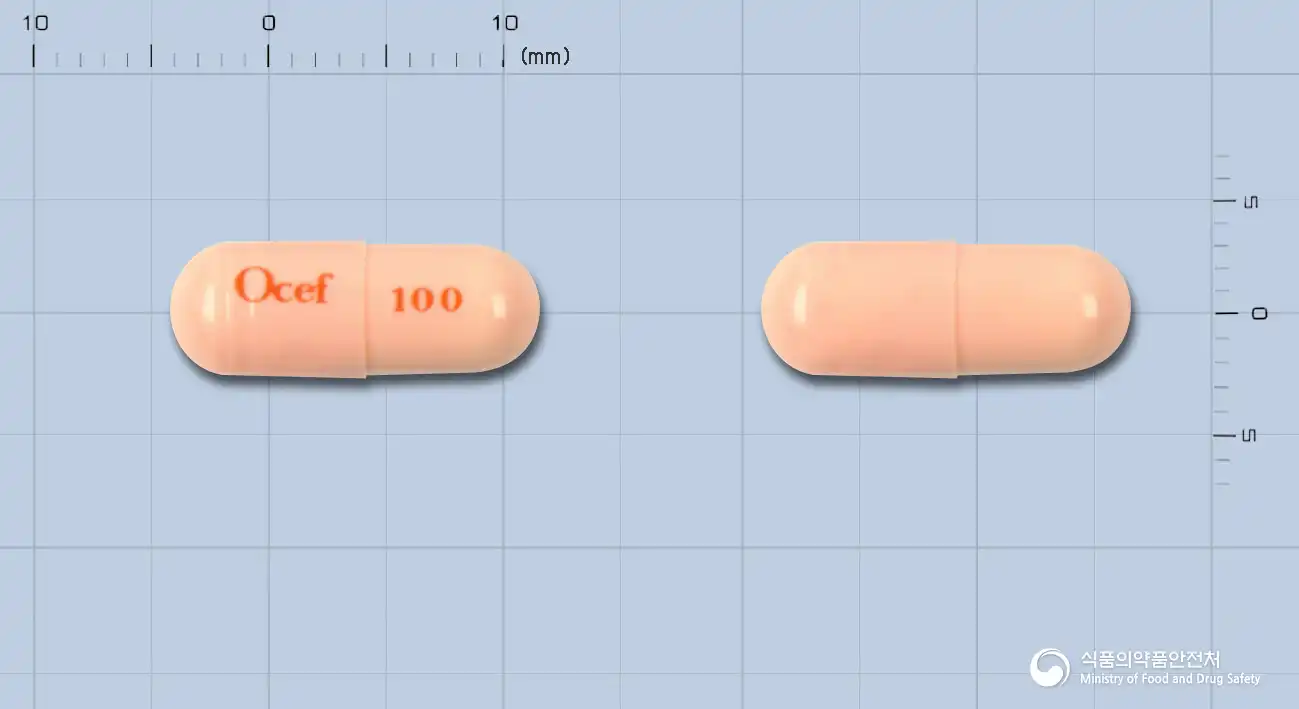
Cefdinir 100mg
Hard capsule · Prescription medication
Jeil Pharmaceutical Co., Ltd.
Cefdinir 100mg
Prescription medication
Jeil Pharmaceutical Co., Ltd.
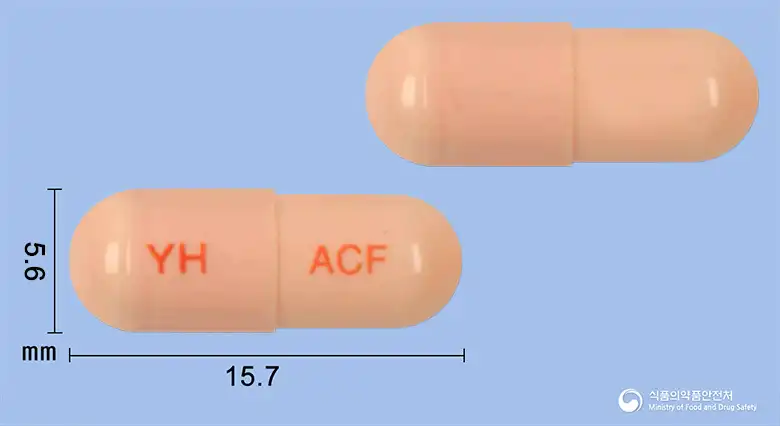
Cefdinir 100mg
Hard capsule · Prescription medication
Yuhan Corporation
Cefdinir 100mg
Prescription medication
Yuhan Corporation
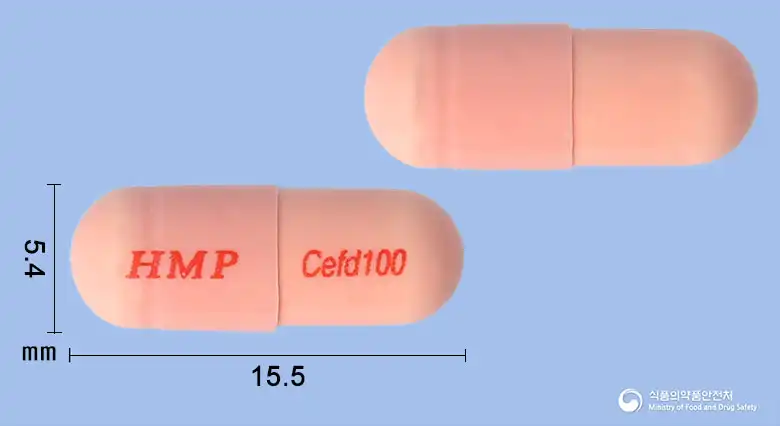
Cefdinir Monohydrate 100mg
Hard capsule · Prescription medication
Hanmi Pharmaceutical Co., Ltd.
Cefdinir 100mg
Prescription medication
Hanmi Pharmaceutical Co., Ltd.
Cefdinir Monohydrate 100mg
Hard capsule · Prescription medication
JW Pharmaceutical Co., Ltd.
Even with the same ingredient, the dose and directions can differ by strength and dosage form. Talk to a doctor or pharmacist before switching from a medication you are already taking.
No questions yet.
For anything that needs medical judgment, consult a doctor or pharmacist.
This drug information is based on data provided by the Korea Ministry of Food and Drug Safety.
Consult a doctor or pharmacist for accurate dosage, administration, and usage instructions.