
 한국어
 English
 日本語
 中文(简体)
 Viewing now
Cefdanacapsule 100 Milligrams (Cefdinir)
Cefdinir 100mg
Hard capsule · Prescription medication
Daewoong Bio Co., Ltd.
MFDS item code 200711458 · Notified 2007.10.18 · Insurance code 694000250
Treatment of respiratory tract infections, genitourinary infections, and other infections (skin, eye, dental, etc.)
This medication is effective against various bacteria, including Staphylococcus, Streptococcus, and Pneumococcus. It can be used for infectious diseases such as lymphangitis and chronic pyoderma, and is helpful for superficial secondary infections of trauma and surgical wounds, as well as perianal abscesses and mastitis. It is also suitable for treating respiratory infections such as pharyngitis, acute bronchitis, tonsillitis, and pneumonia. It is effective against urinary tract infections like pyelonephritis, cystitis, and gonococcal urethritis. Additionally, it can be used for gynecological infections such as salpingitis, intrauterine infections, and Bartholinitis, as well as various inflammatory diseases including hordeolum, seborrheic dermatitis, otitis externa, otitis media, sinusitis, periodontal disease, pericoronitis, and sialadenitis.
Adults: Administer 100 mg (potency) of cefdinir orally 3 times daily. For patients undergoing hemodialysis, administration of 100 mg (potency) once daily is preferable. Adjust the dose appropriately according to symptoms.
This medication should not be used by patients who have previously experienced severe allergic reactions or shock from this medication or cephalosporin antibiotics. Caution is required when administering this medication to patients with an allergy to penicillin antibiotics, as well as when there is a history of allergies in the family. Patients with severely impaired kidney function should have their dosage adjusted and the interval between doses increased, and patients who cannot take the medication orally or whose general condition is poor should be closely monitored. Elderly patients may experience side effects such as diarrhea more readily, so monitoring is necessary during administration. This medication may occasionally cause serious allergic reactions, skin abnormalities, blood abnormalities, liver and kidney dysfunction, and pseudomembranous colitis; therefore, treatment should be discontinued immediately if any abnormal symptoms appear, and medical consultation should be sought. To prevent the occurrence of antibiotic-resistant bacteria, sensitivity testing for the causative bacteria should be conducted, and this medication should only be used for the necessary duration. Certain medications, such as iron supplements, antacids, and warfarin, may interact with this medication, so it is important to space out their administration or exercise caution. Pregnant women or those who may become pregnant should only use this medication if the benefits outweigh the risks when administration is necessary. Safety in children and premature infants has not been sufficiently established, so it should be administered cautiously. In cases of overdose, symptoms such as nausea, vomiting, diarrhea, and convulsions may occur, and severe cases may require dialysis. This medication should be kept out of the reach of children, stored in a cool, dry place away from direct light and moisture, and kept in its original container.
Not everyone experiences these, and they can vary from person to person.
This medication should be stored in a tightly sealed container to protect it from air and moisture. Additionally, it is important to maintain a room temperature between 1 and 30 degrees Celsius while storing the medication. This helps to maintain the efficacy of the medication and ensures safe use.
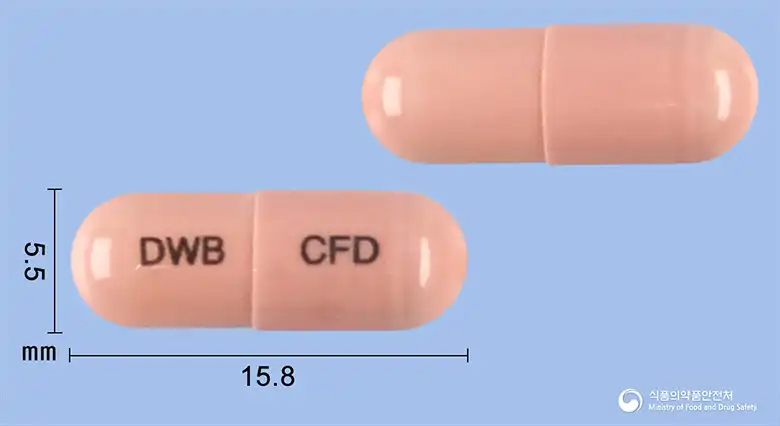
This medication is a light red hard capsule, and the contents are a light yellowish-white powder or lump.
30 capsules/bottle, 100 capsules/bottle
Even with the same ingredient, strength, dosage form and how it is taken can differ.
Viewing nowCefdinir 100mg
Hard capsule · Prescription medication
Daewoong Bio Co., Ltd.
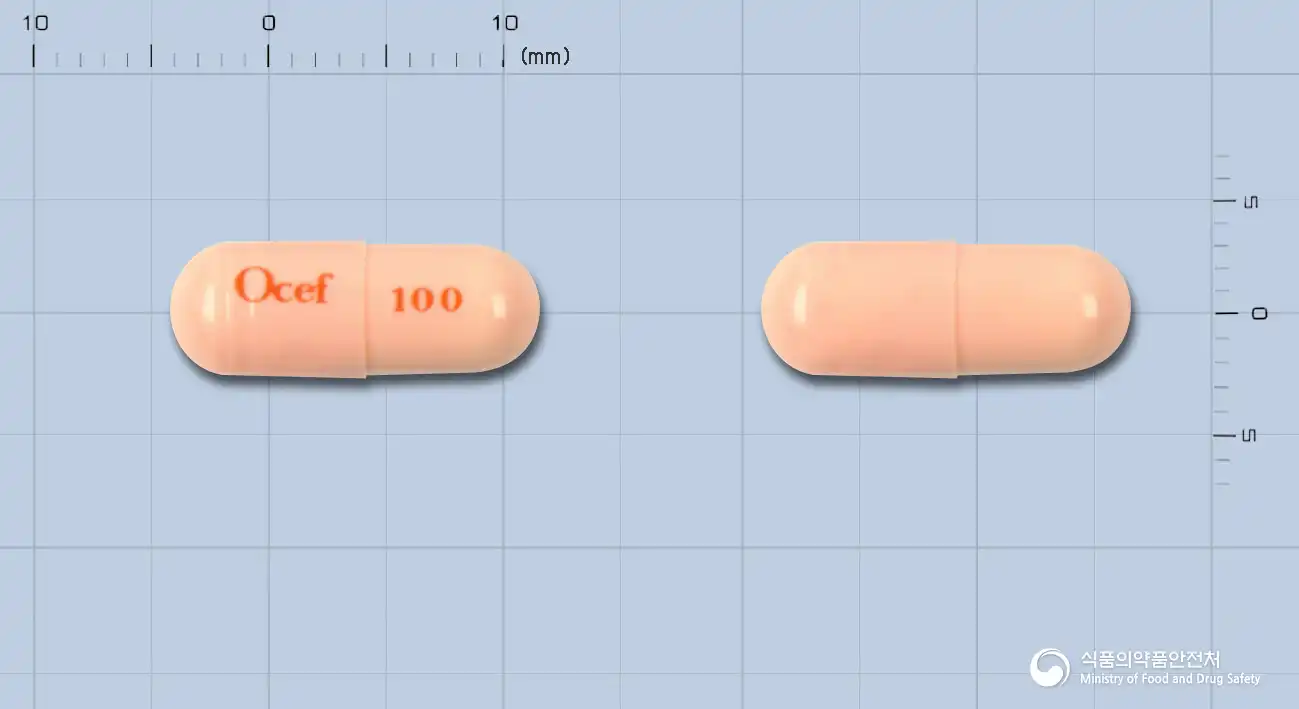
Cefdinir 100mg
Hard capsule · Prescription medication
Jeil Pharmaceutical Co., Ltd.
Cefdinir 100mg
Prescription medication
Jeil Pharmaceutical Co., Ltd.
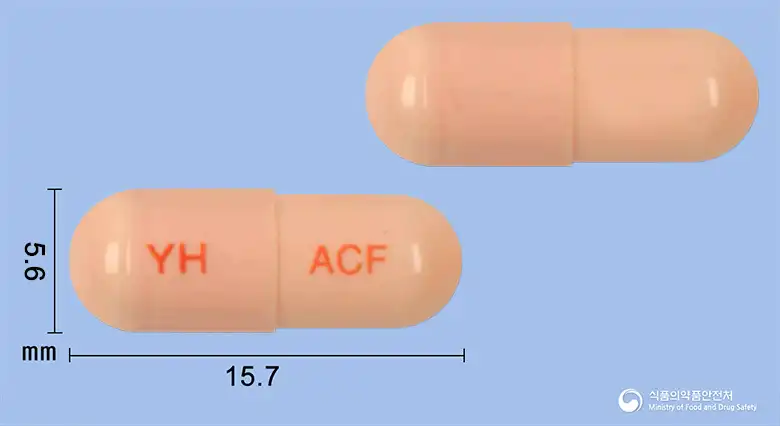
Cefdinir 100mg
Hard capsule · Prescription medication
Yuhan Corporation
Cefdinir 100mg
Prescription medication
Yuhan Corporation
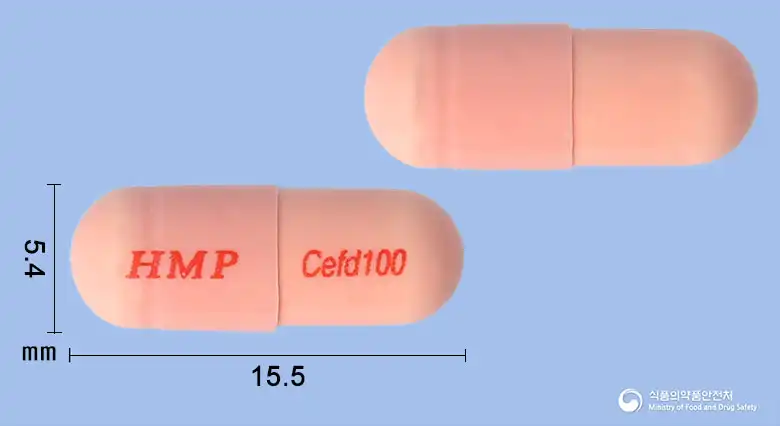
Cefdinir Monohydrate 100mg
Hard capsule · Prescription medication
Hanmi Pharmaceutical Co., Ltd.
Cefdinir 100mg
Prescription medication
Hanmi Pharmaceutical Co., Ltd.
Cefdinir Monohydrate 100mg
Hard capsule · Prescription medication
JW Pharmaceutical Co., Ltd.
Even with the same ingredient, the dose and directions can differ by strength and dosage form. Talk to a doctor or pharmacist before switching from a medication you are already taking.
No questions yet.
For anything that needs medical judgment, consult a doctor or pharmacist.
This drug information is based on data provided by the Korea Ministry of Food and Drug Safety.
Consult a doctor or pharmacist for accurate dosage, administration, and usage instructions.