
 한국어
 English
 日本語
 中文(简体)
Dosage form image
Viewing nowOmacef Capsule 100 mg (Cefdinir Hydrate)
Cefdinir Monohydrate 100mg
Hard capsule · Prescription medication
JW Pharmaceutical Co., Ltd.
MFDS item code 200711286 · Notified 2007.10.11
This product's status changed to Approval withdrawn on 2023.12.12. It may no longer be sold, so consult a doctor or pharmacist before taking it.
Treatment of respiratory and ear, nose, and throat, skin and soft tissue, eye, dental, and genitourinary infections
This medication is effective against various bacterial strains causing diverse bacterial infections. It is used for skin and soft tissue infections such as lymphangitis and chronic suppurative dermatitis, and is also beneficial for treating superficial secondary infections of mastitis and wound sites. Additionally, it is effective against respiratory infections such as pharyngitis, acute bronchitis, tonsillitis, and pneumonia, as well as urinary tract infections like pyelonephritis and cystitis. It can also be utilized for female reproductive infections such as adnexitis and intrauterine infections, as well as the treatment of otitis media, sinusitis, periodontal disease, and cellulitis. Thus, it acts effectively for various infections, aiding in infection treatment.
Adults: Administer cefdinir 100 mg (potency) per dose orally 3 times daily. For patients on hemodialysis, administration of 100 mg (potency) once daily is preferred. Adjust the dose appropriately according to symptoms.
This medication should not be used by patients who have previously experienced shock due to this medication or who have shown allergic reactions to this medication or its components, as well as to cefem antibiotics. Patients with a history of allergy to penicillin antibiotics should use this medication with caution due to the possibility of cross-allergic reactions between this medication and penicillin antibiotics. Additionally, patients with a history of asthma, rash, hives, or other allergic symptoms, severely impaired kidney function, patients who have difficulty in oral intake, patients in poor condition, elderly patients, and those with a previous history of colitis should exercise caution when using this medication. This medication can rarely cause severe side effects such as shock, anaphylaxis, serious skin diseases, blood abnormalities, pseudomembranous colitis, pneumonia, renal failure, and hepatitis, so any abnormal symptoms that occur during use should be immediately reported to a physician. Relatively common side effects such as diarrhea, vomiting, abdominal pain, skin rash, and itching may occur, so close monitoring is essential. When using this medication, it is important to check the susceptibility of the causative bacteria to prevent the emergence of resistant strains and to use it only for the necessary duration. To reduce the possibility of hypersensitivity reactions, it is recommended to conduct a thorough medical history and skin reaction tests beforehand. If an allergic reaction occurs, administration should be stopped immediately, and appropriate treatment should be received. This medication can alter the normal balance of gut flora, potentially leading to colitis, so if abdominal pain or diarrhea worsens, it should be discussed with healthcare personnel immediately. There may be interactions with other drugs such as iron supplements, antacids, and warfarin, necessitating adjustments to dosing time or careful administration. Women who are pregnant or may become pregnant should carefully consider the risks and benefits of using this medication. In the case of children or infants, the safety of this medication has not been fully established, and caution in use is required. Elderly patients may experience side effects more easily due to decreased bodily function, so dosage and administration intervals should be adjusted, and they should be closely monitored. In cases of overdose, symptoms such as vomiting, diarrhea, and seizures may occur, and in patients with impaired kidney function, this medication can be removed via hemodialysis. This medication may affect the results of certain clinical tests, so this should be communicated to healthcare personnel during testing. When storing, keep out of the reach of children, avoiding humidity and direct sunlight. Lastly, during the use of this medication, urine may turn red, so please take note of this as well.
Not everyone experiences these, and they can vary from person to person.
This medication should be stored in a tightly closed container to prevent exposure to air or moisture. The appropriate storage temperature is room temperature between 1°C and 30°C.
A hard capsule with a pink upper part and pink lower part containing white to light yellow granules.
30 capsules/bottle, 100 capsules/bottle
Even with the same ingredient, strength, dosage form and how it is taken can differ.
Cefdinir Monohydrate 100mg
Hard capsule · Prescription medication
JW Pharmaceutical Co., Ltd.

Cefdinir 100mg
Hard capsule · Prescription medication
Jeil Pharmaceutical Co., Ltd.
Cefdinir 100mg
Prescription medication
Jeil Pharmaceutical Co., Ltd.

Cefdinir 100mg
Hard capsule · Prescription medication
Yuhan Corporation
Cefdinir 100mg
Prescription medication
Yuhan Corporation
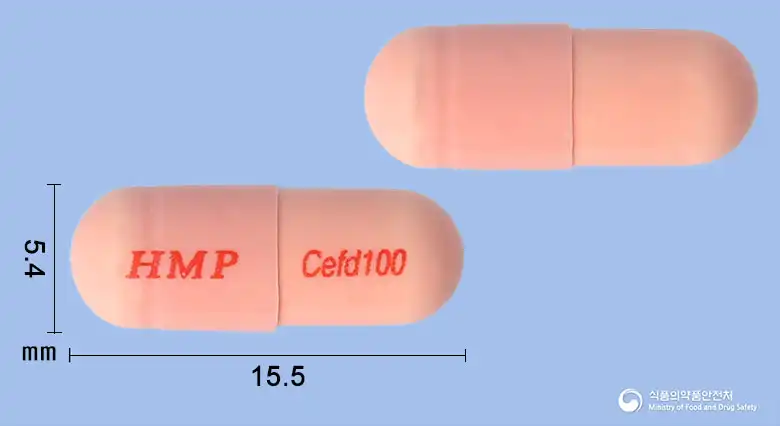
Cefdinir Monohydrate 100mg
Hard capsule · Prescription medication
Hanmi Pharmaceutical Co., Ltd.
Cefdinir 100mg
Prescription medication
Hanmi Pharmaceutical Co., Ltd.
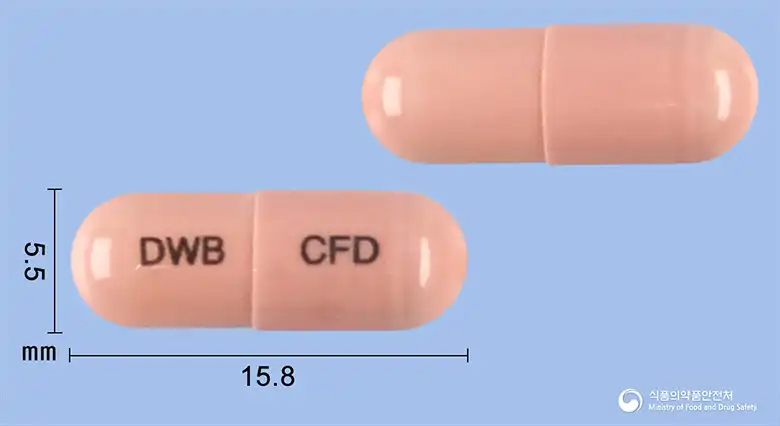
Cefdinir 100mg
Hard capsule · Prescription medication
Daewoong Bio Co., Ltd.
Even with the same ingredient, the dose and directions can differ by strength and dosage form. Talk to a doctor or pharmacist before switching from a medication you are already taking.
No questions yet.
For anything that needs medical judgment, consult a doctor or pharmacist.
This drug information is based on data provided by the Korea Ministry of Food and Drug Safety.
Consult a doctor or pharmacist for accurate dosage, administration, and usage instructions.