
 한국어
한국어 English
 日本語
日本語 中文(简体)
Dosage form image
Viewing nowCombinationBestan Plus Tablets
Irbesartan 150mg · Hydrochlorothiazide 12.5mg
Tablet · Prescription medication · Combination
Shinil Pharmaceutical Co., Ltd.
MFDS item code 200710805 · Notified 2007.09.27
This product's status changed to Expired on 2024.07.01. It may no longer be sold, so consult a doctor or pharmacist before taking it.
Control and treatment effect of essential hypertension
This medication is used to control blood pressure in patients with essential hypertension. It is also effective in cases where blood pressure is not sufficiently controlled with monotherapy. Additionally, it is used as an initial treatment in moderate to severe hypertension patients who require combination therapy to reach target blood pressure. Thus, it plays a crucial role in blood pressure management and helps prevent complications due to hypertension.
This medication is administered once daily regardless of meals. 1. For patients whose blood pressure is not adequately controlled with monotherapy: - In patients where blood pressure is not adequately controlled with either Irbesartan 150 mg or Hydrochlorothiazide alone, administer one tablet of Irbesartan 150 mg/Hydrochlorothiazide 12.5 mg once daily. - In patients where blood pressure is not adequately controlled with Irbesartan 300 mg or Irbesartan 150 mg/Hydrochlorothiazide 12.5 mg, administer one tablet of Irbesartan 300 mg/Hydrochlorothiazide 12.5 mg once daily. - In patients where blood pressure is not adequately controlled with Irbesartan 300 mg/Hydrochlorothiazide 12.5 mg, administer one tablet of Irbesartan 300 mg/Hydrochlorothiazide 25 mg once daily. Dosages exceeding Irbesartan 300 mg/Hydrochlorothiazide 25 mg are not recommended. If necessary, this medication may be administered in conjunction with other antihypertensives. 2. For patients with moderate or severe hypertension (stage 2), when considering initial therapy, it should be individualized based on baseline blood pressure, target treatment pressure, and expected increases in reaching treatment goals compared to monotherapy. Typically, begin with one tablet of Irbesartan 150 mg/Hydrochlorothiazide 12.5 mg once daily, and increase to a maximum of Irbesartan 300 mg/Hydrochlorothiazide 25 mg within 1 to 2 weeks if blood pressure control is needed. It is not recommended to use this medication as initial therapy in patients with intravascular volume depletion. ○ In patients with renal impairment: Due to the Hydrochlorothiazide component, this medication is not recommended for patients with severe kidney impairment (creatinine clearance < 30 mL/min). Loop diuretics are preferred in this patient group. No dosage adjustment is required for patients with creatinine clearance of 30 mL/min or more. ○ In patients with volume depletion: If sodium and/or fluid has been lost, equilibrium must be achieved prior to administering this medication. ○ In patients with liver impairment: This medication should not be used in patients with severe liver impairment. Thiazide diuretics should be used cautiously in patients with liver disease. No dosage adjustment is needed for patients with mild to moderate liver impairment. ○ In the elderly: No dosage adjustment is necessary for elderly patients. ○ In children: The safety and efficacy of this medication have not been established in children and adolescents under 18 years of age.
The safety and efficacy of this medication have not been established in children and adolescents under 18 years of age.
This medication can cause serious damage to the fetus or newborn if used during pregnancy; therefore, it should be discontinued immediately if pregnancy is confirmed. Women who are pregnant or breastfeeding, and patients allergic to any components of this medication or with certain kidney dysfunction should not use this medication. Patients with severely impaired kidney function or anuria should also avoid this medication. Patients with hypotension or problems with renal vasculature, patients with impaired liver function, and patients with heart valve diseases should use this medication cautiously. The Hydrochlorothiazide component may react sensitively to sunlight, increasing the risk of skin cancer, so UV protection and monitoring of skin condition are necessary during treatment. Common side effects may include dizziness, fatigue, nausea, and vomiting, and regular blood tests are necessary as kidney function indicators or electrolyte levels may change. This medication does not significantly affect driving or machine operation abilities, but caution is advised due to possible dizziness or fatigue. Electrolyte imbalances such as sodium and potassium levels may occur during treatment; these should be periodically checked through blood tests. Particularly, it is essential to monitor potassium levels to ensure they do not become too high or low, and extra caution is necessary when using potassium supplements or potassium-depleting agents. This medication can be used in combination with other antihypertensives, but it is advisable not to use it with lithium preparations. The combination with non-steroidal anti-inflammatory drugs (NSAIDs) may reduce the blood pressure control effect, so consultation with a healthcare professional is required. There is a risk to fetal health during pregnancy, so it is imperative to consult a physician if planning pregnancy or if pregnant, and it is safe not to use this medication while breastfeeding. Safety in children and adolescents has not been established, so it is not recommended. Special caution is required for the elderly, as they may be more sensitive to bodily responses. In case of overdose, symptoms such as hypotension, electrolyte abnormalities, and dehydration may occur, thus immediate medical attention is necessary for appropriate treatment. This medication should be stored out of reach of children and kept sealed in its original container.
Urticaria, angioedema, edema, jaundice, hepatitis, headache, syncope, hypotension, thrombocytopenia, angioedema, toxic epidermal necrolysis (Lyell's syndrome), necrotizing vasculitis, anaphylaxis-like reaction, angioedema, toxic epidermal necrolysis, vasculitis, acute vasculitis, cutaneous erythema multiforme-like reaction, cutaneous erythema multiforme reactivation, angioedema, acute closed-angle glaucoma, severe edema, acute renal failure, severe allergic reactions, severe.
Not everyone experiences these, and they can vary from person to person.
This medication must be stored in a tightly closed container to prevent exposure to air and moisture. It is best kept at room temperature between 1 to 30 degrees Celsius.
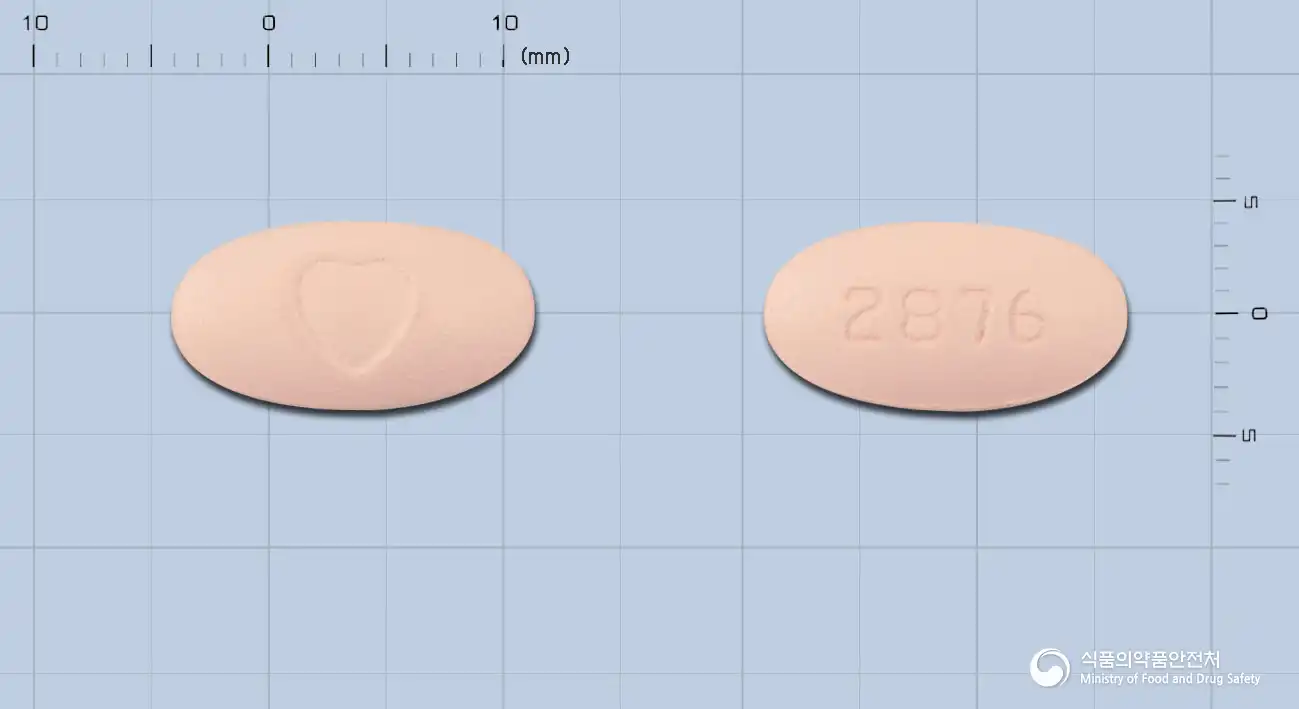
Pink, biconvex, rectangular film-coated tablet
30 tablets/bottle, 100 tablets/bottle
Even with the same ingredient, strength, dosage form and how it is taken can differ.
Irbesartan 150mg · Hydrochlorothiazide 12.5mg
Tablet · Prescription medication · Combination
Shinil Pharmaceutical Co., Ltd.
 Combination
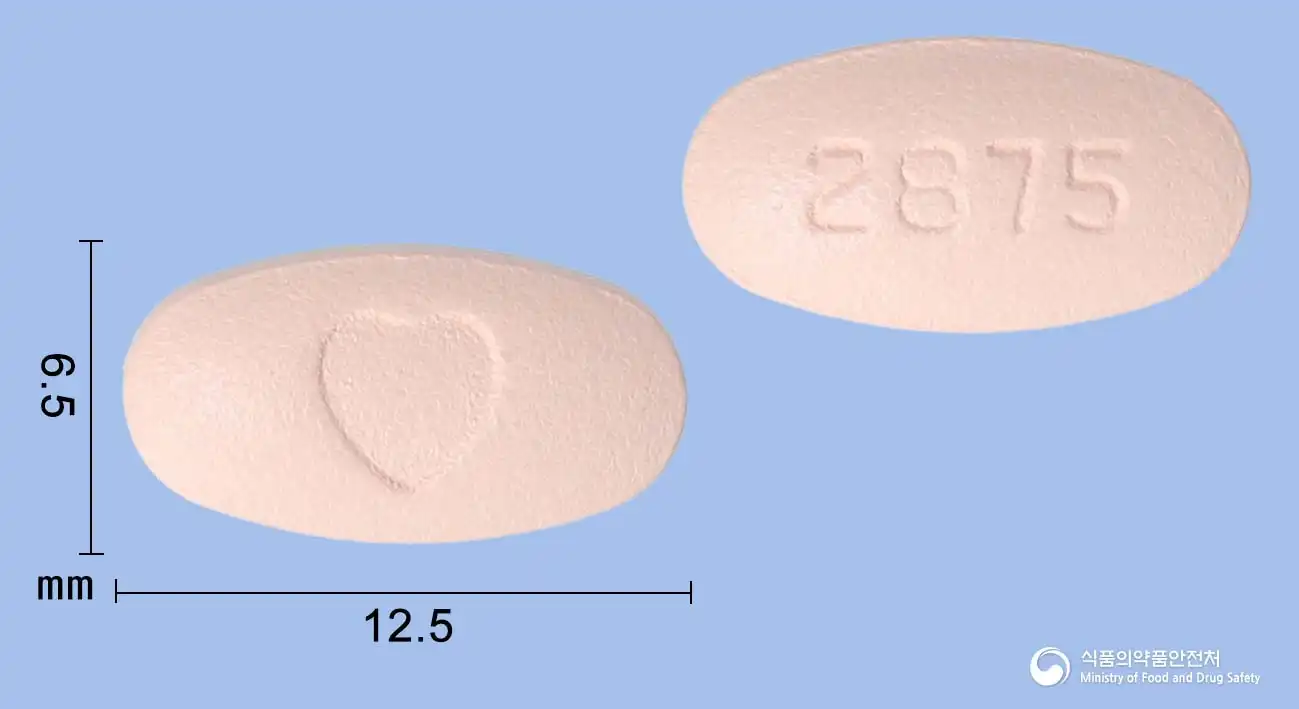
Irbesartan 300mg · Hydrochlorothiazide 12.5mg
Tablet · Prescription medication · Combination
Handok Co., Ltd.
 Combination
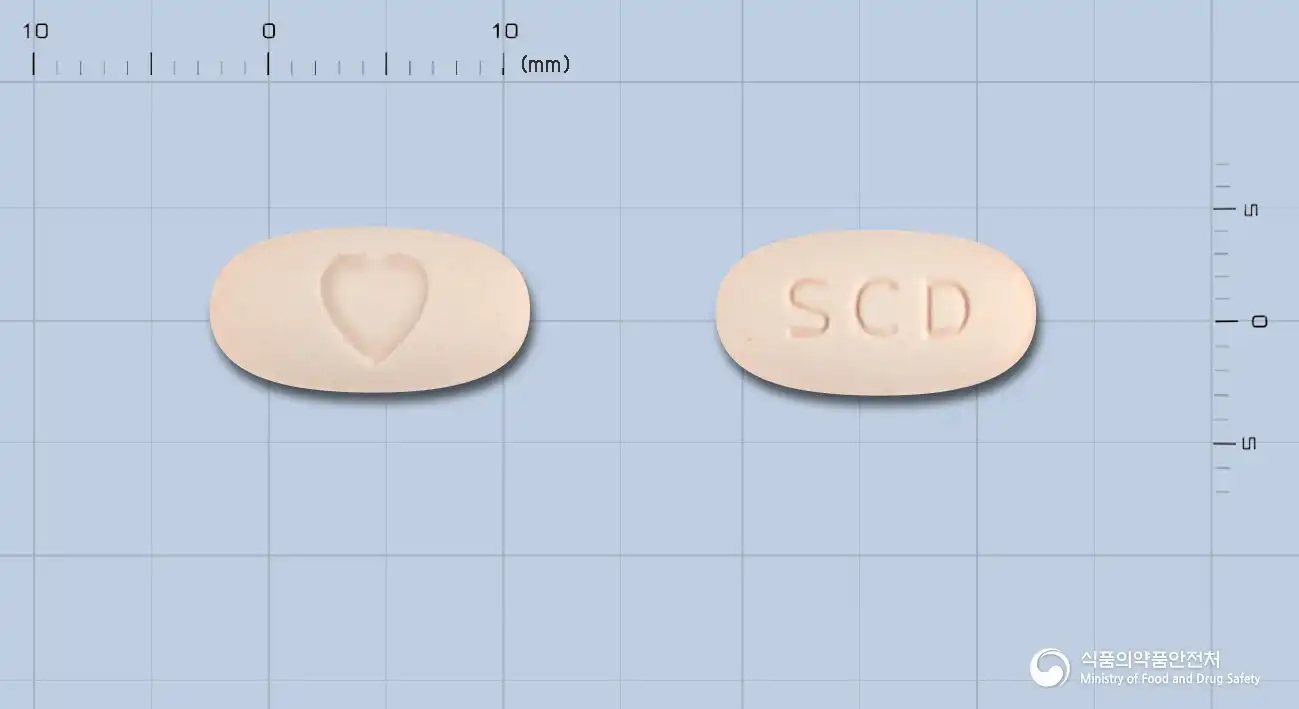
Irbesartan 150mg · Hydrochlorothiazide 12.5mg
Tablet · Prescription medication · Combination
Handok Co., Ltd.
 Combination
Irbesartan 150mg · Hydrochlorothiazide 12.5mg
Tablet · Prescription medication · Combination
Samchundang Pharmaceutical Co., Ltd.
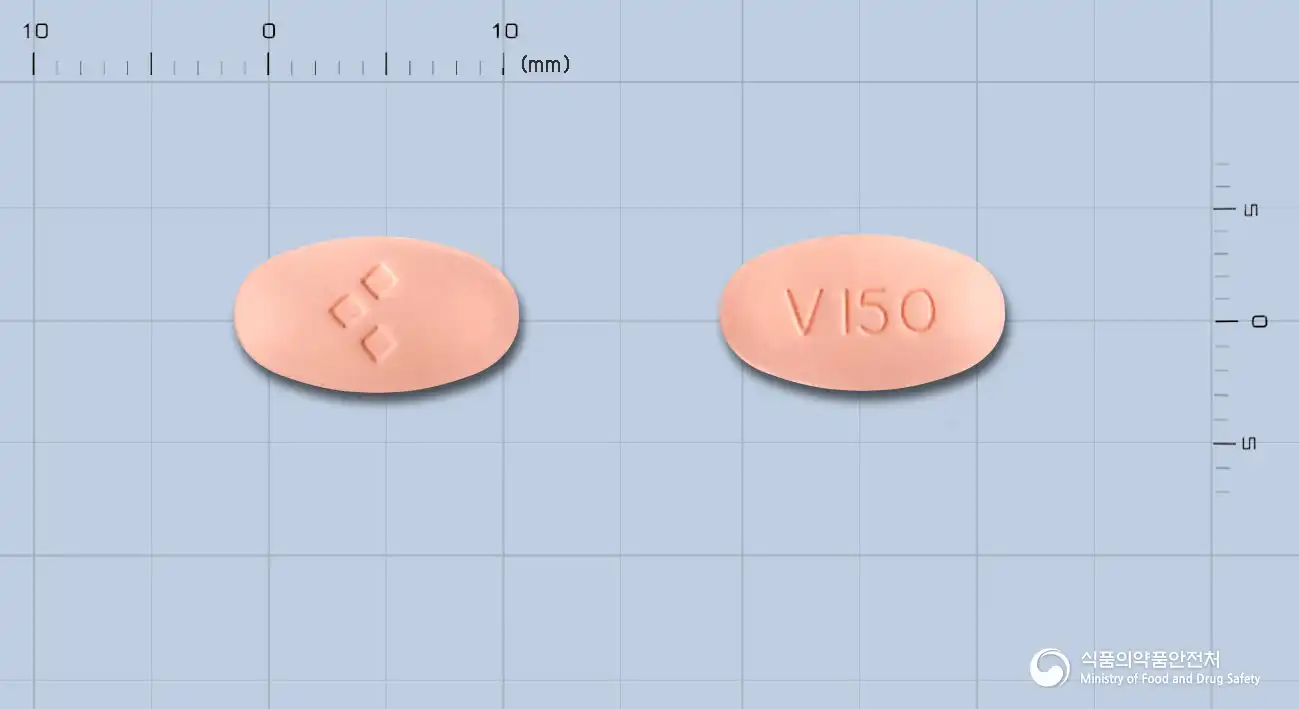
Irbesartan 150mg · Hydrochlorothiazide 12.5mg
Tablet · Prescription medication · Combination
Dongwha Pharmaceutical Co., Ltd.
 Combination
Irbesartan 150mg · Hydrochlorothiazide 12.5mg
Tablet · Prescription medication · Combination
Myungin Pharmaceutical Co., Ltd.
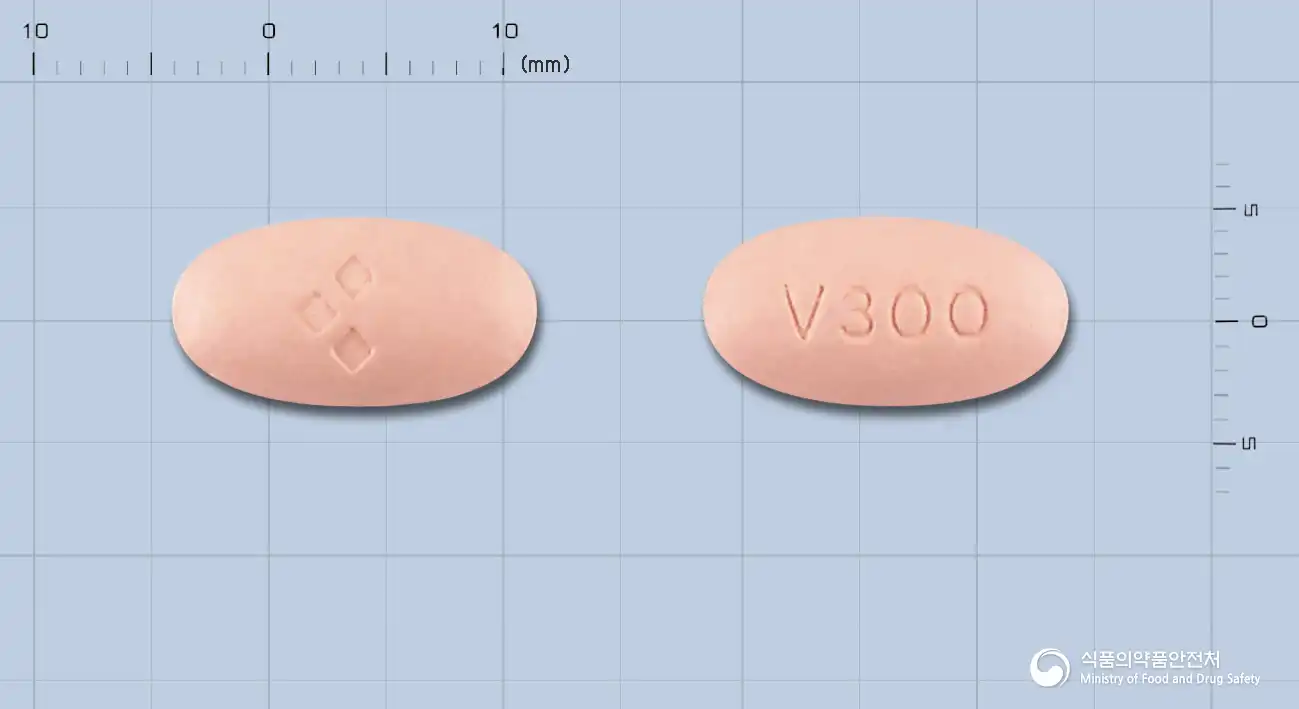 Combination
Irbesartan 300mg · Hydrochlorothiazide 12.5mg
Tablet · Prescription medication · Combination
Myungin Pharmaceutical Co., Ltd.
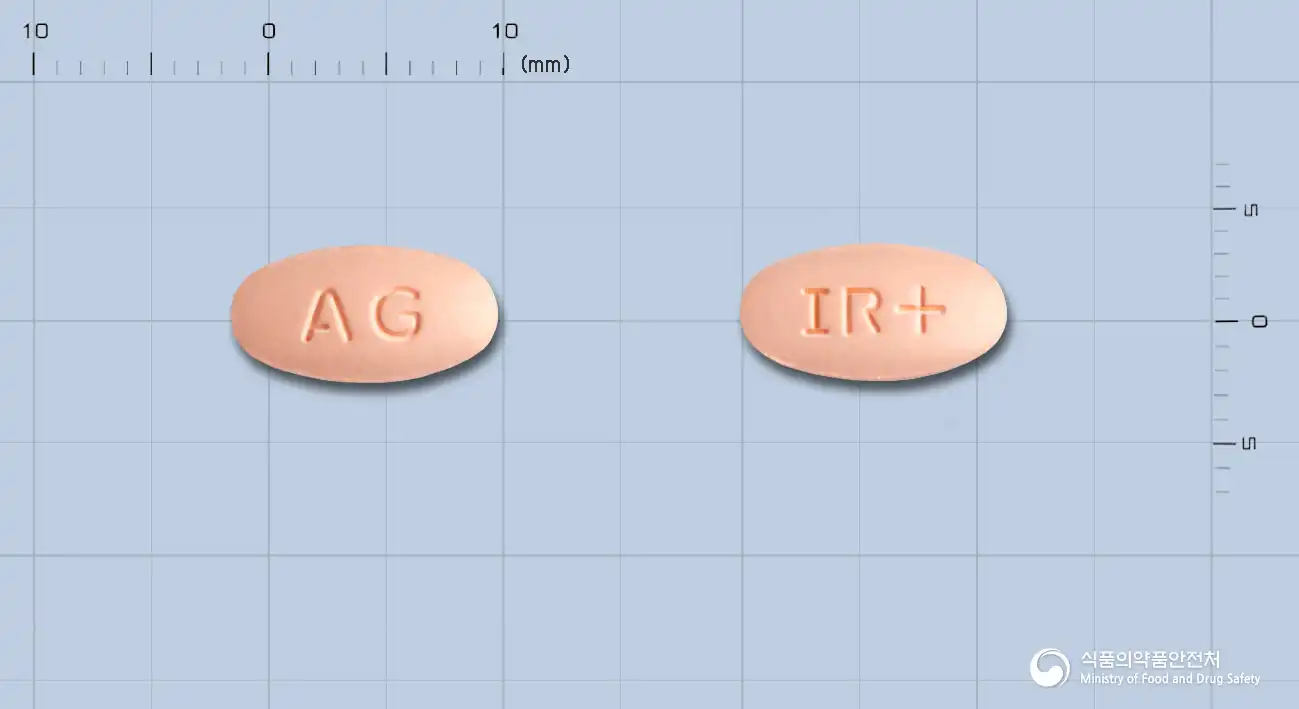 Combination
Irbesartan 150mg · Hydrochlorothiazide 12.5mg
Tablet · Prescription medication · Combination
Ahn-Guk Pharmaceutical Co., Ltd.
Even with the same ingredient, the dose and directions can differ by strength and dosage form. Talk to a doctor or pharmacist before switching from a medication you are already taking.
No questions yet.
For anything that needs medical judgment, consult a doctor or pharmacist.
This drug information is based on data provided by the Korea Ministry of Food and Drug Safety.
Consult a doctor or pharmacist for accurate dosage, administration, and usage instructions.