
 한국어
한국어 English
 日本語
日本語 中文(简体)
 Viewing nowCombination
Sultacillin Tablets 500mg (Amoxicillin/Clavulanate)
Amoxicillin Hydrate 250mg · Sulbactam Pivoxil 250mg
Tablet · Prescription medication · Combination
Nexpham Korea Co., Ltd.
MFDS item code 200710705 · Notified 2007.09.20 · Insurance code 662501140
Treatment of upper and lower respiratory infections, urinary tract infections, and skin infections
This medication is effective against various bacteria including Staphylococcus aureus, Staphylococcus epidermidis, and Streptococcus pneumoniae, and is used to treat upper respiratory infections (otitis media, sinusitis, tonsillitis, etc.), lower respiratory infections (bronchitis, pneumonia), urinary tract infections, skin and wound infections, gynecological infections, and abdominal infections.
Adults and children over 12 years old: 1 dose of amoxicillin and clavulanate potassium 500-1000mg (potency), orally administered 3 times a day.
This drug should not be used in patients with hypersensitivity to penicillin antibiotics or cephalosporin drugs. Precautions are required as there is a high risk of rash in patients with concurrent viral infections such as infectious mononucleosis. Caution should be exercised in patients with gastrointestinal diseases or a history of allergies, and those with allergic conditions such as bronchial asthma. Patients with severely impaired kidney function may require dose adjustments due to the increased drug concentration. Patients who have difficulty swallowing, the elderly, and those in poor general condition should be closely monitored as they may develop a tendency to bleed. Gastrointestinal side effects may include nausea, vomiting, diarrhea, and abdominal pain; severe cases may lead to pseudomembranous colitis, requiring immediate discontinuation upon symptom onset. Allergic reactions may include urticaria, serum sickness-like symptoms, and rarely anaphylactic shock, thus careful monitoring of allergic symptoms is essential. Rare cases of kidney abnormalities have been reported, and renal status should be checked through blood and urine tests; if abnormalities occur, drug discontinuation is necessary. Hematological abnormalities such as anemia and thrombocytopenia may arise, requiring regular blood tests. Long-term use may lead to fungal infections due to dysbiosis, necessitating appropriate action upon symptom presentation. Skin rashes and severe skin reactions have also been reported, hence skin condition should be closely monitored. Liver function abnormalities and jaundice symptoms may occur, requiring regular liver function tests. Rare neurological side effects such as seizures or headaches may arise, and if aseptic meningitis symptoms occur, drug discontinuation must be immediate. A tendency to bleed due to vitamin K deficiency may develop, necessitating careful attention to bleeding symptoms. This drug may interact with other medications, so any concurrent medications must be discussed with healthcare professionals. During pregnancy, the risk to the fetus is low, but it should only be used when necessary, and caution is advised during breastfeeding as it may affect the baby. In children and the elderly, caution in adjusting doses and frequency is required due to immature or diminished kidney function. Overdose may lead to neurotoxicity or renal failure, requiring immediate treatment. This drug can cause severe allergic reactions, hence it should be avoided in individuals with a previous allergy to penicillin medications. To prevent the emergence of antibiotic-resistant bacteria, this medication should only be administered for the required duration, and any abnormal symptoms during treatment should be promptly reported to medical personnel.
Urticaria, severe swelling (edema), chest tightness, difficulty breathing, cold sweat, pallor, severe allergic reaction, high fever with severe rash, blistering, exfoliation of skin, oral/ocular mucosal pain, severe skin adverse reactions, shortness of breath or difficulty breathing, asthma attack, respiratory abnormalities with cough and fever, yellowing of skin or eyes (jaundice), extreme lethargy, liver abnormalities (jaundice), sudden and severe symptoms
Not everyone experiences these, and they can vary from person to person.
This medication should be stored in a tightly sealed container to prevent exposure to air. It is advisable to maintain storage temperatures between 1 and 30 degrees Celsius at room temperature to preserve the medication's efficacy.
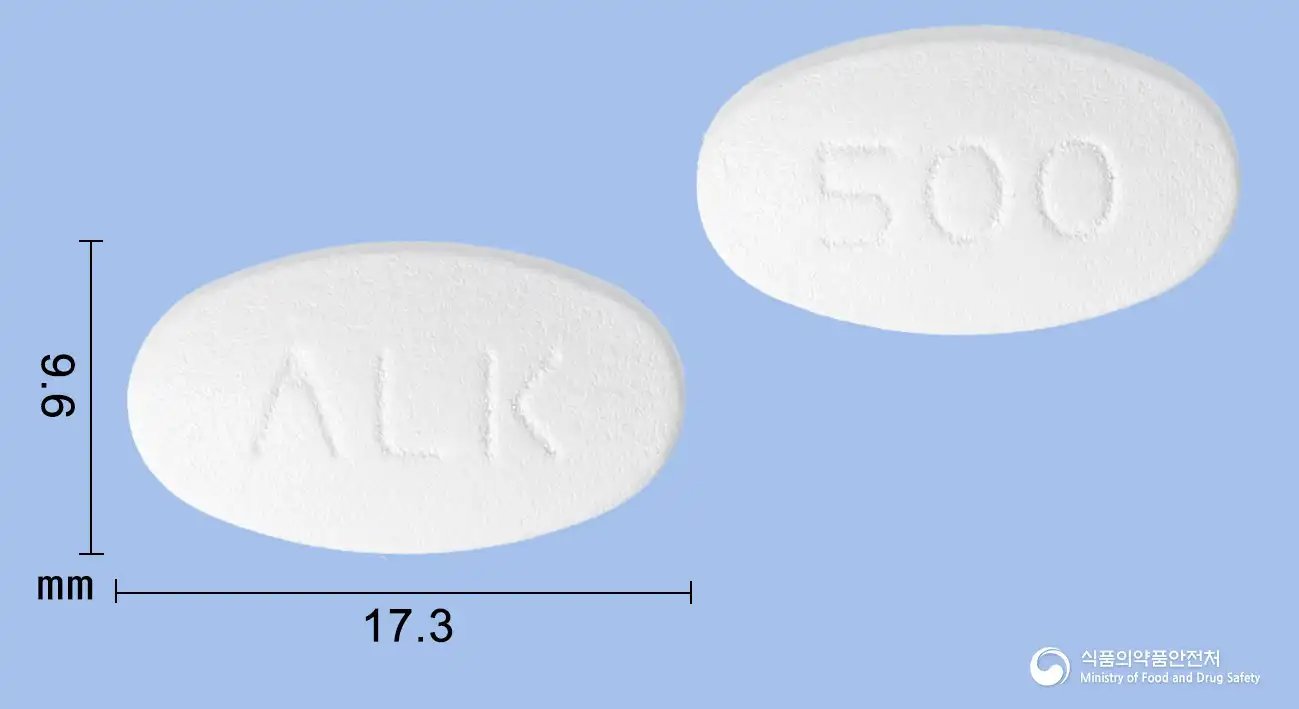
White oval film-coated tablets
30 tablets/bottle, 300 tablets/bottle
Even with the same ingredient, strength, dosage form and how it is taken can differ.
Viewing nowCombinationAmoxicillin Hydrate 250mg · Sulbactam Pivoxil 250mg
Tablet · Prescription medication · Combination
Nexpham Korea Co., Ltd.
 Combination
Amoxicillin Hydrate 250mg · Sulbactam Pivoxil 250mg
Tablet · Prescription medication · Combination
Albogenz Korea Co., Ltd.
Amoxicillin Hydrate · Sulbactam Pivoxil
Prescription medication · Combination
Nexpam Korea Co., Ltd.
Amoxicillin Hydrate · Sulbactam Pivoxil
Prescription medication · Combination
Boryung Pharmaceutical Co., Ltd.
Amoxicillin Hydrate · Sulbactam Pivoxil
Prescription medication · Combination
Daehan Pharmaceutical Co., Ltd.
Amoxicillin Hydrate · Sulbactam Pivoxil
Prescription medication · Combination
Daewoong Bio Co., Ltd.
Amoxicillin Hydrate · Sulbactam Pivoxil
Prescription medication · Combination
Korea Union Pharmaceutical Co., Ltd.
Amoxicillin · Sulbactam Pivoxil
Prescription medication · Combination
Kujoo Pharmaceutical Co., Ltd.
Even with the same ingredient, the dose and directions can differ by strength and dosage form. Talk to a doctor or pharmacist before switching from a medication you are already taking.
No questions yet.
For anything that needs medical judgment, consult a doctor or pharmacist.
This drug information is based on data provided by the Korea Ministry of Food and Drug Safety.
Consult a doctor or pharmacist for accurate dosage, administration, and usage instructions.