한국어
 English
 日本語
 中文(简体)
 Viewing now
Premarin Tablets 0.625mg (Conjugated Estrogens)
Conjugated Estrogens 0.625mg
Tablet · Prescription medication
Darim Biotech Co., Ltd.
MFDS item code 200710608 · Notified 2007.09.18 · Insurance code 664601070
Relief of hormonal and bone disorders and cancer (breast and prostate cancer); prevention and treatment of bleeding
This medication is used for hypoestrogenism due to hypogonadism, oophorectomy, and ovarian insufficiency, and may help in the improvement of atrophic vaginitis and vulvar atrophy. It is also effective for the treatment of menopausal symptoms and management of dysfunctional uterine bleeding. It is utilized not only in the prevention and treatment of osteoporosis but also in alleviating symptoms of postmenopausal breast cancer and inoperable progressive prostate cancer. The injectable form is used for the treatment of dysfunctional uterine bleeding and prevention and treatment of bleeding during or after surgery. Overall, it plays an important role in the improvement and treatment of various hormone-related conditions.
Hypogonadism: The usual adult dose of conjugated estrogens is 0.3 ~ 0.625mg daily for 3 weeks, followed by a 1-week medication-free period. Adjust the dose for each patient to achieve an optimal response according to symptom severity and endometrial response. Oophorectomy and ovarian insufficiency: The dose of this medicine is 1.25mg daily for 3 weeks, followed by a 1-week medication-free period. Increase or decrease the dose according to symptom severity and patient response. Use the minimum effective dose for maintenance. Atrophic vaginitis, vulvar atrophy, menopausal symptoms: The usual adult dose of this medicine is 0.3-1.25mg daily, starting on day 5 of the menstrual cycle, either cyclically (3 weeks of treatment followed by a 1-week medication-free period) or continuously. Repeat until symptoms improve. Dysfunctional uterine bleeding: The usual adult dose of this medicine is 0.625-3.75mg daily in divided doses until bleeding stops, followed by the same dose for 20 days. Osteoporosis: The usual adult dose of this medicine is 0.625-1.25mg daily, starting on day 5 of the menstrual cycle, either cyclically (3 weeks of treatment followed by a 1-week medication-free period) or continuously. Repeat until symptoms improve. Postmenopausal breast cancer (for palliation): The usual adult dose of this medicine is 10mg per dose, 3 times daily, for at least 3 months. Inoperable advanced prostate cancer (for palliation): The usual adult dose of this medicine is 1.25-2.5mg per dose, 3 times daily. Adults: Inject 20-25mg of conjugated estrogens slowly by intravenous or intramuscular injection. Intravenous administration is more useful because a faster response can be expected. Repeat after 6-12 hours if necessary. Other appropriate treatment methods may be available in addition to use of this medicine. The usual precautions for intravenous injection are required; inject slowly to prevent flushing. Concomitant infusion of this medicine with other drugs is generally not recommended. In an emergency, if an infusion has already been started, injection into the end of the infusion tubing is appropriate. However, take solution compatibility into consideration.
Children: Inject 5-10mg of this medicine per dose.
This drug is used for estrogen replacement therapy or hormone replacement therapy and may increase the risk of certain cancers or cardiovascular diseases. Caution is required as using estrogen alone in women with a uterus may increase the risk of endometrial cancer. This medication should not be initiated or continued for cardiovascular disease or dementia prevention. It should be used at the minimal effective dose for the shortest duration possible, and regular re-evaluation is necessary. Patients with risk factors for thrombotic diseases should be closely monitored, especially since the risk of thrombotic diseases such as stroke, deep vein thrombosis, pulmonary embolism, and myocardial infarction may increase. The use of this drug may increase the risk of developing malignancies such as endometrial cancer, breast cancer, and ovarian cancer, and any unusual symptoms should prompt immediate consultation with a healthcare professional. It must not be used during pregnancy, and women of childbearing potential should practice contraception. In elderly patients over 65 years of age, there may be an increased risk of dementia, so cautious administration is necessary. Patients with liver dysfunction, heart diseases, a history of thrombosis, abnormal uterine bleeding, and a history of breast cancer should not use this medication or should use it with caution. This drug may interact with other medications, so patients should inform their healthcare providers of any other medications they are taking. During administration, regular monitoring of blood pressure, breast examinations, and endometrial examinations, along with monitoring for adverse reactions, is required. In case of overdose, symptoms such as nausea, vomiting, dizziness, and breast tenderness may occur, and symptomatic treatment may be necessary. Keep out of the reach of children and store in its original container to prevent deterioration of quality.
Destructive hemorrhage, drip hemorrhage, abnormal small contractions bleeding, change in menstrual volume, menstrual irregularities, premenstrual syndrome, amenorrhea, increase in uterine fibroid size, vaginal candidiasis, vaginitis, cervical softening, change in cervical discharge, cystitis syndrome, endometrial cancer, endometrial hyperplasia, uterine cancer, hepatic hemangioma enlargement, abnormal uterine bleeding, vaginal discharge, pelvic pain, breast pain, breast cancer, breast fullness, tenderness, enlargement, gynecomastia, discharge, fibrocystic breast disease changes, nausea, vomiting, abdominal cramps, abdominal bloating, cholestatic jaundice, pancreatitis, abdominal pain, gallbladder disease, ischemic colitis, liver spots, hyperpigmentation, polymorphic light eruption, nodular erythema, hemorrhagic rash, hair loss, hirsutism, male-pattern hirsutism, itching, rash, corneal steepening, contact lens sensitivity abnormalities, retinal vascular thrombosis, headache, migraine, dizziness, depression, chorea, fatigue, anxiety, nervousness, cerebrovascular disease, stroke, exacerbation of epilepsy, increased triglycerides, elevated arterial blood pressure, superficial thrombophlebitis, pulmonary embolism, cerebral thrombosis, venous thromboembolism, myocardial infarction, liver function impairment (elevated AST, ALT), weight gain or loss, exacerbation of porphyria, edema, change in libido, leg cramps, reduced glucose tolerance, increased blood glucose levels, arthralgia, mood disorders, hypersensitivity, hypocalcemia, exacerbation of asthma, anaphylactic reaction, hives, angioedema, ovarian cancer, increased growth of benign meningioma, nausea, vomiting, breast tenderness, dizziness, abdominal pain, drowsiness, fatigue, small contractions hemorrhage
Not everyone experiences these, and they can vary from person to person.
This medication should be stored in a tightly closed container to prevent air exposure and kept at a temperature between 1 and 30 degrees Celsius. Proper storage will help maintain the drug's efficacy.
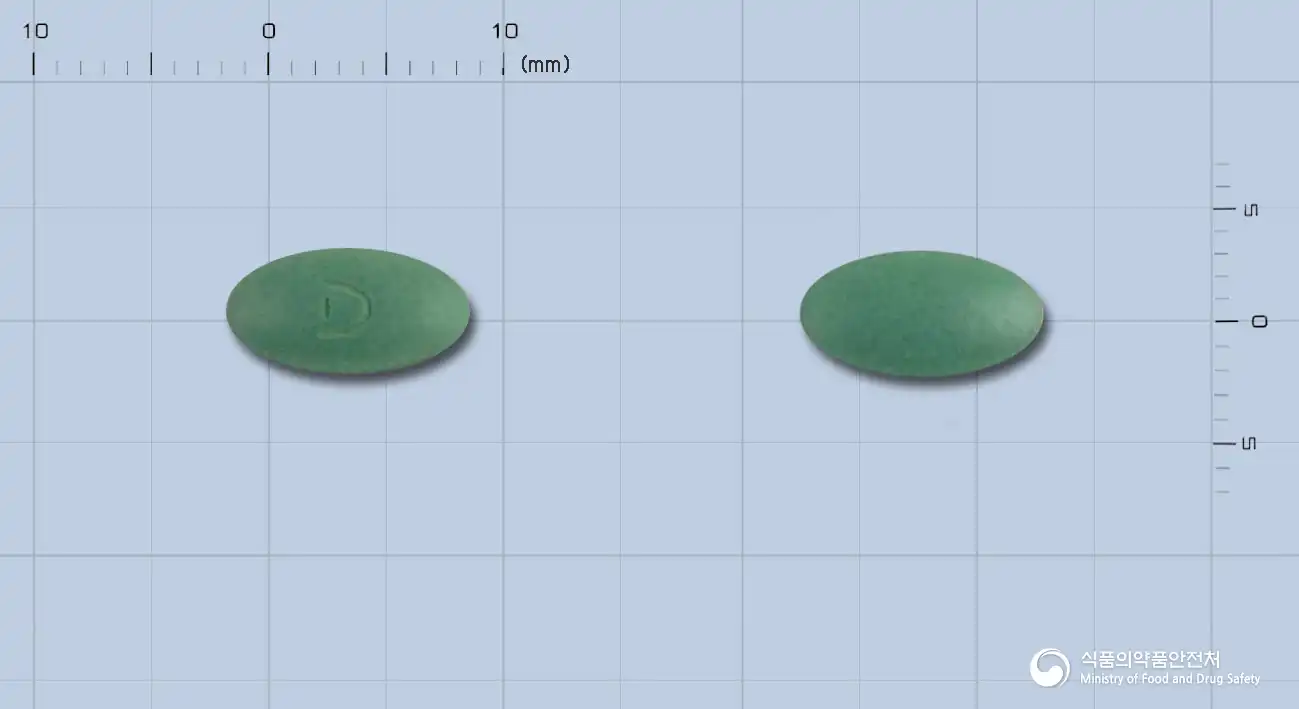
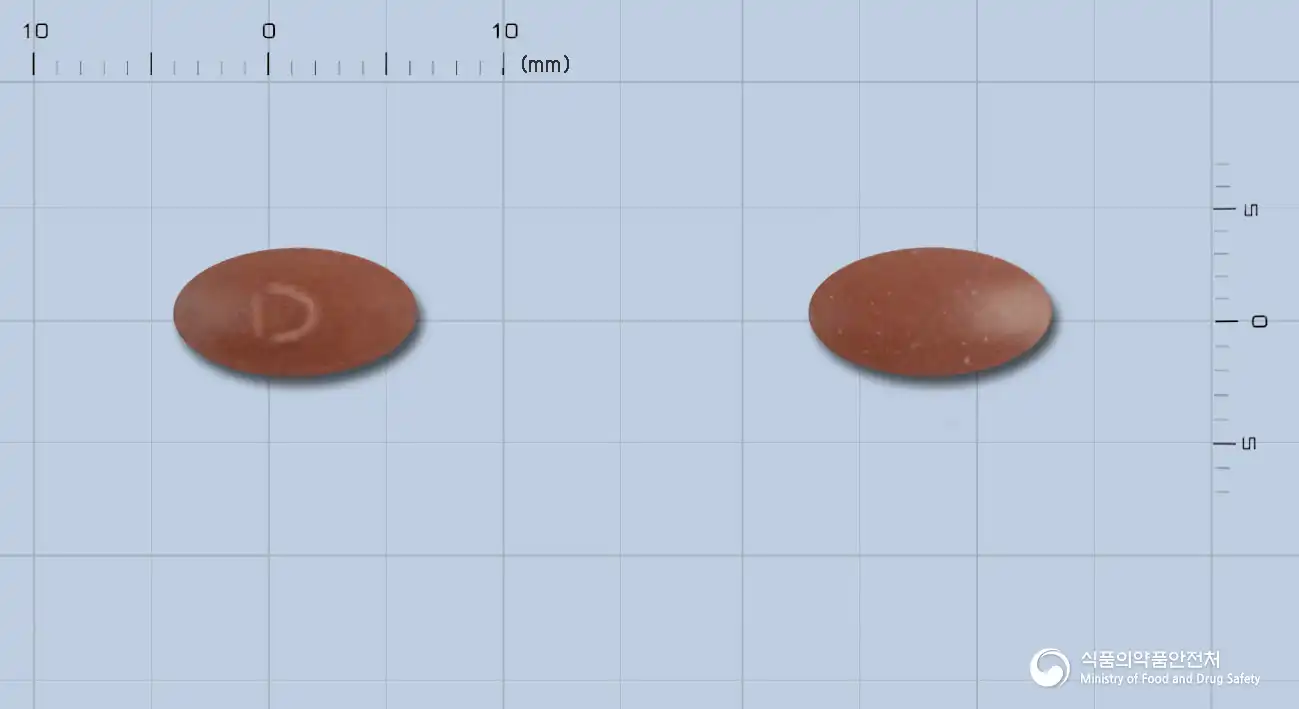
Purple oval film-coated tablet
For domestic use: 30 tablets (30 tablets/PTPX1), for export: 21 tablets (21 tablets/PTPX1), 30 tablets (30 tablets/PTPX1)
Even with the same ingredient, strength, dosage form and how it is taken can differ.
Even with the same ingredient, the dose and directions can differ by strength and dosage form. Talk to a doctor or pharmacist before switching from a medication you are already taking.
No questions yet.
For anything that needs medical judgment, consult a doctor or pharmacist.
This drug information is based on data provided by the Korea Ministry of Food and Drug Safety.
Consult a doctor or pharmacist for accurate dosage, administration, and usage instructions.