한국어
 English
 日本語
 中文(简体)
 Viewing now
Lexifin Tablet (Doxofylline)
Doxofylline 400mg
Tablet · Prescription medication
Daehwa Pharmaceutical Co., Ltd.
MFDS item code 200710105 · Approved 2007.09.04 · Insurance code 645600830
Treatment of bronchial asthma and chronic obstructive bronchitis
This medication is used for respiratory diseases such as bronchial asthma and chronic obstructive pulmonary disease.
Adults: Administer 400 mg of doxofylline orally 2 ~ 3 times daily.
This medication should not be administered to certain patients. Individuals with an allergy to this medication, its components, or other xanthine derivatives should not take it. Patients with acute myocardial infarction, those with low blood pressure, and women who are breastfeeding should also avoid using this medication. Various side effects may occur when taking this medication, such as nausea, vomiting, abdominal pain, headache, insomnia, and irregular heartbeats, so caution is advised. In case of overdose, serious arrhythmias or seizures may occur, so the dosage must be strictly adhered to. Patients with liver, heart, lung, or kidney diseases or infections, as well as those taking certain antibiotics or other medications may experience altered drug metabolism, necessitating dosage adjustment and blood concentration monitoring. Patients with a history of hypertension, heart disease, hyperthyroidism, and those who are elderly should use this medication with particular caution; especially the elderly may require a reduced dosage. This medication may increase toxicity if taken simultaneously with caffeinated beverages or foods, sympathomimetics like ephedrine, and should not be co-administered with these substances. Pregnant women should only take this medication if the therapeutic benefit outweighs the potential risk, as its safety has not been sufficiently established; it is advisable for breastfeeding women not to take this medication. Children, particularly infants, may be more sensitive to this medication and should be used with caution. In the event of an overdose, complications related to the heart or seizures may occur, and immediate consultation with healthcare professionals is necessary; as there is no specific antidote, treatment should be symptomatic. This medication should be kept out of the reach of children, and transferring it to other containers may lead to quality degradation or accidents, so caution is advised. This medication does not pose a risk of tolerance or addiction, and it does not affect driving or operating machinery.
Not everyone experiences these, and they can vary from person to person.
This medication may be sensitive to air or moisture; therefore, it should be stored in a tightly closed container. It is important to maintain storage temperatures between 1 degree and 30 degrees Celsius to ensure the medication's effectiveness is preserved safely for a long time.
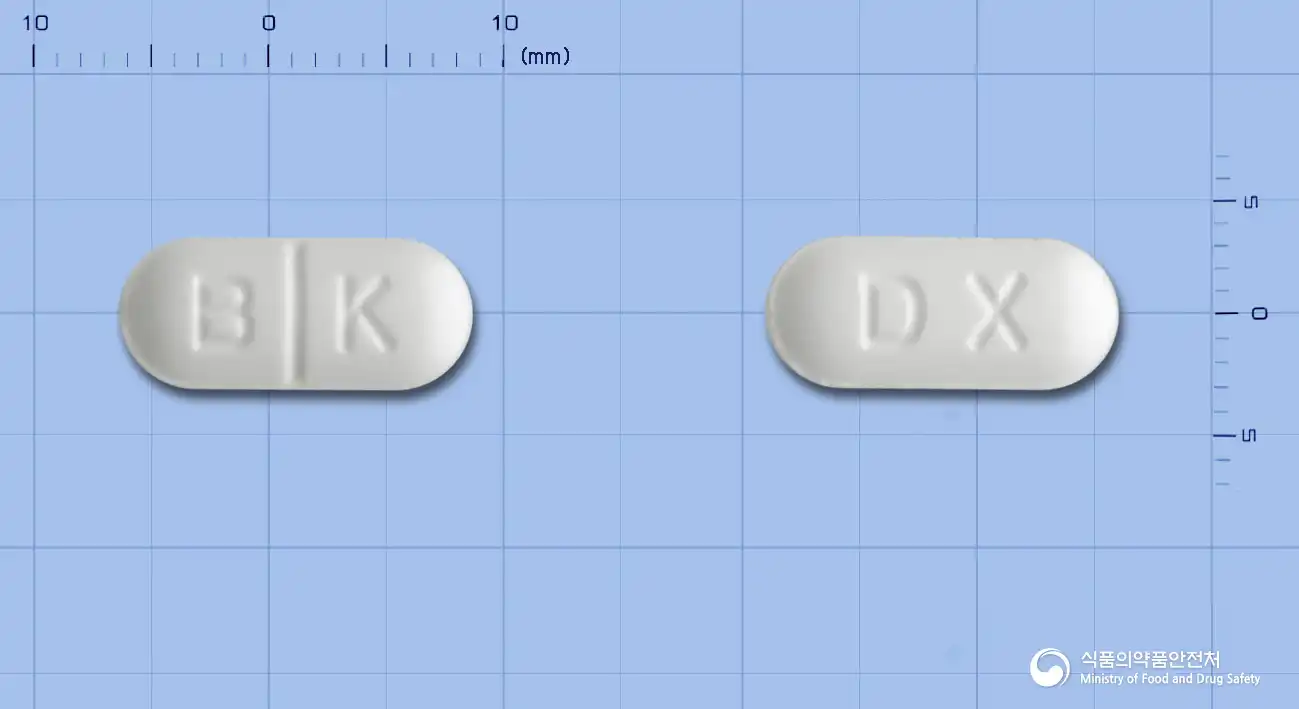
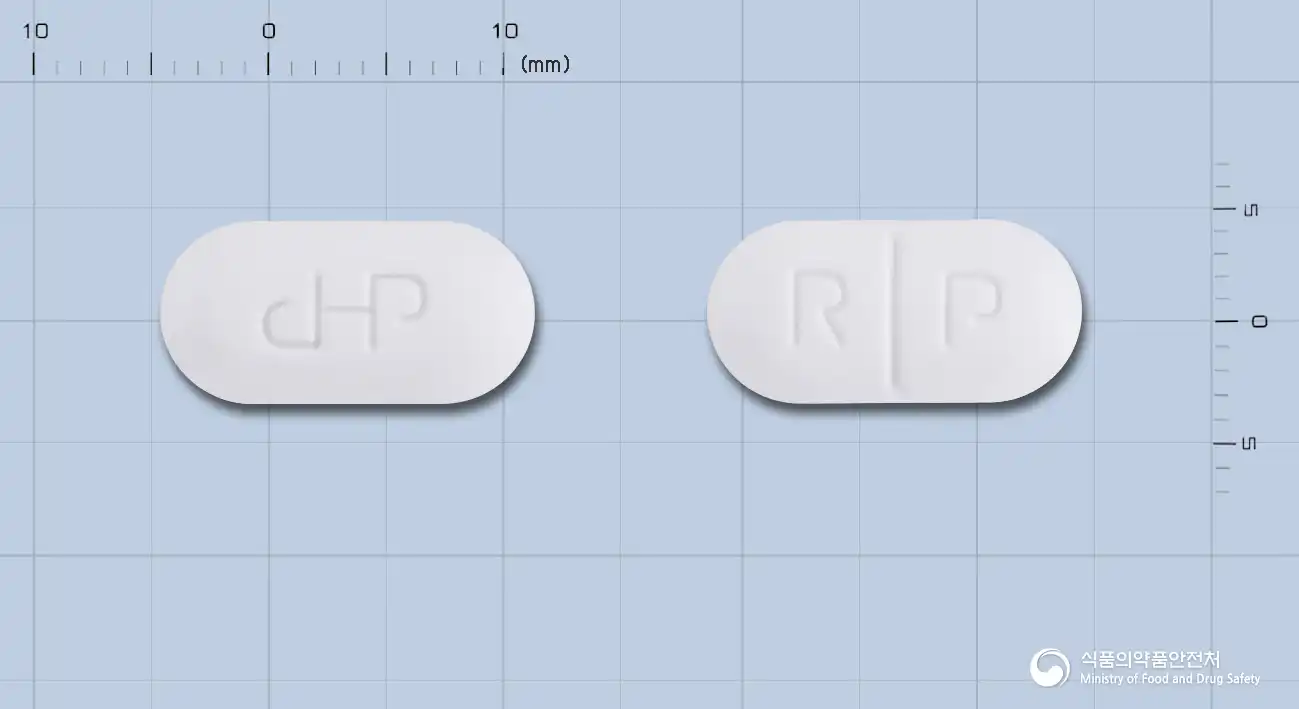
White rectangular tablets
30 tablets/bottle, 300 tablets/bottle, 100 tablets (10 tablets/PTP x 10)
Even with the same ingredient, strength, dosage form and how it is taken can differ.
Even with the same ingredient, the dose and directions can differ by strength and dosage form. Talk to a doctor or pharmacist before switching from a medication you are already taking.
No questions yet.
For anything that needs medical judgment, consult a doctor or pharmacist.
This drug information is based on data provided by the Korea Ministry of Food and Drug Safety.
Consult a doctor or pharmacist for accurate dosage, administration, and usage instructions.