
 한국어
 English
 日本語
 中文(简体)
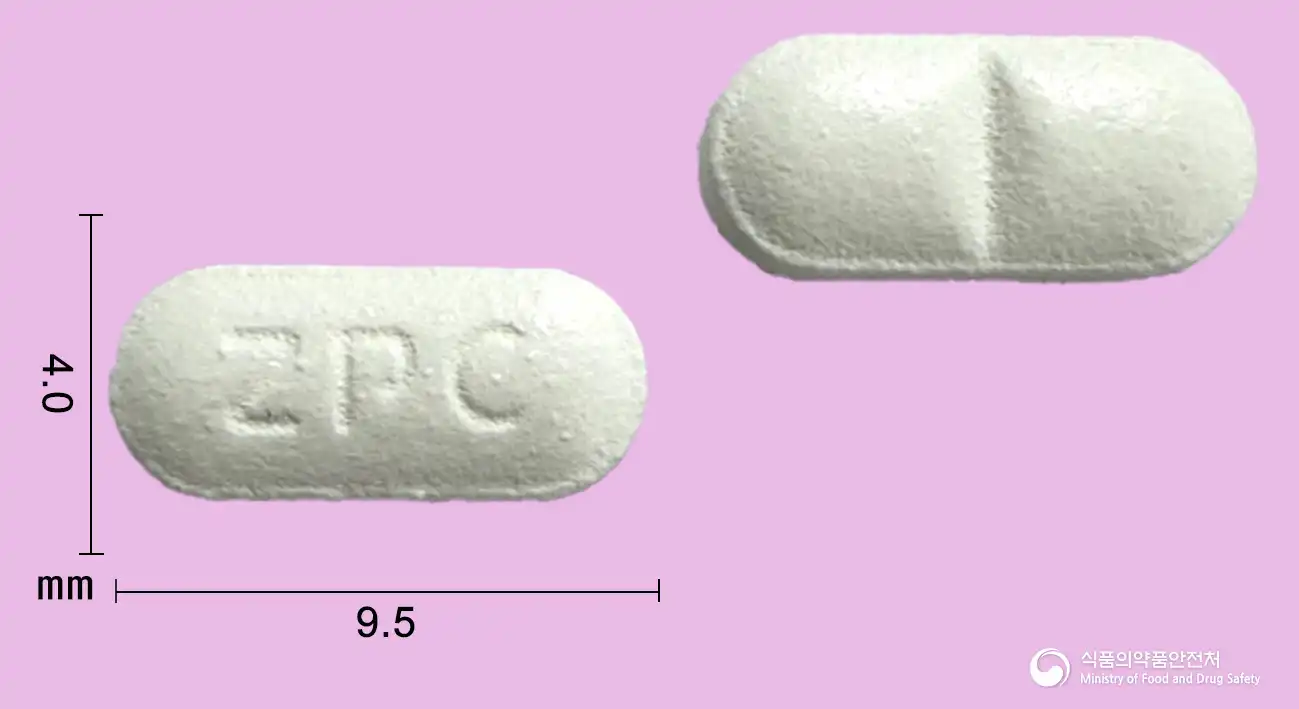 Viewing now
Zolpidem Tartrate Tablet 10mg (Zolpidem Tartrate)
Zolpidem Tartrate 10mg
Tablet · Prescription medication
Myungin Pharmaceutical Co., Ltd.
MFDS item code 200710013 · Approved 2007.08.30 · Insurance code 651901790
Short-term treatment of insomnia in adults
This medication is used to treat insomnia in adults for a short duration.
Because this medicine has a rapid onset of action, take it orally immediately before going to bed. The recommended daily dose for adults is 10mg. Use the lowest effective dose, and do not exceed the recommended dose of 10mg. Because elderly or debilitated patients may be sensitive to the effects of this medicine, the recommended dose is 5mg, and the dose should not exceed 10mg per day. As metabolism and excretion of this medicine may be reduced in patients with hepatic impairment, start at a dose of 5mg, with particular caution, as in elderly patients. For adults under 65 years of age, the dose may be increased to 10mg if adherence is good but the clinical response is inadequate. Since taking this medicine may impair driving or other activities requiring full alertness the following day, take it once immediately before bedtime and allow an interval of at least 7-8 hours between taking the medicine and waking up. The duration of treatment usually ranges from a few days to 2 weeks, and may be up to 4 weeks at most; when clinically appropriate, gradually reduce the dose. As with other sleeping medications, long-term use is not recommended. The duration of treatment should be as short as possible and should not exceed 4 weeks. The risk of abuse and dependence increases with the duration of treatment; do not administer beyond the maximum treatment period without reassessing the patient's condition.
Do not administer this medicine to children.
This medication may cause complex behaviors while not fully conscious, such as walking or driving during sleep, particularly when taken for the first time or after a break. There is a risk of serious injury to oneself or others during such behaviors, and it can sometimes be fatal. It is also advisable to be cautious when taking this medication with alcohol or other central nervous system depressants, as these behaviors may occur more frequently. If insomnia does not improve after treatment for 7 to 10 days, a physician's evaluation is necessary as there may be other physical or mental disorders. It is important to start with the minimum dosage for the elderly, as the risk of adverse reactions increases with high doses. This medication may cause neurological and psychiatric side effects such as drowsiness, headaches, dizziness, memory impairment, hallucinations, and depression, and caution should be exercised while taking it. Particularly, patients with depression may experience increased suicidal impulses, and regular monitoring is needed. Activities requiring concentration, such as driving or operating machinery, should be avoided for at least 7 to 8 hours after taking this medication, and combining it with alcohol can enhance the central nervous system depressant effects, making it dangerous. When used in combination with opioids, there is a risk of severe sedation, respiratory depression, coma, or death, so use should be avoided or done with extreme caution. This medication should not be used in patients with severe liver dysfunction, and dose adjustments and close monitoring are necessary for patients with weak liver or kidney function. It is advisable to avoid using this medication, especially during the first three months of pregnancy and late pregnancy, and breastfeeding women should also refrain from taking it. There is insufficient safety and efficacy established for use in children under 18 years old, so this medication should not be administered to them. Prolonged use can lead to drug dependence, tolerance, withdrawal symptoms, and rebound insomnia, so long-term use should be avoided, and the dosage should be gradually reduced as directed by a physician. In case of overdose, serious symptoms such as decreased consciousness and respiratory depression may occur, necessitating immediate medical attention. This medication should be kept out of reach of children and stored securely in its original container.
Not everyone experiences these, and they can vary from person to person.
This medication should be stored in a tightly closed container to protect it from air and moisture, and it is safe to store it at room temperature between 1 to 30 degrees Celsius. Storing it this way will help maintain the medication's effectiveness for a longer period.
White oblong film-coated tablet
28 tablets/bottle, 200 tablets/bottle
Even with the same ingredient, strength, dosage form and how it is taken can differ.
Viewing nowZolpidem Tartrate 10mg
Tablet · Prescription medication
Myungin Pharmaceutical Co., Ltd.
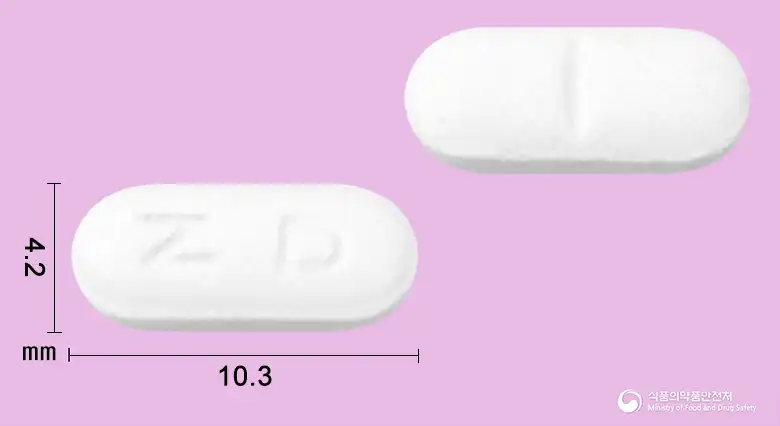
Zolpidem Tartrate 10mg
Tablet · Prescription medication
Hanmi Pharmaceutical Co., Ltd.
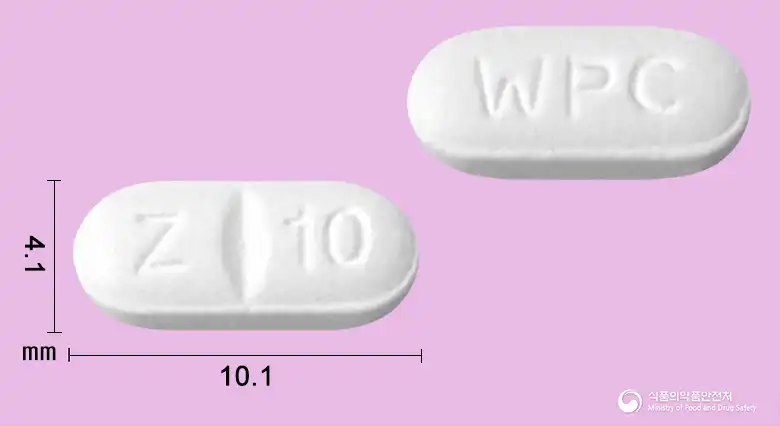
Zolpidem Tartrate 10mg
Tablet · Prescription medication
Han In Pharmaceutical Co., Ltd.
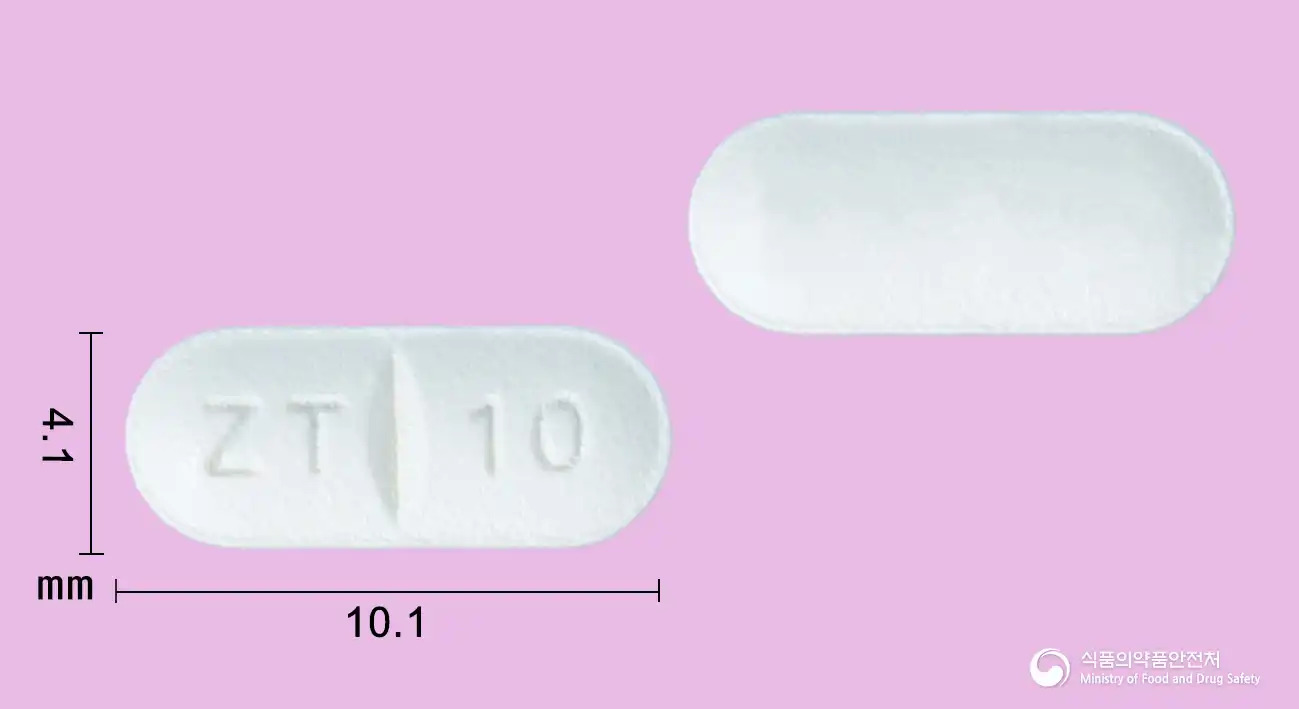
Zolpidem Tartrate 10mg
Tablet · Prescription medication
(Co., Ltd.) Korean Pharma
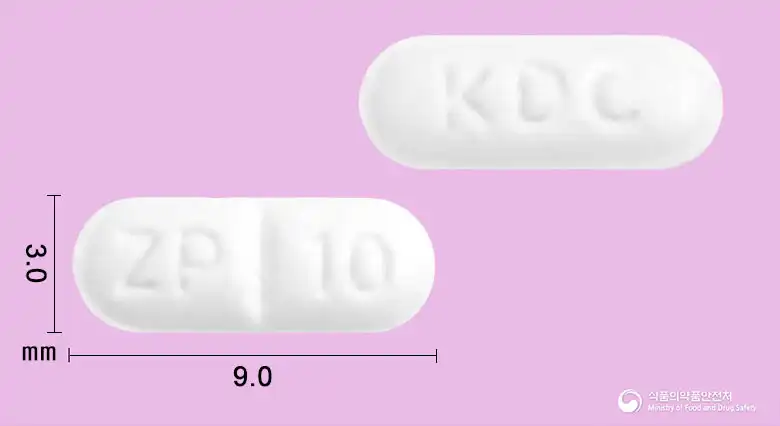
Zolpidem Tartrate 10mg
Tablet · Prescription medication
Korea Pharmaceutical Co., Ltd.
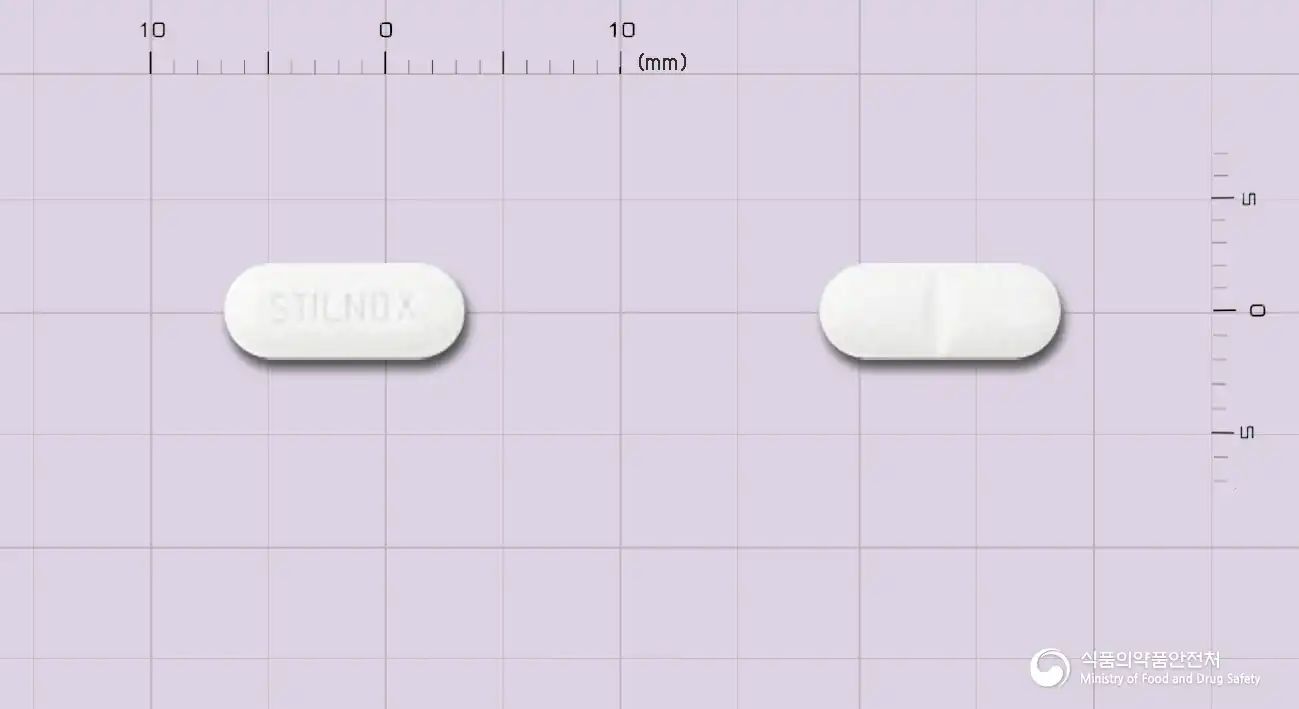
Zolpidem Tartrate 10mg
Tablet · Prescription medication
Handok Co., Ltd.
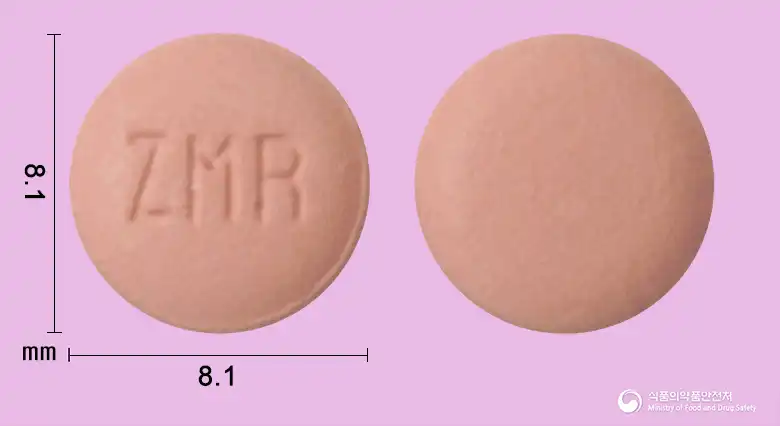
Zolpidem Tartrate 3.25mg
Tablet · Prescription medication
Handok Co., Ltd.
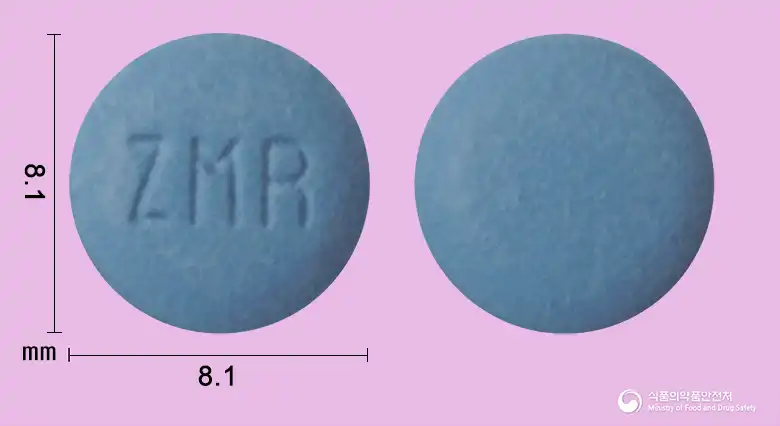
Zolpidem Tartrate 6.5mg
Tablet · Prescription medication
Handok Co., Ltd.
Even with the same ingredient, the dose and directions can differ by strength and dosage form. Talk to a doctor or pharmacist before switching from a medication you are already taking.
No questions yet.
For anything that needs medical judgment, consult a doctor or pharmacist.
This drug information is based on data provided by the Korea Ministry of Food and Drug Safety.
Consult a doctor or pharmacist for accurate dosage, administration, and usage instructions.