
 한국어
한국어 English
 日本語
日本語 中文(简体)
 Viewing now
Glipham Tablet 4 mg (Glimepiride)
Glimepiride 4mg
Tablet · Prescription medication
Ildong Pharmaceutical Co., Ltd.
MFDS item code 200709818 · Notified 2007.08.27 · Insurance code 642900030
Improvement in blood sugar control in type 2 diabetes
This medication is used in conjunction with diet and exercise to help control blood sugar levels in patients with type 2 diabetes. It can be administered alone and, if blood sugar control is insufficient, it may be used in combination with other antihyperglycemic agents such as insulin or metformin. It helps improve blood sugar control through various treatment methods.
Adjusted individually for each patient. Swallow without chewing with at least 1/2 cup of water. This medication is taken orally once a day. It should be taken before breakfast or just before the first meal. The initial dose for monotherapy starts at 1 mg once daily, gradually increased by 1 mg every 1-2 weeks. Generally, doses above 4 mg yield little additional effect, but some patients may require doses of 6 mg.
This medication should not be administered to patients with insulin-dependent diabetes, diabetic ketoacidosis, or in a state of coma. Patients allergic to this medication, its components, sulfonylureas, or sulfonamides should also refrain from use. For patients with severely impaired liver or kidney function, it is recommended to switch to insulin therapy instead of using this medication. Pregnant or potentially pregnant women and nursing mothers should not take this medication. Patients with severe infections, before and after surgery, or those who have suffered serious trauma may also require insulin therapy and should use this medication cautiously. In cases of diarrhea or vomiting that affect food absorption, there is a risk of hypoglycemia, so caution is needed. During the first week of treatment, there is a heightened risk of hypoglycemia, so blood sugar should be checked frequently. Older adults, patients with poor nutritional status or those who eat irregularly, individuals whose exercise levels do not match carbohydrate intake, and those who frequently consume alcohol are also at higher risk for hypoglycemia, so they should be careful. Patients with weak liver or kidney function, as well as those with other endocrine disorders, may also respond sensitively to this medication, so consultation with a specialist is advised. This medication can cause hypoglycemia, with symptoms including headache, severe hunger, vomiting, fatigue, anxiety, confusion, drowsiness, and in severe cases, loss of consciousness. If hypoglycemic symptoms appear, sugar should be consumed immediately, and if symptoms persist or worsen, medical staff should be informed. Additionally, blurred vision, gastrointestinal symptoms, liver dysfunction, blood dyscrasia, and allergic reactions may occur, so if any abnormal symptoms arise, consult a physician immediately. During the course of taking this medication, regular meals, exercise, and weight management are crucial, and it is important to always carry sugar to prepare for hypoglycemia and to be well-informed about hypoglycemic symptoms and treatment methods. When combined with other medications, blood sugar control may be affected, so it is essential to disclose any concurrent medications. Pregnant or nursing women should not take this medication, and if necessary, they should switch to insulin therapy. In cases of overdose, the risk of severe hypoglycemia may increase, so immediate medical attention is required, and careful monitoring should continue for at least 24-48 hours after treatment.
Not everyone experiences these, and they can vary from person to person.
Store this medication in a tightly sealed container to avoid exposure to air or moisture. It is best to keep it at room temperature between 1 and 30 degrees Celsius.
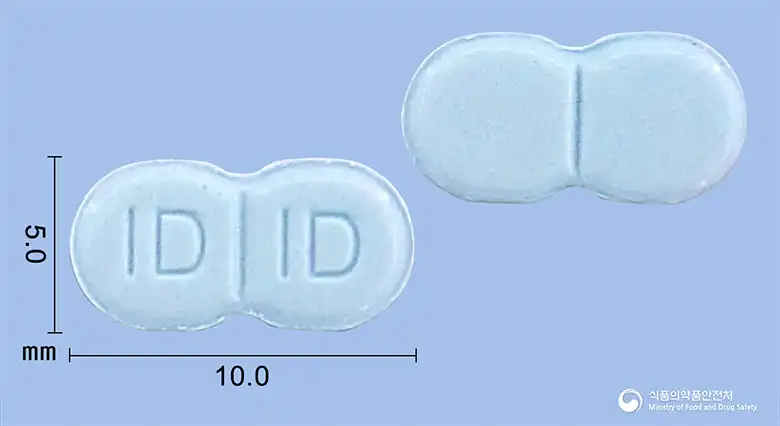
Pale blue rectangular tablet
30 tablets, 100 tablets/bottle
Even with the same ingredient, strength, dosage form and how it is taken can differ.
Viewing nowGlimepiride 4mg
Tablet · Prescription medication
Ildong Pharmaceutical Co., Ltd.
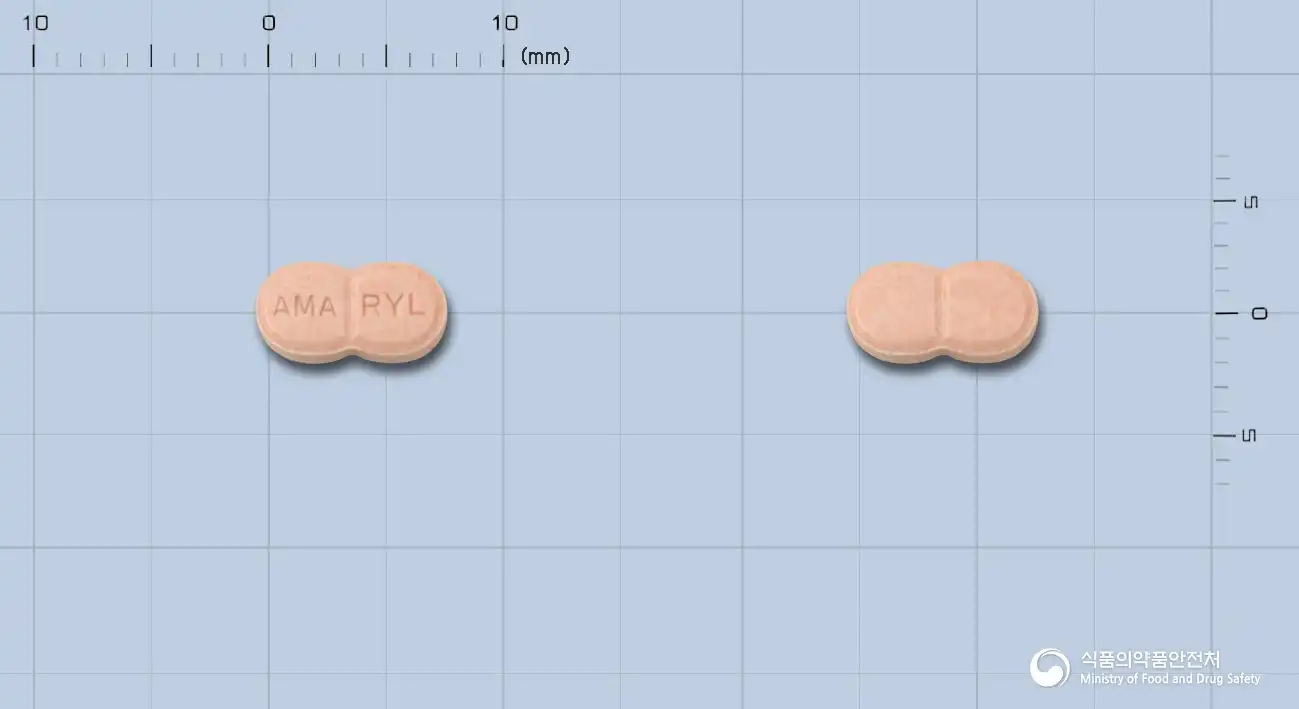
Glimepiride 1mg
Tablet · Prescription medication
Handok Co., Ltd.
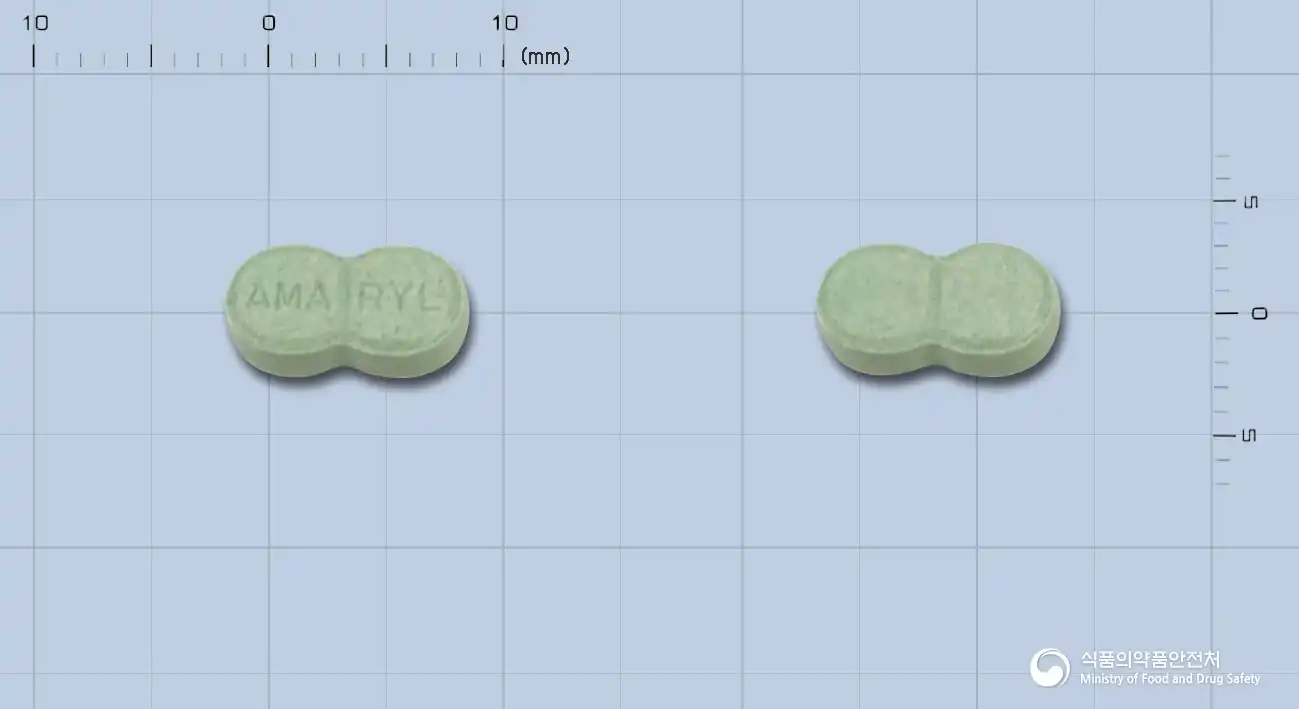
Glimepiride 2mg
Tablet · Prescription medication
Handok Co., Ltd.
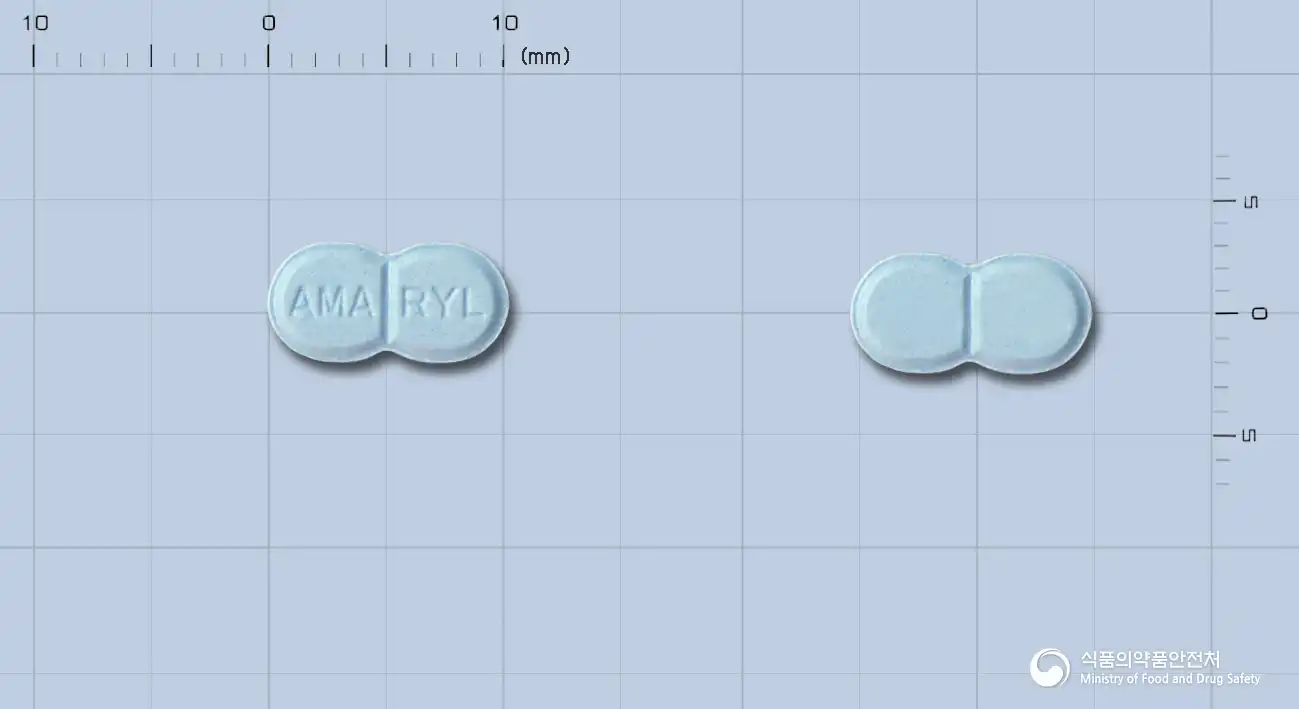
Glimepiride 4mg
Tablet · Prescription medication
(Hanmi Pharmaceutical Co., Ltd.)
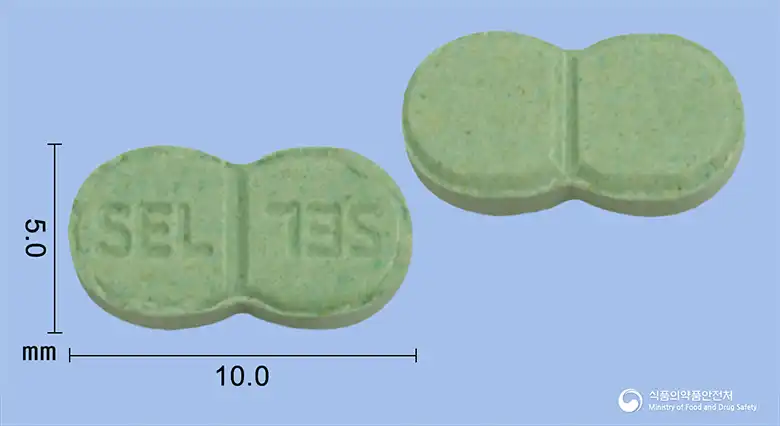
Glimepiride 2mg
Tablet · Prescription medication
Seoul Pharmaceutical Co., Ltd.
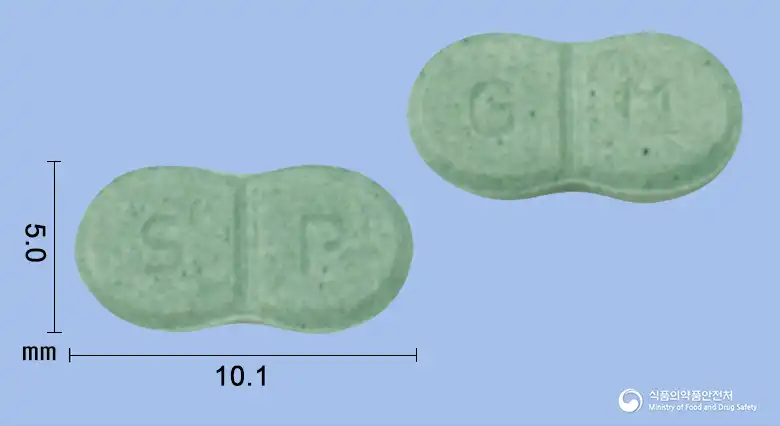
Glimepiride 2mg
Tablet · Prescription medication
Shinpoong Pharmaceutical Co., Ltd.
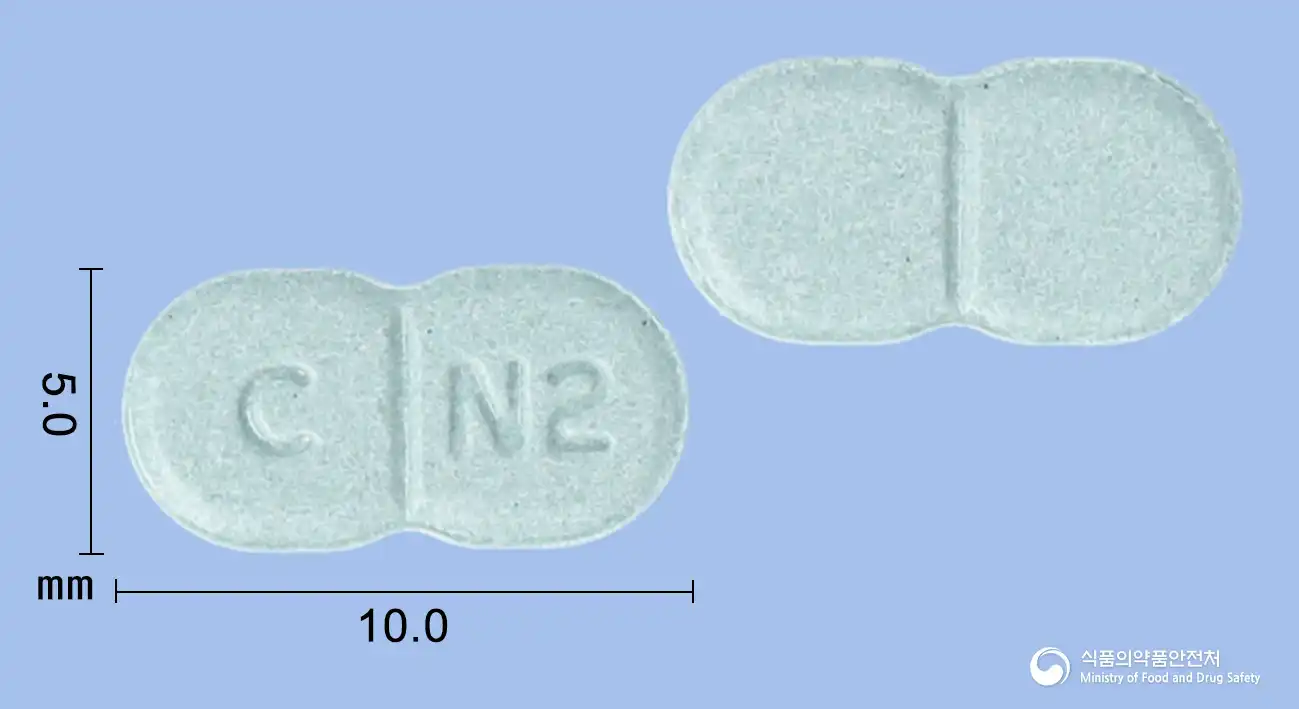
Glimepiride 2mg
Tablet · Prescription medication
Jongkundang Co., Ltd.
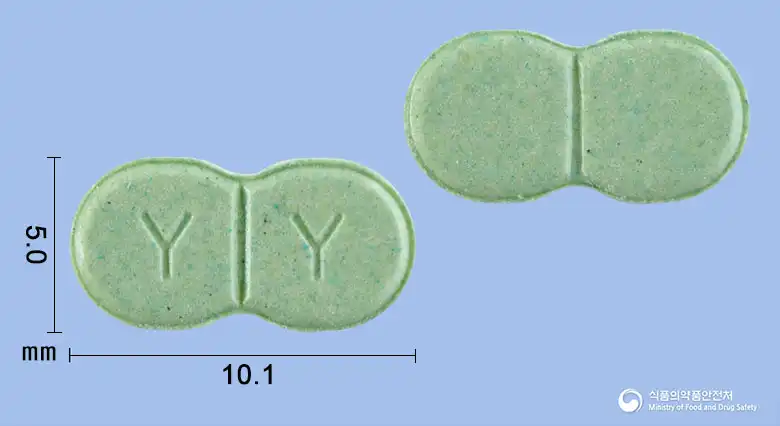
Glimepiride 2mg
Tablet · Prescription medication
IYun Pharmaceuticals Co., Ltd.
Even with the same ingredient, the dose and directions can differ by strength and dosage form. Talk to a doctor or pharmacist before switching from a medication you are already taking.
No questions yet.
For anything that needs medical judgment, consult a doctor or pharmacist.
This drug information is based on data provided by the Korea Ministry of Food and Drug Safety.
Consult a doctor or pharmacist for accurate dosage, administration, and usage instructions.