
 한국어
 English
 日本語
 中文(简体)
Dosage form image
Viewing nowCefdinir Granules (Cefdinir)
Cefdinir 100mg
Prescription medication
Hanmi Pharmaceutical Co., Ltd.
MFDS item code 200709156 · Approved 2007.08.07 · Insurance code 643503581
Treatment of respiratory and ear, nose, and throat infections, urinary tract infections, and other infections (e.g., lymphangitis, scarlet fever)
This medication is effective against various bacterial infections. The effective bacteria include Staphylococcus, Streptococcus, Pneumococcus, Moraxella catarrhalis, Escherichia coli, Klebsiella, Proteus mirabilis, and Haemophilus influenzae. Therefore, this medicine is used for various infectious diseases such as lymphangitis, pharyngitis, acute bronchitis, tonsillitis, pneumonia, pyelonephritis, cystitis, scarlet fever, otitis media, and sinusitis.
Children: Administer cefdinir orally at a daily dose of 9 ∼ 18 mg (potency) per kg of body weight in 3 divided doses. Adjust the dose appropriately according to symptoms.
This medicine should not be used in patients who have previously experienced shock due to this medication. It also should not be administered to patients who have had allergic reactions to this drug, its ingredients, or cefem antibiotics. This medicine contains lactose, so it should not be used in patients with genetic disorders that prevent lactose digestion. Patients allergic to penicillin antibiotics should use this medication cautiously, and those with allergic dispositions should also exercise caution. For patients with severely impaired kidney function, the concentration of this drug may increase, requiring adjustments in dosage and administration intervals. Patients who have difficulty swallowing, poor general condition, the elderly, or those with a history of colitis should also use this medicine with caution. While using this medicine, severe side effects such as shock, anaphylaxis, severe skin reactions, blood abnormalities, pseudomembranous colitis, interstitial pneumonia, renal failure, and liver dysfunction may rarely occur; thus, symptoms should be closely monitored. If any abnormal symptoms occur, administration should be stopped immediately and appropriate treatment should be given. This medicine should only be used for the minimum required duration to prevent the emergence of resistant organisms, and skin reaction tests are advised to prevent hypersensitivity reactions. If hypersensitivity reactions occur, administration should be stopped immediately, and appropriate treatment must be initiated. Antibiotic use may cause colitis, so if abdominal pain or diarrhea develops, patients should consult their physician immediately. When taken with iron supplements, antacids, warfarin, etc., the effectiveness of this medication may be reduced, or side effects may increase; therefore, patients should avoid concurrent dosing times or consult their physician. Pregnant women or those who may become pregnant should only use this medicine cautiously when necessary, and special attention is needed for children and the elderly. In cases of overdose, symptoms such as nausea, vomiting, diarrhea, and convulsions may occur, and in severe cases, dialysis may be necessary. This medicine may affect certain test results, so patients should inform test personnel of this fact during examinations. This medicine should be kept out of the reach of children and stored in a cool, dry place avoiding direct sunlight and moisture.
Not everyone experiences these, and they can vary from person to person.
This medicine should be stored in a tightly closed container to prevent exposure to air and light. It should also be kept in a place that avoids high humidity, with a recommended storage temperature between 1 and 30 degrees Celsius.
This medicine is a pink granule with flavoring and sweetening.
100g/bottle
Even with the same ingredient, strength, dosage form and how it is taken can differ.
Cefdinir 100mg
Prescription medication
Hanmi Pharmaceutical Co., Ltd.
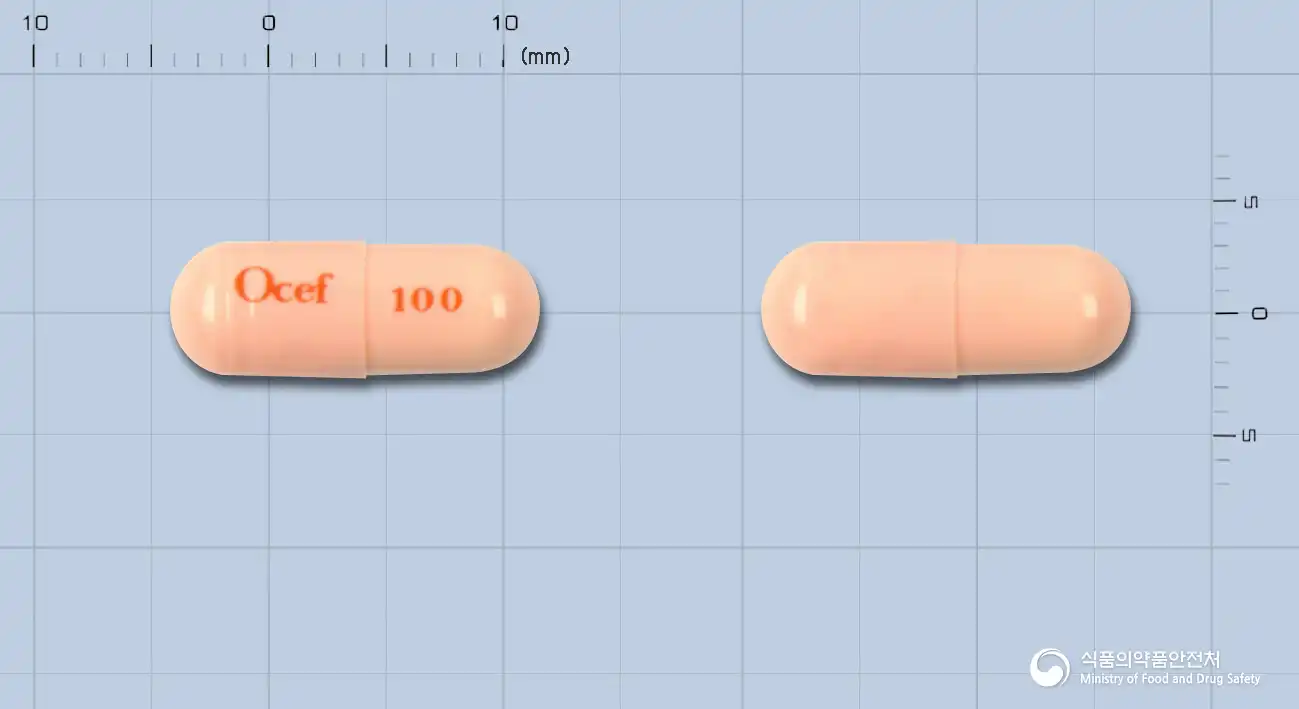
Cefdinir 100mg
Hard capsule · Prescription medication
Jeil Pharmaceutical Co., Ltd.
Cefdinir 100mg
Prescription medication
Jeil Pharmaceutical Co., Ltd.
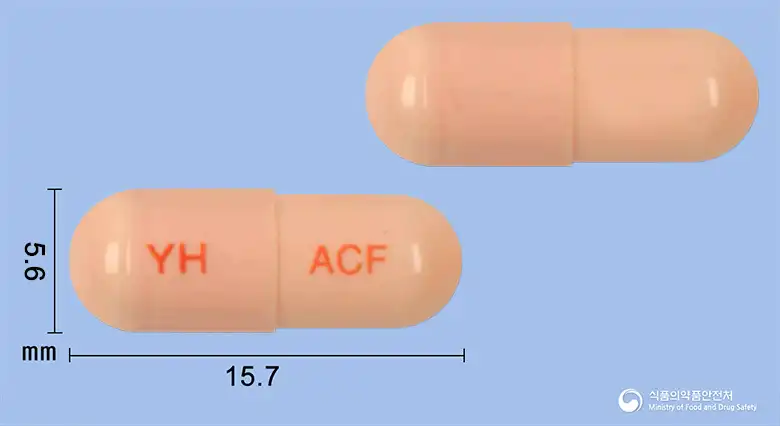
Cefdinir 100mg
Hard capsule · Prescription medication
Yuhan Corporation
Cefdinir 100mg
Prescription medication
Yuhan Corporation
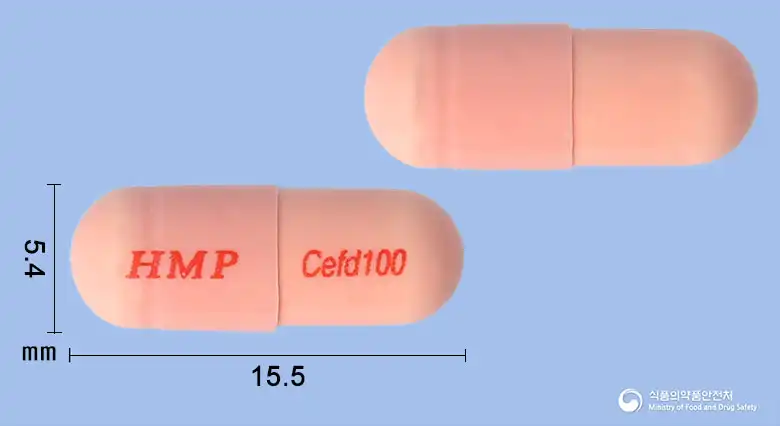
Cefdinir Monohydrate 100mg
Hard capsule · Prescription medication
Hanmi Pharmaceutical Co., Ltd.
Cefdinir Monohydrate 100mg
Hard capsule · Prescription medication
JW Pharmaceutical Co., Ltd.
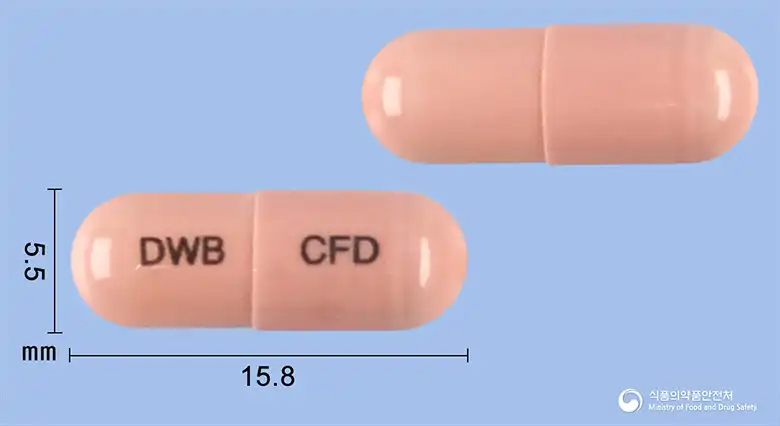
Cefdinir 100mg
Hard capsule · Prescription medication
Daewoong Bio Co., Ltd.
Even with the same ingredient, the dose and directions can differ by strength and dosage form. Talk to a doctor or pharmacist before switching from a medication you are already taking.
No questions yet.
For anything that needs medical judgment, consult a doctor or pharmacist.
This drug information is based on data provided by the Korea Ministry of Food and Drug Safety.
Consult a doctor or pharmacist for accurate dosage, administration, and usage instructions.