
 한국어
한국어 English
 日本語
日本語 中文(简体)
 Viewing now
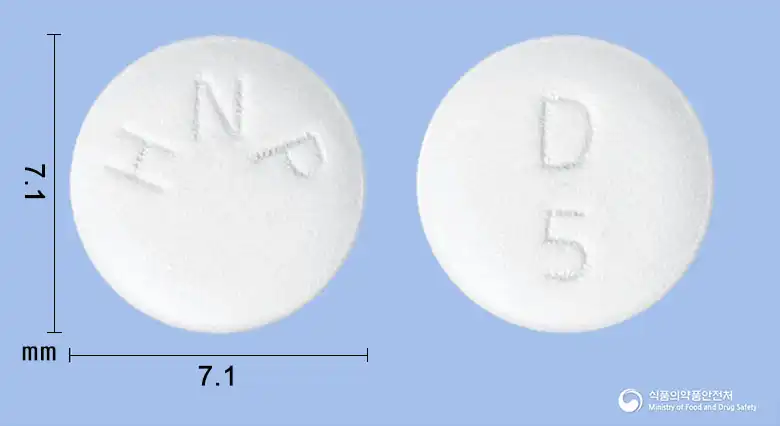
Donet Tablet 5 mg (Donepezil Hydrochloride)
Donepezil Hydrochloride 5.215mg
Tablet · Prescription medication
Hana Pharmaceutical Co., Ltd.
MFDS item code 200708786 · Notified 2007.07.30 · Insurance code 657804460
Improvement of symptoms of Alzheimer's type dementia
This medication is used to treat symptoms of Alzheimer's type dementia. It helps alleviate memory decline and cognitive function deterioration, thereby improving the patient's ability to perform daily activities. Regular use may slow the decline in brain function and support symptom management.
Donepezil Hydrochloride should be administered at a dose of 5 mg once daily before bed. If unusual dreams, nightmares, or insomnia occur, morning dosing of this medication may be considered. Donepezil concentration reaches a stable state 15 days after administration, hence a dosage of 5 mg should be continued for 4-6 weeks. After evaluating the clinical response during this period, the dose can be increased up to 10 mg. When increasing to 10 mg per day, caution regarding gastrointestinal side effects should be exercised.
There is no experience of use in pediatrics.
This medicine contains Donepezil Hydrochloride and is used for the treatment of symptoms of Alzheimer's type dementia. First, this medication should not be administered to patients who are allergic to Donepezil Hydrochloride or piperidine derivatives, or any components of the medication. It is also safe not to use this medication for women who are pregnant or may become pregnant, as well as for nursing mothers. Patients with genetic metabolic issues such as lactose intolerance, Lapp lactase deficiency, or glucose-galactose malabsorption should also avoid taking this medication. Those with heart conditions or bradycardia, atrial and junctional conduction disorders should exercise caution as arrhythmias or bradycardia may occur upon administration of this medication. Patients taking non-steroidal anti-inflammatory drugs (NSAIDs) or with a history of peptic ulcers should be cautious as their symptoms may worsen due to increased gastric acid secretion and gastrointestinal motility. Patients with asthma or a history of obstructive lung disease should take care as they may experience worsening symptoms due to bronchoconstriction and increased mucus secretion. Additionally, caution is needed for patients with extrapyramidal disorders, such as Parkinson's disease, as their symptoms may worsen from this medication. Various adverse reactions may occur from this medication. Heart-related issues can include syncope, bradycardia, heart block, myocardial infarction, and heart failure, whereas gastrointestinal effects may include peptic ulcers and gastrointestinal bleeding. Serious side effects such as liver dysfunction, jaundice, seizures, intracranial hemorrhage, movement disorders, neuroleptic malignant syndrome, and rhabdomyolysis have also been reported. Additionally, rare occurrences of dyspnea, acute pancreatitis, acute kidney failure, and unexplained sudden death may happen, so if any unusual symptoms appear, it is important to consult a healthcare provider immediately. Common mild side effects may include nausea, vomiting, diarrhea, dizziness, insomnia, headaches, fatigue, muscle pain, rashes, and urinary incontinence. Particularly, due to its cholinergic effects, this medication may affect heart rhythms, so patients with heart diseases need regular monitoring. This medication is approved only for Alzheimer's type dementia and should not be used for other types of dementia or memory disorders. Treatment should be conducted under the supervision of an experienced physician, and the patient's compliance should be periodically checked by both the patient and the caregiver. If it is judged that there is no therapeutic effect, discontinuation should be considered. Furthermore, this medication can impair driving or machine operation abilities, so caution is needed during the initial dosing period or when changing doses. This medication is primarily metabolized in the liver, so interactions with other medications may alter its efficacy. Caution should be exercised when taken with drugs that affect CYP3A4 and CYP2D6 enzymes, as it may enhance the effects of muscle relaxants such as succinylcholine. When used together with cholinergic drugs or acetylcholinesterase inhibitors, cholinergic effects may be increased, requiring careful attention. Conversely, taking this medication with anticholinergic drugs may reduce its effectiveness. Pregnant women are advised not to take this medication, and nursing mothers should discontinue breastfeeding while taking this medication. Safety in pediatric populations has not been established, so its use is not recommended. In case of overdose, symptoms such as nausea, vomiting, excessive salivation, sweating, bradycardia, hypotension, respiratory depression, muscle weakness, and seizures may occur. In severe cases, it may pose a life-threatening risk, requiring immediate emergency care. Atropine sulfate may be used as an antidote in cases of overdose. This medication should be stored out of reach of children, and transferring it to other containers should be avoided to maintain quality and safety.
Hives, severe swelling (edema), chest tightness, difficulty breathing, cold sweats, paleness, severe rash accompanied by high fever, blisters, skin peeling, pain in oral/eye mucosa, shortness of breath or difficulty breathing, asthma attacks, respiratory issues with cough and fever, yellowing of the skin or eyes (jaundice), extreme lethargy, sudden and severe headaches, thunderclap headache, seizures, confusion of consciousness, visual disturbances, paralysis, loss of
Nausea, vomiting, diarrhea, loss of appetite, dizziness, insomnia, tremors, drowsiness, headaches, fatigue, rashes, itching, muscle pain, urinary incontinence, frequent urination, fecal incontinence, abdominal pain, anxiety, hallucinations, aggressive behavior, confusion, depression, chatter, drowsiness, delusions, thrombocytopenia, hematological abnormalities, hypothermia, increased blood pressure abnormalities (hypertension, hypotension), weight loss, edema, dehydration, skin rash, sweating, vasodilation, facial swelling, feelings of fatigue,
Not everyone experiences these, and they can vary from person to person.
This medication should be stored in a tightly sealed container to prevent air and moisture ingress, and it is best kept at a temperature between 1°C and 30°C. This will help maintain the medication's efficacy for a longer time.
White, round film-coated tablets
30 tablets/bottle, 100 tablets/bottle
Even with the same ingredient, strength, dosage form and how it is taken can differ.
Viewing nowDonepezil Hydrochloride 5.215mg
Tablet · Prescription medication
Hana Pharmaceutical Co., Ltd.
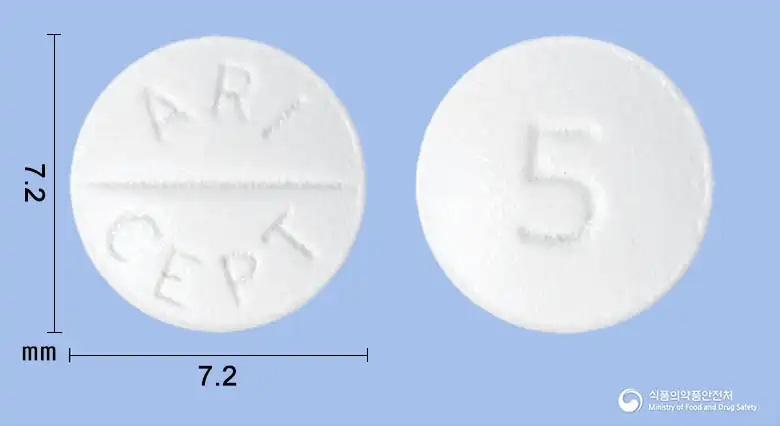
Donepezil Hydrochloride 5mg
Tablet · Prescription medication
HanDoc Co., Ltd.
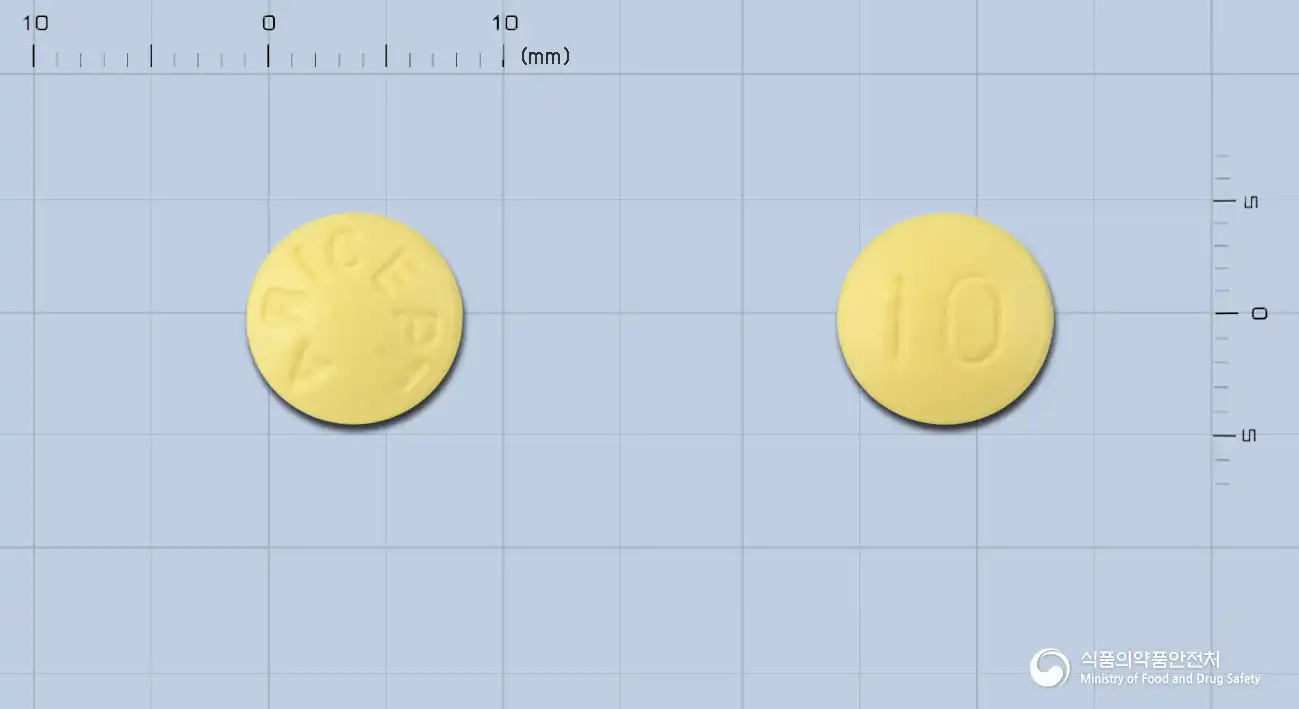
Donepezil Hydrochloride 10mg
Tablet · Prescription medication
Hanmi Pharmaceutical Co., Ltd.

Donepezil Hydrochloride Hydrate 10.43mg
Tablet · Prescription medication
IYun Pharmaceuticals Co., Ltd.

Donepezil Hydrochloride Hydrate 10.43mg
Tablet · Prescription medication
Yuhan Corporation
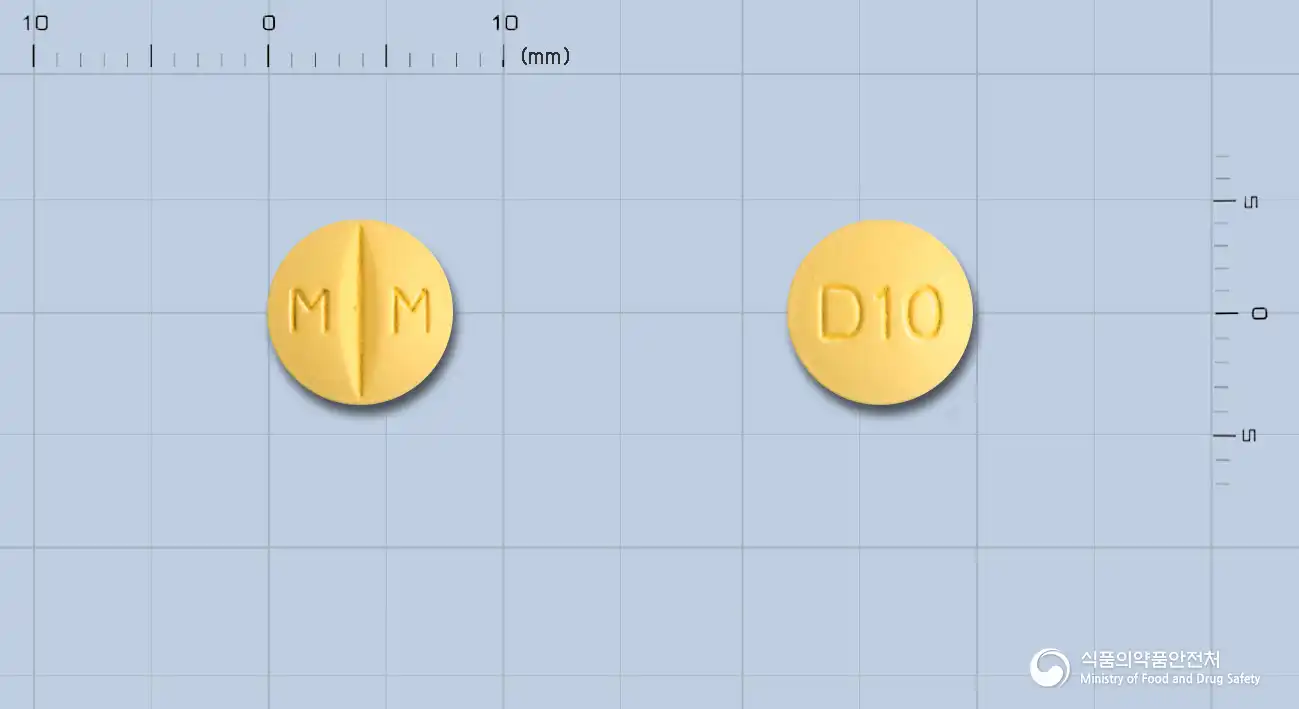
Donepezil Hydrochloride Hydrate 10.43mg
Tablet · Prescription medication
Myungmoon Pharmaceutical Co., Ltd.
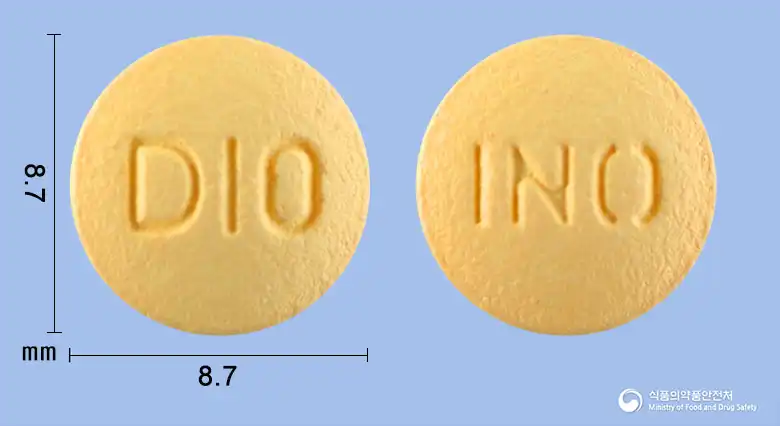
Donepezil Hydrochloride Hydrate 10.43mg
Tablet · Prescription medication
HK inno.N Co., Ltd.
Donepezil Hydrochloride 10mg
Tablet · Prescription medication
Celltrion Pharmaceutical Co., Ltd.
Even with the same ingredient, the dose and directions can differ by strength and dosage form. Talk to a doctor or pharmacist before switching from a medication you are already taking.
No questions yet.
For anything that needs medical judgment, consult a doctor or pharmacist.
This drug information is based on data provided by the Korea Ministry of Food and Drug Safety.
Consult a doctor or pharmacist for accurate dosage, administration, and usage instructions.