
 한국어
 English
 日本語
 中文(简体)
 Viewing now
Clovid Tablet (Clopidogrel Bisulfate)
Clopidogrel Besylate 111.86mg
Tablet · Prescription medication
HanAll BioPharma Co., Ltd.
MFDS item code 200708091 · Notified 2007.07.12 · Insurance code 655602070
Improvement of symptoms of acute coronary syndrome and atherosclerosis; prevention of thromboembolism in atrial fibrillation
This medication can assist patients with various cardiovascular diseases. It is used to improve atherosclerotic symptoms in patients with ischemic stroke, myocardial infarction, or peripheral arterial disease. Additionally, it alleviates symptoms by reducing the risk of heart and brain-related complications in patients being treated for or about to undergo acute coronary syndrome. In patients with atrial fibrillation and a low risk of bleeding, it effectively reduces the risk of stroke and thrombus formation. Thus, this medication effectively improves symptoms related to various vascular risk factors.
○ Adults 1. For patients with ischemic stroke, myocardial infarction, or peripheral arterial disease, administer 75 mg of clopidogrel orally once daily. 2. For patients with acute coronary syndrome (unstable angina or non-Q-wave myocardial infarction), start treatment on the first day with a loading dose of 300 mg of this medicine once daily, followed by a maintenance dose of 75 mg once daily orally. In this case, aspirin 75 ~ 325 mg should be administered concomitantly with this medicine once daily. 3. For patients with atrial fibrillation, administer 75 mg of this medicine orally once daily. In this case, aspirin 75 ~ 100 mg should be administered concomitantly with this medicine once daily. ○ Patients with renal impairment : Treatment experience in patients with renal impairment is limited. ○ Patients with hepatic impairment : Treatment experience in patients with moderate hepatic disease with a bleeding diathesis is limited. This medicine may be administered regardless of food intake.
This drug may reduce efficacy in patients genetically deficient in CYP2C19 function due to lower blood concentrations of the active metabolite. Such patients, having a higher risk of cardiovascular disease, should consider alternative treatment options. Patients with allergies to this drug or its constituents, those with bleeding, severe liver damage, and nursing mothers should not use this medication. Extra caution is necessary when administering to patients at risk of bleeding, and if bleeding symptoms are suspected, an immediate examination is required. It should be administered cautiously in patients with gastrointestinal or ocular lesions, bleeding disorders, and those who have recently undergone surgery or biopsy. Patients scheduled for surgery should discontinue this medication 5 to 7 days before the procedure and resume once hemostasis is achieved. This drug may increase the risk of bleeding when used in conjunction with other antiplatelet agents, non-steroidal anti-inflammatory drugs, heparin, and thrombolytics. Advise the patient that this medication can cause bleeding and may prolong the time for bleeding to stop, and they should immediately inform their doctor upon noticing any bleeding symptoms. It is important to regularly check for bleeding and hematological adverse reactions through blood tests, etc. During pregnancy, prescribing must be based on a doctor's judgment, and nursing mothers should decide on the cessation of breastfeeding due to the possibility of drug secretion into breast milk. Safety and efficacy in pediatric patients have not yet been established, thus use is not recommended. Elderly patients or those with impaired kidney or liver function may have an increased risk of bleeding, necessitating dosage adjustment and careful monitoring. In cases of overdose, bleeding time may be prolonged, and because there is no antidote, treatment may involve platelet transfusion if bleeding occurs. This medication should be stored out of reach of children, and care should be taken not to transfer it to other containers as this may adversely affect product quality.
Bleeding, gastrointestinal bleeding, bleeding requiring hospitalization, purpura, contusion, hematoma, nasal bleeding, hematoma, hematuria, intraocular hemorrhage, intracranial hemorrhage, major bleeding, life-threatening bleeding, fatal bleeding, hemorrhagic stroke, requiring blood transfusion, significant functional impairment, intraocular hemorrhage accompanied by significant vision loss, mild bleeding, neutropenia, agranulocytosis, aplastic anemia, thrombocytopenia, abdominal pain, indigestion, gastroenteritis, constipation, diarrhea, rash, pruritus, depression, headache, dizziness, chest pain, accidental injury, influenza-like illness, pain, fatigue, edema, hypertension, urinary tract infection, upper respiratory tract infection, dyspnea, rhinitis, bronchitis, cough, purpura disease, bloody stools, thrombocytopenia, anemia, pneumonia, sinusitis, eczema, skin ulcer, cystitis, cataract, conjunctivitis, allergic symptoms, ischemic necrosis, gastritis, hemorrhagic gastroenteritis, duodenal ulcer, gastric ulcer, perforated gastric ulcer, upper gastrointestinal ulcer bleeding, bloating, hyperbilirubinemia, infectious hepatitis, fatty liver, hemorrhagic arthropathy, hematuria, hemoptysis, retroperitoneal hemorrhage, ocular hemorrhage, pulmonary hemorrhage, thrombocytopenia, aplastic anemia, hypochromic anemia, leukemia, leukopenia, neutropenia, eosinophilia, menorrhagia, hemothorax, herpes zoster, erythema multiforme, maculopapular rash, urticaria, renal dysfunction, acute renal failure, severe bleeding, agranulocytosis, serum sickness, confusion, hallucination, taste disturbances, vasculitis, hypotension, bronchospasm, interstitial pneumonia, colitis, pancreatitis, stomatitis, hepatitis, acute liver failure, angioedema, vesicular dermatitis, lichen planus, arthralgia, arthritis, myalgia, glomerulopathy, fever, abnormal liver function tests, increased blood creatinine, reduced exercise capacity, tremor, dysphonia, abnormal gait, hyperkinesia, ataxia, sensory disturbances, insomnia, depression, amnesia, anxiety, panic, thought disorder, abnormal behavior, weight loss, weight gain, facial flushing, weakness, rigidity, facial edema, syncope, visual disturbances, visual field defects, dry eye syndrome, transient blindness, congestion, tinnitus, hiccups, dysphagia, tongue disorders, gynecomastia, elevated PSA, cholecystitis, hematemesis, spinal hematoma
Not everyone experiences these, and they can vary from person to person.
This medication must be stored in a tightly closed container to avoid exposure to air or moisture. It is important to maintain a storage temperature between 1 degree and 30 degrees Celsius to preserve the effectiveness of the drug for a long time.
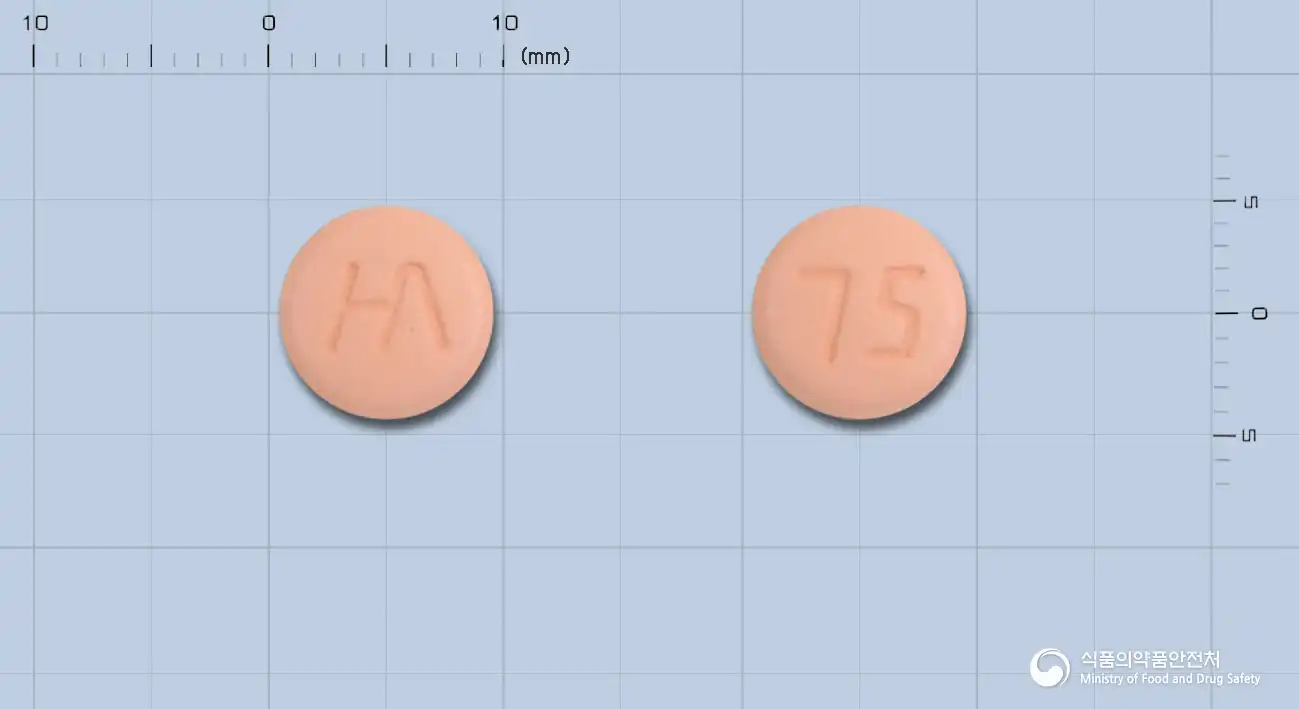
Pink round film-coated tablet
30 tablets/bottle, 100 tablets/bottle
Even with the same ingredient, strength, dosage form and how it is taken can differ.
Even with the same ingredient, the dose and directions can differ by strength and dosage form. Talk to a doctor or pharmacist before switching from a medication you are already taking.
No questions yet.
For anything that needs medical judgment, consult a doctor or pharmacist.
This drug information is based on data provided by the Korea Ministry of Food and Drug Safety.
Consult a doctor or pharmacist for accurate dosage, administration, and usage instructions.