
 한국어
한국어 English
 日本語
日本語 中文(简体)
 Viewing nowCombination
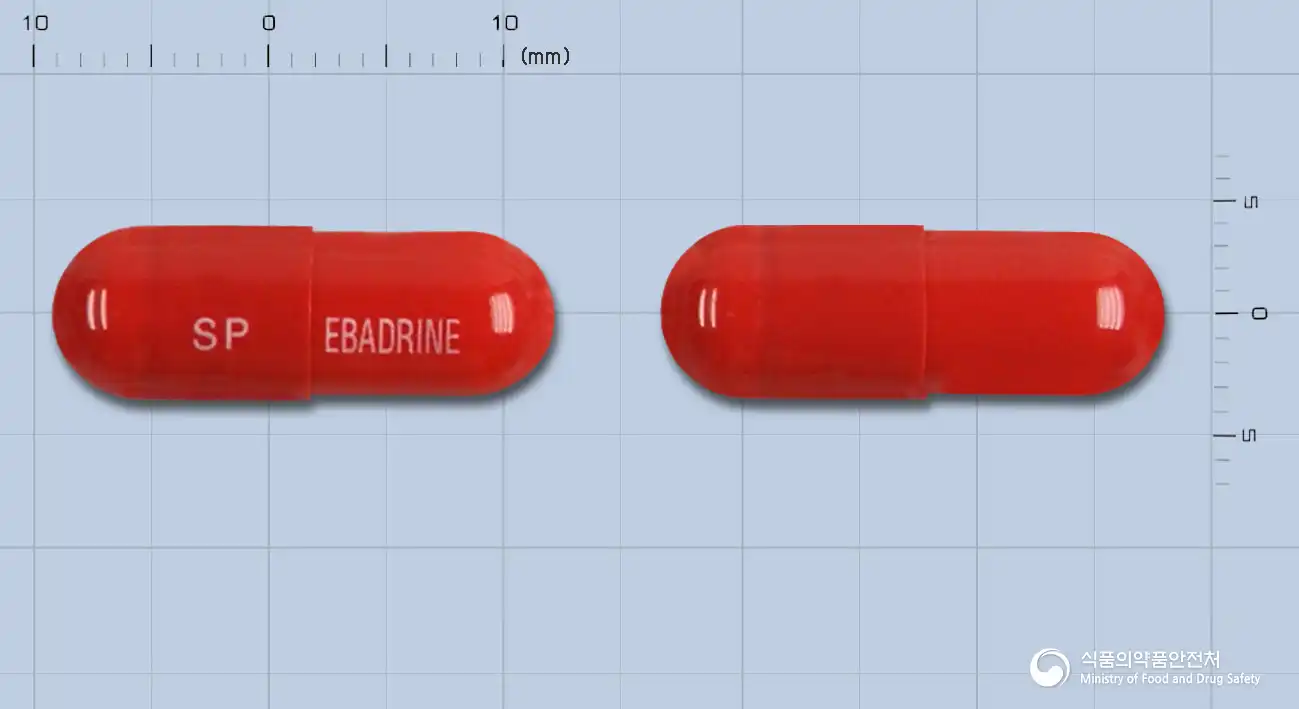
Ebadrin Extended-Release Capsule
Pseudoephedrine Hydrochloride 120mg · Ebastine 10mg
Hard capsule · Prescription medication · Combination
Shinpoong Pharmaceutical Co., Ltd.
MFDS item code 200707389 · Approved 2007.06.27 · Insurance code 648502740
Improvement of symptoms of vasomotor and allergic rhinitis
This medication is used to treat symptoms of vasomotor rhinitis, allergic rhinitis, and rhinitis due to colds. It alleviates symptoms such as nasal congestion, sneezing, and runny nose caused by rhinitis, making it easier for patients to breathe. This efficacy helps to reduce the discomfort experienced by patients in their daily lives. Ultimately, it is used to effectively improve symptoms of rhinitis.
Administer 1 capsule once a day, or in severe cases, 1 capsule twice a day.
For adolescents aged 12 and older, administer 1 capsule once a day.
This medication contains pseudoephedrine and may rarely cause serious skin reactions such as acute generalized exanthematous pustulosis; therefore, if fever or erythema and small pustules appear during use, discontinue use immediately and consult a healthcare professional. Individuals with allergies to this medication or those with certain conditions such as closed-angle glaucoma, severe hypertension, or hyperthyroidism should not take this medication. Moreover, it should not be used by children under the age of 12, pregnant or breastfeeding women, or patients with severe liver or kidney diseases. Patients with a history of glaucoma, hypertension, heart disease, diabetes, benign prostatic hyperplasia, or liver dysfunction should exercise special caution when taking this medication, particularly diabetic patients who should be more careful due to the included sugar component. Taking this medication may result in side effects such as drowsiness, nervousness, headache, nausea, and vomiting, and in rare cases, palpitations, elevated liver enzymes, or skin rashes may occur. If these symptoms appear, consulting a healthcare professional is necessary. This medication may interact with certain other medications, so if you are currently taking any other medications, you must inform your doctor or pharmacist. Particularly, co-administration with monoamine oxidase inhibitors (MAOIs) should be avoided as it may lead to severe hypertension. Women who are pregnant or breastfeeding should consult with a healthcare professional before taking this medication, and if breastfeeding, it is recommended to discontinue breastfeeding while taking the medication. In case of overdose, gastric lavage and treatment according to symptoms are necessary, and vital signs should be monitored closely, including electrocardiogram assessments. This medication should be kept out of reach of children and should not be transferred to another container to avoid deterioration of quality.
Acute generalized exanthematous pustulosis (AGEP), fever, erythema, severe skin adverse reactions with multiple small pustules, anaphylactic shock, severe headache, thunderclap headache, seizures, confusion, visual disturbances, reversible posterior leukoencephalopathy syndrome, reversible cerebral vasoconstriction syndrome
Not everyone experiences these, and they can vary from person to person.
This medication should be stored in a tightly sealed container to prevent air ingress, preferably at room temperature between 1 and 30 degrees Celsius. Proper storage will help maintain the effectiveness of the medication.
Red hard capsule containing white to pale gray spherical granules
30 capsules/bottle, 100 capsules/bottle
Even with the same ingredient, strength, dosage form and how it is taken can differ.
Viewing nowCombinationPseudoephedrine Hydrochloride 120mg · Ebastine 10mg
Hard capsule · Prescription medication · Combination
Shinpoong Pharmaceutical Co., Ltd.
 Combination
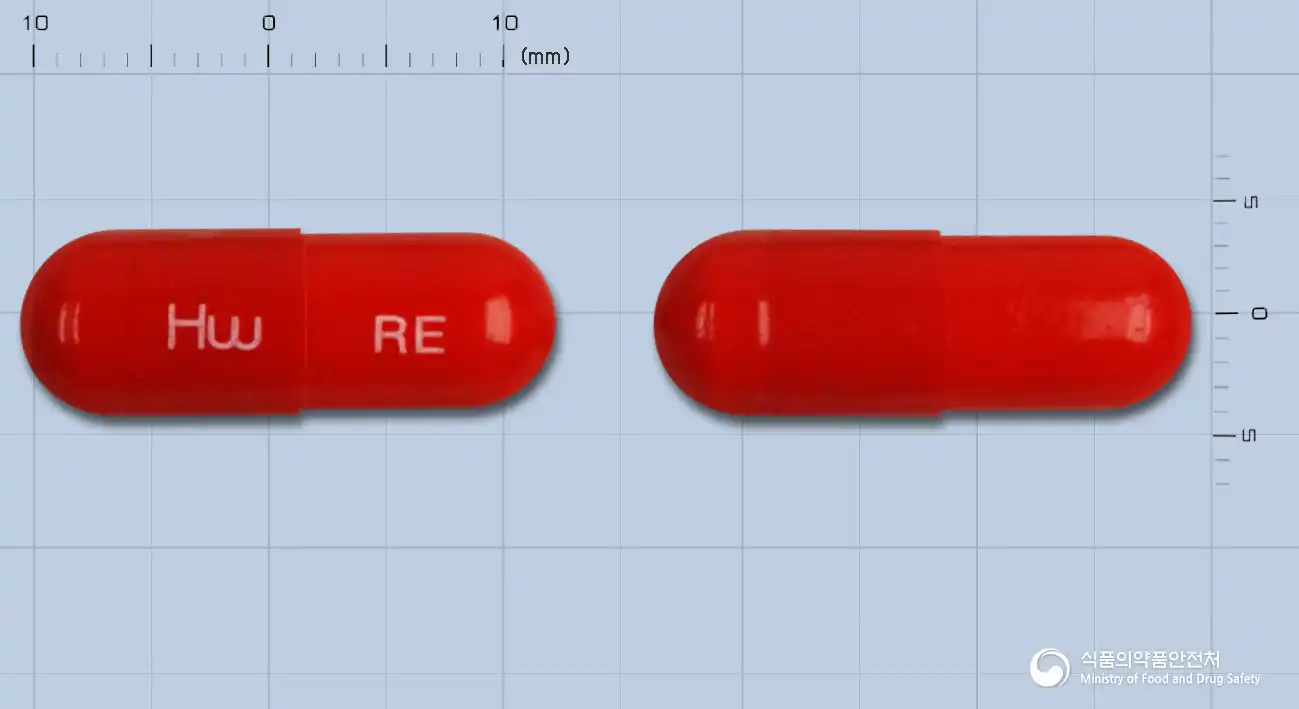
Pseudoephedrine Hydrochloride 120mg · Ebastine 10mg
Hard capsule · Prescription medication · Combination
Albozen Korea Co., Ltd.
 Combination
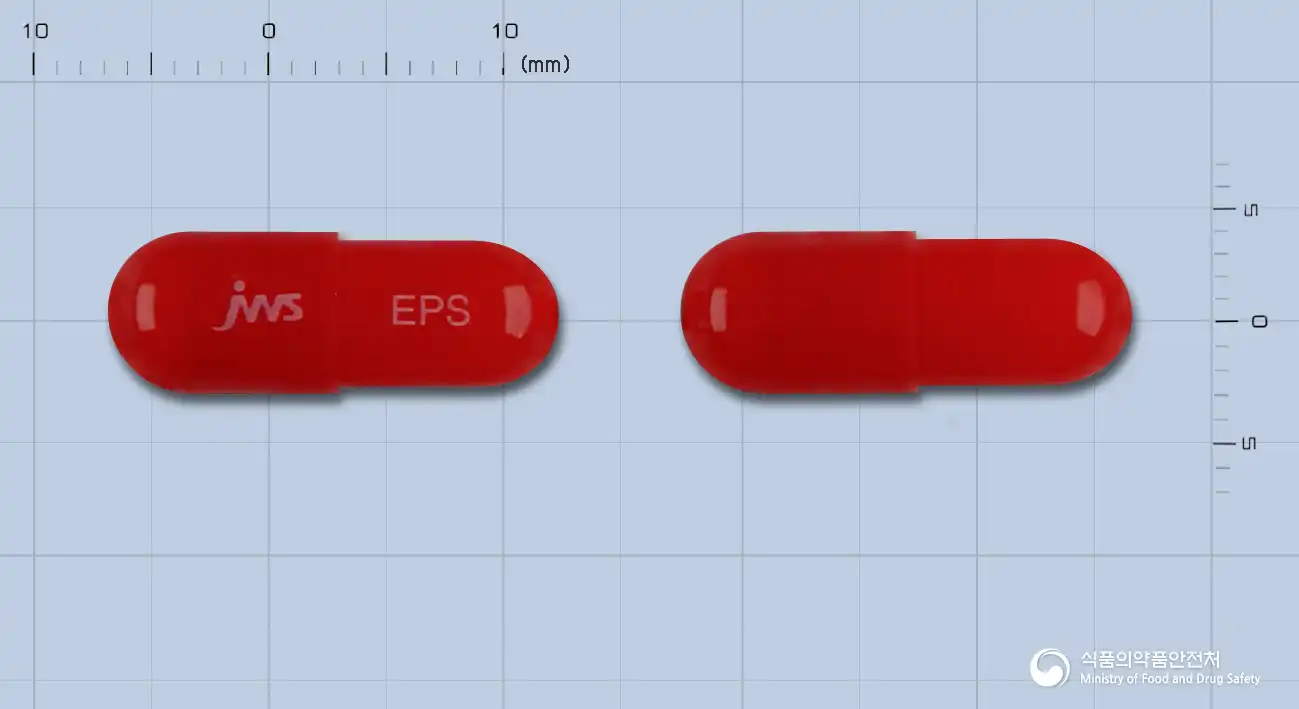
Pseudoephedrine Hydrochloride 120mg · Ebastine 10mg
Hard capsule · Prescription medication · Combination
JW Pharmaceutical Co., Ltd.
 Combination
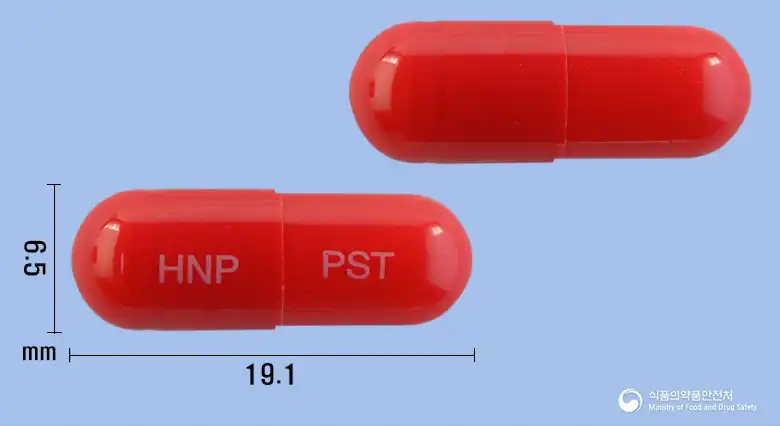
Pseudoephedrine Hydrochloride 120mg · Ebastine 10mg
Hard capsule · Prescription medication · Combination
Hana Pharmaceutical Co., Ltd.
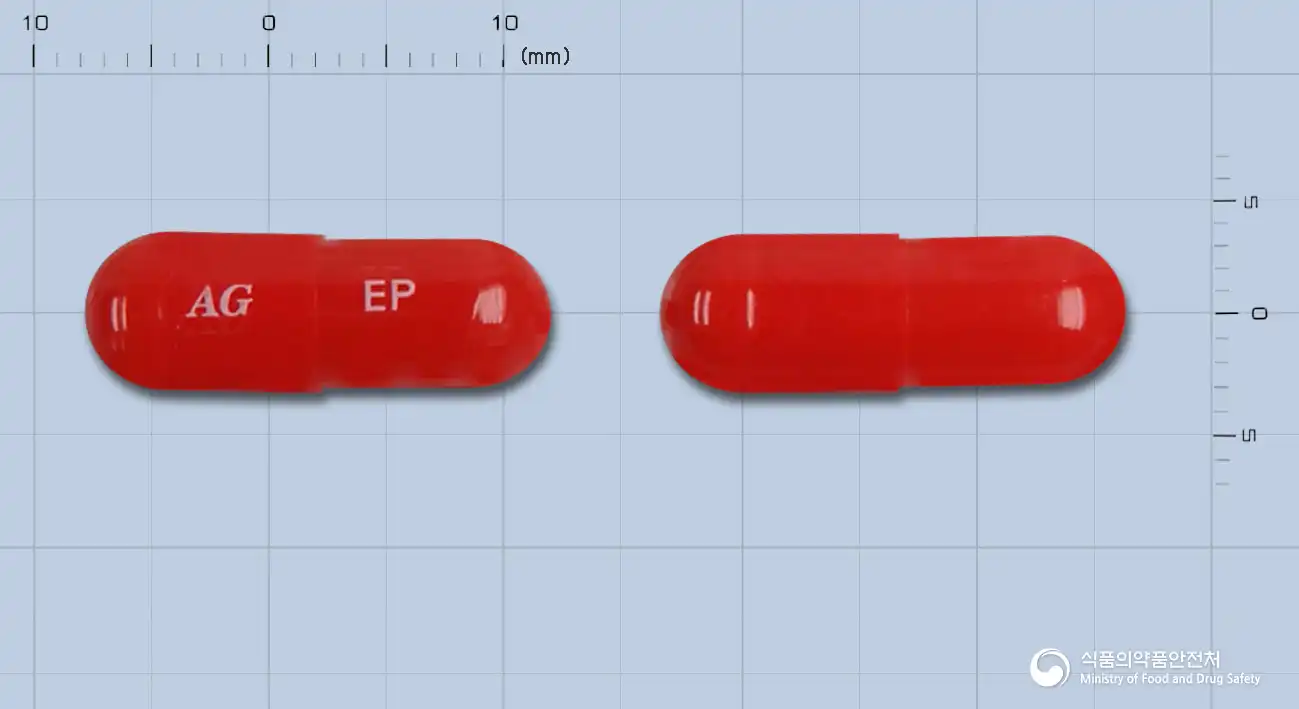 Combination
Pseudoephedrine Hydrochloride 120mg · Ebastine 10mg
Hard capsule · Prescription medication · Combination
Anguk Pharmaceutical Co., Ltd.
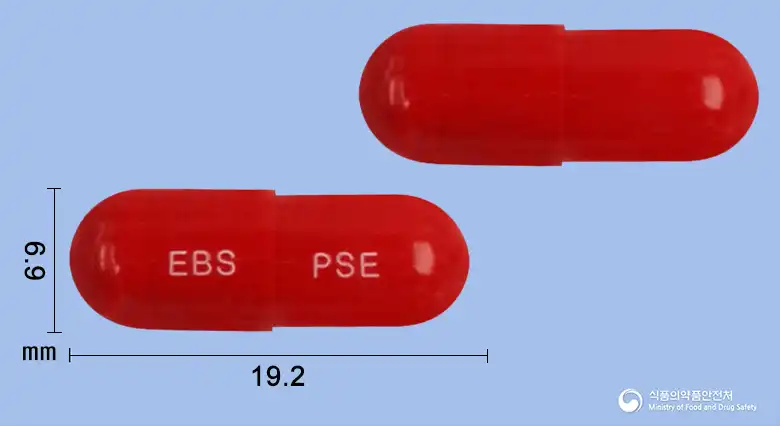 Combination
Pseudoephedrine Hydrochloride 120mg · Ebastine 10mg
Hard capsule · Prescription medication · Combination
Shinil Pharmaceutical Co., Ltd.
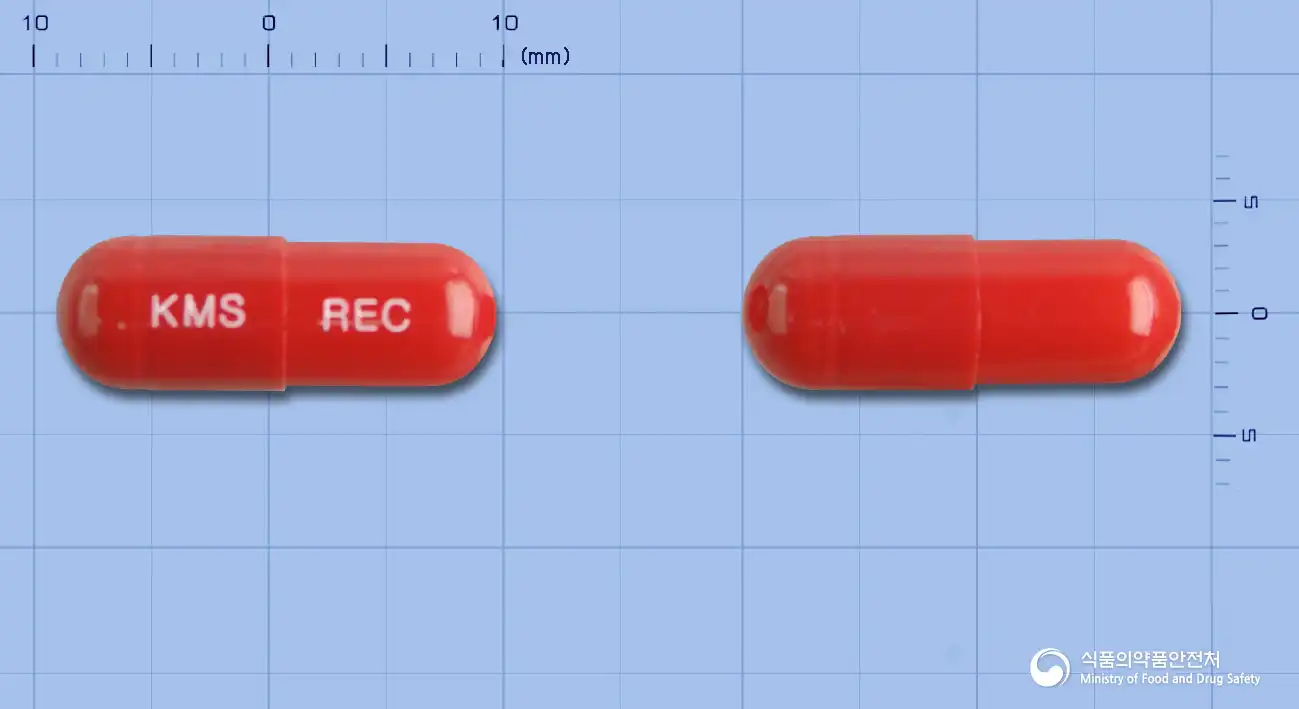 Combination
Pseudoephedrine Hydrochloride 120mg · Ebastine 10mg
Hard capsule · Prescription medication · Combination
KMS Pharmaceutical Co., Ltd.
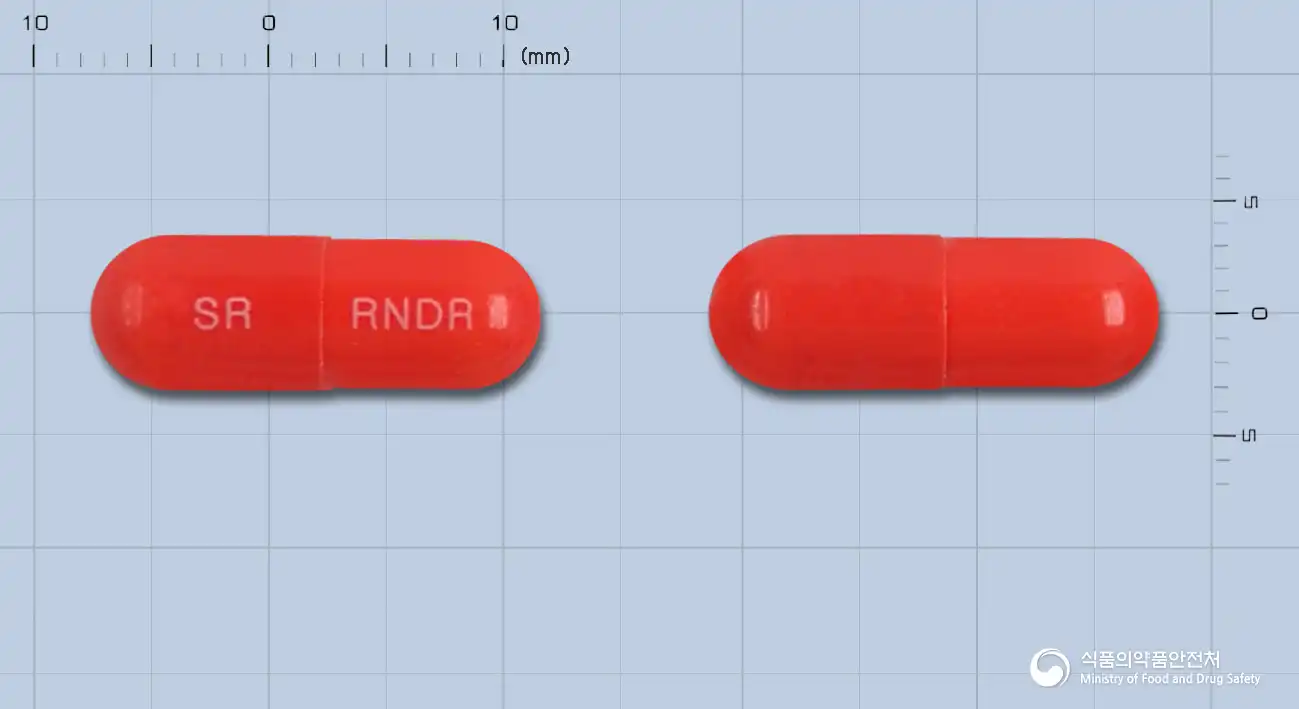 Combination
Pseudoephedrine Hydrochloride 120mg · Ebastine 10mg
Hard capsule · Prescription medication · Combination
Jinyang Pharmaceutical Co., Ltd.
Even with the same ingredient, the dose and directions can differ by strength and dosage form. Talk to a doctor or pharmacist before switching from a medication you are already taking.
No questions yet.
For anything that needs medical judgment, consult a doctor or pharmacist.
This drug information is based on data provided by the Korea Ministry of Food and Drug Safety.
Consult a doctor or pharmacist for accurate dosage, administration, and usage instructions.