
 한국어
한국어 English
 日本語
日本語 中文(简体)
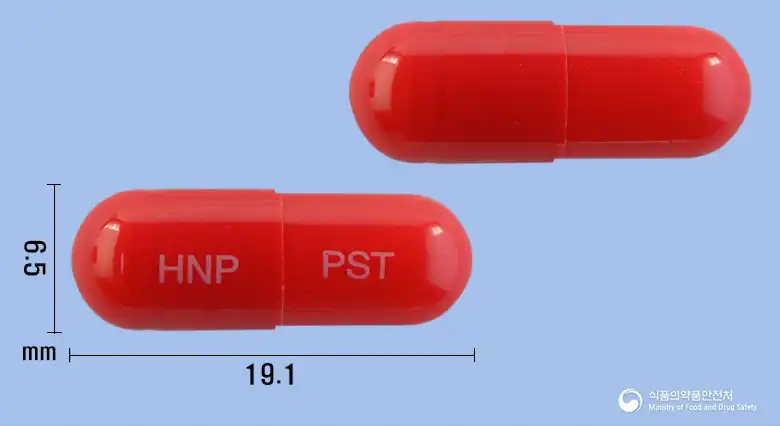 Viewing nowCombination
Sudosin Extended-Release Capsule
Pseudoephedrine Hydrochloride 120mg · Ebastine 10mg
Hard capsule · Prescription medication · Combination
Hana Pharmaceutical Co., Ltd.
MFDS item code 200707384 · Approved 2007.06.27 · Insurance code 657806180
Improvement of symptoms of vasomotor and allergic rhinitis
This medication is used to treat symptoms of vasomotor rhinitis, allergic rhinitis, and rhinitis associated with colds.
Adults: 1 capsule once a day, or in severe cases, 1 capsule twice a day. The duration of treatment should be limited to severe symptoms. Generally, without a doctor's instructions, use should not exceed 10 days for vasomotor and allergic rhinitis and 3 days for rhinitis associated with colds.
Adolescents aged 12 years and older: 1 capsule once a day.
This medication contains pseudoephedrine, which may cause serious skin reactions such as acute generalized exanthematous pustulosis; therefore, skin condition should be closely monitored during use. If fever, red spots on the skin, or small blisters develop, discontinue use immediately and consult a healthcare professional. Patients with hypersensitivity to this medication or certain conditions, such as glaucoma, severe hypertension, hyperthyroidism, heart disease, severe liver dysfunction or kidney disease, children under 12 years of age, pregnant or breastfeeding women, and lactose-intolerant patients should not take this medication. Additionally, this medication can affect liver function, so patients with a history of liver disease should use it cautiously, and those with hypertension, diabetes, or prostate enlargement should also be careful. This medication may cause various side effects such as drowsiness, nervousness, digestive disorders, headaches, nausea, vomiting, and requires immediate consultation with a doctor if any atypical symptoms occur. Especially due to its sympathomimetic effects, increased heart rate, insomnia, and anxiety may occur, and prolonged use may lead to vomiting or nausea. When driving or operating hazardous machinery, patients should confirm their reactions to this medication and act with caution. This medication may interact with other drugs, especially if combined with monoamine oxidase inhibitors or certain antibiotics, as serious side effects may occur; thus, it is essential to inform the doctor and use it cautiously. Pregnant and breastfeeding women should use this medication only if safety has not been sufficiently confirmed, and it is preferable to avoid use while breastfeeding. In case of overdose, immediate medical treatment such as gastrointestinal lavage and cardiac monitoring is required, so one should visit the hospital without delay. Lastly, this medication should be kept out of the reach of children and should not be transferred to other containers to maintain its quality.
Acute generalized exanthematous pustulosis (AGEP), fever, erythema, multiple small pustules, severe skin reactions, reversible posterior leukoencephalopathy syndrome, reversible cerebrovascular constriction syndrome, anaphylactic shock, palpitations, ventricular arrhythmias (including torsades de pointes), severe abdominal pain, rectal bleeding, sudden and severe headaches, lightning headaches, nausea, vomiting, confusion, seizures, visual disturbances.
Not everyone experiences these, and they can vary from person to person.
This medication should be stored in a sealed container to prevent air from entering and should be kept at room temperature between 1°C and 30°C. Storing it this way helps maintain the efficacy of the medication and prevent deterioration.
A hard capsule with a reddish upper and lower part containing white to grayish spherical granules.
30 capsules/bottle, 300 capsules/bottle
Even with the same ingredient, strength, dosage form and how it is taken can differ.
Viewing nowCombinationPseudoephedrine Hydrochloride 120mg · Ebastine 10mg
Hard capsule · Prescription medication · Combination
Hana Pharmaceutical Co., Ltd.
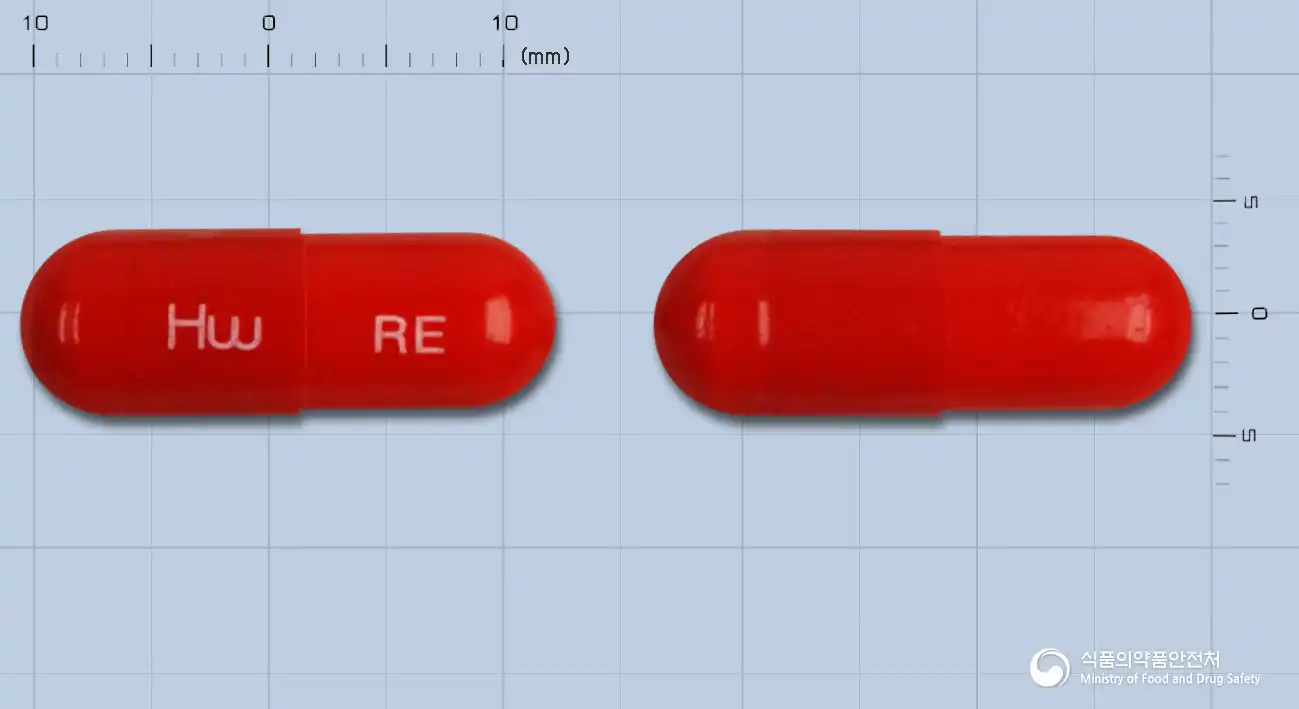 Combination
Pseudoephedrine Hydrochloride 120mg · Ebastine 10mg
Hard capsule · Prescription medication · Combination
Albozen Korea Co., Ltd.
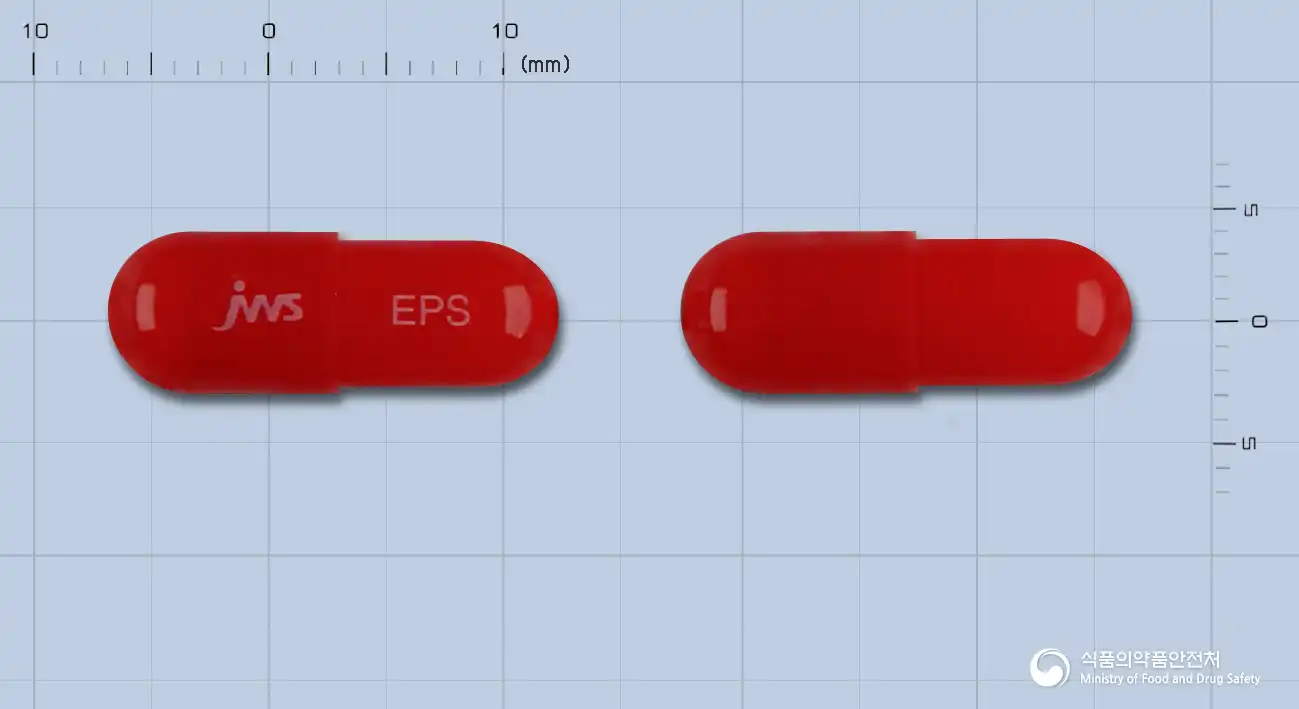 Combination
Pseudoephedrine Hydrochloride 120mg · Ebastine 10mg
Hard capsule · Prescription medication · Combination
JW Pharmaceutical Co., Ltd.
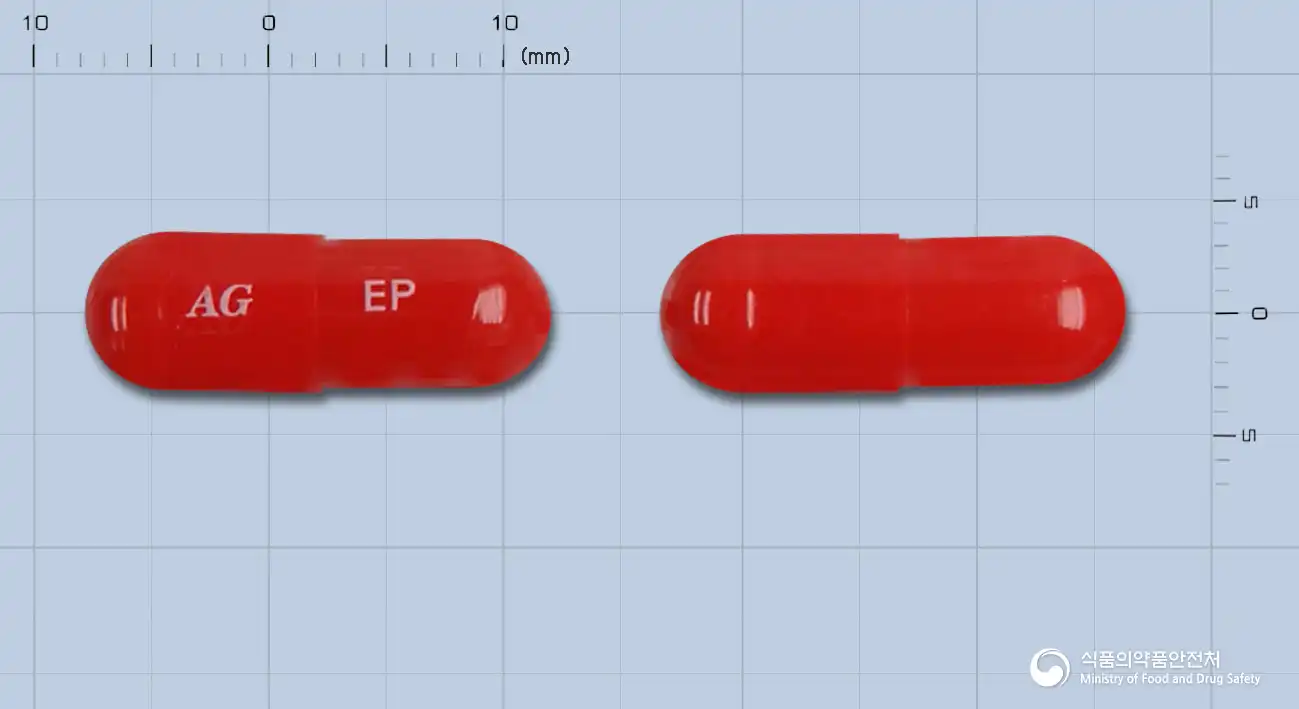 Combination
Pseudoephedrine Hydrochloride 120mg · Ebastine 10mg
Hard capsule · Prescription medication · Combination
Anguk Pharmaceutical Co., Ltd.
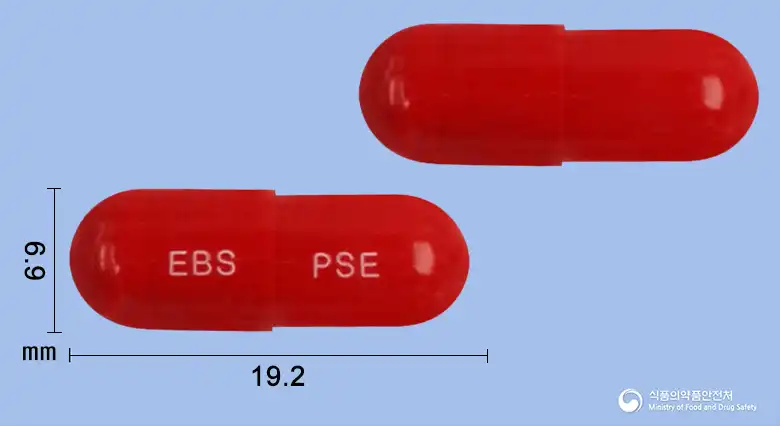 Combination
Pseudoephedrine Hydrochloride 120mg · Ebastine 10mg
Hard capsule · Prescription medication · Combination
Shinil Pharmaceutical Co., Ltd.
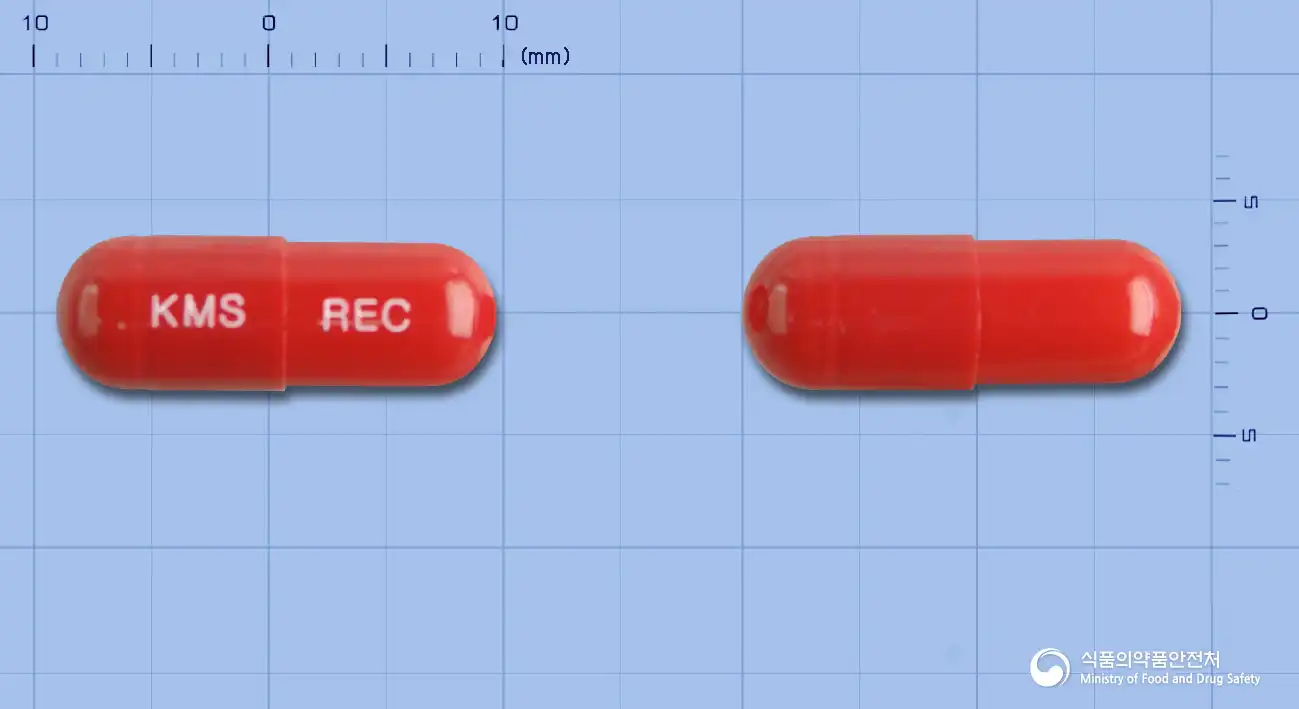 Combination
Pseudoephedrine Hydrochloride 120mg · Ebastine 10mg
Hard capsule · Prescription medication · Combination
KMS Pharmaceutical Co., Ltd.
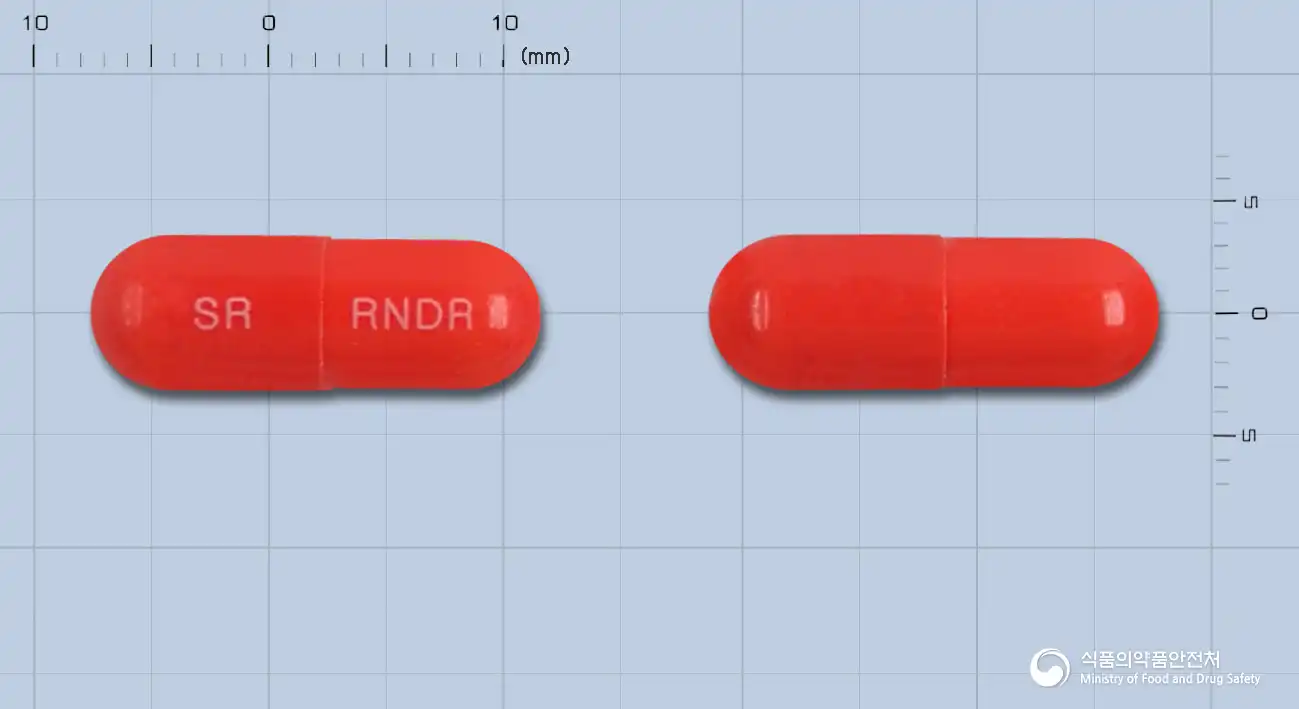 Combination
Pseudoephedrine Hydrochloride 120mg · Ebastine 10mg
Hard capsule · Prescription medication · Combination
Jinyang Pharmaceutical Co., Ltd.
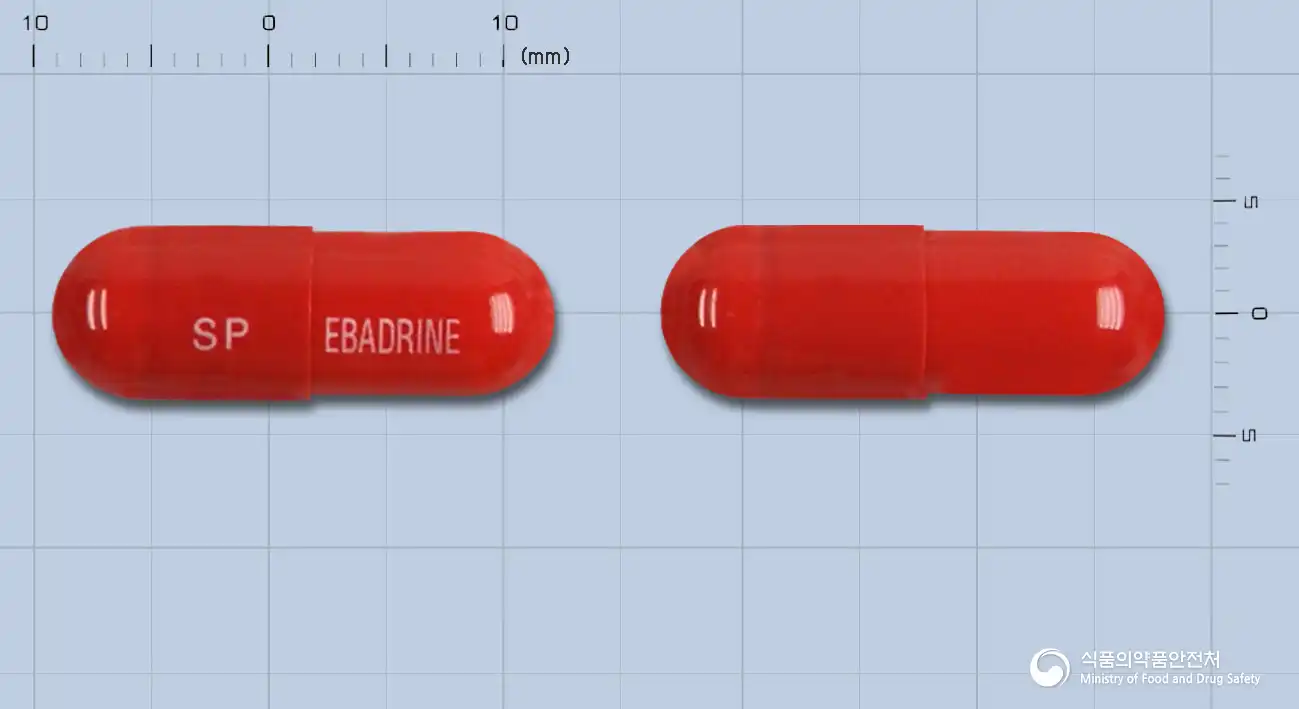 Combination
Pseudoephedrine Hydrochloride 120mg · Ebastine 10mg
Hard capsule · Prescription medication · Combination
Shinpoong Pharmaceutical Co., Ltd.
Even with the same ingredient, the dose and directions can differ by strength and dosage form. Talk to a doctor or pharmacist before switching from a medication you are already taking.
No questions yet.
For anything that needs medical judgment, consult a doctor or pharmacist.
This drug information is based on data provided by the Korea Ministry of Food and Drug Safety.
Consult a doctor or pharmacist for accurate dosage, administration, and usage instructions.