
 한국어
한국어 English
 日本語
日本語 中文(简体)
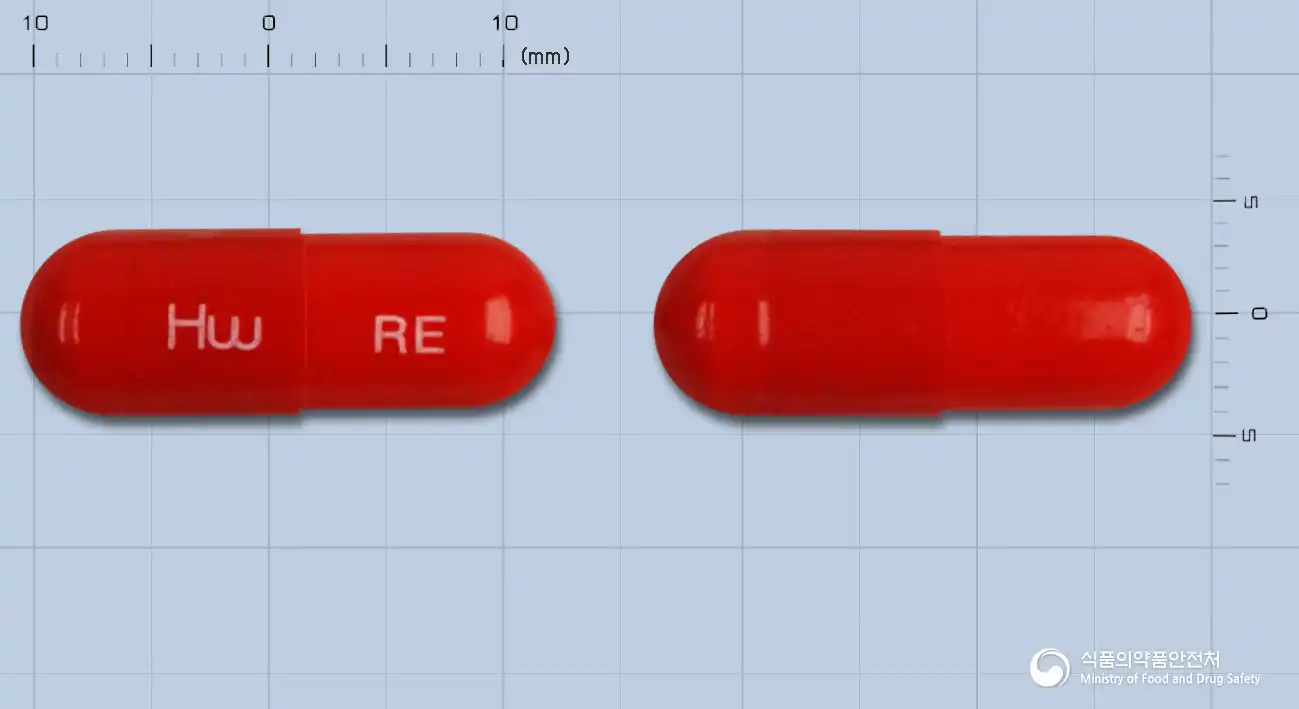 Viewing nowCombination
Rinoestina Extended-release Capsules
Pseudoephedrine Hydrochloride 120mg · Ebastine 10mg
Hard capsule · Prescription medication · Combination
Albozen Korea Co., Ltd.
MFDS item code 200707382 · Notified 2007.06.27 · Insurance code 652603920
Improvement of symptoms related to vasomotor and allergic rhinitis.
This medication is used to relieve symptoms of vasomotor rhinitis, allergic rhinitis, and rhinitis due to colds. It alleviates discomfort caused by rhinitis from various causes, improving symptoms such as nasal congestion, sneezing, and runny nose. This helps patients breathe more comfortably in their daily lives. Therefore, it is used effectively to treat symptoms caused by rhinitis.
Adults: 1 capsule once a day. In severe cases, 1 capsule may be administered twice a day.
Adolescents aged 12 years and older: 1 capsule once a day.
This medication contains pseudoephedrine, which can cause severe skin reactions such as acute generalized exanthematous pustulosis, so it is important to monitor skin condition closely while taking it. Individuals who are allergic to this medication or have certain diseases, such as angle-closure glaucoma, severe hypertension, or hyperthyroidism, should not take this medication. Patients with severely impaired liver or kidney function, children under 12 years of age, and pregnant or breastfeeding women should also avoid using this medication. This medication is not suitable for patients with genetic issues such as lactose intolerance. Patients with glaucoma, hypertension, heart disease, diabetes, prostate hypertrophy, liver dysfunction, or those taking specific medications should use this medication cautiously, particularly those over 60 years of age. Taking this medication can cause side effects such as palpitations, drowsiness, headache, nausea, vomiting, and rash, so any unusual symptoms should be reported to a doctor immediately. Especially due to the pseudoephedrine component, symptoms like dry mouth, insomnia, and dizziness may occur, and in severe cases, neurological symptoms or vascular symptoms may arise. When driving or operating dangerous machinery, it is essential to check one's condition carefully after taking this medication. Additionally, this medication may interact with other antihistamines or specific antibiotics and antifungals, so it is crucial to inform a physician about any other medications being taken. Pregnant or breastfeeding women should use this medication cautiously only when necessary, and it is advised to discontinue breastfeeding. In case of overdose, emergency treatment, including gastrointestinal lavage and monitoring heart status, is necessary, so medical assistance should be sought immediately. Finally, this medication should be kept out of the reach of children, and it is safe not to transfer it to other containers.
Acute generalized exanthematous pustulosis (AGEP), fever, erythema, severe skin reactions with multiple small pustules, reversible posterior leukoencephalopathy syndrome, reversible cerebral vasoconstriction syndrome, anaphylactic shock, bradycardia, tachycardia, sudden and severe headache, thunderclap headache, seizures, confusion, visual disturbances.
Not everyone experiences these, and they can vary from person to person.
This medicine should be stored in an airtight container and kept at a temperature between 1 to 30 degrees Celsius at room temperature. Proper storage will help maintain the efficacy of the medication and prevent degradation.
This medicine comes in red hard capsules containing white to grayish-white round granules.
30 capsules/bottle, 300 capsules/bottle
Even with the same ingredient, strength, dosage form and how it is taken can differ.
Viewing nowCombinationPseudoephedrine Hydrochloride 120mg · Ebastine 10mg
Hard capsule · Prescription medication · Combination
Albozen Korea Co., Ltd.
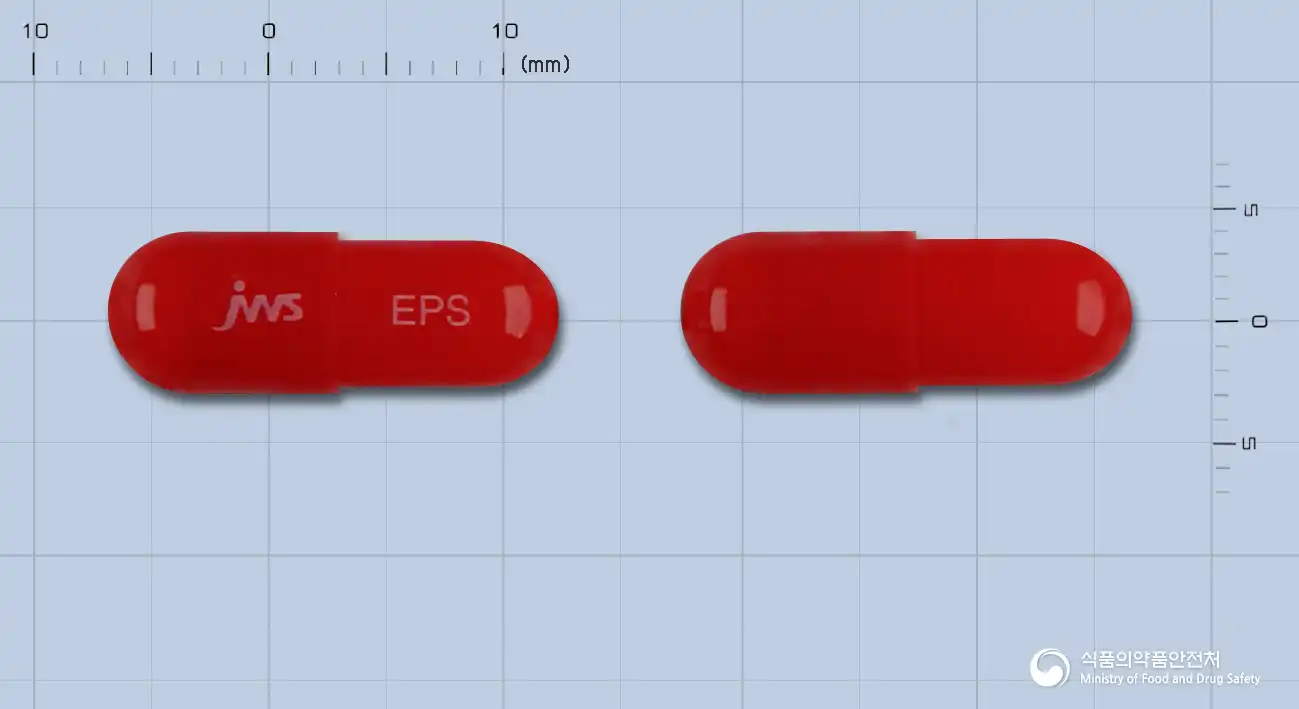 Combination
Pseudoephedrine Hydrochloride 120mg · Ebastine 10mg
Hard capsule · Prescription medication · Combination
JW Pharmaceutical Co., Ltd.
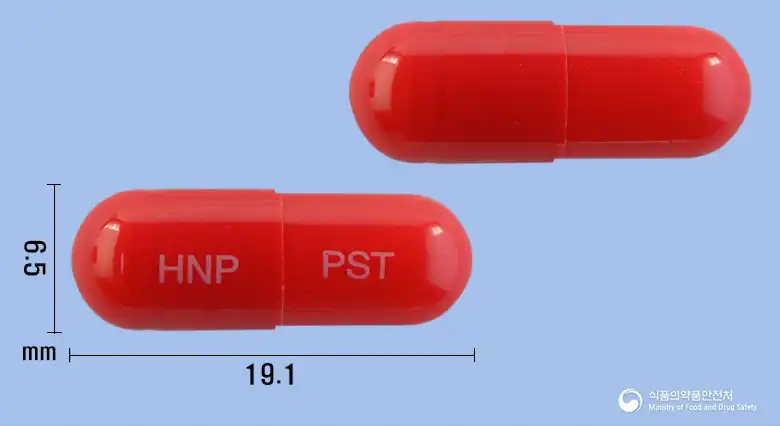 Combination
Pseudoephedrine Hydrochloride 120mg · Ebastine 10mg
Hard capsule · Prescription medication · Combination
Hana Pharmaceutical Co., Ltd.
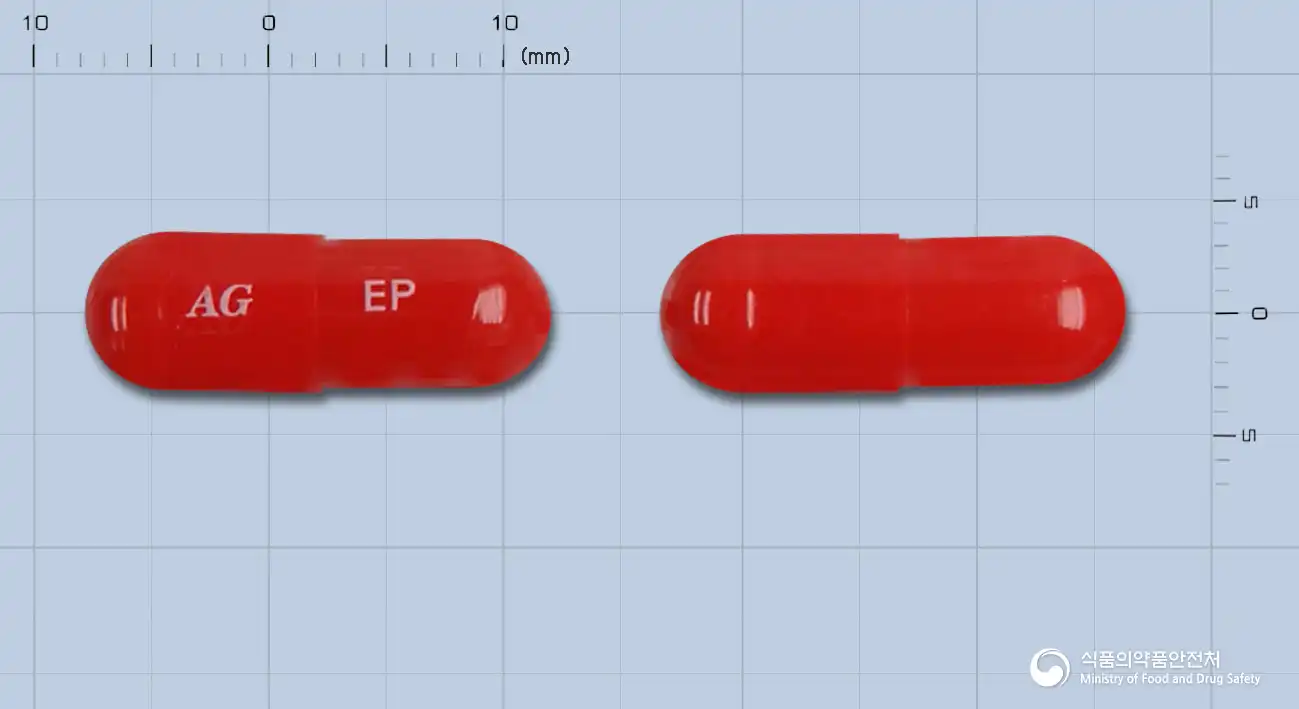 Combination
Pseudoephedrine Hydrochloride 120mg · Ebastine 10mg
Hard capsule · Prescription medication · Combination
Anguk Pharmaceutical Co., Ltd.
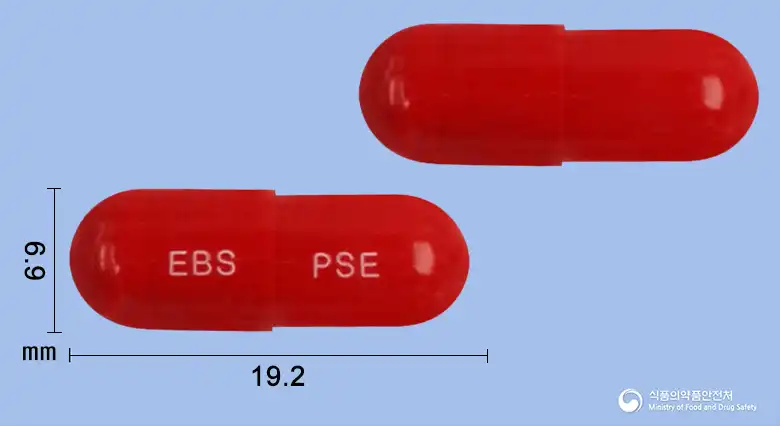 Combination
Pseudoephedrine Hydrochloride 120mg · Ebastine 10mg
Hard capsule · Prescription medication · Combination
Shinil Pharmaceutical Co., Ltd.
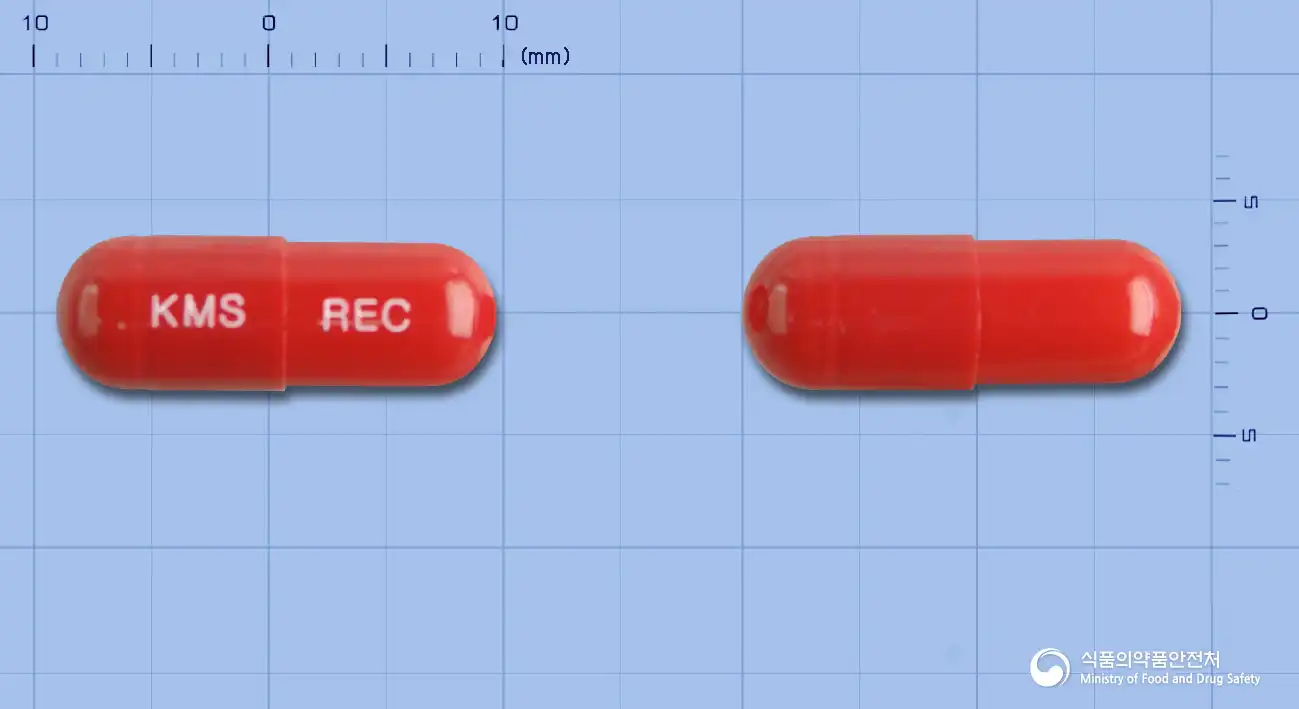 Combination
Pseudoephedrine Hydrochloride 120mg · Ebastine 10mg
Hard capsule · Prescription medication · Combination
KMS Pharmaceutical Co., Ltd.
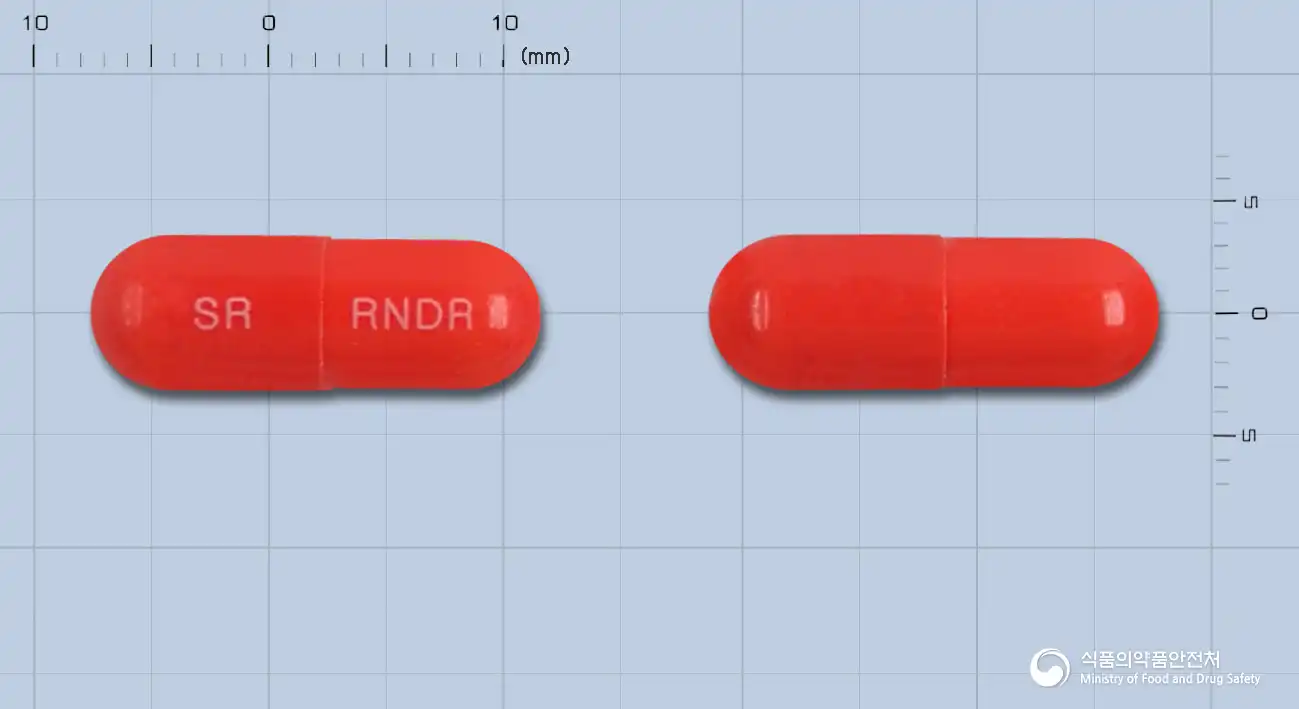 Combination
Pseudoephedrine Hydrochloride 120mg · Ebastine 10mg
Hard capsule · Prescription medication · Combination
Jinyang Pharmaceutical Co., Ltd.
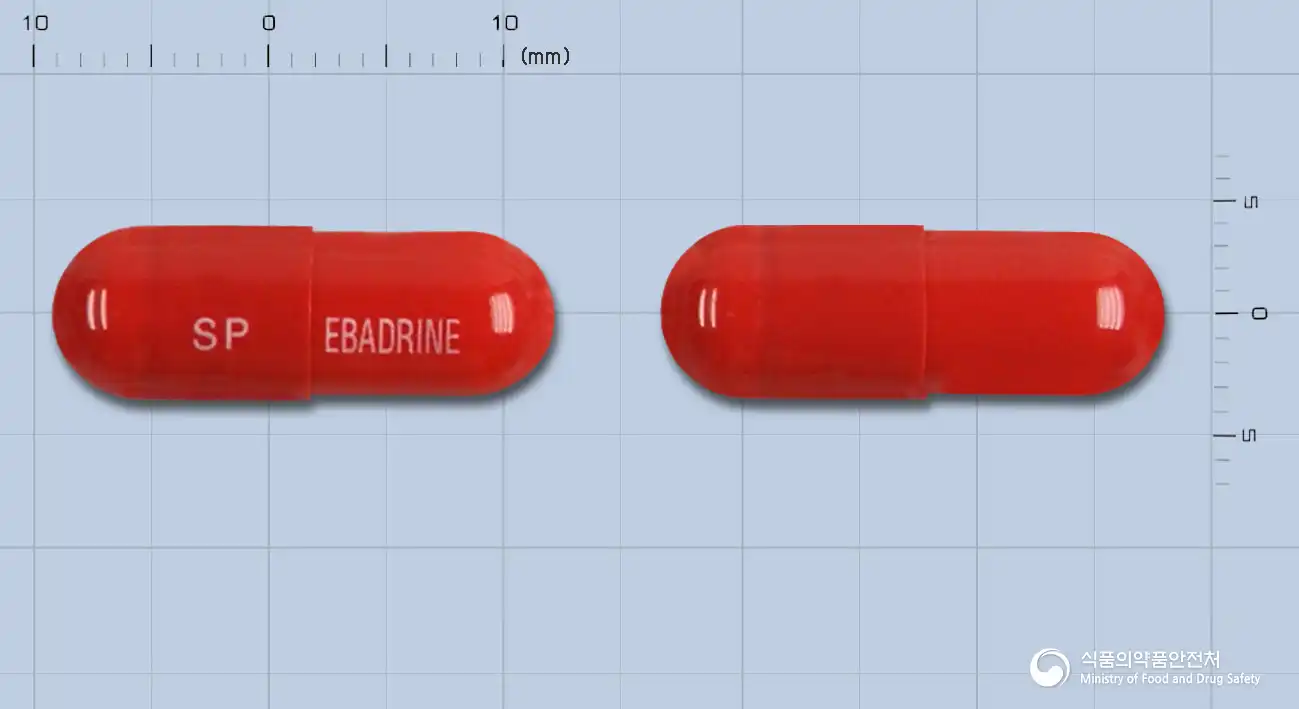 Combination
Pseudoephedrine Hydrochloride 120mg · Ebastine 10mg
Hard capsule · Prescription medication · Combination
Shinpoong Pharmaceutical Co., Ltd.
Even with the same ingredient, the dose and directions can differ by strength and dosage form. Talk to a doctor or pharmacist before switching from a medication you are already taking.
No questions yet.
For anything that needs medical judgment, consult a doctor or pharmacist.
This drug information is based on data provided by the Korea Ministry of Food and Drug Safety.
Consult a doctor or pharmacist for accurate dosage, administration, and usage instructions.