
 한국어
 English
 日本語
 中文(简体)
Dosage form image
Viewing nowAmantadine Tablets (Amantadine Sulfate)
Amantadine Sulfate 100mg
Tablet · Prescription medication
Korea Pharmaceutical Co., Ltd.
MFDS item code 200704626 · Notified 2007.04.20
This product's status changed to Approval withdrawn on 2025.01.14. It may no longer be sold, so consult a doctor or pharmacist before taking it.
Treatment of parkinsonism
This medication is used for Parkinson's disease. Parkinson's disease mainly causes disabilities in motor functions, and this medication helps improve symptoms and assists patients in their daily lives.
○ Adults Administer 100㎎ orally twice daily as amantadine sulfate. In patients with severe medical illness or those receiving another antiparkinsonian drug, administer an initial dose of 100㎎ once daily, and after 1 - several weeks, administer a maintenance dose of 100㎎ twice daily. The dose may be increased as directed by a physician, but should not exceed 400㎎ per day. ○ Elderly patients Do not exceed 100㎎ once daily.
This medication requires careful monitoring of heart health. Before taking the medication, multiple ECG (electrocardiogram) tests should be conducted to check heart rhythm and QT interval. If the QT interval significantly increases or unusual heart patterns occur, the medication should not be taken or should be immediately discontinued. Patients at risk of electrolyte imbalance, such as those taking diuretics, experiencing vomiting or diarrhea, using insulin, or having kidney problems, should carefully manage and supplement their serum potassium and magnesium levels. If symptoms like palpitations, dizziness, or fainting occur, stop taking the medication immediately and check heart status. Patients using a pacemaker should determine the administration based on a doctor's judgment, as evaluating the heart effects of this medication can be challenging. This medication should not be used in certain patients, such as those allergic to the medication or its components, patients with seizures, peptic ulcer, severe kidney disease, pregnant or breastfeeding women, and those with severe heart disease. People with genetic lactose intolerance should also avoid this medication. Additionally, patients with a history of epilepsy or cardiovascular disease, poor kidney function, liver impairment, low blood pressure, elderly individuals, or those with mental health issues or suicidal tendencies should use this medication cautiously. Caution is also necessary for those allergic to specific dyes contained in this medication. Problems may occur with the eyes, so if symptoms like vision impairment or keratitis appear, stop taking the medication immediately and seek medical attention. This medication can cause various side effects, including cardiac arrhythmias, neurological symptoms (e.g., hallucinations, anxiety, insomnia), gastrointestinal issues (constipation, nausea, etc.), autonomic nervous system abnormalities (dry mouth, low blood pressure), skin rashes, and liver dysfunction. Stopping this medication abruptly may worsen Parkinson's symptoms, so any dosage reduction should be done slowly under a doctor's direction. Patients with poor kidney function must be cautious as the drug may accumulate in the body, increasing the risk of toxicity. Moreover, this medication has many drug interactions, and taking it with drugs that prolong the QT interval can be dangerous, so consultation with a doctor is necessary. It can be used with antiparkinsonian medications, but dosage adjustments may be necessary to minimize side effects. If pregnant or possibly pregnant, the use of this medication may pose risks to the fetus and should only be administered when absolutely necessary. During breastfeeding, it may cause side effects in the baby, and breastfeeding may need to be stopped. Elderly patients commonly have reduced kidney function, so dosage and administration intervals should be adjusted, and their condition closely monitored. In case of overdose, severe symptoms like vomiting, coma, or seizures may occur, necessitating immediate emergency treatment. There is no specific antidote, so gastric lavage and supportive care are crucial. When taking this medication, regular check-ups with a doctor are advised, and any unusual symptoms should be reported immediately.
Not everyone experiences these, and they can vary from person to person.
This medication should be stored in a tightly sealed container to protect it from air and moisture. Additionally, it is best to store the medication at room temperature, avoiding extreme heat or cold.
Orange oblong film-coated tablets
30 tablets/bottle, 300 tablets/bottle
Even with the same ingredient, strength, dosage form and how it is taken can differ.
Amantadine Sulfate 100mg
Tablet · Prescription medication
Korea Pharmaceutical Co., Ltd.
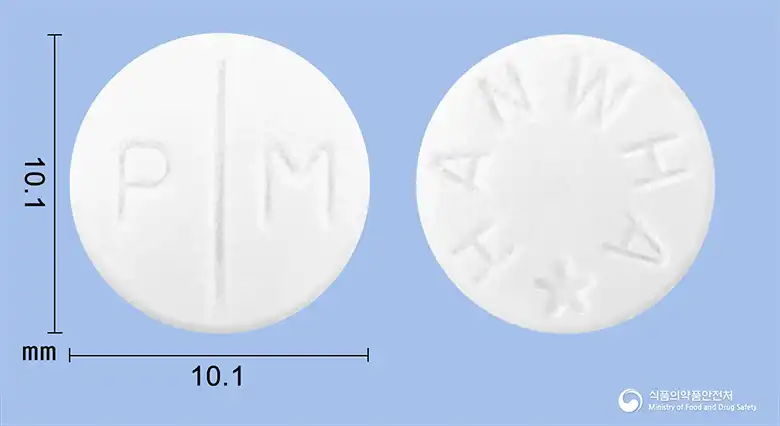
Amantadine Sulfate 100mg
Tablet · Prescription medication
Hanwha Pharmaceutical Co., Ltd.
Amantadine Sulfate 0.4mg
Injections · Prescription medication
Hanwha Pharmaceutical Co., Ltd.
Even with the same ingredient, the dose and directions can differ by strength and dosage form. Talk to a doctor or pharmacist before switching from a medication you are already taking.
No questions yet.
For anything that needs medical judgment, consult a doctor or pharmacist.
This drug information is based on data provided by the Korea Ministry of Food and Drug Safety.
Consult a doctor or pharmacist for accurate dosage, administration, and usage instructions.