
 한국어
한국어 English
 日本語
日本語 中文(简体)
 Viewing now
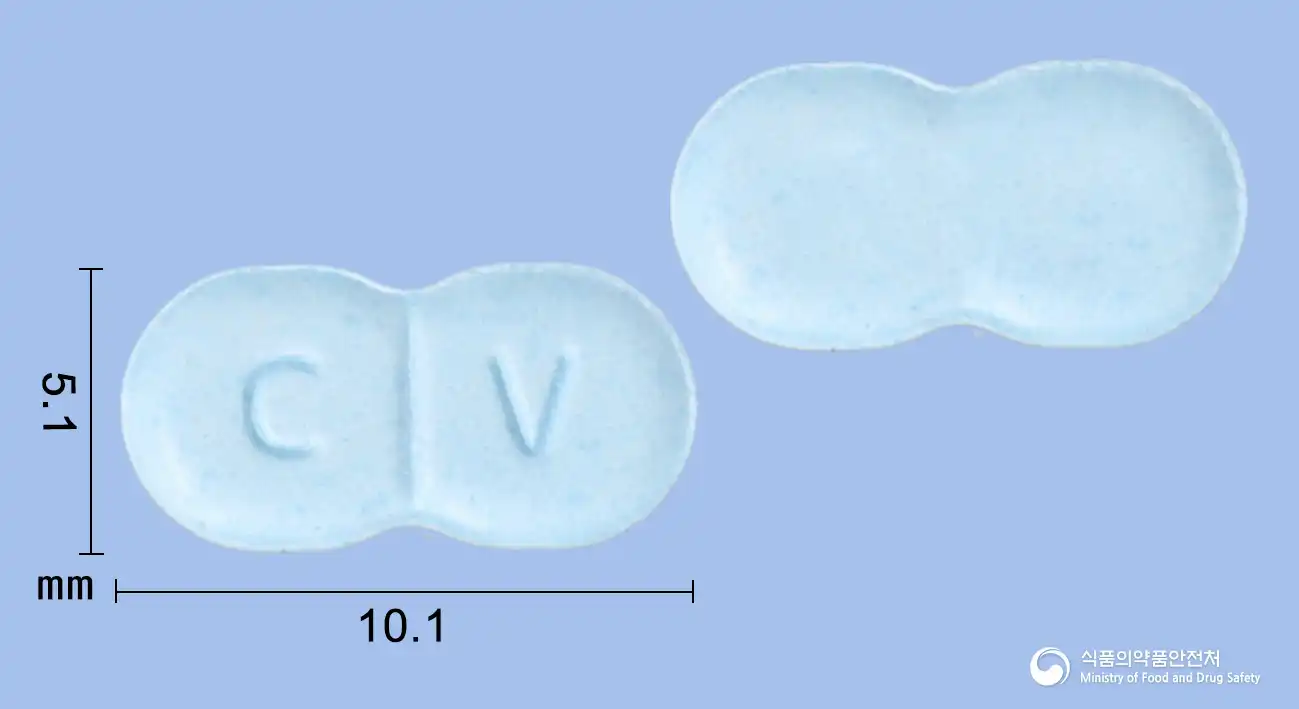
Glymepiride Tablets 4 mg
Glimepiride 4mg
Tablet · Prescription medication
HanKook Pavis Pharmaceutical Co., Ltd.
MFDS item code 200704611 · Notified 2007.04.20 · Insurance code 621801660
Improvement of blood sugar control in type 2 diabetes
This medication is used alongside dietary control and exercise therapy to help control blood sugar in patients with type 2 diabetes. It can be used alone, but can also be combined with insulin if blood sugar control is insufficient with oral hypoglycemics. Furthermore, if control is not achieved with sulfonylureas or metformin alone, this medication can be used in conjunction with metformin to enhance therapeutic effect. This helps in effectively managing blood sugar and preventing complications associated with diabetes.
Adjust for each patient individually. Take once daily by mouth, before breakfast or just before the first meal. Swallow without chewing, with more than 1/2 cup of water. 1. Monotherapy - Initial dose: Start with 1 mg of glymepiride once a day. - Dosage may be increased by 1 mg at intervals of 1-2 weeks. - Generally, increasing the dose beyond 4 mg offers little additional benefit, but in some cases,
This medication should not be used in patients with insulin-dependent diabetes, diabetic ketoacidosis, or in a state of coma. Additionally, it should be avoided in patients with a known allergy to this medication or its components, in patients with severe liver or kidney dysfunction, pregnant or breastfeeding women, patients with severe infections or those before and after surgery, and in patients with gastrointestinal disorders. Caution should be exercised, especially at the beginning of treatment, due to the high risk of hypoglycemia, and elderly patients, those with poor nutritional status or irregular meals, those who frequently consume alcohol, and those with weakened liver or kidney function should be monitored carefully. Due to its blood sugar-lowering effect, hypoglycemic symptoms may occur, which may include headaches, severe hunger, nausea, fatigue, drowsiness, confusion, and loss of consciousness. If hypoglycemia is suspected, sugary foods should be ingested immediately, and in severe cases, rapid treatment in a medical institution is required. While taking this medication, regular monitoring of blood sugar and liver and kidney function tests should be performed, and attention should be paid to interactions with other medications. Particularly, co-administration with certain antibiotics, antifungals, blood pressure medications, or anticoagulants may affect blood sugar control, so inform your doctor or pharmacist. Pregnant or breastfeeding women should not use this medication and should switch to insulin therapy if necessary. Safety in children under 18 years of age has not been established, so usage should be avoided. Severe hypoglycemia may occur in case of overdose, so strict adherence to the prescribed dosage is necessary, and immediate medical attention should be sought in case of overdose. This medication should be kept out of reach of children, and it is important to store it sealed in its original container.
Not everyone experiences these, and they can vary from person to person.
This medication may be sensitive to air or moisture, so it should be stored in a tightly closed container. The storage temperature should be maintained at room temperature between 1°C and 30°C. This will help safely preserve the medication's effectiveness.
Pale blue rectangular tablet
30 tablets/bottle, 500 tablets/bottle
Even with the same ingredient, strength, dosage form and how it is taken can differ.
Viewing nowGlimepiride 4mg
Tablet · Prescription medication
HanKook Pavis Pharmaceutical Co., Ltd.
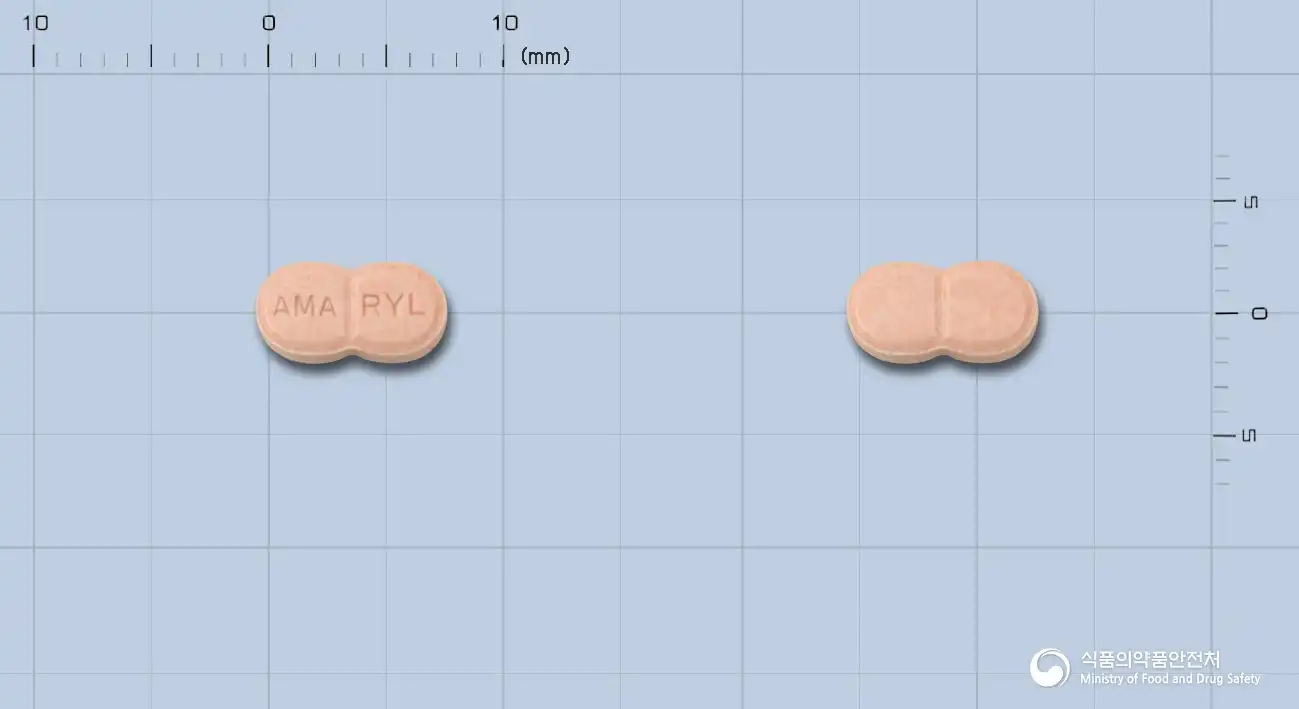
Glimepiride 1mg
Tablet · Prescription medication
Handok Co., Ltd.
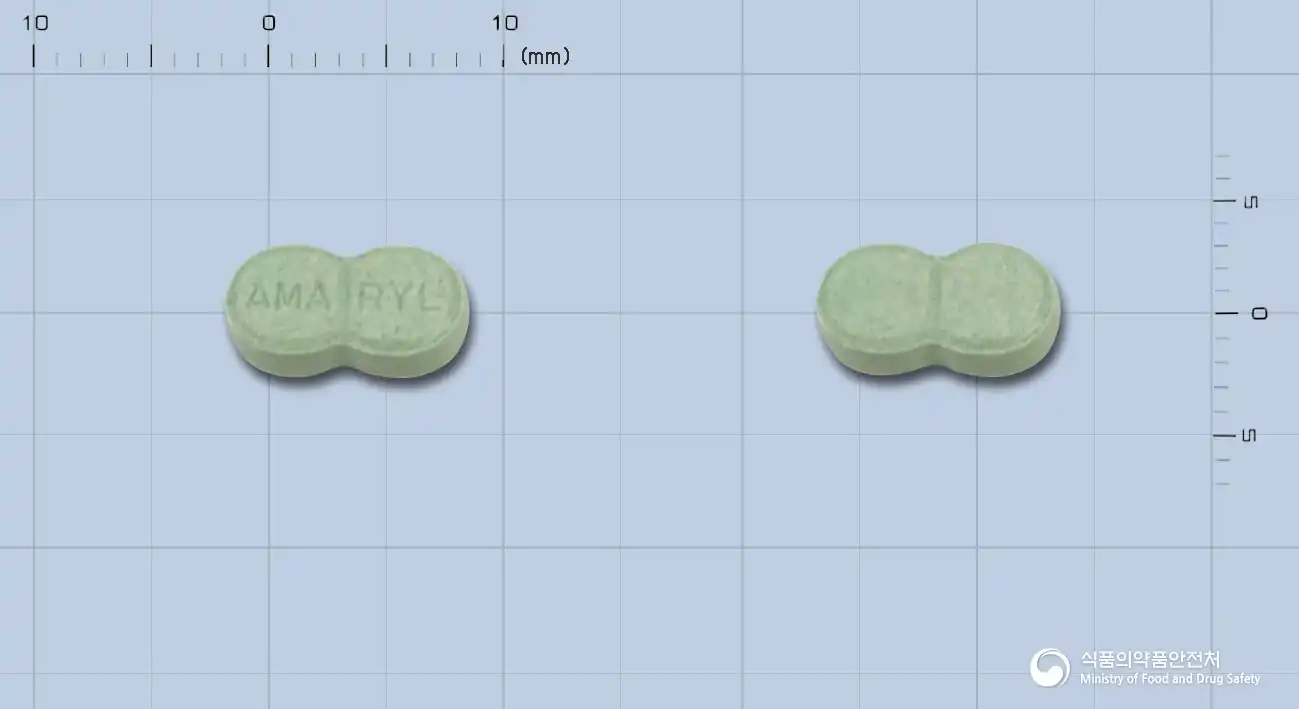
Glimepiride 2mg
Tablet · Prescription medication
Handok Co., Ltd.
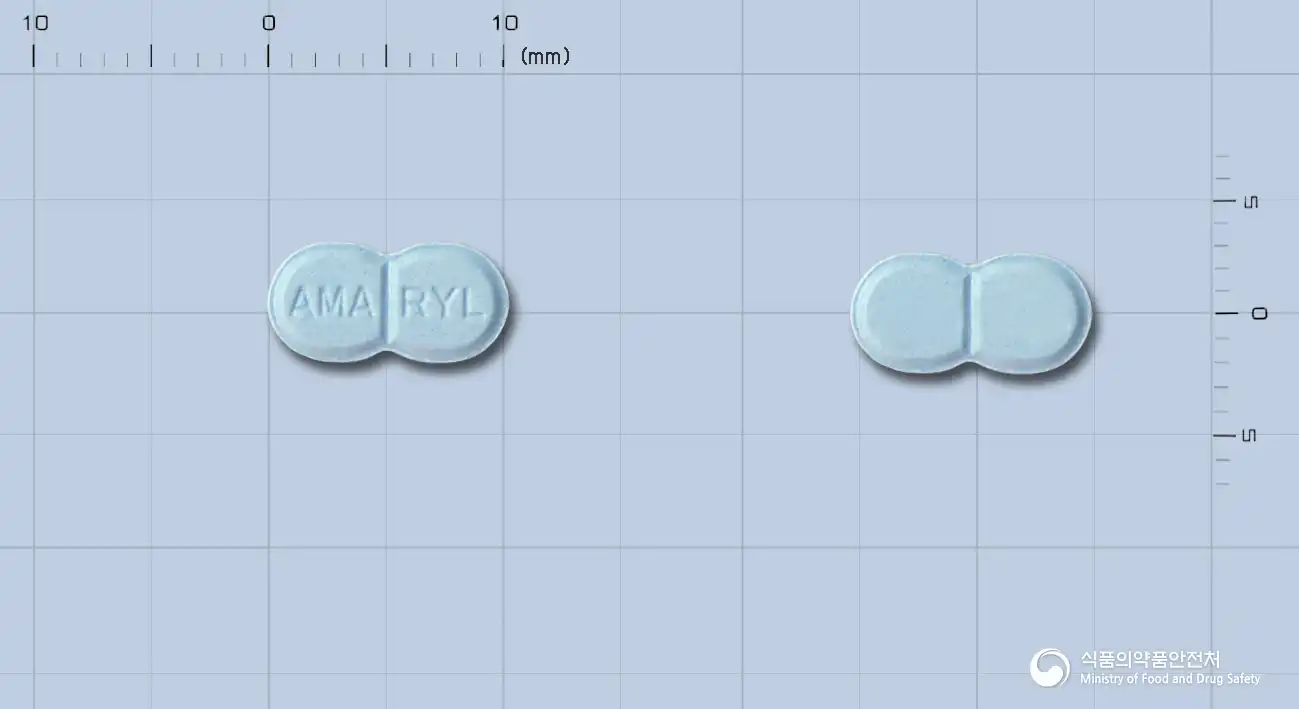
Glimepiride 4mg
Tablet · Prescription medication
(Hanmi Pharmaceutical Co., Ltd.)
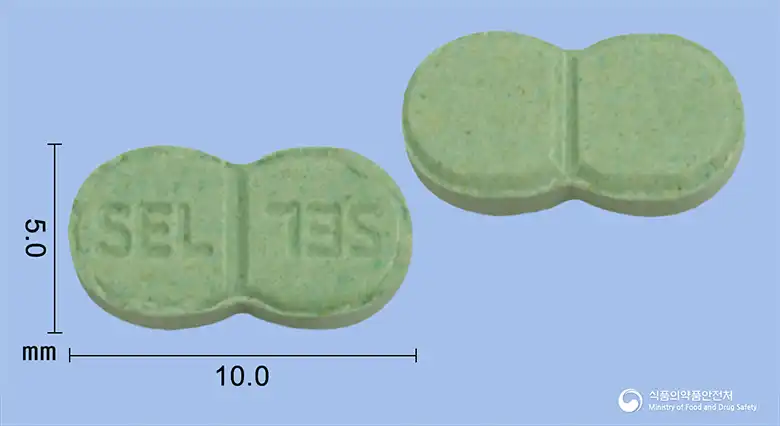
Glimepiride 2mg
Tablet · Prescription medication
Seoul Pharmaceutical Co., Ltd.
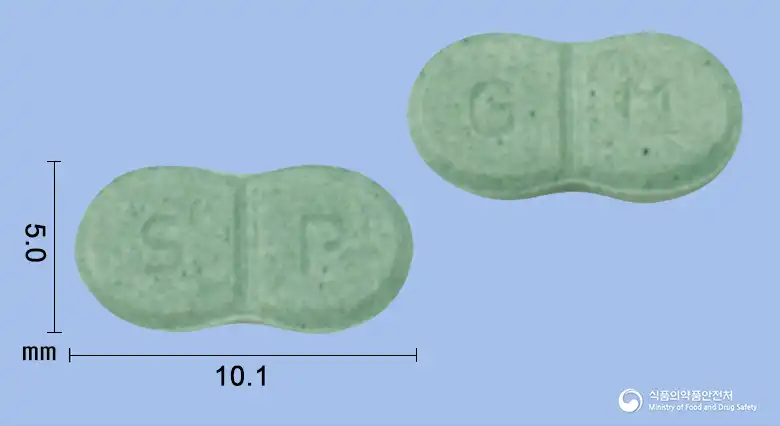
Glimepiride 2mg
Tablet · Prescription medication
Shinpoong Pharmaceutical Co., Ltd.
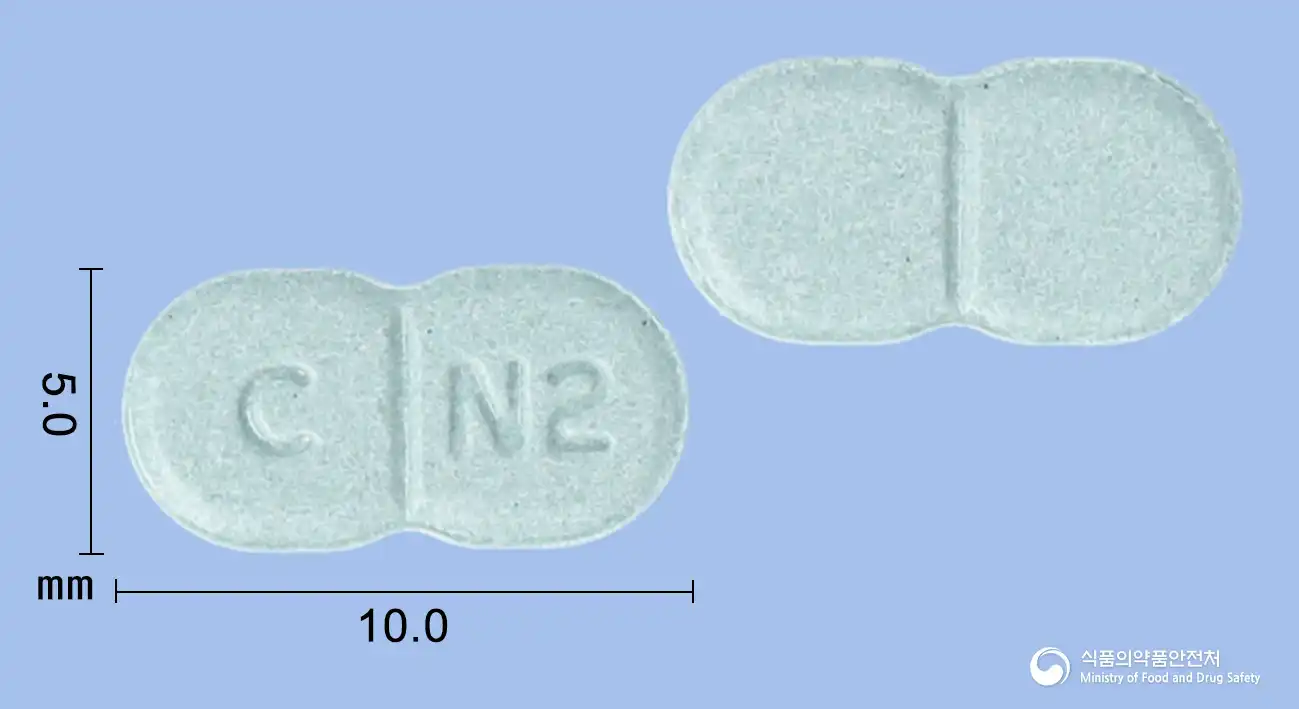
Glimepiride 2mg
Tablet · Prescription medication
Jongkundang Co., Ltd.
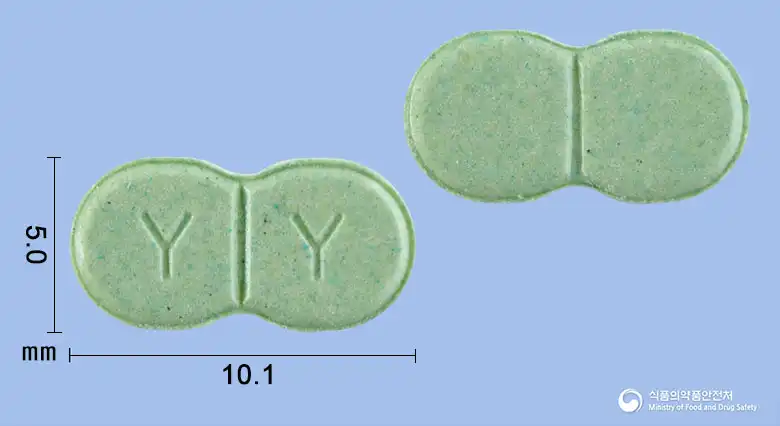
Glimepiride 2mg
Tablet · Prescription medication
IYun Pharmaceuticals Co., Ltd.
Even with the same ingredient, the dose and directions can differ by strength and dosage form. Talk to a doctor or pharmacist before switching from a medication you are already taking.
No questions yet.
For anything that needs medical judgment, consult a doctor or pharmacist.
This drug information is based on data provided by the Korea Ministry of Food and Drug Safety.
Consult a doctor or pharmacist for accurate dosage, administration, and usage instructions.