
 한국어
한국어 English
 日本語
日本語 中文(简体)
 Viewing nowCombination
Aminox 500mg (Amoxicillin/Sulbactam Film-Coated Tablet)
Amoxicillin Hydrate 250mg · Sulbactam Pivoxil 250mg
Tablet · Prescription medication · Combination
Samik Pharmaceutical Co., Ltd.
MFDS item code 200703163 · Notified 2007.03.15 · Insurance code 644001210
Treatment of upper and lower respiratory infections, urinary tract infections, etc.
This medication works effectively against various bacteria. It is used for infections by a variety of bacteria including Staphylococcus aureus, Staphylococcus epidermidis, Streptococcus pneumoniae, Escherichia coli, and Neisseria gonorrhoeae. It is primarily prescribed for upper respiratory infections such as otitis media, sinusitis, and tonsillitis, as well as lower respiratory infections like bronchitis and pneumonia. Additionally, it is effective for the treatment of upper and lower urinary tract infections, skin and wound infections, gynecological infections, and abdominal infections. This medication is also effective against polymicrobial infections including resistant bacteria such as beta-lactamase-producing strains, thus being safely and reliably used for bacterial infections in multiple sites.
Adults and children aged over 12 years: 1 dose of amoxicillin and sulbactam film-coated tablet 500 – 1000mg (potency), administered orally 3 times a day.
This drug is a penicillin-class antibiotic and should not be used in patients with specific allergic reactions. Particularly, administration should be avoided in cases of hypersensitivity to the components of this drug or similar antibiotics. Caution is needed in patients with viral infections like infectious mononucleosis, as they are at a higher risk of rash. Additionally, patients with genetic metabolic disorders such as lactose intolerance should not receive this medication. This drug should be used carefully in patients with a history of gastrointestinal diseases or those who are allergic. Patients with severely impaired renal function may experience increased drug concentration, thus dosing intervals should be adjusted. Patients who cannot take it orally or the elderly may have a risk of bleeding due to vitamin K deficiency, so their condition should be monitored closely. During use, gastrointestinal symptoms such as nausea, vomiting, and diarrhea may appear, and in severe cases, pseudomembranous colitis may occur; thus, if abdominal pain or frequent diarrhea occurs, the use of the drug should be stopped immediately. Allergic reactions may present with skin rashes, urticaria, anaphylaxis, or shock, and if any abnormal symptoms arise, treatment should be discontinued immediately and medical help should be sought. Various adverse effects including renal or liver function abnormalities, blood disorders, and dysbiosis have been reported, necessitating regular testing and monitoring. This drug can interact with other medications; therefore, caution is required, especially when taken with methotrexate, probenecid, or oral contraceptives. While the risk to the fetus during pregnancy is low, it should only be used when the benefits of treatment outweigh the risks, and during breastfeeding, careful administration is necessary as it may affect the baby. Children, particularly newborns and infants under 6 months, require greater caution due to immature renal function. The elderly may be at a higher risk of side effects due to diminished bodily functions and thus should have their dosages and intervals adjusted, with close monitoring of their condition. Overdosage may result in neurological symptoms or renal failure, and any instances should be reported to a healthcare professional immediately for appropriate treatment. This drug should be used carefully when administered alongside other antibiotics, ensuring they are not mixed but instead given at different sites or intervals.
Urticaria, erythema multiforme, Quincke's edema, anaphylaxis (severe allergic reaction), serum sickness-like reactions, hypersensitivity vasculitis, severe skin reactions (Stevens-Johnson syndrome, toxic epidermal necrolysis, polymorphic erythema, exfoliative dermatitis, DRESS, AGEP, linear IgA disease), pseudomembranous colitis (severe colitis associated with bloody diarrhea), liver dysfunction and jaundice, acute renal failure, interstitial nephritis, urinary obstruction.
Vomiting, diarrhea, loss of appetite, upper abdominal pain, nausea, abdominal pain, itching, rash, swelling, headache, fatigue, malaise, chills, temporary taste changes, dry mouth, nosebleed, glossitis, neuritis, hypotension, leukocytosis, decreased serum albumin and total protein, blood disorders (anemia, hemolytic anemia, thrombocytopenia, neutropenia, eosinophilia), symptoms of vitamin K deficiency, symptoms of vitamin B complex deficiency have been reported.
Not everyone experiences these, and they can vary from person to person.
This medication should be stored in a tightly sealed container to prevent air or moisture from entering, and it is best kept at room temperature between 1 to 30 degrees Celsius. This helps maintain the drug's effectiveness.
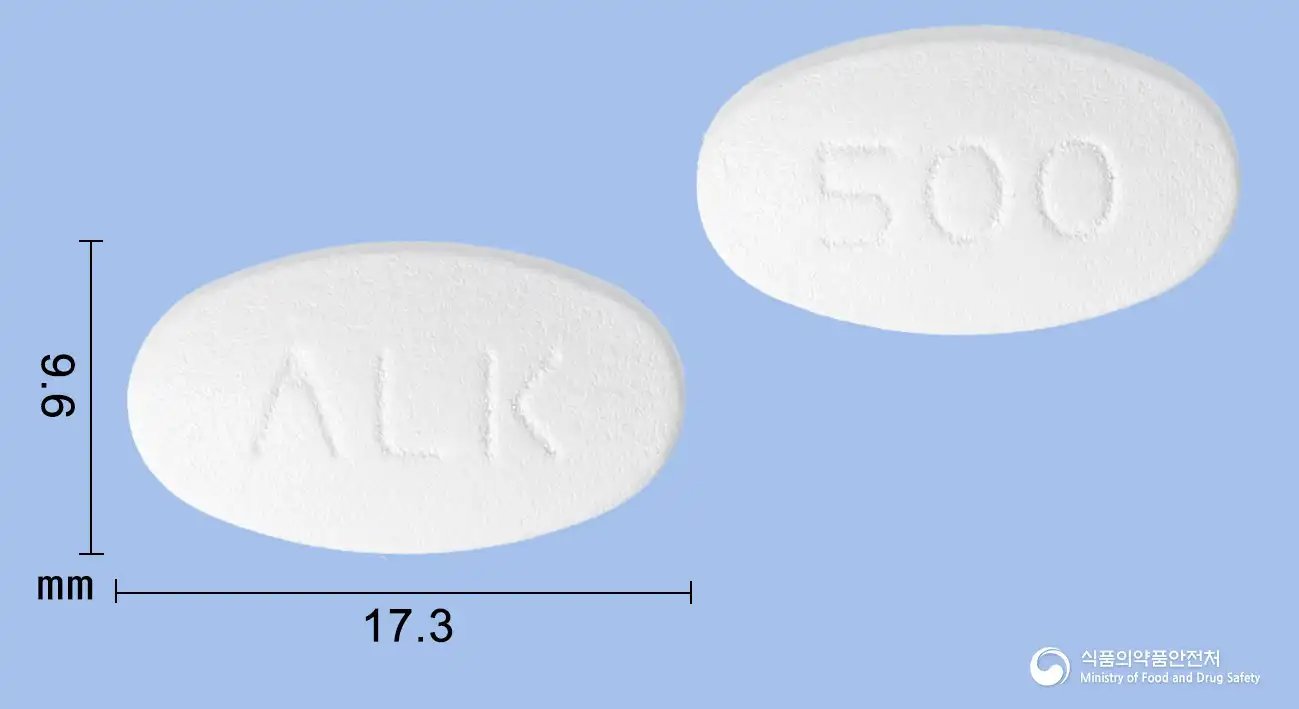
White oval film-coated tablet
30 tablets/bottle, 300 tablets/bottle
Even with the same ingredient, strength, dosage form and how it is taken can differ.
Viewing nowCombinationAmoxicillin Hydrate 250mg · Sulbactam Pivoxil 250mg
Tablet · Prescription medication · Combination
Samik Pharmaceutical Co., Ltd.
 Combination
Amoxicillin Hydrate 250mg · Sulbactam Pivoxil 250mg
Tablet · Prescription medication · Combination
Albogenz Korea Co., Ltd.
Amoxicillin Hydrate · Sulbactam Pivoxil
Prescription medication · Combination
Nexpam Korea Co., Ltd.
Amoxicillin Hydrate · Sulbactam Pivoxil
Prescription medication · Combination
Boryung Pharmaceutical Co., Ltd.
Amoxicillin Hydrate · Sulbactam Pivoxil
Prescription medication · Combination
Daehan Pharmaceutical Co., Ltd.
Amoxicillin Hydrate · Sulbactam Pivoxil
Prescription medication · Combination
Daewoong Bio Co., Ltd.
Amoxicillin Hydrate · Sulbactam Pivoxil
Prescription medication · Combination
Korea Union Pharmaceutical Co., Ltd.
Amoxicillin · Sulbactam Pivoxil
Prescription medication · Combination
Kujoo Pharmaceutical Co., Ltd.
Even with the same ingredient, the dose and directions can differ by strength and dosage form. Talk to a doctor or pharmacist before switching from a medication you are already taking.
No questions yet.
For anything that needs medical judgment, consult a doctor or pharmacist.
This drug information is based on data provided by the Korea Ministry of Food and Drug Safety.
Consult a doctor or pharmacist for accurate dosage, administration, and usage instructions.