
 한국어
한국어 English
 日本語
日本語 中文(简体)
 Viewing nowCombination
Bakthamoksinjeong 500mg (Amoxicillin Hydrate · Sulbactam Coated Tablet)
Amoxicillin Hydrate 250mg · Sulbactam Pivoxil 250mg
Tablet · Prescription medication · Combination
Anguk Pharmaceutical Co., Ltd.
MFDS item code 200703161 · Notified 2007.03.15 · Insurance code 650200660
Treatment of upper and lower respiratory tract infections, urinary and skin infections
This medication is effective against various bacteria including Staphylococcus aureus, Streptococcus pneumoniae, Escherichia coli, and Neisseria gonorrhoeae. It is particularly used for the treatment of upper respiratory tract infections (otitis media, sinusitis, tonsillitis, pharyngitis, laryngitis), lower respiratory tract infections (bronchitis, pneumonia), urinary tract infections, skin and wound infections, gynecological and abdominal infections. It helps to effectively improve diseases caused by various types of bacterial infections.
Adults and children over 12 years: Administer 1 dose of amoxicillin and sulbactam coated tablet as 500 ~ 1000mg (equivalent), orally three times a day.
This medication is a penicillin-type antibiotic and should not be used in individuals with specific allergic conditions. Patients with hypersensitivity to the components of this medication or penicillin and cephalosporin drugs should avoid administration. Additionally, patients genetically unable to digest lactose should not take this medication due to the presence of lactose. Care should be taken when using this medication in patients with a history of gastrointestinal disease or allergies, significantly impaired kidney function, elderly individuals, etc. During use, gastrointestinal symptoms such as vomiting, diarrhea, and abdominal pain may occur, and in severe cases, serious conditions such as pseudomembranous colitis may develop, so if symptoms worsen, medication should be stopped immediately and medical consultation should be sought. Allergic reactions such as skin rashes, urticaria, dyspnea, and anaphylactic shock may occur, so if such symptoms appear, medication should be stopped immediately and emergency measures should be taken. It can affect kidney function, so if symptoms of kidney dysfunction appear, it is important to notify medical personnel, and regular blood tests to check for anemia or thrombocytopenia are recommended. Prolonged use may result in dysbiosis, where fungi or other bacteria overgrow, therefore if symptoms like stomatitis or candidiasis appear, medication should be stopped and treated. Cases of liver dysfunction or jaundice have also been reported, necessitating regular liver function tests. Rarely, neurological symptoms such as headache, seizures, and aseptic meningitis may also occur, so if there are any abnormal symptoms, consultation with medical personnel should be sought immediately. While this medication poses a low risk to the fetus during pregnancy, it should only be used when necessary, and caution is required during breastfeeding as the drug can be secreted in breast milk, potentially affecting the baby. Children, particularly newborns under 6 months, require careful observation during administration due to incomplete kidney function. Elderly individuals should also use this medication carefully, adjusting the dose and frequency due to decreased bodily function, so as to minimize the risk of adverse reactions. This medication can interact with other drugs, so if there are any medications currently being taken, it must be reported to healthcare professionals. Caution is particularly needed when taken with methotrexate, probenecid, allopurinol, and oral contraceptives. In cases of overdose, neurological symptoms or kidney failure may occur, necessitating immediate treatment in a hospital, and if necessary, blood dialysis may be performed to remove the drug. Finally, this medication may lose its effectiveness when mixed with other antibiotics, so it is essential to follow the prescribed administration method and intervals.
Nausea, vomiting, diarrhea, loss of appetite, upper abdominal pain, abdominal pain, dyspepsia, itching, dry mouth, taste changes, nosebleed, fatigue, malaise, chills, fever, glossitis, urticaria, rash, edema, thrombocytopenia, anemia, hemolytic anemia, neutropenia, eosinophilia, agranulocytosis, lymphocytosis, monocytosis, decreased serum albumin, decreased total protein, moniliasis, drug reaction (DRESS), acute generalized exanthematous pustulosis
Not everyone experiences these, and they can vary from person to person.
This medication should be stored in a well-closed container that is airtight, with a storage temperature maintained between 1 degree and 30 degrees Celsius at room temperature. Storing it this way helps to maintain the drug's effectiveness for a longer time.
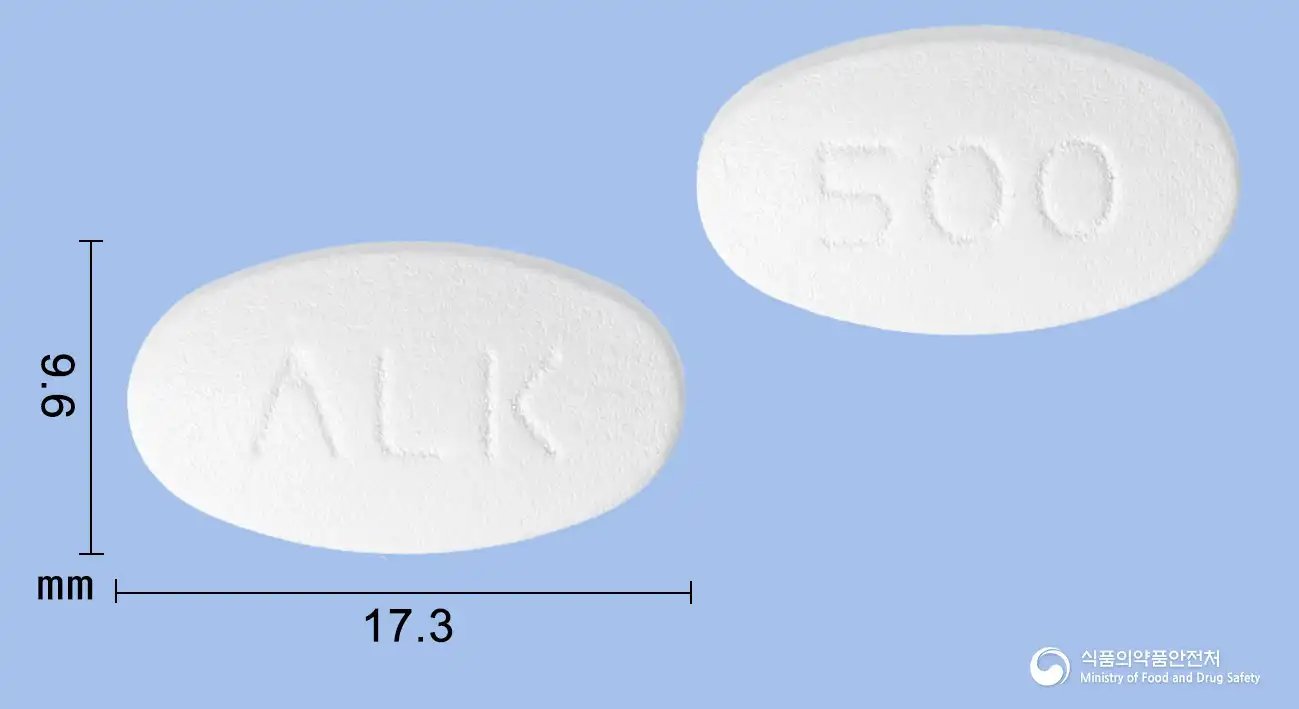
White oval film-coated tablet
30 tablets/bottle, 300 tablets/bottle
Even with the same ingredient, strength, dosage form and how it is taken can differ.
Viewing nowCombinationAmoxicillin Hydrate 250mg · Sulbactam Pivoxil 250mg
Tablet · Prescription medication · Combination
Anguk Pharmaceutical Co., Ltd.
 Combination
Amoxicillin Hydrate 250mg · Sulbactam Pivoxil 250mg
Tablet · Prescription medication · Combination
Albogenz Korea Co., Ltd.
Amoxicillin Hydrate · Sulbactam Pivoxil
Prescription medication · Combination
Nexpam Korea Co., Ltd.
Amoxicillin Hydrate · Sulbactam Pivoxil
Prescription medication · Combination
Boryung Pharmaceutical Co., Ltd.
Amoxicillin Hydrate · Sulbactam Pivoxil
Prescription medication · Combination
Daehan Pharmaceutical Co., Ltd.
Amoxicillin Hydrate · Sulbactam Pivoxil
Prescription medication · Combination
Daewoong Bio Co., Ltd.
Amoxicillin Hydrate · Sulbactam Pivoxil
Prescription medication · Combination
Korea Union Pharmaceutical Co., Ltd.
Amoxicillin · Sulbactam Pivoxil
Prescription medication · Combination
Kujoo Pharmaceutical Co., Ltd.
Even with the same ingredient, the dose and directions can differ by strength and dosage form. Talk to a doctor or pharmacist before switching from a medication you are already taking.
No questions yet.
For anything that needs medical judgment, consult a doctor or pharmacist.
This drug information is based on data provided by the Korea Ministry of Food and Drug Safety.
Consult a doctor or pharmacist for accurate dosage, administration, and usage instructions.