
 한국어
 English
 日本語
 中文(简体)
 Viewing now
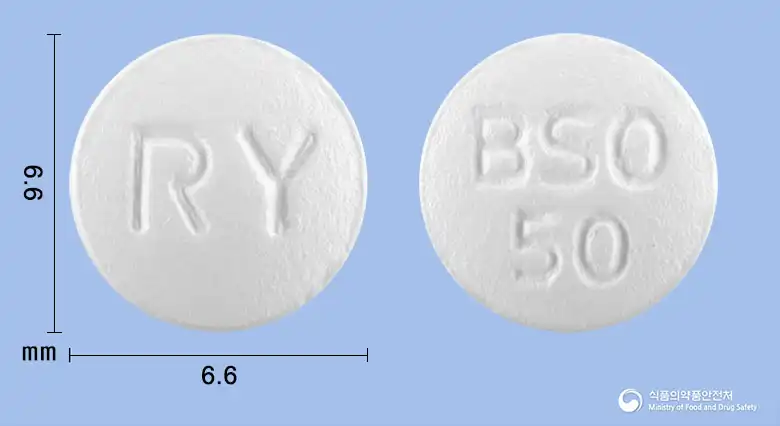
Bicaso Tablets (Bicalutamide)
Bicalutamide 50mg
Tablet · Prescription medication
IYON Pharmaceutical Co., Ltd.
MFDS item code 200702738 · Approved 2007.02.28 · Insurance code 658601260
Treatment of high-risk, locally advanced, nonmetastatic prostate cancer and advanced prostate cancer
This medication helps treat advanced prostate cancer in conjunction with luteinizing hormone-releasing hormone (LHRH) analogues or castration surgery. It is also used alone or in combination with radical prostatectomy or radiation therapy in patients with high-risk locally advanced non-metastatic prostate cancer. This contributes to enhancing the treatment effect of prostate cancer and suppressing disease progression.
1. Adult men and elderly patients receiving this drug in combination with a luteinizing hormone-releasing hormone (LHRH) analogue or in combination with surgical castration : Administer 50 mg of bicalutamide orally once daily. Start taking this drug at least 3 days before administration of the LHRH analogue or on the day of surgical castration. 2. Patients with locally advanced, nonmetastatic prostate cancer at high risk of disease progression, receiving this drug as monotherapy or as adjuvant therapy to radical prostatectomy or radiotherapy : Adult men and elderly patients: Administer 150 mg of bicalutamide orally once daily. This 150 mg regimen should be continued for at least 2 years or until disease progression.
This medication should not be used in women and children under 18 years of age. Do not administer this medication to individuals with an allergic reaction to this drug or its components. Do not take this medication in conjunction with specific drugs such as terfenadine, astemizole, or cisapride. It should not be used in patients with a history of liver damage or severe liver impairment, and those with liver function issues should use it cautiously. Since this medication contains lactose, it should not be administered to patients with lactose intolerance or certain genetic metabolic disorders. Regular liver function tests are important during treatment, and if symptoms such as liver toxicity or jaundice appear, consult a physician immediately. This medication may affect certain components in the blood, leading to side effects such as anemia, hematuria, rash, dizziness, dry skin, hair loss, gynecomastia, weakness, loss of appetite, decreased libido, depression, drowsiness, indigestion, abdominal bloating, vomiting, hypertrichosis, dry skin, pruritus, erectile dysfunction, chest pain, weight gain, hypersensitivity reactions, angioedema, urticaria, photosensitivity, dry mouth, insomnia, confusion, enuresis, sweating, hyperglycemia, weight loss, diabetes, headache, and bone pain. Cardiac-related adverse reactions have also been reported, so caution is required in patients with heart disease or those presenting cardiac symptoms. This medication may interact with other drugs; particularly, when used with anticoagulants (coumarin derivatives), there is an increased risk of bleeding, necessitating blood tests and dose adjustments. Caution is advised during driving or operating machinery due to possible confusion or drowsiness. Pregnant or lactating women should not use this medication. When administering to elderly patients, careful observation of heart and circulatory conditions is necessary. There is no specific antidote for overdose; appropriate treatment should be provided according to symptoms, and hemodialysis may not be effective. This medication should be stored out of reach of children in its original container for safety. It may impact reproductive function with prolonged use, so appropriate contraceptive methods should be employed for a certain period post-administration. There is a risk of cardiac rhythm abnormalities such as QT interval prolongation, so patients with a history of heart disease or those taking related medications should consult healthcare professionals.
Not everyone experiences these, and they can vary from person to person.
This medication should be kept in a tightly sealed container to avoid exposure to air or moisture and should be stored in a cool place below 30 degrees Celsius. Storing it this way can help maintain the drug's effectiveness over time.
White round film-coated tablet
28 tablets (14 tablets/PTP × 2)
Even with the same ingredient, strength, dosage form and how it is taken can differ.
Viewing nowBicalutamide 50mg
Tablet · Prescription medication
IYON Pharmaceutical Co., Ltd.
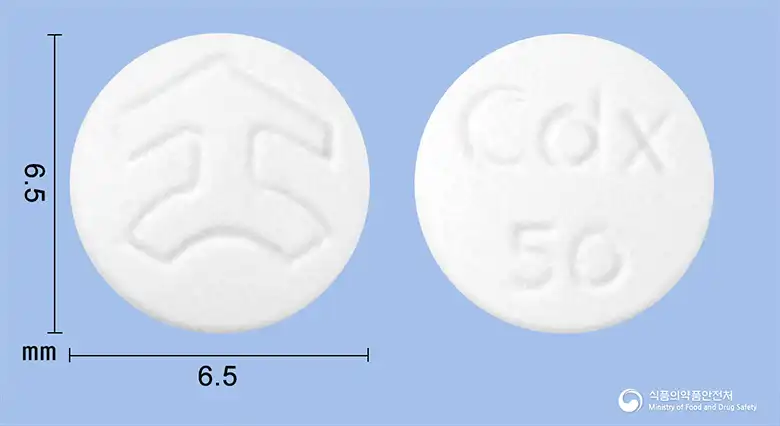
Bicalutamide 50mg
Tablet · Prescription medication
AstraZeneca Korea Co., Ltd.
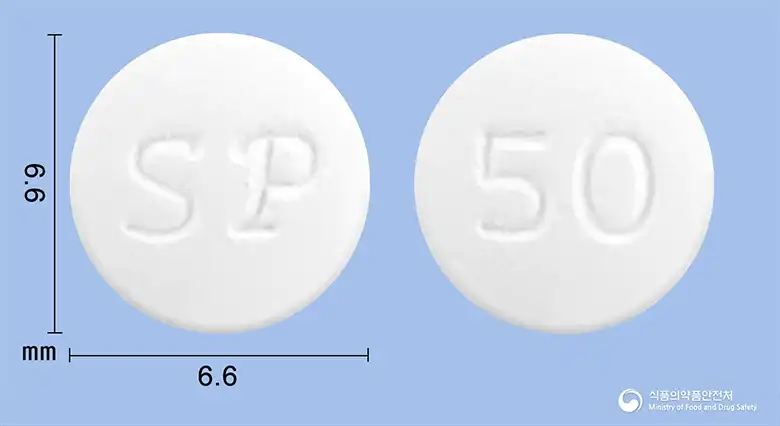
Bicalutamide 50mg
Tablet · Prescription medication
Shinpoong Pharmaceutical Co., Ltd.
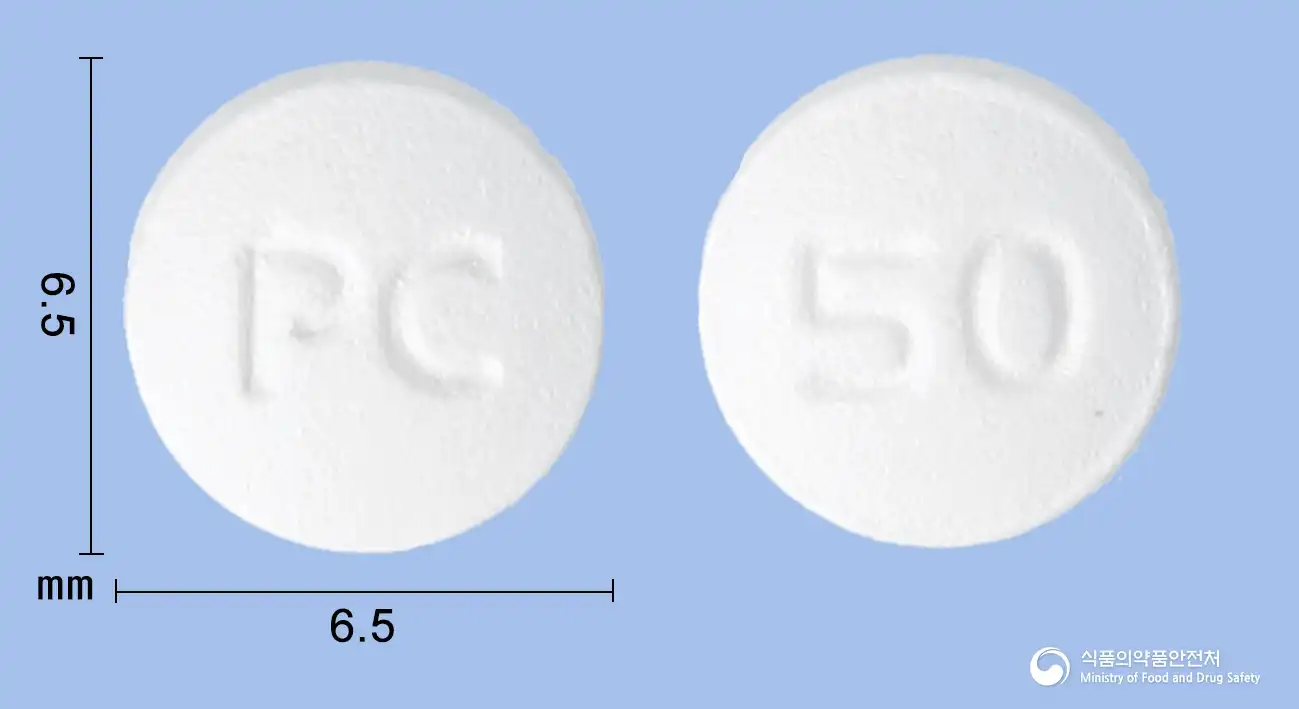
Bicalutamide 50mg
Tablet · Prescription medication
Alvogen Korea Co., Ltd.
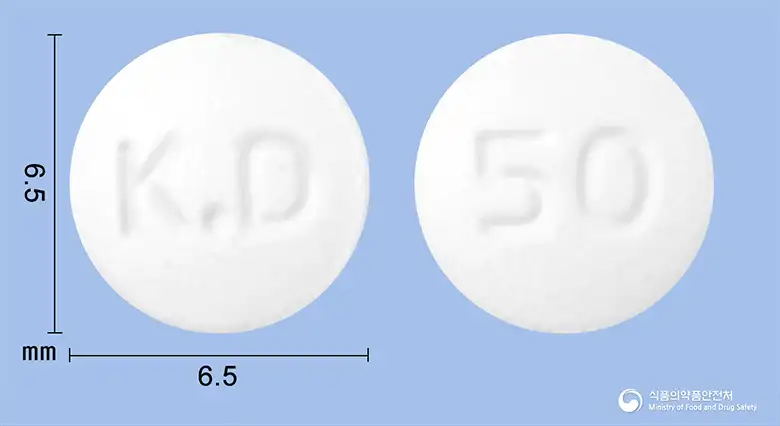
Bicalutamide 50mg
Tablet · Prescription medication
Kwangdong Pharmaceutical Co., Ltd.
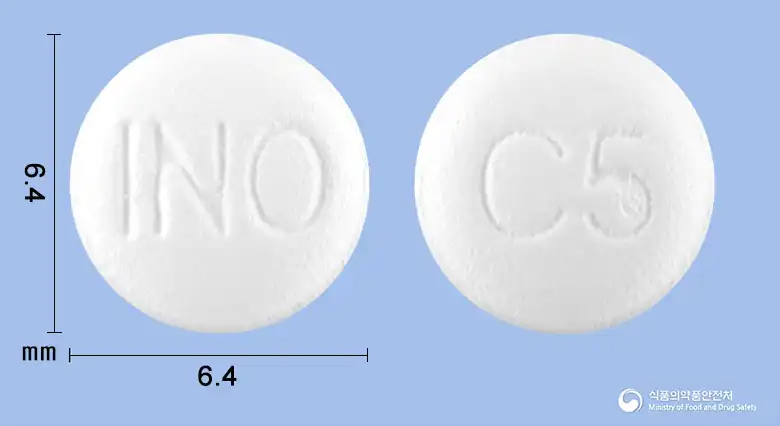
Bicalutamide 50mg
Tablet · Prescription medication
HK inno.N Corporation
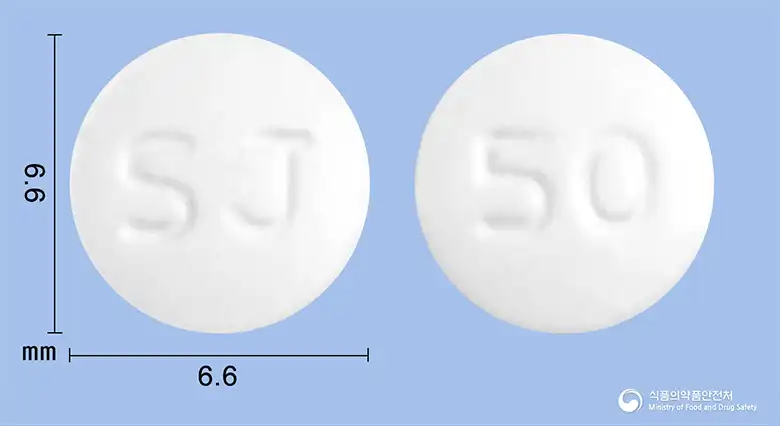
Bicalutamide 50mg
Tablet · Prescription medication
Samjin Pharmaceutical Co., Ltd.
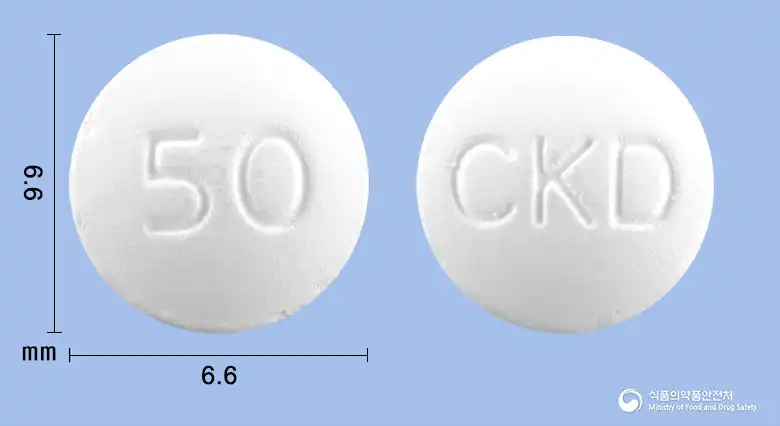
Bicalutamide 50mg
Tablet · Prescription medication
Jongkundang Co., Ltd.
Even with the same ingredient, the dose and directions can differ by strength and dosage form. Talk to a doctor or pharmacist before switching from a medication you are already taking.
No questions yet.
For anything that needs medical judgment, consult a doctor or pharmacist.
This drug information is based on data provided by the Korea Ministry of Food and Drug Safety.
Consult a doctor or pharmacist for accurate dosage, administration, and usage instructions.