
 한국어
 English
 日本語
 中文(简体)
 Viewing now
WELLBUTRIN XL 150 mg (Bupropion Hydrochloride)
Bupropion Hydrochloride 150mg
Tablet · Prescription medication
GlaxoSmithKline Co., Ltd.
MFDS item code 200702571 · Approved 2007.03.02 · Insurance code 650000920
Treatment of major depressive disorder
This medication is used for major depressive disorder.
This drug should be swallowed whole; do not crush, split, or chew it. Doing so may increase the risk of adverse reactions, including seizures. It is particularly important to administer this drug in a way that minimizes the risk of seizures. It is also important to increase the dose gradually to minimize agitation, extremely restless behavior, and insomnia, which are frequently observed at the beginning of treatment. If necessary, these effects may be managed by temporarily reducing the dose or by short-term administration of a sedative-hypnotic with an intermediate or long duration of action; however, a sedative-hypnotic is usually not needed after the first week of treatment. Avoiding administration near bedtime may minimize insomnia, and dose escalation should be stopped if the patient reports distress due to persistent adverse reactions. 1. Initial dose The usual target dose of this drug for adults is 300mg/day, administered once in the morning. Administer 150mg of this drug once in the morning for at least 4 days; if the patient tolerates it adequately, increase the dose to 300mg once daily, allowing an interval of at least 24 hours between doses. 2. Maintenance dose It is generally accepted that drug therapy for an acute episode of depression should continue for several months or longer after treatment of the acute episode. It is not possible to determine whether the dose of this drug required for maintenance therapy is the same as the dose needed to achieve the initial response. Therefore, patients should be reassessed regularly to determine whether maintenance therapy is necessary and what dose is appropriate for maintenance therapy. 3. Switching to this drug in patients receiving bupropion hydrochloride sustained-release tablets Switching to this drug in patients receiving bupropion hydrochloride sustained-release tablets is possible only when the total daily dose is the same. Patients currently taking bupropion hydrochloride sustained-release tablets at a dose of 300mg/day (for example, 150mg twice daily) may switch to taking this drug 300mg once daily. ㆍPatients with hepatic impairment Use this drug with extreme caution in patients with severe cirrhosis, and do not exceed 150mg every 2 days in these patients. Use this drug with caution in patients with hepatic impairment (including mild to moderate cirrhosis); in patients with mild to moderate cirrhosis, consider reducing the dosing frequency and/or dose. ㆍPatients with renal impairment Use this drug with caution in patients with renal impairment, and consider reducing the dosing frequency and/or dose.
This medication is used for depression and as an aid to smoking cessation, and it has not been approved for use in certain age groups, especially for children and adolescents under the age of 18. This medication may increase the risk of suicidal thoughts or actions, so careful consideration is needed when administering it to young adults aged 18 to 24. Patients with a risk of seizures must be especially cautious, and the recommended dosage should not be exceeded. This medication should not be given to patients with a history of seizures or those taking medications that can induce seizures. Patients with impaired liver or kidney function may experience slower metabolism and excretion of this medication, necessitating dosage adjustments and careful monitoring. Caution is warranted in patients with cardiovascular diseases, as symptoms like elevated blood pressure or arrhythmias may occur. During treatment, side effects such as insomnia, agitation, anxiety, headache, dizziness, nausea, dry mouth, tremor, malaise, rhinitis, increased cough, pharyngitis, sinusitis, nasal bleeding, skin rashes, itching, taste disturbances, tinnitus, sweating, abdominal pain, weakness, lethargy, flush, tachycardia, vasodilation, orthostatic hypotension, hypotension, memory impairment, restlessness, and agitation may occur, thus consultation with healthcare providers is recommended if symptoms arise. If allergic reactions or severe hypersensitivity reactions occur while taking this medication, it should be discontinued immediately and medical attention sought. This medication should not be taken with other antidepressants or medications that increase seizure risk, and all current medications must be disclosed to healthcare providers. Women who are pregnant or planning to become pregnant should discuss with their physician, as this medication may increase the risk of congenital cardiovascular defects in the fetus. Breastfeeding women are advised to discontinue nursing or to stop the medication, as it is excreted in breast milk. This medication should be swallowed whole without chewing or dividing, as rapid dosage increases may raise the risk of seizures. Caution should be exercised when engaging in activities requiring concentration, such as driving or operating machinery, as this medication may affect performance. In cases of overdose, serious side effects such as seizures, loss of consciousness, and arrhythmias may occur, requiring immediate medical attention. Minimizing or avoiding alcohol consumption during treatment is recommended, and sudden withdrawal from tranquilizers or benzodiazepines should also be avoided. This medication can influence certain enzymatic metabolic pathways, so there is a possibility of interactions with other medications, making it essential to consult with healthcare providers about all medications being taken.
Suicidal thoughts, suicidal tendencies, suicide attempts, convulsions, headaches, infections, abdominal pain, lethargy, chest pain, pain, fever, palpitations, flushing, tachycardia, hypertension, orthostatic hypotension, vasodilation, syncope, hypotension, abnormal dreams, memory impairment, paresthesia, insomnia, headaches, dizziness, agitation, anxiety, restlessness, tremors, concentration difficulties, depression, confusion, delusions, paranoid thinking, hallucinations, hyperirritability, hostility, aggression, depersonalization, Parkinsonism, dystonia, ataxia, muscle fasciculation, coordination difficulties, stuttering, panic attacks, loss of appetite, glycemic disorders, weight loss, hyponatremia, thirst, nausea, vomiting, constipation, diarrhea, oral ulcers, elevated liver enzyme levels, jaundice, hepatitis, rash, itching, sweating, urticaria, angioedema, dyspnea, bronchospasm, anaphylactic shock, arthralgia, myalgia, taste disturbances, tinnitus, visual impairment, increased urinary frequency, urinary retention, urinary incontinence, chills, facial edema, musculoskeletal chest pain, photosensitivity, malaise, migraine, flashes, dysphagia, spasms, drowsiness, decreased memory, sensory disturbances, central nervous system excitation, pharyngitis, sinusitis, increased cough, palpitations, migraine, flashes, vasodilation, orthostatic hypotension, hypertension, syncope, vasodilation, angioedema, alopecia, dermatitis exfoliativa, hirsutism, abnormal pupil control, dry eyes, hearing loss, diplopia, increased intraocular pressure, mydriasis, erectile dysfunction, polyuria, prostate disorders, ejaculation abnormalities, cystitis, dyspareunia, dysuria, gynecomastia, menopause, pain during erection, salpingitis, vaginitis, hyperglycemia, hypoglycemia, inappropriate antidiuretic hormone syndrome, edema, peripheral edema, diabetes, ecchymosis, anemia, leukocytosis, leukopenia, lymphadenopathy, pancytopenia, thrombocytopenia, bleeding, thrombotic complications, petechial papular rash, abnormal pupil control, dry eyes, hearing loss, diplopia, increased intraocular pressure, mydriasis, drowsiness, loss of consciousness, conduction disorders, arrhythmia, serotonin syndrome, hallucinations, homosexual tachycardia, conduction disorders, arrhythmia, fever, muscle rigidity, rhabdomyolysis, hypotension, sensory paralysis, coma, pneumonia, fractures, schizophrenic reactions, depression, Parkinson's disease, depersonalization, pancreatitis, sequelae of intracranial injury, dyspnea, fractures, communication disorders, sequelae of intracranial injury, increased sputum, hemoptysis, sleep apnea, skin disorders, dermatitis, decreased urine flow, cerebral hemorrhage, insomnia, headaches, dizziness, nausea, thirst, tremors, anxiety, weakness, loss of appetite, abdominal pain, dyspepsia, constipation, abnormal dreams, palpitations, neurovegetative instability, drowsiness, delirium, muscle rigidity, depression, hallucinations, confusion, diarrhea, erectile dysfunction, malaise, agitation, vomiting, chest pain, dyspnea, pharyngitis, visual impairment, weight loss
Not everyone experiences these, and they can vary from person to person.
This medication may be sensitive to air and moisture, therefore it should be stored in a tightly closed container. The recommended storage temperature is between 1°C and 30°C to safely maintain the medication's effectiveness.
White to light yellow round extended-release film-coated tablet
30 tablets/bottle
Even with the same ingredient, strength, dosage form and how it is taken can differ.
Viewing nowBupropion Hydrochloride 150mg
Tablet · Prescription medication
GlaxoSmithKline Co., Ltd.

Bupropion Hydrochloride 100mg
Tablet · Prescription medication
Unimed Pharmaceutical Co., Ltd.

Bupropion Hydrochloride 300mg
Tablet · Prescription medication
GlaxoSmithKline Co., Ltd.

Bupropion Hydrochloride 150mg
Tablet · Prescription medication
Hanmi Pharmaceutical Co., Ltd.

Bupropion Hydrochloride 100mg
Tablet · Prescription medication
Albotec Korea Co., Ltd.
Bupropion Hydrochloride 100mg
Tablet · Prescription medication
Daehan New Pharm Co., Ltd.

Bupropion Hydrochloride 150mg
Tablet · Prescription medication
Genupharm Co., Ltd.
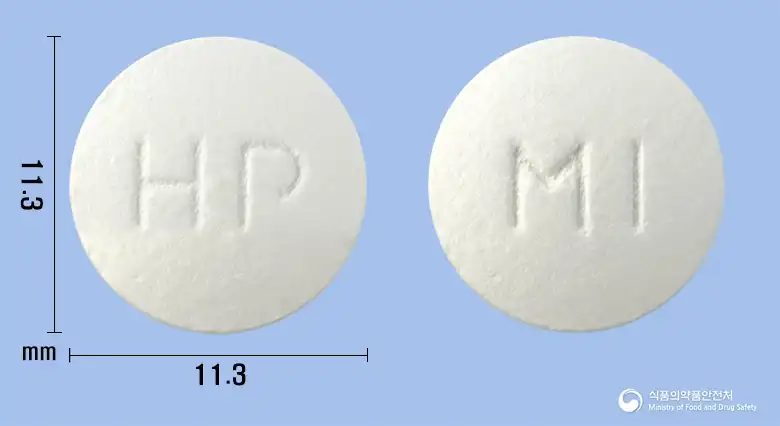
Bupropion Hydrochloride 150mg
Tablet · Prescription medication
Myungjin Pharmaceutical Co., Ltd.
Even with the same ingredient, the dose and directions can differ by strength and dosage form. Talk to a doctor or pharmacist before switching from a medication you are already taking.
No questions yet.
For anything that needs medical judgment, consult a doctor or pharmacist.
This drug information is based on data provided by the Korea Ministry of Food and Drug Safety.
Consult a doctor or pharmacist for accurate dosage, administration, and usage instructions.