
 한국어
 English
 日本語
 中文(简体)
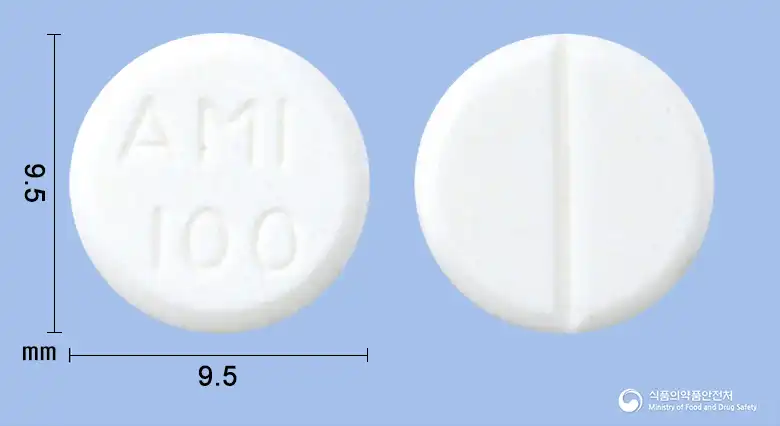 Viewing now
Solian 100 mg (Amisulpride)
Amisulpride 100mg
Tablet · Prescription medication
(Co., Ltd.) Handok
MFDS item code 200701030 · Notified 2007.01.24 · Insurance code 652100590
Treatment of schizophrenia
This medication is used to alleviate and manage symptoms of mental disorders, such as schizophrenia.
1) For an acute psychotic episode, 400 ~ 800mg per day is recommended, and up to 1,200mg per day may be administered. Do not use doses exceeding 1,200mg per day because safety has not been established. When positive and negative symptoms are mixed, adjust the dose to achieve optimal control of the positive symptoms. When negative symptoms predominate, the recommended daily dose is 50∼300 mg. The dose should be adjusted for each individual. The optimal dose is approximately 100mg per day. Generally, administer orally once daily when the daily dose is 400 mg or less, and in 2 divided doses when the daily dose exceeds 400 mg. Dose titration is not necessary when starting treatment with this medicine; the dose should be adjusted according to the individual's response. The maintenance dose should be adjusted according to the patient's clinical condition, and the lowest effective dose should be used. 2) Patients with renal impairment Because this medicine is excreted by the kidneys, reduce the dose by half in patients with a creatinine clearance of 30∼60 mL/min and by 1/3 in patients with a creatinine clearance of 10∼30 mL/min. As no specific data are available, do not administer this medicine to patients with severe renal impairment (creatinine clearance < 10 mL/min).
This medication may cause a potentially fatal side effect known as Neuroleptic Malignant Syndrome, so if symptoms such as high fever, muscular rigidity, or altered consciousness occur, immediate consultation with a healthcare professional is necessary. This medication may worsen the symptoms in patients with Parkinson's disease, so special caution should be exercised when administering it to such patients. Due to the possibility of cardiac side effects, specifically a prolongation of the QT interval, patients with heart disease or those with heart rhythm issues need to undergo an ECG prior to administration. When administered to elderly patients with dementia, the risk of stroke and mortality may increase, so careful use in these patients is required. There are risks associated with thromboembolism, so caution is necessary when using this medication in patients who have risk factors for thrombosis. This medication increases prolactin levels, which may cause symptoms such as hyperprolactinemia, amenorrhea, gynecomastia, and requires close monitoring in patients with a history or family history of breast cancer. This medication should not be used in certain populations such as children under 15 years of age, pregnant or breastfeeding women, and patients with severe renal impairment. This medication may cause drowsiness and blurred vision, requiring caution while driving or operating machinery, and concurrent use with alcohol may exacerbate these symptoms. There are significant drug interactions, so patients taking other medications must consult with their physician or pharmacist. Discontinuation of this medication abruptly can lead to withdrawal symptoms or the recurrence of psychotic symptoms, so it is safest to gradually reduce the dosage. This medication is excreted through the kidneys; therefore, dosage adjustments are necessary for patients with impaired renal function. Adverse reactions may include extrapyramidal symptoms (tremors, rigidity), insomnia, anxiety, constipation, nausea, weight gain, etc., and should be reported to a healthcare professional. Regular blood testing and ECG monitoring are important to check for any potential side effects while using this medication.
High fever, muscle rigidity, autonomic instability, impaired consciousness, rhabdomyolysis, increased creatine phosphokinase levels, elevated blood prolactin levels, galactorrhea, amenorrhea, gynecomastia, breast pain, erectile dysfunction, anorgasmia, benign pituitary tumor, hyperglycemia, hypertriglyceridemia, hypercholesterolemia, hyponatremia, inappropriate secretion of antidiuretic hormone syndrome, insomnia, anxiety, agitation, hypersexual function anomalies, confusion, tremor, rigidity, hypokinesia, hypersalivation, inability to sit still, movement disorders, drowsiness, acute muscle tension abnormality, usually with long-term use, regular involuntary movements of the tongue and/or face, seizures, malignant neuroleptic syndrome, akathisia, restless legs syndrome, blurred vision, bradycardia, prolonged QT interval, Torsade de pointes, ventricular tachycardia, ventricular fibrillation, cardiac arrest, sudden death, hypotension, increased blood pressure, pulmonary embolism, venous thrombosis, nasal congestion, aspiration pneumonia, constipation, nausea, vomiting, dry mouth, hepatocellular damage, angioedema, urticaria, photosensitivity reactions, osteopenia, osteoporosis, urinary retention, falls due to impaired physical balance, neonatal drug withdrawal syndrome, weight gain, elevated liver enzymes, acute urticaria, bronchospasm, drug reaction (DRESS), extrapyramidal disorders, hyperkinesia, tremor, hypertonia, oculomotor seizures, speech impairment, dizziness, dystonia, headache, movement disorders, drowsiness, anxiety, thought disturbances, delirium, weight gain, weakness, transfer of breast milk during hyperprolactinemia, gynecomastia, hyperprolactinemia, nausea, vomiting, gastrointestinal diseases, increased sweating, increased saliva, visual disturbances, polyuria, dizziness, headache, anxiety, thought disturbances, delirium, weakness, increased sweating, visual disturbances, polyuria, drowsiness, sedation, stupor, hypotension, extrapyramidal symptoms
Not everyone experiences these, and they can vary from person to person.
This medication must be stored in a tightly closed container to protect it from air and moisture. It is advisable to maintain the storage temperature between 1 to 30 degrees Celsius.
White or nearly white round tablet
60 tablets (10 tablets/blister * 6), 30 tablets/bottle, 100 tablets/bottle
Even with the same ingredient, strength, dosage form and how it is taken can differ.
Viewing nowAmisulpride 100mg
Tablet · Prescription medication
(Co., Ltd.) Handok
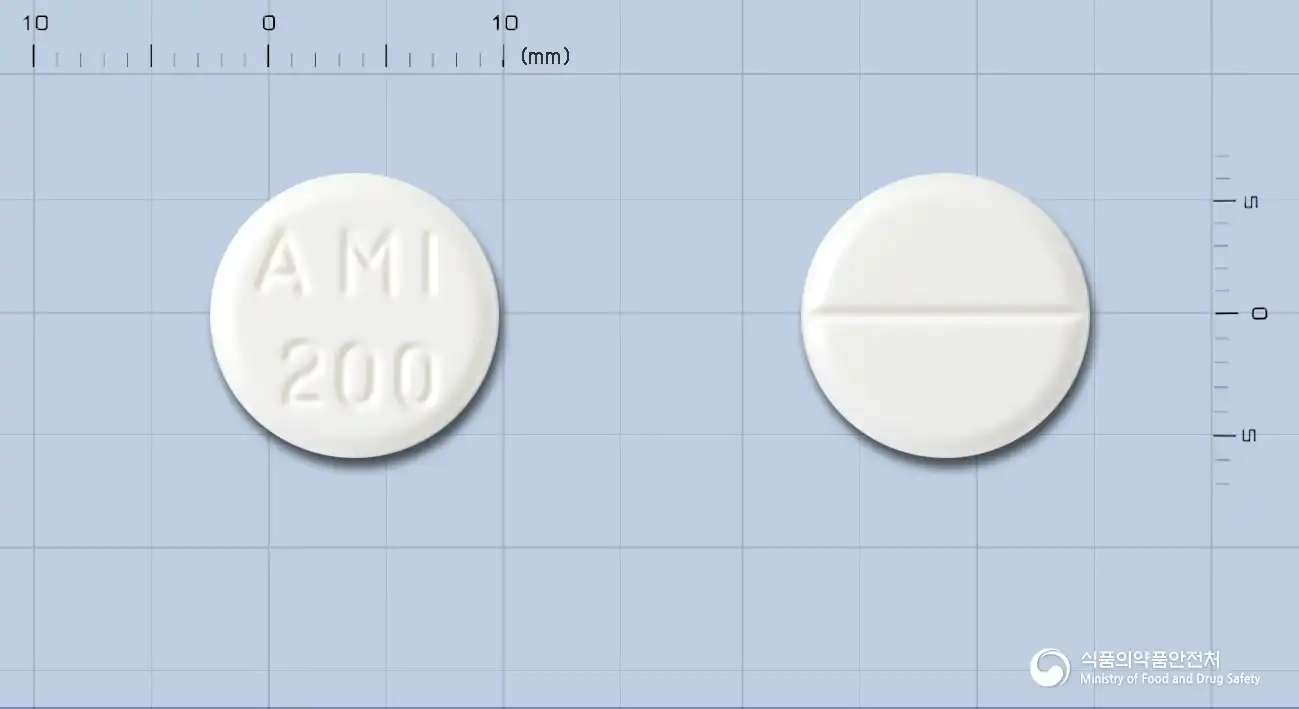
Amisulpride 200mg
Tablet · Prescription medication
Handok Co., Ltd.
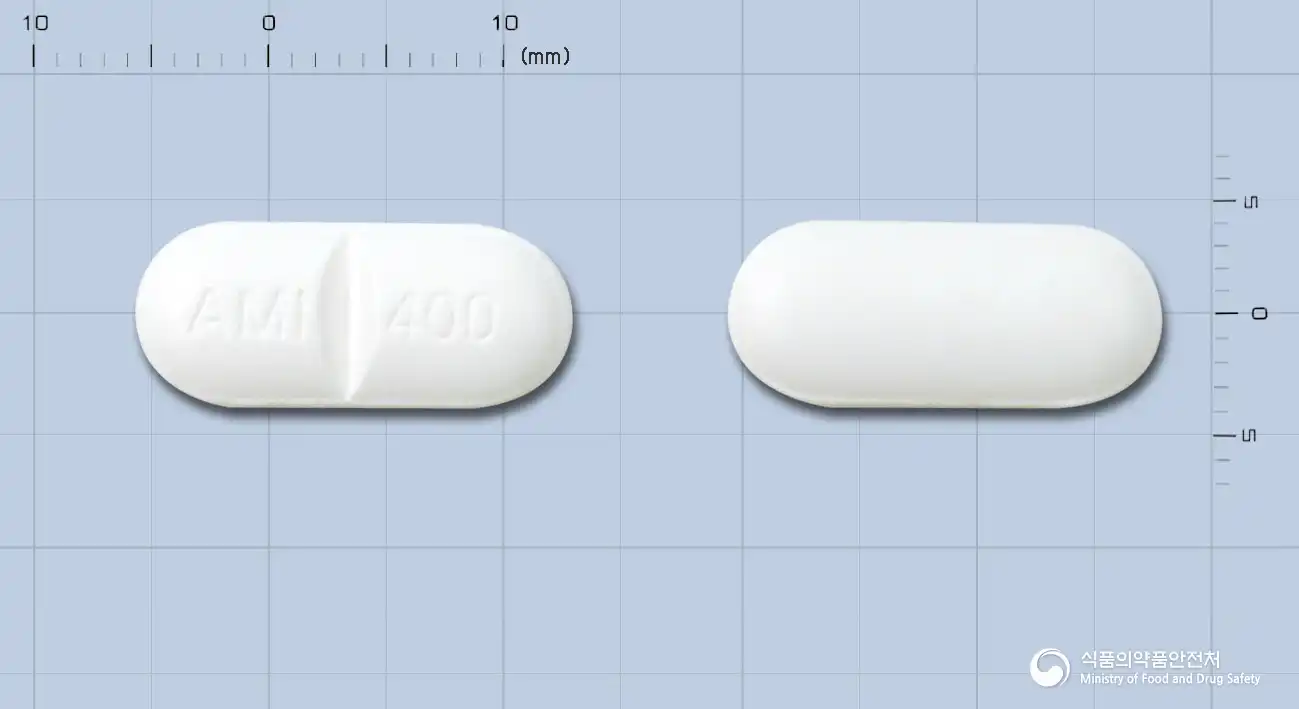
Amisulpride 400mg
Tablet · Prescription medication
(Co., Ltd.) Handok
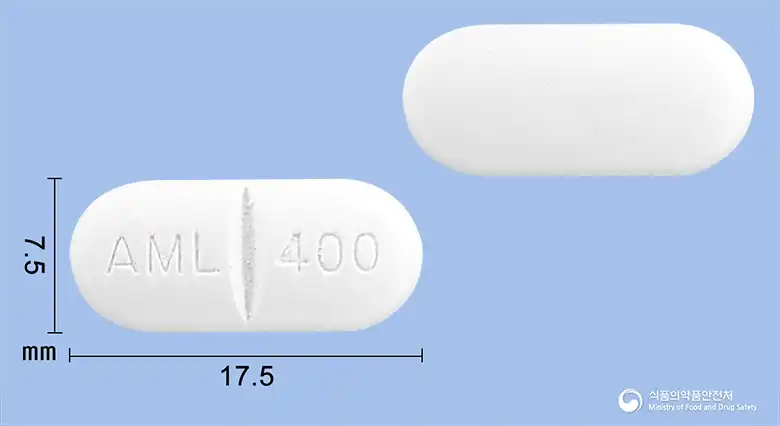
Amisulpride 400mg
Tablet · Prescription medication
Unimed Pharmaceutical Co., Ltd.
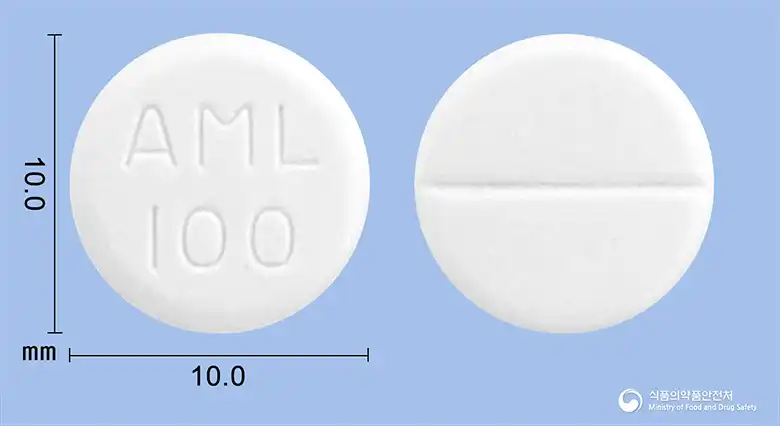
Amisulpride 100mg
Tablet · Prescription medication
Unimed Pharmaceutical Co., Ltd.
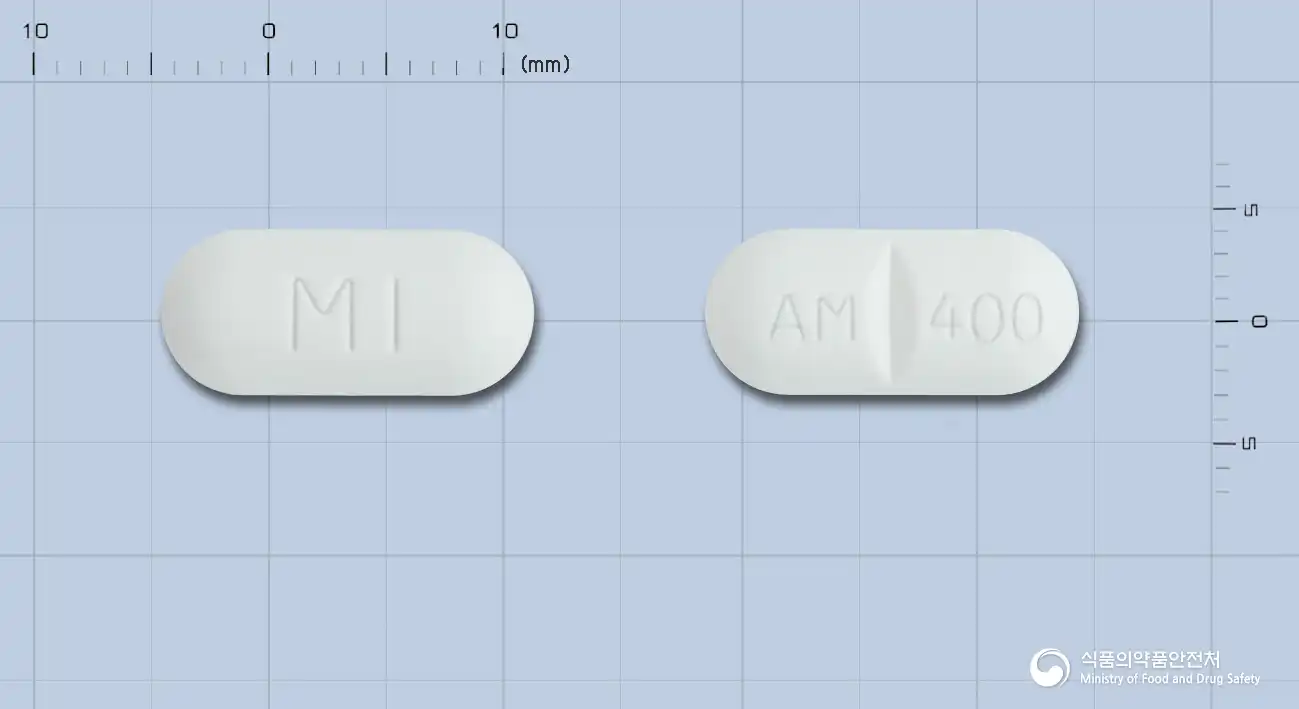
Amisulpride 400mg
Tablet · Prescription medication
Myeongin Pharmaceutical Co., Ltd.
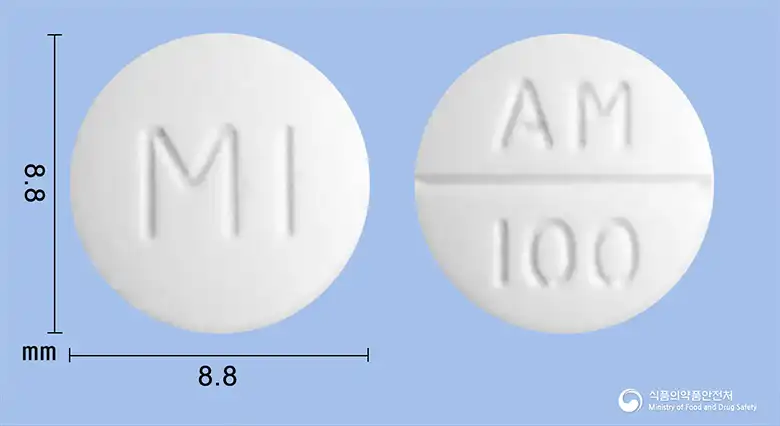
Amisulpride 100mg
Tablet · Prescription medication
Myeongin Pharmaceutical Co., Ltd.
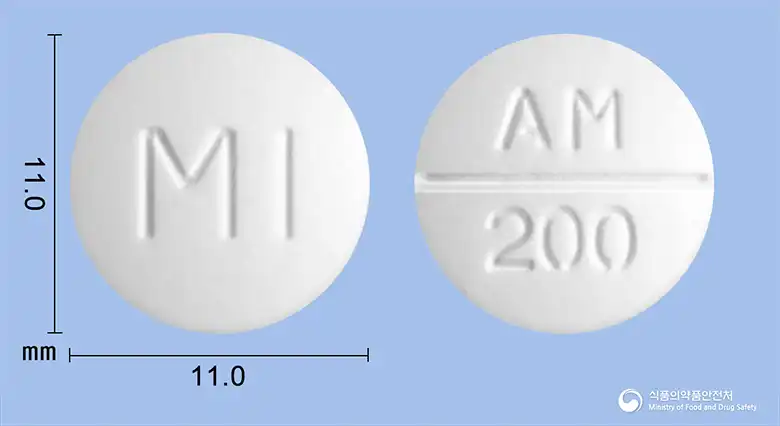
Amisulpride 200mg
Tablet · Prescription medication
Myungin Pharmaceutical Co., Ltd.
Even with the same ingredient, the dose and directions can differ by strength and dosage form. Talk to a doctor or pharmacist before switching from a medication you are already taking.
No questions yet.
For anything that needs medical judgment, consult a doctor or pharmacist.
This drug information is based on data provided by the Korea Ministry of Food and Drug Safety.
Consult a doctor or pharmacist for accurate dosage, administration, and usage instructions.