
 한국어
 English
 日本語
 中文(简体)
 Viewing now
Kodaron Tablet (Amiodarone Hydrochloride)
Amiodarone Hydrochloride 200mg
Tablet · Prescription medication
Handok Co., Ltd.
MFDS item code 200701021 · Notified 2007.01.24 · Insurance code 652101250
Treatment of arrhythmias (including atrial and ventricular arrhythmias) and arrhythmias associated with underlying heart disease
This medication is primarily used for conditions with irregular heart rhythms, such as atrial and ventricular arrhythmias. It is particularly effective in treating recurrent severe arrhythmias that have been challenging to manage with existing antiarrhythmic agents. Additionally, it can be applied to arrhythmias associated with underlying heart diseases such as angina, helping to improve heart health. Overall, it is used to maintain the electrical stability of the heart and alleviate arrhythmic symptoms.
Adults: Initially, administer 600 mg of amiodarone hydrochloride orally once daily for 8-10 days. The dose may be increased to 800-1000 mg depending on symptoms. The maintenance dose is 200-400 mg once daily, administered for 5 days per week.
This drug is used to treat cardiac arrhythmias and should only be administered when other antiarrhythmic agents have proven ineffective. It is essential to adequately explain the drug's benefits and risks to the patient or their family when initiating therapy, and starting treatment during hospitalization is recommended for safety. This drug may increase the risk of side effects in patients undergoing heart transplant surgery; therefore, it is advised that patients awaiting transplantation are switched to alternative medications. It can affect cardiac electrical signals, potentially causing changes in electrocardiogram readings, but these are due to the drug's action and are not indicative of toxicity. The drug can influence thyroid function, potentially leading to hyperthyroidism or hypothyroidism; therefore, regular thyroid function tests should be conducted before and after administration. Additionally, there may be abnormalities in peripheral nerves or muscles, so caution is warranted if unusual symptoms arise. It may affect vision, causing blurred vision or decreased eyesight; if any changes in vision occur, an ophthalmologic examination should be sought immediately. It can also impact respiratory health, potentially leading to severe lung conditions such as pneumonia or pulmonary fibrosis, thus requiring immediate medical attention if breathing difficulties or coughing develops. Liver function may be affected, necessitating frequent liver function tests during treatment, and if liver enzyme levels rise significantly, dosage adjustment or discontinuation of the drug may be required. Skin reactions may occur, leading to increased sensitivity to sunlight; it is advisable to avoid sun exposure and use sunscreen while on this medication. This drug may interact with various medications; therefore, if other medications are being taken, it should be reported to a healthcare professional. Special caution is needed when used in conjunction with certain antiarrhythmic drugs, antiviral medications, calcium channel blockers, and beta-blockers. Administration is generally not indicated for pregnant women, those who may become pregnant, or nursing mothers. The safety in pediatric populations has not been established, so it is not recommended. For elderly patients, it is crucial to monitor dosage and status due to potential reductions in liver, kidney, and respiratory function. If any unusual symptoms or side effects are suspected during treatment, immediate consultation with healthcare providers is necessary; in cases of overdose, appropriate treatment and cardiac monitoring are required. The medication should be stored out of reach of children and maintained at room temperature below 30 degrees Celsius.
Interstitial pneumonia, alveolitis, pulmonary fibrosis, liver dysfunction, primary graft dysfunction after heart transplantation, appearance of U waves, delayed repolarization, QT interval prolongation, decreased heart rate, second and third-degree atrioventricular block, sinoatrial block, type 2 fiber conduction block, new arrhythmia, exacerbation of arrhythmia, hyperthyroidism, peripheral sensory-motor neuropathy, myopathy, visual disturbances, decreased vision, optic neuropathy, optic neuritis, dyspnea, non-productive cough, dyspnea on exertion, fatigue, weight loss, fever, severe respiratory complications, acute respiratory distress syndrome, acute liver failure, chronic liver failure, Stevens-Johnson syndrome, toxic epidermal necrolysis, severe bradycardia, cardiac block, syncope, dizziness, light-headedness, body discomfort, weakness, excessive fatigue, shortness of breath, chest pain, confusion, memory impairment, corneal deposit disease, corneal disorder with perception of colors, phototoxic reactions, pigmentation disorder, exfoliative dermatitis, hair loss, skin rash, radiation therapy-related erythema, eczema, urticaria, erythema multiforme, vesicular dermatitis, eosinophilia, hypothyroidism, hyponatremia, syndrome of inappropriate antidiuretic hormone secretion, elevated serum creatinine, increased and decreased uric acid, serum electrolyte abnormalities, urinary proteins, glucose in urine, urobilinogen in urine, abnormal urinary pH, hypersensitivity pneumonia, pleuritis, obstructive bronchiolitis obliterans, cardiogenic dyspnea, bronchospasm, pulmonary hemorrhage, extrapyramidal tremors, nightmares, sleep disturbances, peripheral sensory-motor neuritis, cerebellar ataxia, benign intracranial hypertension, headache, general malaise, fatigue, involuntary movements, coordination difficulties, motion sickness, dizziness, altered perception, decreased libido, insomnia, parkinsonism, delirium, hallucinations, elevated liver enzymes, increased serum transaminases, hepatic failure, bradycardia, arrhythmia, conduction disturbances, sinus node dysfunction, sinus arrest, Torsades de Pointes, benign gastrointestinal disturbances, nausea, vomiting, taste disturbances, loss of appetite, upper abdominal discomfort, constipation, pancreatitis, acute pancreatitis, dry mouth, hypotension, hand edema, flushing, vasculitis, blood pressure drop, hemoglobin abnormalities, blood coagulation abnormalities, thrombocytopenia, hemolytic anemia, aplastic anemia, epididymitis, erectile dysfunction, angioedema, anaphylaxis, shock, bone marrow granuloma, lupus-like syndrome, gynecomastia, dysgeusia, elevated CPK, cholinesterase abnormalities, primary graft dysfunction after heart transplantation, bradycardia, sinoatrial block, ventricular bradycardia, myocardial hyperplasia, severe cardiac dysfunction syndrome, atrioventricular conduction disorder
Not everyone experiences these, and they can vary from person to person.
This drug is sensitive to light and should be stored in a tightly sealed container that blocks light. Additionally, it is advisable to keep it at room temperature between 1 degree and 30 degrees Celsius.
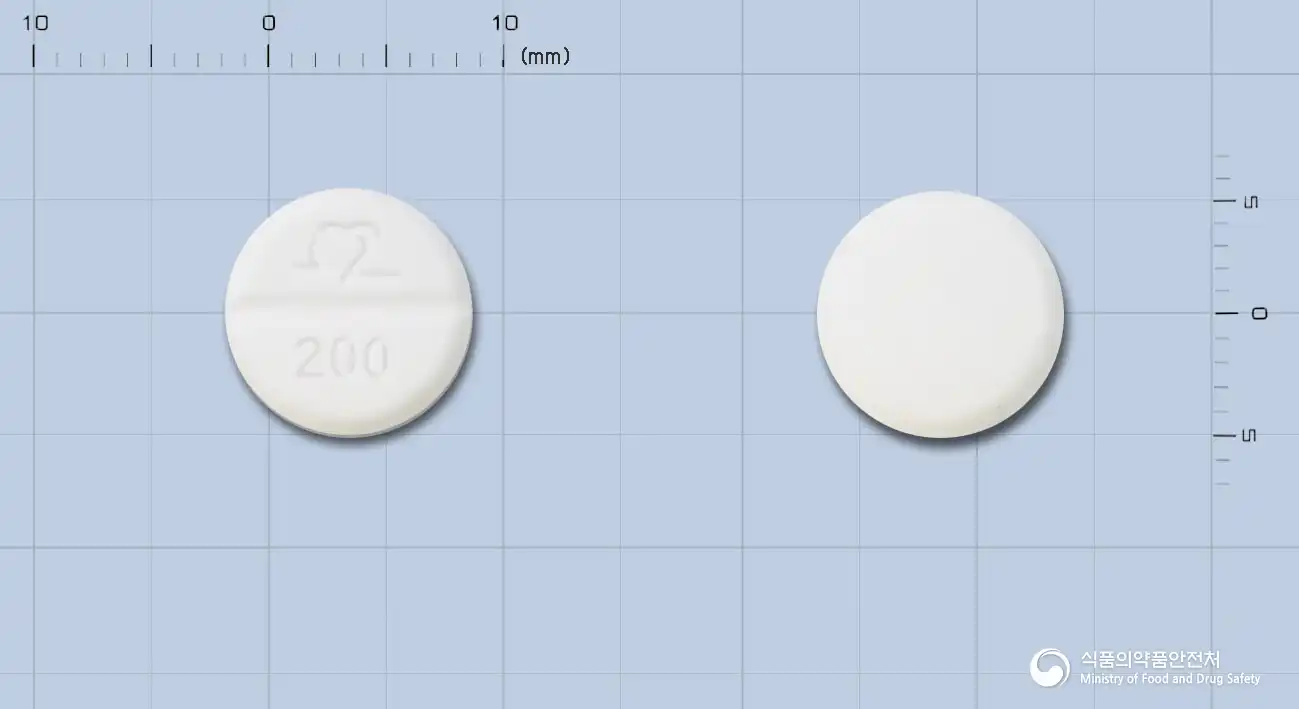
White round tablet
30 tablets/bottle, 30 tablets (10 tablets/blister x 3)
Even with the same ingredient, strength, dosage form and how it is taken can differ.
Even with the same ingredient, the dose and directions can differ by strength and dosage form. Talk to a doctor or pharmacist before switching from a medication you are already taking.
No questions yet.
For anything that needs medical judgment, consult a doctor or pharmacist.
This drug information is based on data provided by the Korea Ministry of Food and Drug Safety.
Consult a doctor or pharmacist for accurate dosage, administration, and usage instructions.