
 한국어
 English
 日本語
 中文(简体)
 Viewing now
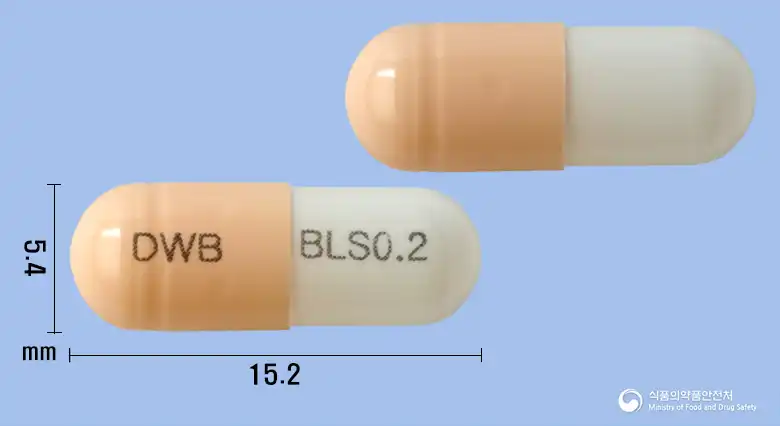
Beadrosin Controlled-Release Capsule 0.2 mg (Tamsulosin Hydrochloride)
Tamsulosin Hydrochloride 0.2mg
Prescription medication
Daewoong Bio Co., Ltd.
MFDS item code 200612612 · Approved 2006.12.21 · Insurance code 694000440
Improvement of voiding difficulties associated with benign prostatic hyperplasia
Used for urinary disturbances caused by benign prostatic hyperplasia.
Adults: Administer 0.2 mg of tamsulosin hydrochloride orally once daily after a meal. Swallow this medication whole; do not crush or chew it. The dose may be adjusted according to symptoms.
This medication should not be used by patients with a history of allergic reactions. Particularly, caution is required for those with a history of hypersensitivity reactions such as angioedema. Patients with orthostatic hypotension may experience worsening symptoms, so administration should be avoided. Patients with severely impaired liver function should not use this medication, as drug concentration may increase. Women who are pregnant or may become pregnant should not take this medication. Careful use is needed in patients with severely impaired kidney function as drug concentration may increase. Elderly patients should start at a lower dose with careful monitoring. Patients taking antihypertensives, PDE5 inhibitors, CYP3A4 inhibitors, or alpha-1 blockers should be cautious, as interactions may increase the risk of side effects. Patients with a history of urinary syncope should also be administered this medicine cautiously. This medication may cause syncope or loss of consciousness due to blood pressure lowering, so if symptoms occur, drug administration should be stopped immediately and appropriate treatment should be sought. Neurological side effects such as dizziness, headache, and drowsiness may occur, so caution is advised when driving or performing hazardous activities. If hypersensitivity reactions such as skin rash or itching occur, use should be discontinued immediately. Gastrointestinal symptoms such as nausea, vomiting, and loss of appetite may occur, so abnormalities should be reported. Liver function abnormalities may also occur, and regular liver function tests may be necessary. This medication is an extended-release formulation and should not be chewed or opened; it should be taken immediately after removal from its package. Keep it out of reach of children, and do not transfer it to another container for safety. The safety of this medication has not been established for pregnant and breastfeeding women or children under 18. Elderly patients may have decreased kidney function, so starting with a low dose and monitoring progress is necessary. This medication is intended for symptom relief and not for treatment; other treatment options should be considered if it is ineffective. Patients with previous experiences of alpha-1 blocker use or those scheduled for cataract or glaucoma surgery should inform their doctor about the risk of eye-related complications during surgery.
Not everyone experiences these, and they can vary from person to person.
This medication is sensitive to light and should be stored in a container that blocks light. Additionally, it is important to maintain a temperature between 1 degree and 30 degrees Celsius when storing the medication, to preserve its efficacy for a longer duration.
A light orange capsule with a white lower part containing yellowish granules.
30 capsules/bottle, 100 capsules/bottle
Even with the same ingredient, strength, dosage form and how it is taken can differ.
Viewing nowTamsulosin Hydrochloride 0.2mg
Prescription medication
Daewoong Bio Co., Ltd.
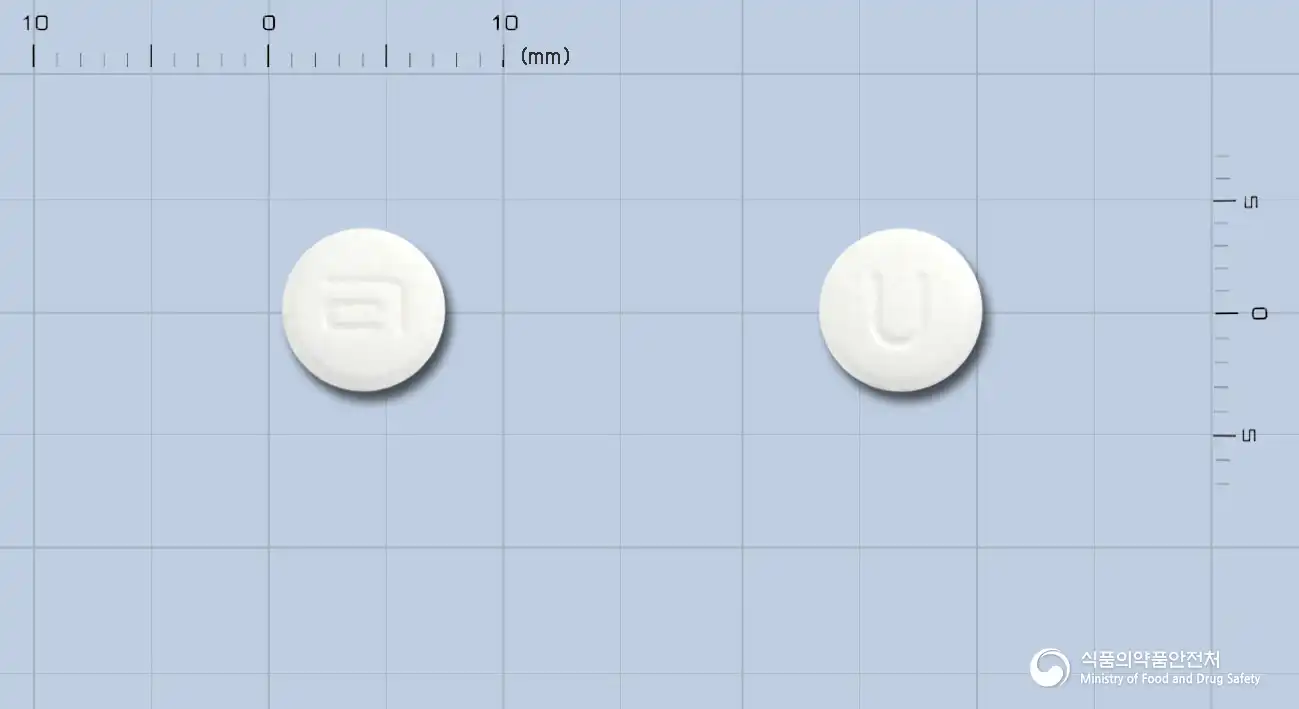
Tamsulosin Hydrochloride 0.2mg
Tablet · Prescription medication
Kyungdong Pharmaceutical Co., Ltd.
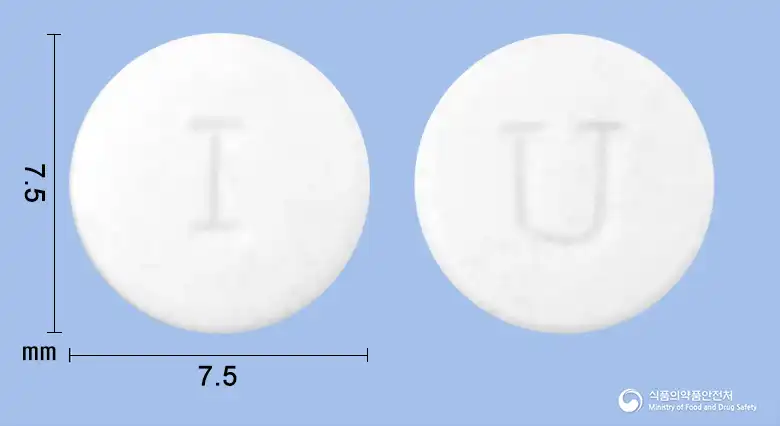
Tamsulosin Hydrochloride 0.2mg
Tablet · Prescription medication
Il Dong Pharmaceutical Co., Ltd.
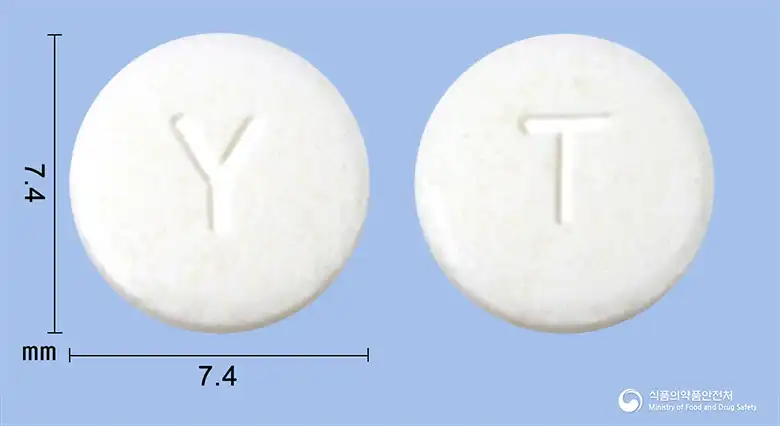
Tamsulosin Hydrochloride 0.2mg
Tablet · Prescription medication
Yuhan Corporation
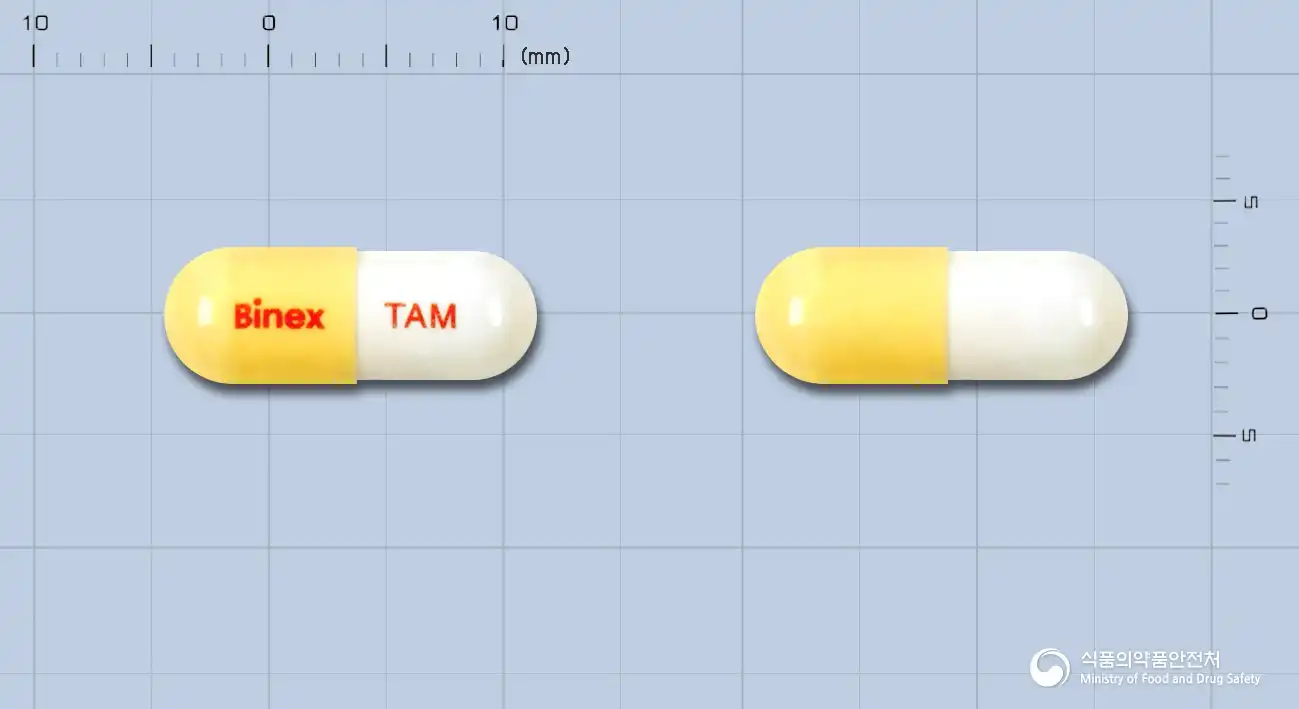
Tamsulosin Hydrochloride 0.2mg
Prescription medication
Bynex Co., Ltd.
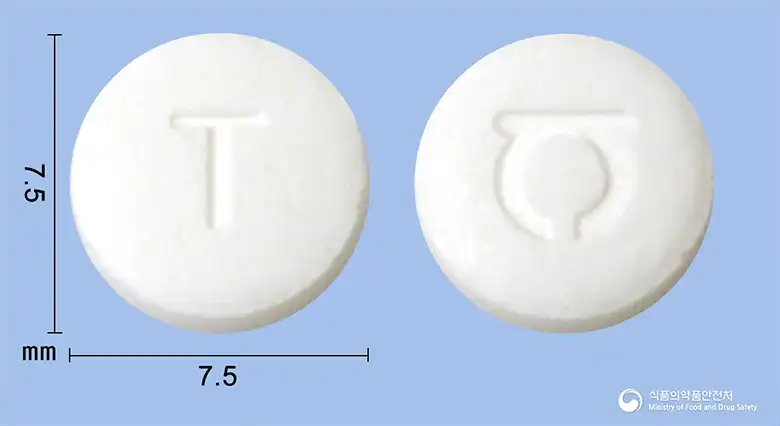
Tamsulosin Hydrochloride 0.2mg
Tablet · Prescription medication
Youngjin Pharmaceutical Co., Ltd.
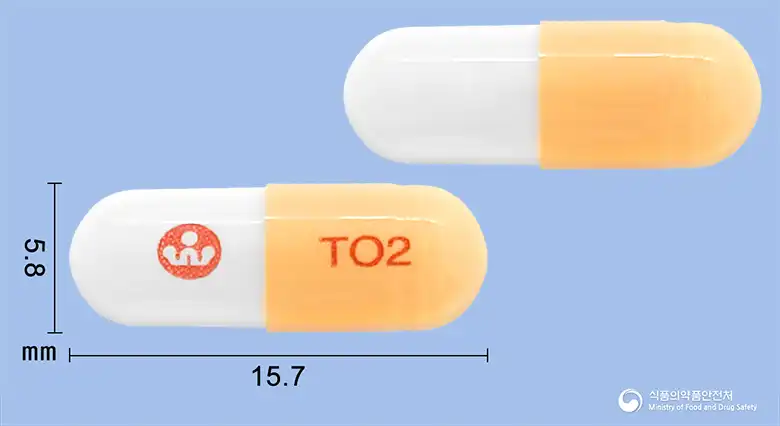
Tamsulosin Hydrochloride 0.2mg
Prescription medication
Han-in Pharmaceutical Co., Ltd.
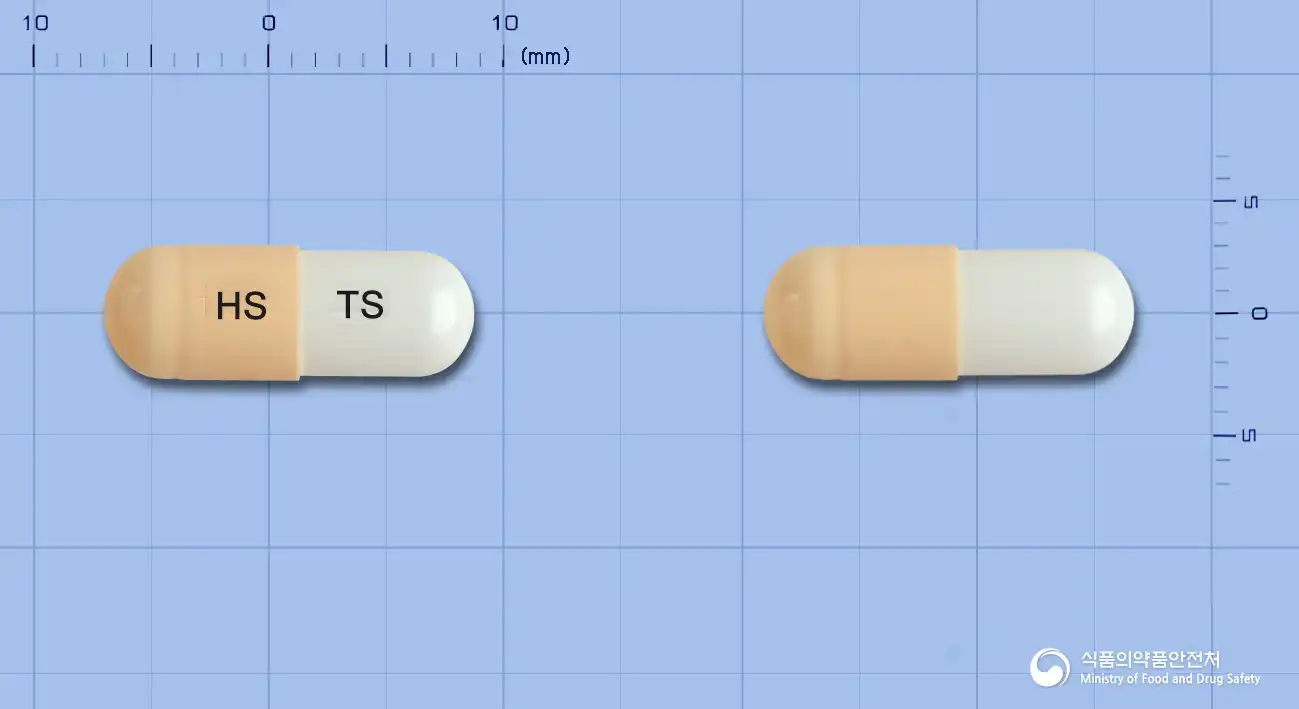
Tamsulosin Hydrochloride 0.2mg
Hard capsule · Prescription medication
Huons Co., Ltd.
Even with the same ingredient, the dose and directions can differ by strength and dosage form. Talk to a doctor or pharmacist before switching from a medication you are already taking.
No questions yet.
For anything that needs medical judgment, consult a doctor or pharmacist.
This drug information is based on data provided by the Korea Ministry of Food and Drug Safety.
Consult a doctor or pharmacist for accurate dosage, administration, and usage instructions.