
 한국어
 English
 日本語
 中文(简体)
 Viewing now
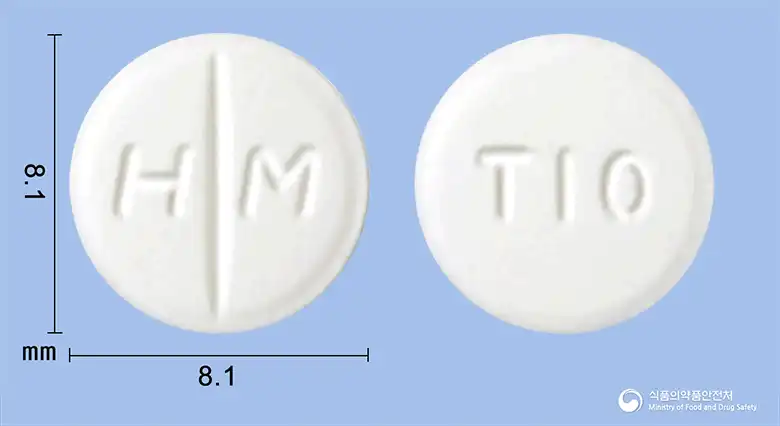
Torsem Tablet 10 mg (Torsemide)
Torsemide 10mg
Tablet · Prescription medication
Hanmi Pharmaceutical Co., Ltd.
MFDS item code 200611121 · Notified 2006.11.29 · Insurance code 643502920
Relief of edema (such as that associated with congestive heart failure and cirrhosis)
This medication is used for edema caused by congestive heart failure, liver cirrhosis, and kidney disease.
Take with a small amount of water at breakfast or with another meal. ○ Adults 1. Edema due to congestive heart failure The initial dose and average maintenance dose of torsemide is 5 mg orally once daily. If the therapeutic effect is inadequate, the dose may be increased to up to 20 mg once daily, depending on the clinical symptoms. 2. Edema due to cirrhosis (ascites) The initial dose is 5 mg orally once daily. The daily dose may be increased to up to 40 mg depending on the clinical symptoms. 3. Edema due to renal disease The initial dose is 5 ~ 20 mg orally daily. The dose may be increased to up to 100 mg daily depending on the clinical symptoms. ○ Patients with hepatic impairment Do not administer this medicine to patients with severe hepatic impairment. ○ Older adults No special dose adjustment is necessary for older adults.
This medication should be used with caution in patients with edema or ascites due to liver cirrhosis, as fluid and electrolyte balance can change suddenly, increasing the risk of hepatic encephalopathy. It is advisable to use aldosterone antagonists or potassium-sparing diuretics to prevent hypokalemia and metabolic acidosis during treatment with this medication. This medication should not be used in specific patient groups such as children under 12 years of age, patients with hypotension, patients with renal failure who do not produce urine, patients with severe liver function impairment, and women who are pregnant or nursing. Additionally, patients with electrolyte imbalances in the blood or cardiac arrhythmias, as well as those taking certain antibiotics or medications, should use this medication cautiously. This medication may affect the balance of electrolytes such as sodium and potassium due to its diuretic action, and symptoms like headache, dizziness, fatigue, and muscle cramping may occur. In severe cases, hypotension, thrombosis, and heart problems may occur, so patients should consult healthcare professionals immediately if symptoms worsen. Gastrointestinal symptoms such as loss of appetite, abdominal pain, nausea, and diarrhea may occur, and pancreatitis may rarely develop. Patients with poor kidney function may experience elevated levels of uric acid or creatinine, and patients with urination difficulties may face a risk of bladder overdistension. Skin rash or itching, and rarely serious skin reactions may occur, so any abnormal symptoms should be reported to a doctor immediately. During treatment with this medication, regular blood tests and electrolyte checks are necessary to monitor potassium, sodium, blood sugar, uric acid, and other levels. This medication may interact with other antihypertensive or diabetes medications, so patients must inform healthcare professionals about any other medications they are taking. Caution should be exercised when taking this medication with alcohol, as side effects may worsen, and care should be taken when driving or operating machinery. Women who are pregnant or possibly pregnant, as well as nursing mothers, should not take this medication, and elderly patients should start with a low dose due to special caution regarding hypotension and electrolyte imbalances. In case of overdose, symptoms such as drowsiness, confusion, and hypotension may appear, and since there is no specific antidote, immediate medical treatment should be sought. This medication should be kept out of the reach of children and should not be transferred to other containers.
Not everyone experiences these, and they can vary from person to person.
This medication may be sensitive to air and moisture, so it should be stored in a tightly sealed container. It is advisable to maintain a storage temperature in the range of 1 to 30 degrees Celsius at room temperature. Proper storage can help maintain the effectiveness of the medication for a longer period.
White to pale yellow round tablets
30 tablets/box [10 tablets/PTP×3]
Even with the same ingredient, strength, dosage form and how it is taken can differ.
Viewing nowTorsemide 10mg
Tablet · Prescription medication
Hanmi Pharmaceutical Co., Ltd.
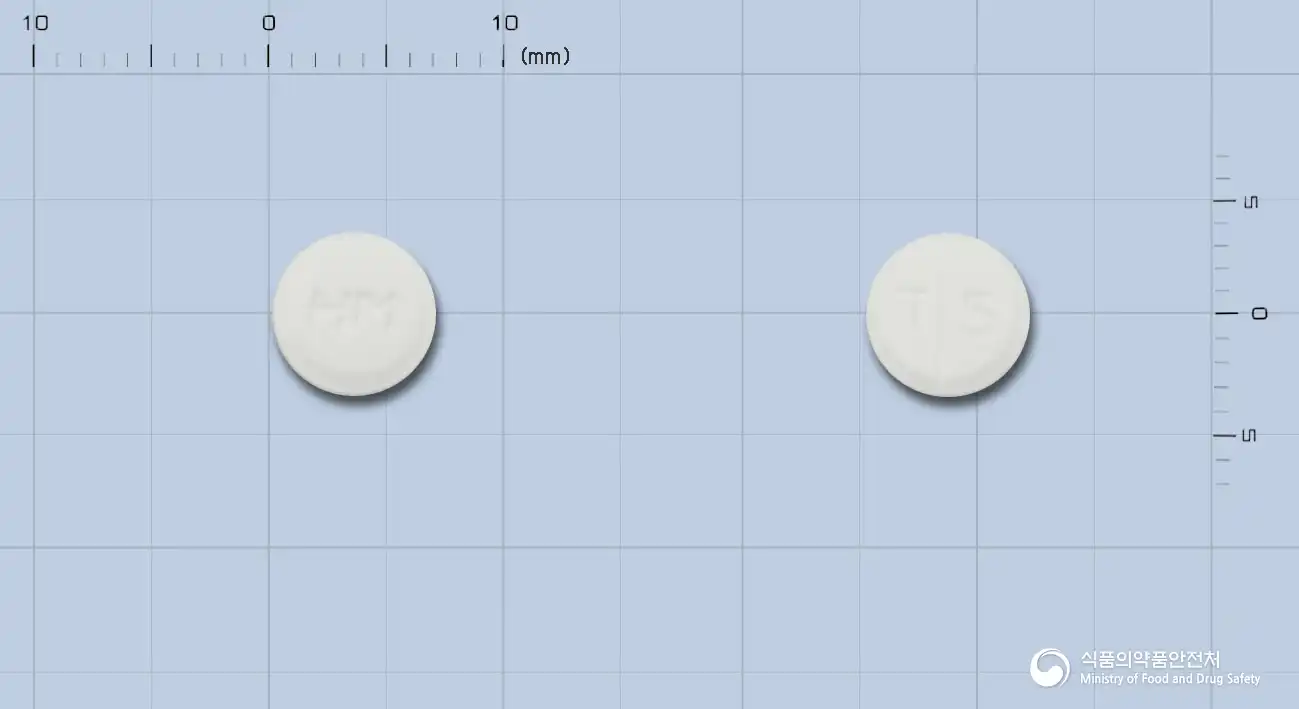
Torsemide 5mg
Tablet · Prescription medication
Hanmi Pharmaceutical Co., Ltd.
Torsemide 10mg
Tablet · Prescription medication
Korea Prime Pharmaceutical Co., Ltd.
Torsemide 2.5mg
Tablet · Prescription medication
Korea Prime Pharmaceutical Co., Ltd.
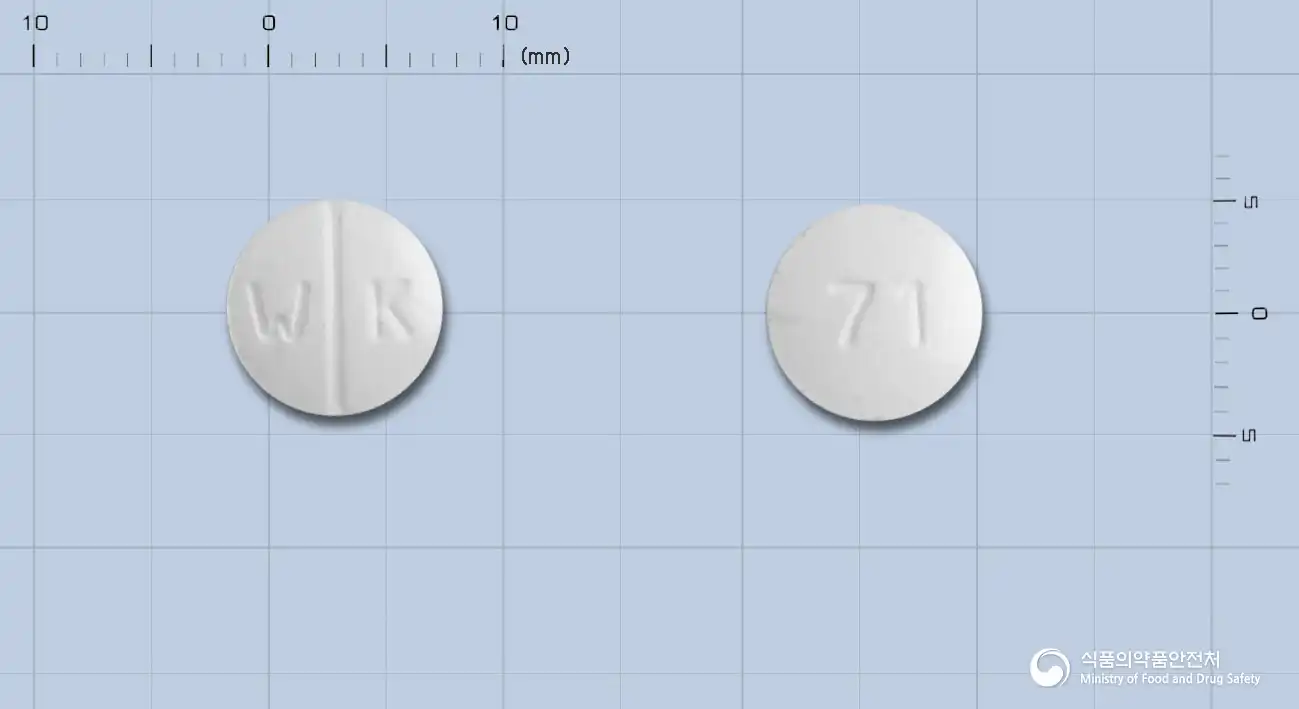
Torsemide 10mg
Tablet · Prescription medication
Austin Pharmaceutical Co., Ltd.
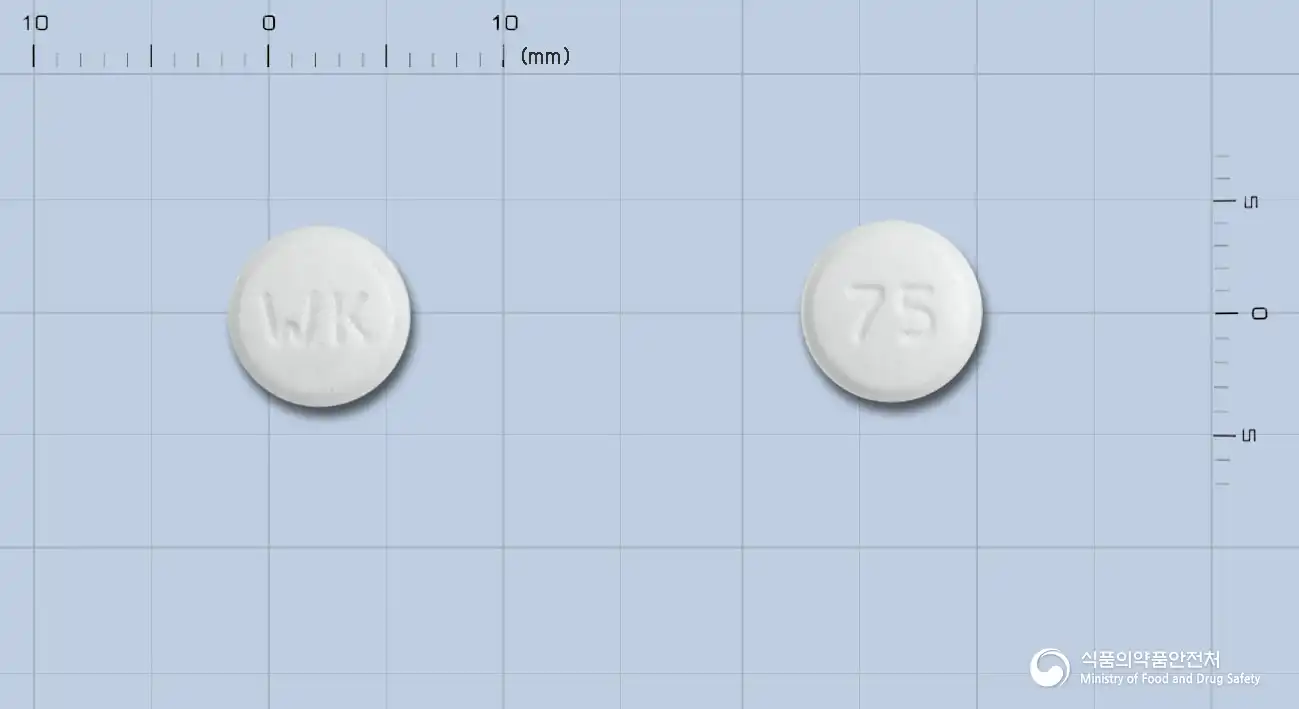
Torsemide 5mg
Tablet · Prescription medication
Austin Pharmaceutical Co., Ltd.
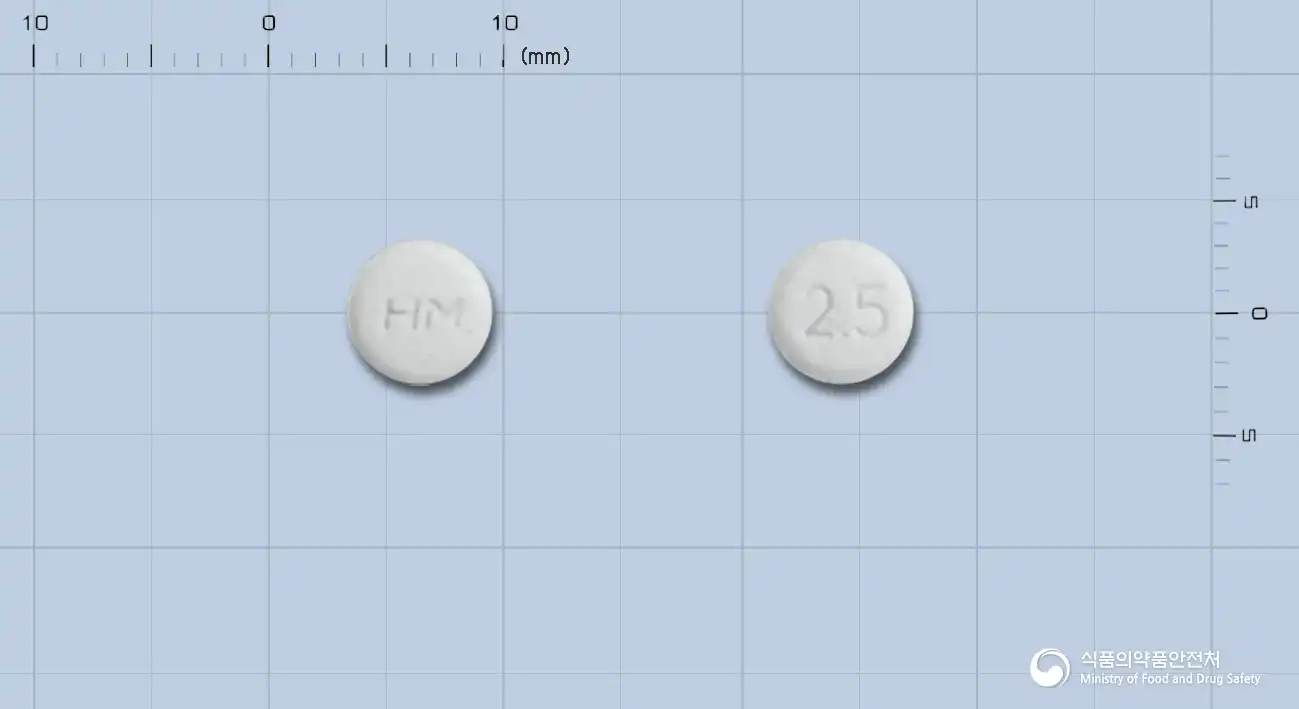
Torsemide 2.5mg
Tablet · Prescription medication
Hanmi Pharmaceutical Co., Ltd.
Even with the same ingredient, the dose and directions can differ by strength and dosage form. Talk to a doctor or pharmacist before switching from a medication you are already taking.
No questions yet.
For anything that needs medical judgment, consult a doctor or pharmacist.
This drug information is based on data provided by the Korea Ministry of Food and Drug Safety.
Consult a doctor or pharmacist for accurate dosage, administration, and usage instructions.