
 한국어
 English
 日本語
 中文(简体)
 Viewing now
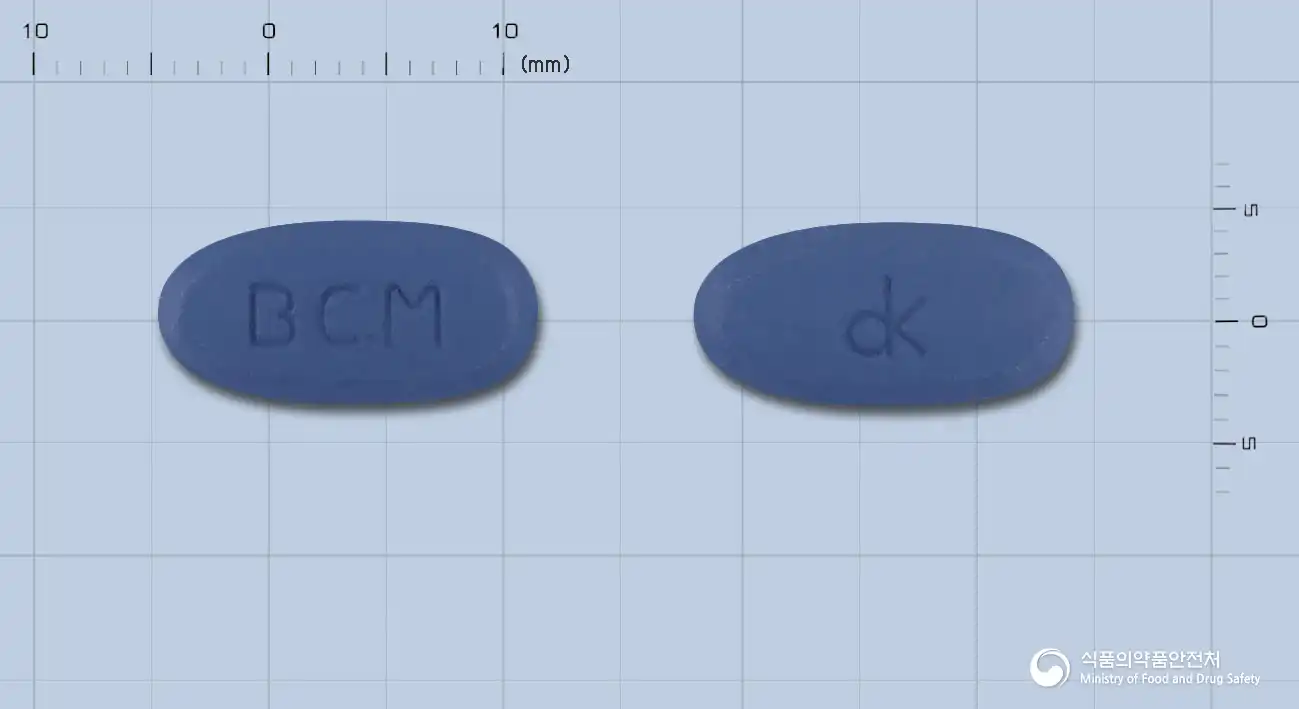
Biclar Sustained Release Tablet 375 mg (Cefaclor Hydrate)
Cefaclor Hydrate 375mg
Tablet · Prescription medication
DongKook Pharmaceutical Co., Ltd.
MFDS item code 200610978 · Approved 2006.11.30 · Insurance code 653402490
Treatment of respiratory infections (bronchitis, etc.), lower urinary tract infections, and skin and soft tissue infections
This medication is used for various bacterial infections such as acute and chronic bronchitis, pharyngitis and tonsillitis, lower urinary tract infections, and skin and soft tissue infections.
Administer cefaclor 375mg (potency) orally twice daily. For the treatment of infections caused by Streptococcus pyogenes (Group A beta-hemolytic), this drug should be administered continuously for at least 10 days. The tablets should be swallowed whole and must not be broken, crushed, or chewed. Adjust the dose as appropriate according to age and symptoms. This drug is administered orally with or without food. However, absorption increases when taken with food.
This medication is an antibiotic that kills bacteria by interfering with the synthesis of bacterial cell walls by binding to specific proteins. Before using this medication, you must inform your doctor if you have a history of severe allergic reactions or shock to this medication or similar antibiotics. Use with caution if you are allergic to penicillin antibiotics or have a tendency to have allergic symptoms such as asthma or skin rashes. Patients with severely impaired kidney function, elderly patients, or patients in poor nutritional status should be closely monitored when taking this medication due to the risk of bleeding caused by vitamin K deficiency. Patients with gastrointestinal diseases, especially those with a history of colitis, should consult a doctor immediately if symptoms such as abdominal pain or diarrhea occur during treatment with this medication. Rarely, this medication may cause serious side effects such as respiratory distress, generalized rash, hives, rashes, severe skin reactions, blood disorders, liver or kidney function abnormalities; if any unusual symptoms occur, stop the medication immediately and seek medical attention. There may be interactions with other medications, so you should inform your doctor of any drugs you are currently taking, especially when using drugs that affect the kidneys, anticoagulants, antacids, or oral contraceptives. Pregnant or nursing women should carefully decide on the use of this medication after consulting a doctor, as its safety has not been fully established. Caution is necessary when using this medication in children as its effects and safety have not been established. Elderly patients may experience side effects more easily due to decreased bodily functions, so dosage and dosing intervals should be adjusted while being closely monitored. This medication may affect urine test results, so be sure to inform the medical staff during testing. In case of overdose, symptoms such as nausea, vomiting, abdominal discomfort, and diarrhea may occur; seek appropriate treatment at a hospital immediately. To prevent the emergence of resistant bacteria, use this medication only for the minimum duration necessary based on sensitivity testing, and consult medical staff immediately if any allergic symptoms or adverse reactions occur during treatment.
Not everyone experiences these, and they can vary from person to person.
Store this medication in a tightly closed container to prevent air from entering, and it is best to keep it at room temperature between 1 to 30 degrees Celsius. Proper storage will help maintain the medication's effectiveness for a long time.
Blue rectangular sustained release tablet
30 tablets/bottle, 100 tablets/bottle
Even with the same ingredient, strength, dosage form and how it is taken can differ.
Viewing nowCefaclor Hydrate 375mg
Tablet · Prescription medication
DongKook Pharmaceutical Co., Ltd.
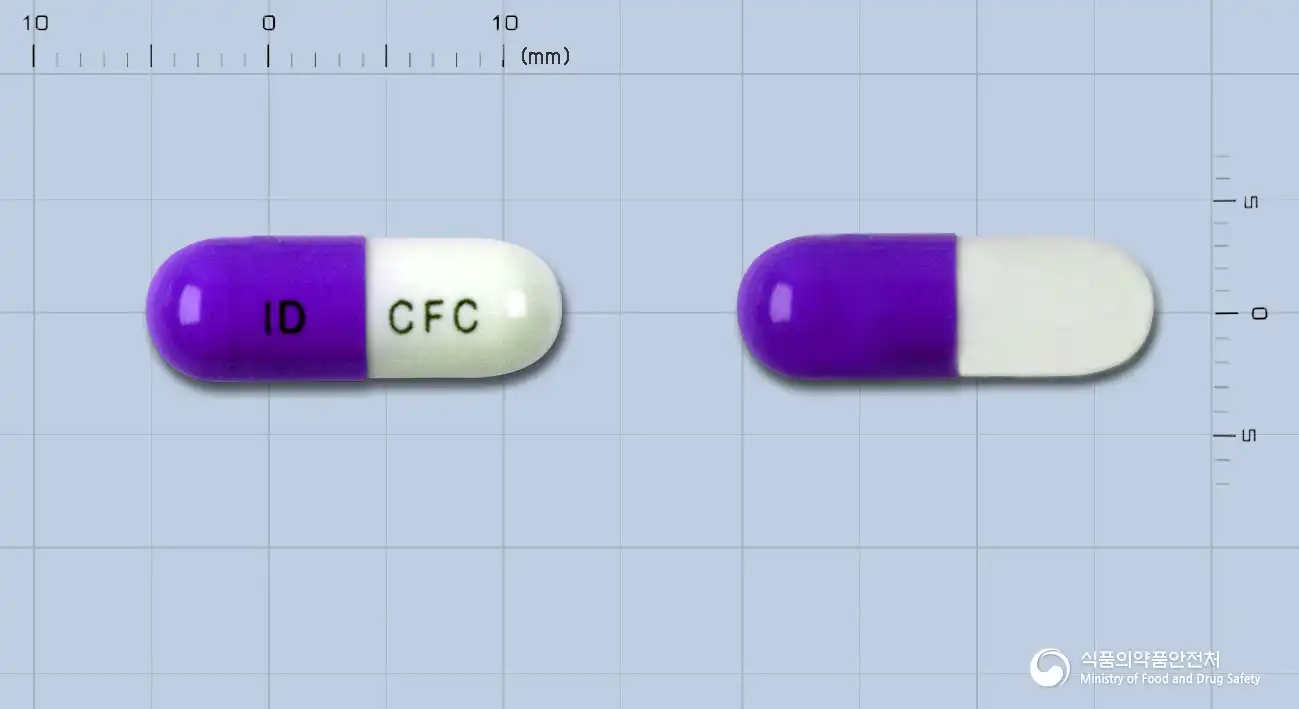
Cefaclor Hydrate 250mg
Hard capsule · Prescription medication
Ildong Pharmaceutical Co., Ltd.
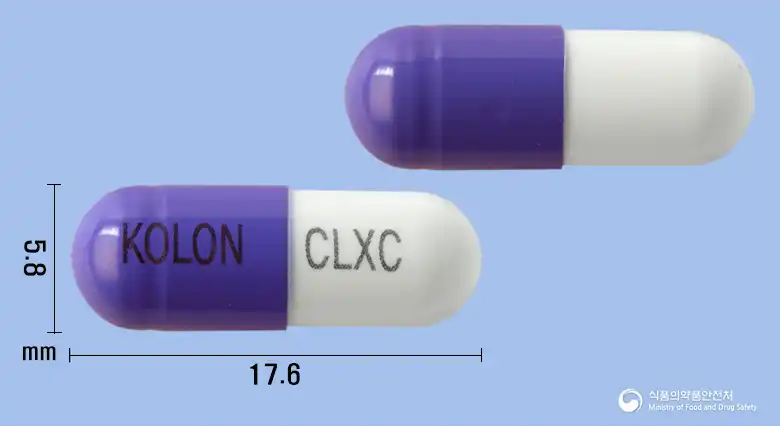
Cefaclor Hydrate 250mg
Hard capsule · Prescription medication
Kolon Pharmaceutical Co., Ltd.
Cefaclor Hydrate 3.75g
Syrup · Prescription medication
Youngjin Pharmaceutical Co., Ltd.
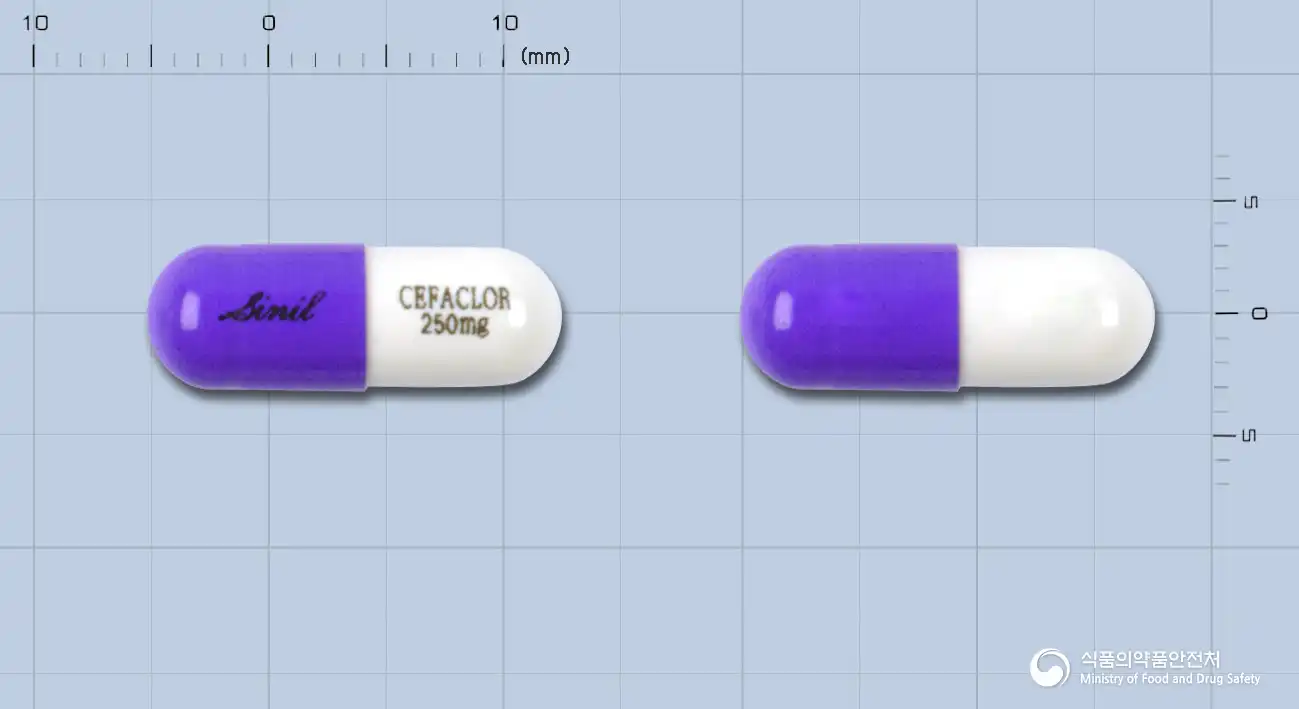
Cefaclor Hydrate 250mg
Hard capsule · Prescription medication
Shinil Pharmaceutical Co., Ltd.
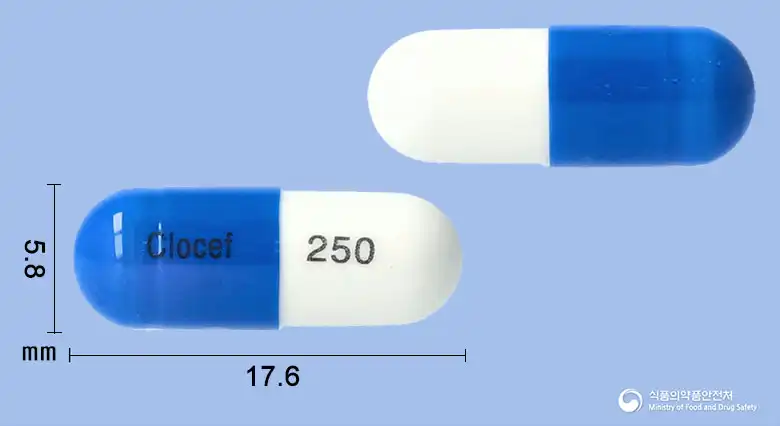
Cefaclor Hydrate 250mg
Hard capsule · Prescription medication
Hanmi Pharmaceutical Co., Ltd.
Cefaclor Hydrate 2.5g
Syrup · Prescription medication
Hanmi Pharmaceutical Co., Ltd.
Cefaclor Hydrate 3.75g
Syrup · Prescription medication
Shinpoong Pharmaceutical Co., Ltd.
Even with the same ingredient, the dose and directions can differ by strength and dosage form. Talk to a doctor or pharmacist before switching from a medication you are already taking.
No questions yet.
For anything that needs medical judgment, consult a doctor or pharmacist.
This drug information is based on data provided by the Korea Ministry of Food and Drug Safety.
Consult a doctor or pharmacist for accurate dosage, administration, and usage instructions.