
 한국어
 English
 日本語
 中文(简体)
Summary
- Main use
- Suppression of chronic hepatitis B virus replication
- Who takes it
- Adults
- Adult dose
- Adults: Take 30mg orally once daily.
Ingredients
- Manufacturer
- Bukwang Pharmaceutical Co., Ltd.
Efficacy & effects
Suppression of chronic hepatitis B virus replication
- Chronic hepatitis B virus infection
- elevated serum aminotransferases
View approved original textHide original text
This drug effectively inhibits the replication of the virus in patients with chronic hepatitis B virus infection confirmed by active viral replication and elevation of liver enzymes (ALT or AST) in blood tests. It applies to both HBeAg positive and negative patients, preventing deterioration of liver function and slowing disease progression. This helps improve the patient's liver health and reduces the risk of complications. This drug is very useful in the treatment of chronic hepatitis B.
How to take
Adult dose
Adults: Take 30mg orally once daily.
Precautions
This drug is used in the treatment of chronic hepatitis B and may affect liver function, so caution is required as worsening of liver function may occur upon discontinuation of treatment. As this drug is primarily excreted through the kidneys, it should not be administered to patients with poor kidney function, particularly those under the age of 18 or patients allergic to clevidipine. When taken in conjunction with other medications, it may interact with drugs that affect kidney function or are excreted by the kidneys, so it is essential to consult with a doctor and monitor for adverse reactions carefully. During treatment, symptoms such as cold, weakness, abdominal pain, dyspepsia, and headache may occur, and rarely, severe adverse reactions like skin rash or drowsiness may arise, so immediate consultation with medical personnel should be sought if symptoms worsen. Liver function test results may periodically rise during or after treatment, so liver function should be regularly monitored and the condition observed closely. This drug should be used during pregnancy only when the benefits outweigh the risks to the fetus, and breastfeeding should be avoided while taking this medication. If symptoms such as muscle pain or weakness persist, myopathy should be suspected, and the physician should be notified immediately, and drug administration may be discontinued if necessary. Special care should be taken when administering to children, the elderly, or patients with reduced kidney function, and the patient's condition should be considered when driving or operating machinery. There is no specific treatment for overdose; however, if symptoms manifest, immediate medical attention should be sought, and the medication should be kept out of reach of children.
Side effects
- Cold or upper respiratory infection
- fatigue
- abdominal pain
- indigestion
- headache
- rash
- drowsiness
- sialadenitis
- conjunctivitis
- endometritis
Show 96 moreCollapse
- gingivitis
- gastric ulcer
- elevated creatine phosphokinase
- myopathy
- muscle weakness
- myalgia
- leg weakness syndrome
- fatigue
- nausea
- headache
- liver cancer
- loss of appetite
- systemic weakness
- esophageal varices
- hepatic dysfunction
- colitis
- diarrhea
- dizziness
- laceration
- pneumonia
- cirrhosis
- liver neoplasm
- hepatic coma
- increased liver enzymes
- hypertension
- pelvic fracture
- ovarian cyst
- cerebral hemorrhage
- cystitis
- snakebite
- intra-abdominal hemorrhage
- ascites
- cerebellar infarction
- pyelonephritis
- fever
- urinary tract infection
- uterine bleeding
- weight loss
- hemorrhagic duodenal ulcer
- appendicitis
- nephritis
- arm fracture
- septic shock
- pulmonary tuberculosis
- hematuria
- dyspnea
- rhabdomyolysis
- pleural effusion
- melena
- pruritus
- sensory disturbance
- insomnia
- gastritis
- chest pain
- vomiting
- myositis
- eye pain
- polyarthritis
- constipation
- flank pain
- fatty liver
- skin disease
- hematuria
- chest discomfort
- hyperlipidemia
- arthralgia
- acute glomerulonephritis
- acute gastritis
- leg pain
- fecal incontinence
- palpitation
- increased sweating
- portal hypertension
- ankle swelling
- exacerbation of rash
- tinea
- Bell's palsy
- exacerbation of edema
- anxiety
- unspecified edema
- tremor
- facial edema
- multiple myositis
- exogenous allergic dermatitis
- depressed mood
- gastroenteritis
- middle ear effusion
- spinal canal stenosis
- weight gain
- hemorrhoids
- lichen planus
- arm swelling
- difficulty in balance
- herpes dermatitis
- back discomfort
- laryngeal irritation
Not everyone experiences these, and they can vary from person to person.
Storage
This medication should be stored in a tightly closed container to prevent exposure to air and moisture. The recommended storage temperature is room temperature between 1 to 30 degrees Celsius.
Appearance and packaging
Appearance
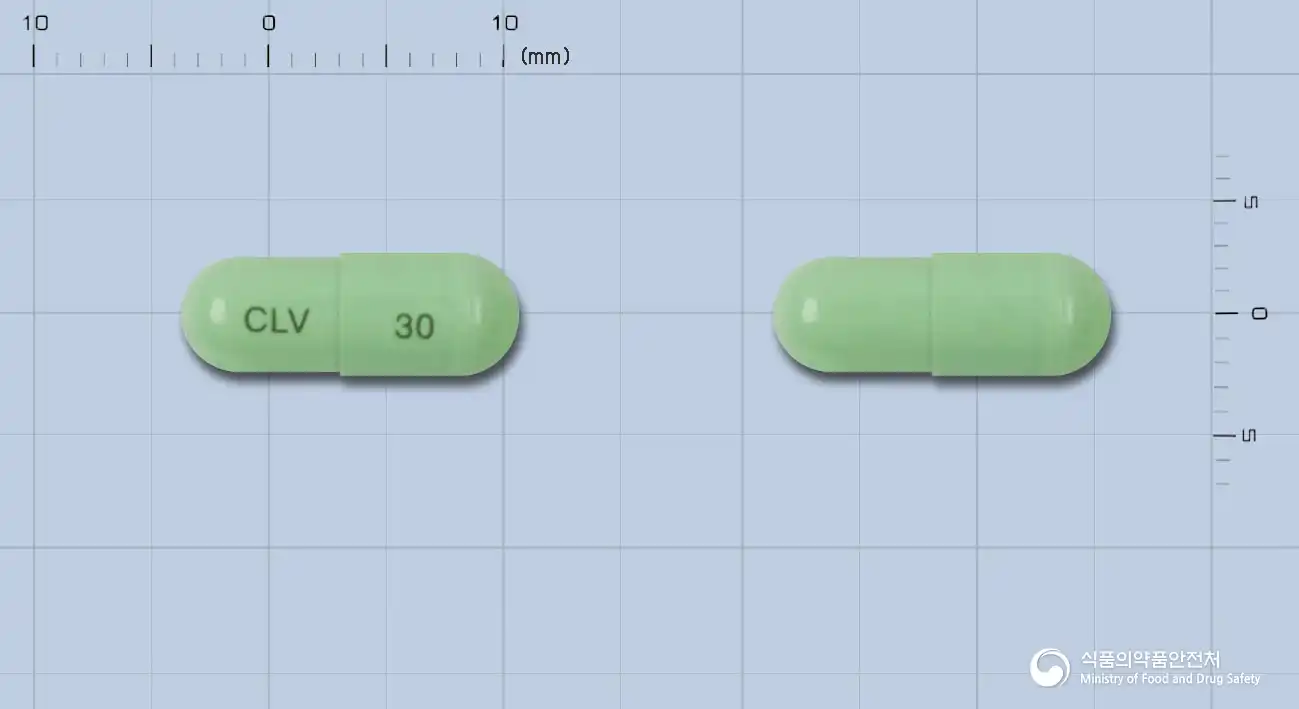
For domestic use: Opaque green hard capsule containing white, odorless powder For export 1: Opaque green hard capsule containing white, odorless powder For export 2: Containing white, odorless powder
Package unit
30 capsules per bottle
Questions about this medicine
No questions yet.
For anything that needs medical judgment, consult a doctor or pharmacist.