
 한국어
한국어 English
 日本語
日本語 中文(简体)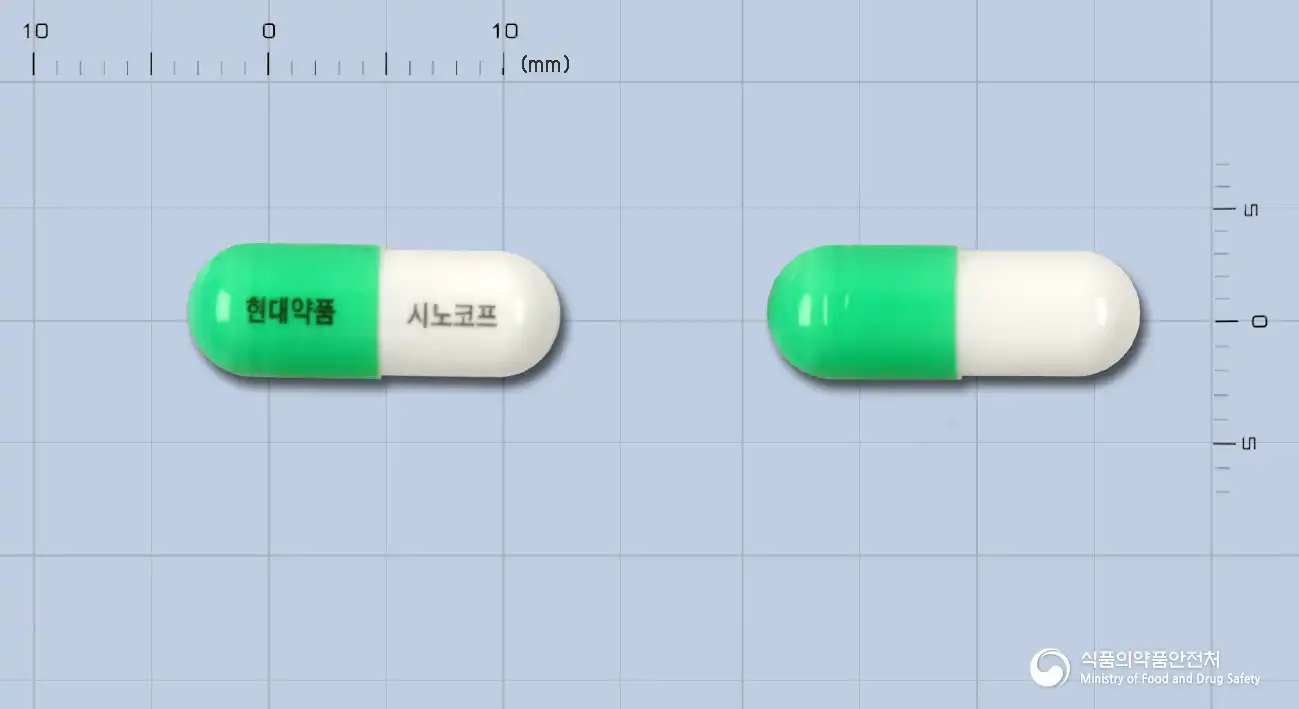
Summary
- Main use
- Relief of cough and phlegm
- Who takes it
- Adults · Children
- Adult dose
- For ages 15 years and older: take 2 capsules three times a day, 30 minutes after meals.
- Child dose
- For ages 11 to under 15 years: take 1 capsule and 1/3 capsule (4/3 capsules) three times a day after meals, 30 minutes after eating. For ages 8 to under 11 years: take 1 capsule three times a day.
Ingredients
- Diprophylline37.5mg / 1 capsule
- DL-Methylephedrine Hydrochloride3.1mg / 1 capsule
- Dextromethorphan Hydrobromide Hydrate10mg / 1 capsule
- Diphenhydramine Hydrochloride7.5mg / 1 capsule
- Manufacturer
- 현대약품(주)
Efficacy & effects
Relief of cough and phlegm
- Cough
- phlegm
View approved original textHide original text
Cough and phlegm are representative symptoms related to respiratory health. This medication is used to relieve cough and help thin phlegm for easier expulsion.
How to take
Adult dose
For ages 15 years and older: take 2 capsules three times a day, 30 minutes after meals.
Child dose
For ages 11 to under 15 years: take 1 capsule and 1/3 capsule (4/3 capsules) three times a day after meals, 30 minutes after eating. For ages 8 to under 11 years: take 1 capsule three times a day.
Precautions
This medication must not be administered to infants under 3 months old. Individuals with a history of allergy or hypersensitivity to this medication or any of its ingredients should not take it. Breastfeeding women should either avoid this medication or discontinue breastfeeding while taking it. Individuals taking or having stopped MAO inhibitors (such as antidepressants, antipsychotics, mood stabilizers, and anti-Parkinson drugs) within the past two weeks should not take this medication. This medication contains lactose, so patients with hereditary issues such as lactose intolerance, lactase deficiency, or glucose-galactose malabsorption should not take it. While taking this medication, other cough suppressants, cold medicines, antihistamines, sedatives, and medications containing diphenhydramine should not be taken concurrently. Patients with a history of allergic reactions such as fever, rash, joint pain, or itching due to medications should consult a doctor or pharmacist before taking this medication. Individuals with liver, kidney, heart, thyroid disorders, diabetes, hypertension, glaucoma, dysuria, epilepsy, elderly patients, those in poor health or with a high fever should also consult a healthcare professional before taking this medication. Pregnant women or those who may become pregnant and breastfeeding women should consult healthcare professionals before taking this medication. People who smoke, have asthma, chronic bronchitis, emphysema, cough with excessive phlegm, persistent cough lasting over a week, fever or rash, or a cough associated with persistent headache should consult a doctor before taking this medication. If symptoms such as rash, itching, vomiting, loss of appetite, dizziness, dysuria, severe thirst, tremors, or insomnia occur after taking the medication, discontinue use immediately and consult a healthcare professional. If symptoms do not improve after 5 to 6 doses, do not continue taking the medication and consult a healthcare professional. Children under 2 years old should not take this medication, and if necessary, should seek medical attention. When taking this medication, the prescribed method and dosage must be strictly followed, and when given to children, a guardian should provide direct guidance and supervision. For children under 7 years old, using syrup instead of this medication is safer. Alcohol should not be consumed during treatment, and caution is advised to avoid driving or operating machinery due to potential drowsiness. This medication should be stored out of reach of children and kept in a sealed container away from direct sunlight in a cool, dry place to maintain quality. Additionally, do not transfer to another container.
Side effects and when to seek care immediately
Serious side effects
Hives, dysuria
Mild side effects
- Rash
- redness
- itching
- nausea
- vomiting
- loss of appetite
- dizziness
- dysuria
- persistent or severe thirst
- anxiety
Show 2 moreCollapse
- tremors
- insomnia
Not everyone experiences these, and they can vary from person to person.
Interactions
Drug interactions
This medication should not be used with MAO inhibitors (such as antidepressants, antipsychotics, mood stabilizers, and anti-Parkinson drugs), other cough suppressants, cold medicines, antihistamines, sedatives, and preparations containing diphenhydramine. Individuals who have stopped taking MAO inhibitors within the last two weeks should not take this medication.
Food interactions
Do not consume alcohol while taking this medication.
Storage
This medication should be stored in an airtight container and kept at a temperature between 1 and 30 degrees Celsius. This will help maintain the medication's effectiveness and prevent degradation.
Appearance and packaging
Appearance
An opaque hard capsule with a light green upper half and a white lower half filled with white powder.
Package unit
10 capsules (10 capsules/PTP package)
Questions about this medicine
No questions yet.
For anything that needs medical judgment, consult a doctor or pharmacist.