
 한국어
한국어 English
 日本語
日本語 中文(简体)
 Viewing now
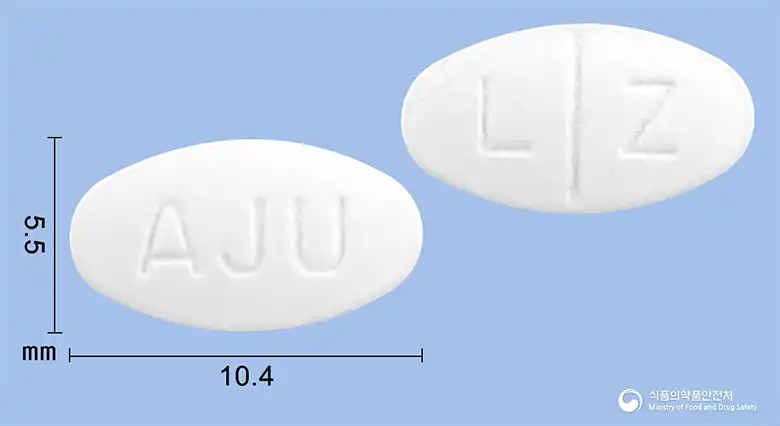
Lozatol (Losartan Potassium)
Losartan Potassium 50mg
Tablet · Prescription medication
Aju Pharmaceutical Co., Ltd.
MFDS item code 200600156 · Notified 2006.02.08 · Insurance code 654000220
Treatment of hypertension and kidney disease (in patients with type 2 diabetes)
Hypertension is a condition where blood pressure is elevated beyond normal levels, putting strain on the heart and blood vessels. This medication helps in controlling hypertension and plays a role in reducing the risk of kidney disease in patients with both hypertension and type 2 diabetes. It is therefore used as an important therapeutic agent for blood pressure management and maintaining kidney health.
This medication can be taken with or without food, but it is recommended to take it at the same time each day. 1. Hypertension - The initial and maintenance dosage as losartan potassium is recommended as 50 mg orally once daily. - Maximum blood pressure lowering effect typically occurs 3 to 6 weeks after starting therapy. - If the therapeutic effect is insufficient, the same dose may be divided and taken twice daily or increased to 100 mg once daily if necessary.
Pediatrics and adolescents aged 6 years and older (1) Weight 20 kg or more and less than 50 kg: administer 25 mg once daily, which may be increased to a maximum of 50 mg once daily based on blood pressure response. (2) Weight
This medication should be discontinued immediately if pregnancy is confirmed, particularly during the second and third trimesters, as it may impair fetal kidney function and can lead to serious injury or death. If taken during pregnancy, it may inhibit fetal lung development and cause skeletal deformities, as well as raise risks of decreased skull formation, renal failure, and hypotension in newborns. This medication should not be given to patients with hypersensitivity, severe liver impairment, hereditary angioedema, or primary hyperaldosteronism. Patients with genetic issues such as lactose intolerance should also avoid this medication. Elderly patients, those with hyperkalemia, liver impairment, heart valve abnormalities, or decreased kidney function should use this medication with caution and have their blood pressure and kidney function checked regularly. As this medication lowers blood pressure, it may cause dizziness or fainting due to sudden drops in blood pressure. If such symptoms occur while taking the medication, consult medical personnel immediately. Because there is a risk of increased serum potassium levels, it is advisable to avoid taking potassium supplements or potassium-containing medications simultaneously. During treatment, periodic tests of liver and kidney function should be conducted to check for any abnormalities. Particularly for patients with severely reduced kidney function, caution and dosage adjustments are necessary as kidney failure may worsen with use of this medication. Some patients may experience side effects such as dry cough, dizziness, muscle pain, and dyspepsia, and if symptoms persist, they should inform medical staff. Pregnant or nursing women are advised not to take this medication, and if it is absolutely necessary, breastfeeding should be discontinued. For children under 6 years of age or those with severe kidney impairment, the safety and efficacy of this medication have not been established, and it should not be administered. In case of overdose, symptoms like hypotension and bradycardia may occur, thus strict adherence to the prescribed dosage is essential, and any unusual symptoms should prompt immediate hospital visits. It is advisable to avoid consuming grapefruit juice while taking this medication, and consult with a doctor or pharmacist regarding potential interactions with other medications being taken. This medication should be kept out of reach of children and not transferred to other containers for safety.
Hives, angioedema (e.g., laryngeal edema which may obstruct the airway, facial, lip, pharyngeal, or tongue swelling), facial rash, difficulty breathing, liver dysfunction, acute hepatitis, fulminant hepatitis, jaundice, ventricular extrasystole, atrial fibrillation, myocardial infarction, cerebrovascular accident, hypotension, fainting, loss of consciousness, kidney failure, anuria, edema accompanying elevated blood pressure, vasculitis (Henoch-Schönlein purpura), anaphylaxis-like syndrome (discomfort, oral symptoms felt
Not everyone experiences these, and they can vary from person to person.
This medication may be sensitive to air or moisture, so it should be stored in a tightly sealed container. It is best to maintain a storage temperature between 1 and 30 degrees Celsius. Proper storage will help maintain the medication's effectiveness.
White oval film-coated tablet
30 tablets/bottle
Even with the same ingredient, strength, dosage form and how it is taken can differ.
Viewing nowLosartan Potassium 50mg
Tablet · Prescription medication
Aju Pharmaceutical Co., Ltd.
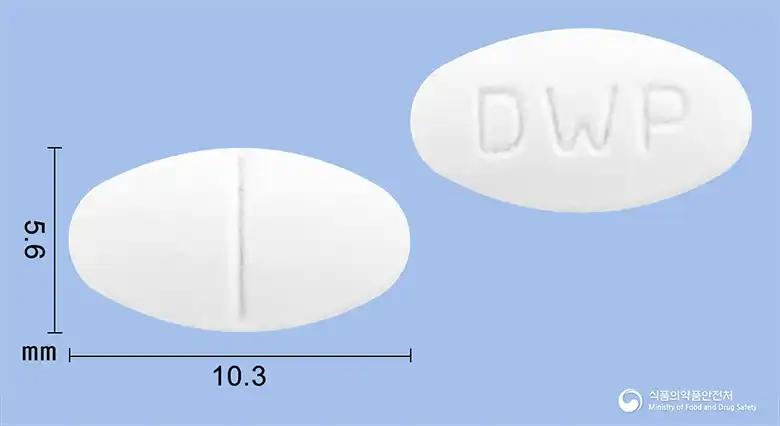
Losartan Potassium 50mg
Tablet · Prescription medication
DaeWon Pharmaceutical Co., Ltd.
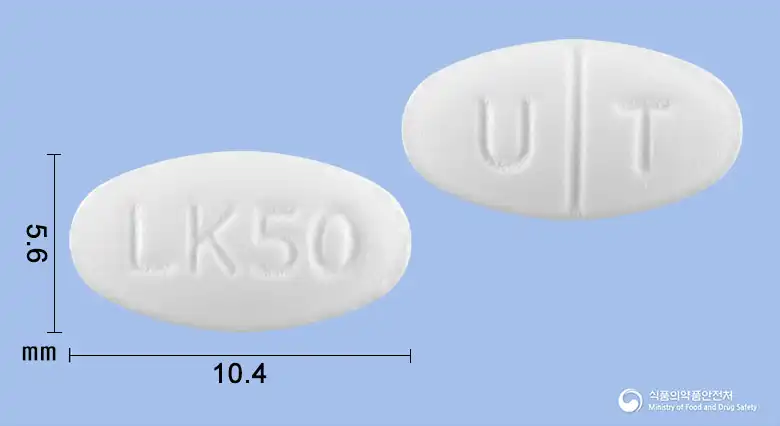
Losartan Potassium 50mg
Tablet · Prescription medication
Korea United Pharm, Co., Ltd.
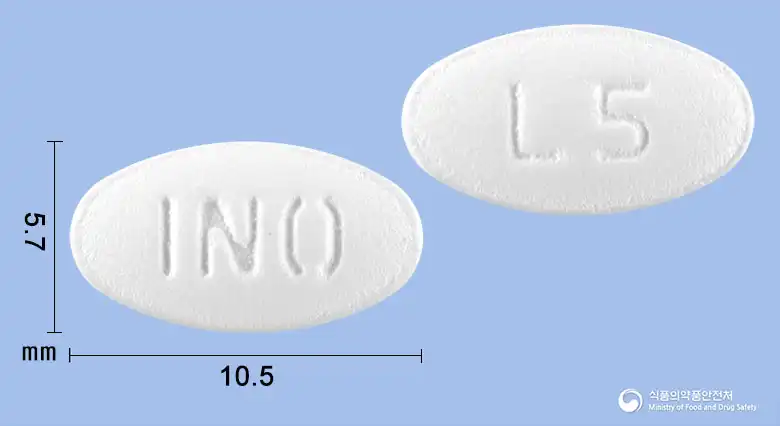
Losartan Potassium 50mg
Tablet · Prescription medication
HK Inno.N Co., Ltd.
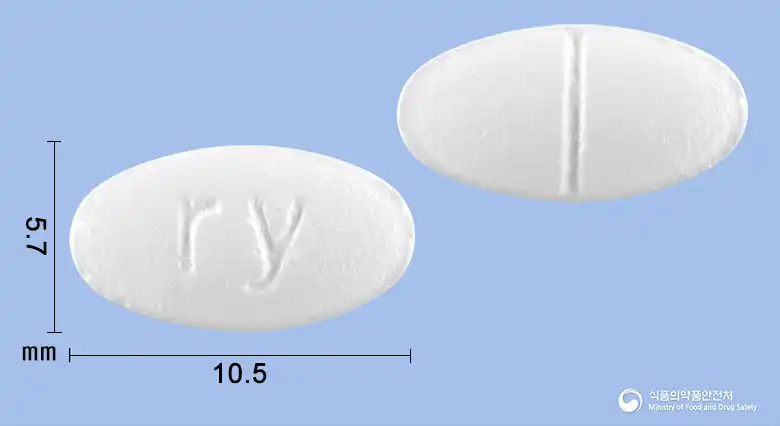
Losartan Potassium 50mg
Tablet · Prescription medication
IYON Pharmaceuticals Co., Ltd.
Losartan Potassium
Prescription medication
JW ShinYak Co., Ltd.
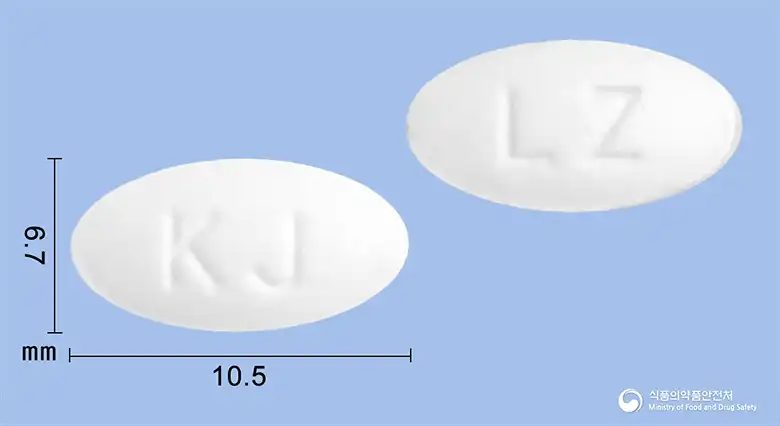
Losartan Potassium 50mg
Tablet · Prescription medication
Kukje Pharmaceutical Co., Ltd.
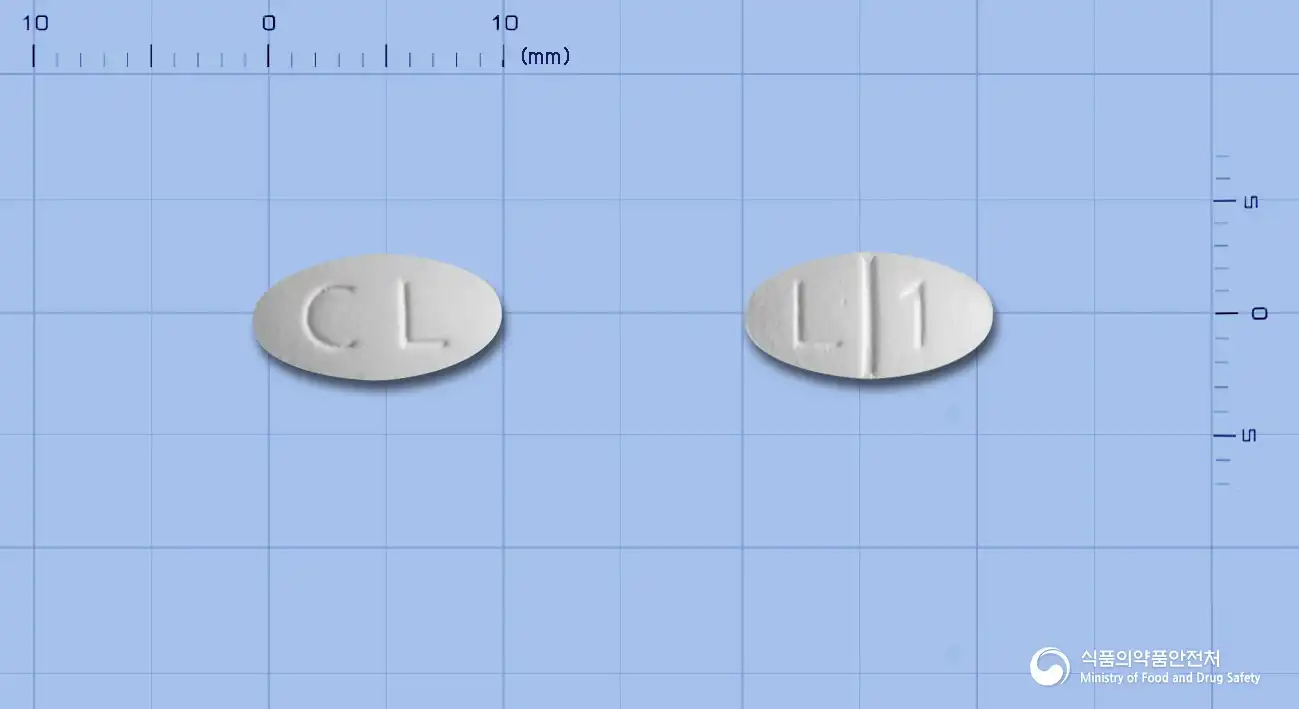
Losartan Potassium 50mg
Tablet · Prescription medication
Celltrion Pharmaceutical Co., Ltd.
Even with the same ingredient, the dose and directions can differ by strength and dosage form. Talk to a doctor or pharmacist before switching from a medication you are already taking.
No questions yet.
For anything that needs medical judgment, consult a doctor or pharmacist.
This drug information is based on data provided by the Korea Ministry of Food and Drug Safety.
Consult a doctor or pharmacist for accurate dosage, administration, and usage instructions.