
 한국어
 English
 日本語
 中文(简体)
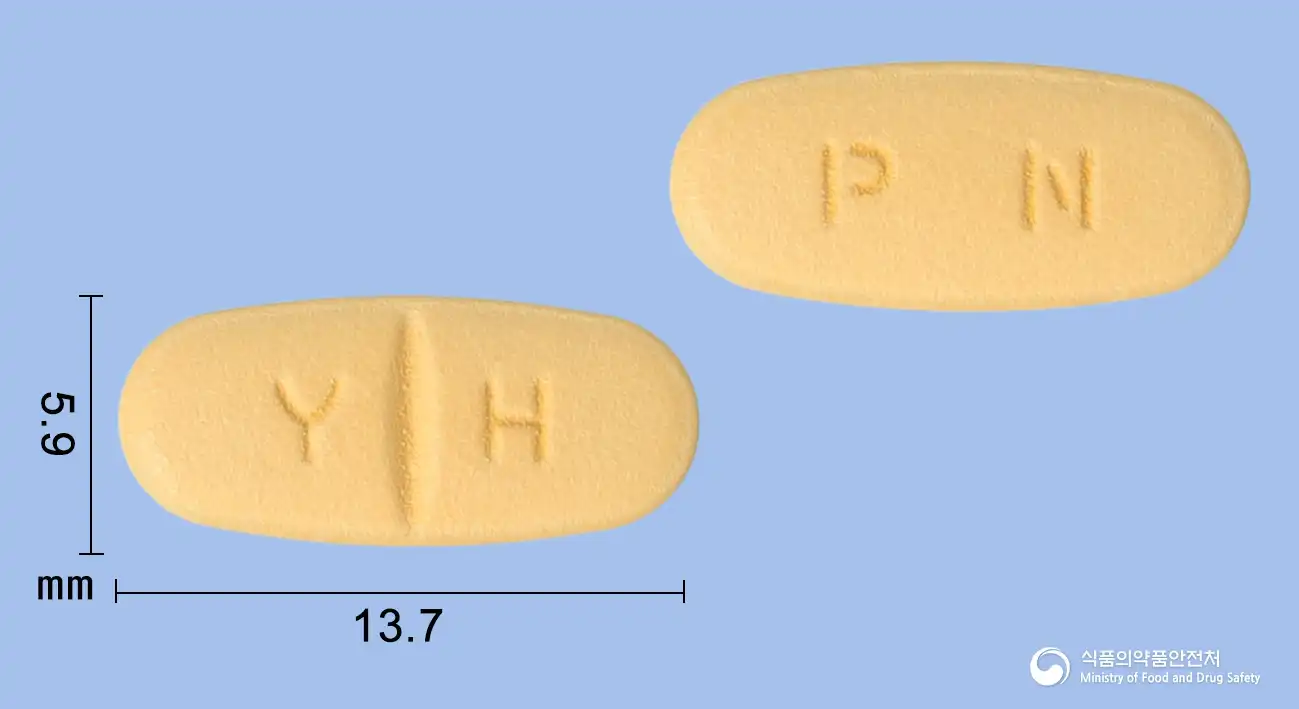 Viewing now
Prakanon Tablet 75 mg (Franlukast Hydrate)
Pranlukast Hydrate 75mg
Tablet · Prescription medication
Yuhan Corporation
MFDS item code 200600117 · Notified 2006.01.09 · Insurance code 642102710
Treatment of bronchial asthma and allergic rhinitis
This medication is used for respiratory-related allergic diseases such as bronchial asthma and allergic rhinitis. It alleviates inflammation and hypersensitivity in the bronchial tubes, making breathing easier and improving nasal congestion and sneezing symptoms caused by allergic rhinitis. Therefore, it is effectively used for alleviating symptoms of these allergic diseases.
Adults: Administer 75 mg of pranlukast hydrate orally twice daily, after breakfast and dinner. Adjust the dose as appropriate according to symptoms.
This medication should not be used by patients who are allergic to this medication or its ingredients. During treatment with this medication, severe allergic reactions such as shock or anaphylaxis may occur, so symptoms should be monitored closely. If symptoms such as low blood pressure, altered consciousness, difficulty breathing, or skin rash occur, immediately discontinue the medication and seek medical assistance. Blood-related issues may lead to a reduction in white blood cell or platelet count; if symptoms like fever, sore throat, fatigue, or bleeding occur, medication should be stopped. Liver function issues can arise, so symptoms such as jaundice or elevated liver enzyme levels should be monitored closely, and if abnormalities are found, medication should be discontinued and appropriate treatment sought. Respiratory symptoms such as fever, cough, or difficulty breathing may occur; if these symptoms arise, medication should be stopped and measures such as steroid treatment should be taken. Muscle and bone issues may arise, so if symptoms such as muscle pain, weakness, or elevated blood test values are noticed, medication should be stopped and treatment should be sought. If significant damage to muscles occurs, kidney function may also be affected, so caution is necessary. Skin rash or pruritus may occur, and in rare cases, severe skin reactions may occur, so if these symptoms are present, medication should be stopped and consultation with a healthcare professional should be done. Psychological symptoms such as tremors, seizures, agitation, anxiety, headache, drowsiness, dizziness, and insomnia may occur; if such changes are observed, careful monitoring is necessary. Gastrointestinal symptoms such as nausea, abdominal pain, gastric discomfort, diarrhea, vomiting, loss of appetite, constipation, and oral inflammation may occur. Cardiac rhythm abnormalities or palpitations and facial flushing may occur, though rarely, so caution is necessary. Urinary symptoms may include proteinuria, hematuria, and urinary difficulties; these abnormalities should be reported. Other symptoms can include stiffness, lethargy, weight gain, hand tremors, hair loss, and menstrual irregularities. This medication is not intended for the immediate relief of asthma attacks, so patients should be fully informed of this fact. If asthma attacks worsen during treatment, additional use of bronchodilators or steroids should be considered. Patients who are undergoing long-term steroid treatment should carefully manage the dosage reduction when starting this medication, as stopping this medication may cause the original condition to worsen. While using leukotriene antagonists, including this medication, rare cases of vasculitis-like symptoms may occur; thus, blood eosinophil levels and symptoms of vasculitis should be monitored closely. Additionally, there have been reports of psychological symptoms like depression, suicidal thoughts, and aggressive behavior after using this medication, so patient status should be closely observed. If no effect is seen, caution should be taken not to use it for an extended period. This medication is metabolized by a specific enzyme (CYP3A4) in the liver, so care should be taken when taken with other medications that affect this enzyme as blood concentration levels may change. Pregnant women or women who may become pregnant should use this medication only when the therapeutic benefits outweigh the risks, and safety during pregnancy has not been established. Safety for children, infants, and low birth-weight infants has not been adequately confirmed, so caution is necessary. Elderly patients may have reduced bodily functions, so it is advised to use half the normal dosage.
Not everyone experiences these, and they can vary from person to person.
This medication should be stored in a tightly closed container to protect it from air and moisture, and it is best to maintain a storage temperature between 1°C and 30°C room temperature. This will help safely retain the medication's effectiveness.
Yellow, oblong film-coated tablet with a score line
30 tablets/bottle, 100 tablets/bottle
Even with the same ingredient, strength, dosage form and how it is taken can differ.
Viewing nowPranlukast Hydrate 75mg
Tablet · Prescription medication
Yuhan Corporation
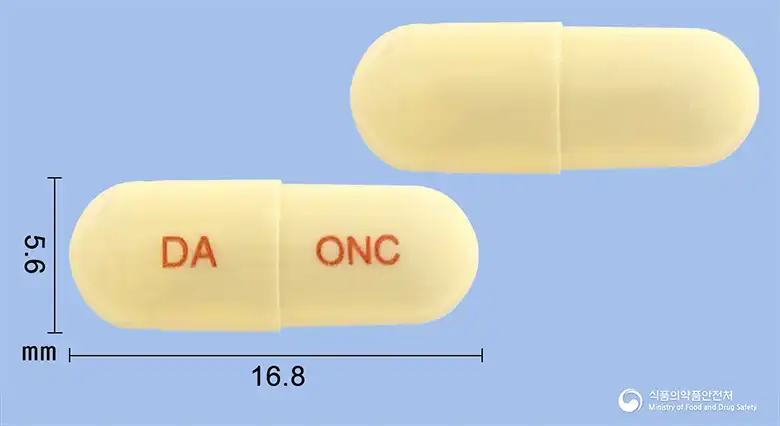
Pranlukast Hydrate 112.5mg
Hard capsule · Prescription medication
Dong-A ST Co., Ltd.
Pranlukast Hydrate
Prescription medication
Dong-A ST Co., Ltd.

Pranlukast Hydrate 112.5mg
Hard capsule · Prescription medication
SK Chemicals Co., Ltd.
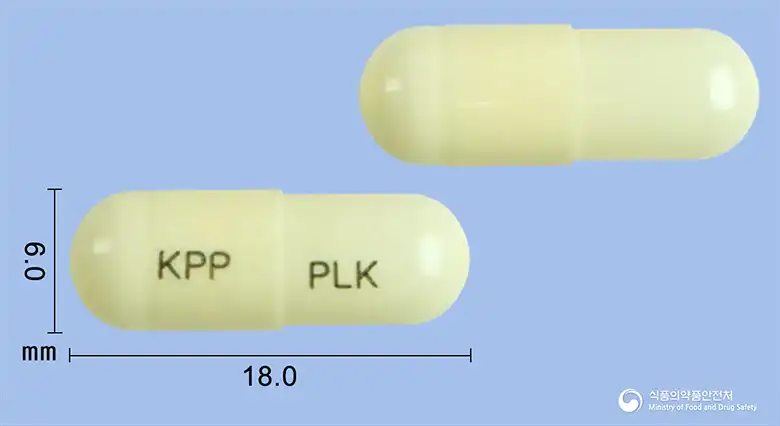
Pranlukast Hydrate 112.5mg
Hard capsule · Prescription medication
Korea Prime Pharmaceutical Co., Ltd.
Pranlukast Hydrate 10g
Syrup · Prescription medication
Sama Pharmaceutical Co., Ltd.
Pranlukast Hydrate 70mg
Prescription medication
Sama Pharmaceutical Co., Ltd.
Pranlukast Hydrate 140mg
Prescription medication
Sama Pharmaceutical Co., Ltd.
Even with the same ingredient, the dose and directions can differ by strength and dosage form. Talk to a doctor or pharmacist before switching from a medication you are already taking.
No questions yet.
For anything that needs medical judgment, consult a doctor or pharmacist.
This drug information is based on data provided by the Korea Ministry of Food and Drug Safety.
Consult a doctor or pharmacist for accurate dosage, administration, and usage instructions.