
 한국어
한국어 English
 日本語
日本語 中文(简体)
 Viewing now
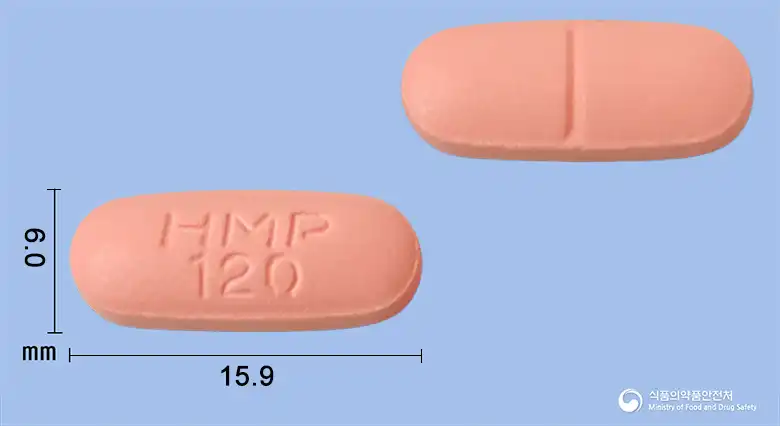
Fexofenadine 120 mg Tablet (Fexofenadine Hydrochloride)
Fexofenadine Hydrochloride 120mg
Tablet · OTC medication
Hanmi Pharmaceutical Co., Ltd.
MFDS item code 200512200 · Notified 2005.07.26 · Insurance code 643503280
Relief of allergy rhinitis symptoms
This medication is used to relieve symptoms such as nasal congestion, sneezing, and runny nose caused by allergic rhinitis.
As Fexofenadine Hydrochloride, take 120 mg orally once daily before meals with water. Elderly patients and those with liver failure do not require dosage adjustment. For patients with kidney failure, the starting dose is 60 mg orally once daily before meals with water.
The safety and efficacy of this medication in children under 12 years of age have not been established.
This medication should not be used by individuals with known allergic reactions to this medication or its ingredients. Patients with poor kidney function, elderly individuals, and those with heart disease or a history of heart disease should exercise caution when using this medication. Taking this medication may cause symptoms such as headache, drowsiness, dizziness, and nausea; if symptoms are severe, consult a physician. Rarely, severe allergic reactions may occur, including skin rash, itching, difficulty breathing, and low blood pressure. If these symptoms occur, stop taking the medication immediately and inform a healthcare professional. As this medication may affect liver function, if symptoms of liver dysfunction occur, inform a physician immediately and discontinue use. For patients with reduced kidney function, it is recommended to lower the dosage of this medication, especially in the elderly, who are at higher risk for decreased kidney function. This medication is known to have little impact on driving or operating machinery, but caution should be taken if drowsiness or dizziness occurs. This medication may alter blood concentration levels when taken with certain antibiotics or antacids, so it is advisable to consult a physician or pharmacist if taking other medications. Taking this medication with fruit juices, especially grapefruit juice, orange juice, or apple juice, may reduce its effectiveness; therefore, it is best taken with water. Women who are pregnant or may become pregnant should consult a doctor before taking this medication, and nursing mothers should avoid it for safety. The safety and efficacy of this medication in children, especially those under 12 years of age, have not been sufficiently established, so caution is warranted. In case of overdose, symptoms such as dizziness, drowsiness, and dry mouth may occur; if an overdose is suspected, seek medical attention immediately. This medication should be kept out of the reach of children, and it is safer not to transfer it to another container.
Not everyone experiences these, and they can vary from person to person.
Consult a physician or pharmacist when using this medication with Ketoconazole, Erythromycin, or antacids containing aluminum and magnesium hydroxide.
Taking this medication with fruit juices such as grapefruit juice, orange juice, or apple juice may decrease its effectiveness; therefore, it is recommended to take it with water.
Store this medication in a tightly sealed container to prevent exposure to air or moisture. It is advisable to maintain the storage temperature between 1 to 30 degrees Celsius. Proper storage can help maintain the medication's effectiveness over time.
Light pink, oval film-coated tablet
30 tablets/bottle, 300 tablets/bottle
Even with the same ingredient, strength, dosage form and how it is taken can differ.
Viewing nowFexofenadine Hydrochloride 120mg
Tablet · OTC medication
Hanmi Pharmaceutical Co., Ltd.
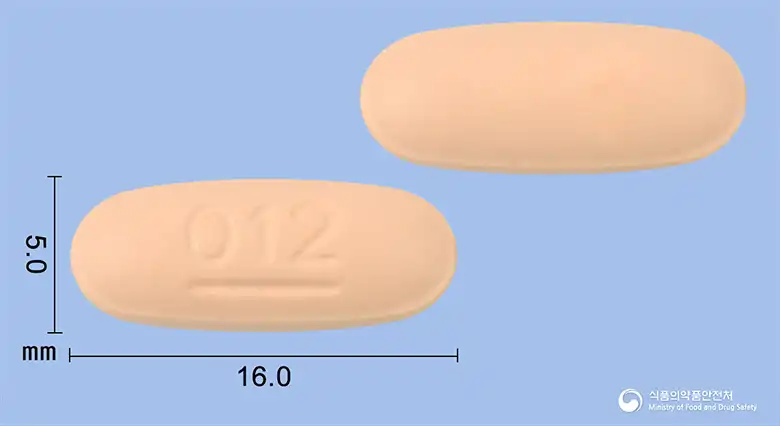
Fexofenadine Hydrochloride 120mg
Tablet · OTC medication
HanDoc Co., Ltd.
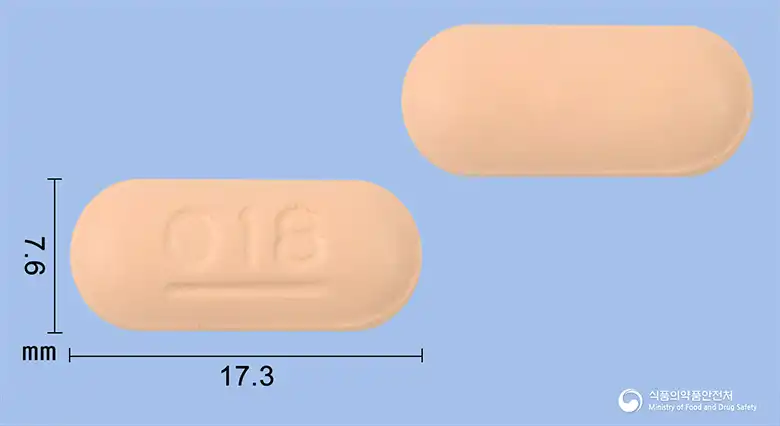
Fexofenadine Hydrochloride 180mg
Tablet · Prescription medication
Handok Co., Ltd.
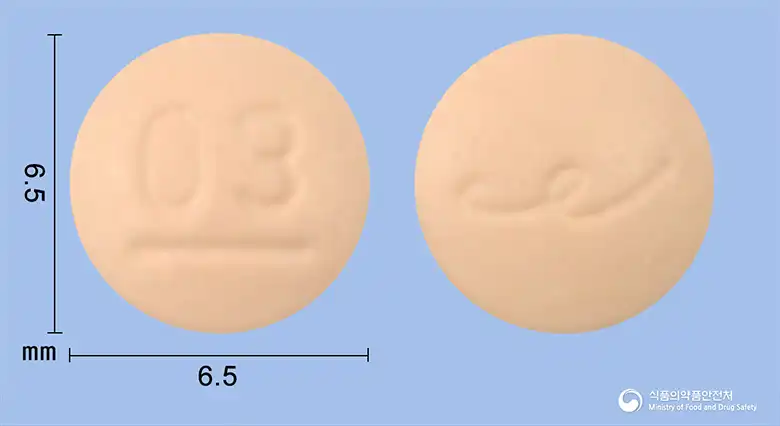
Fexofenadine Hydrochloride 30mg
Tablet · Prescription medication
Handok Co., Ltd.
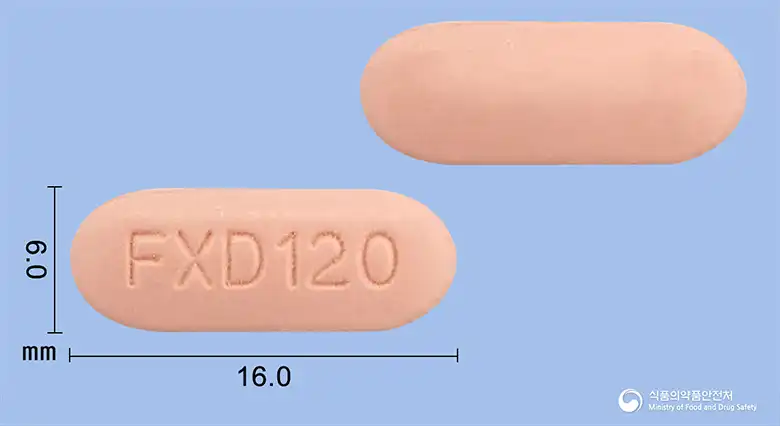
Fexofenadine Hydrochloride 120mg
Tablet · OTC medication
Jongkundang Co., Ltd.
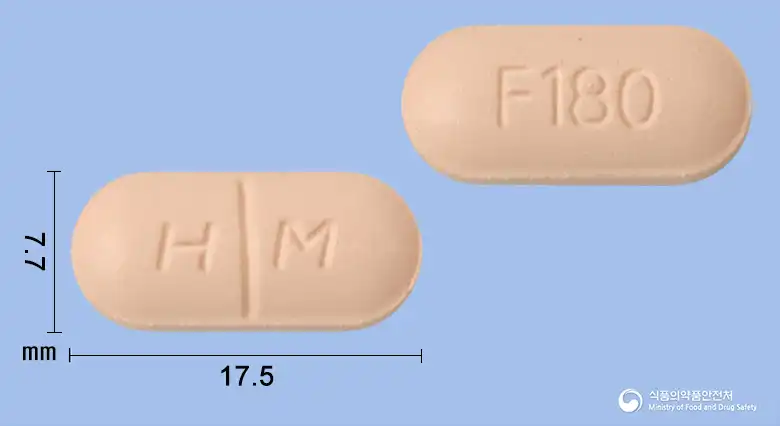
Fexofenadine Hydrochloride 180mg
Tablet · Prescription medication
Hanmi Pharmaceutical Co., Ltd.
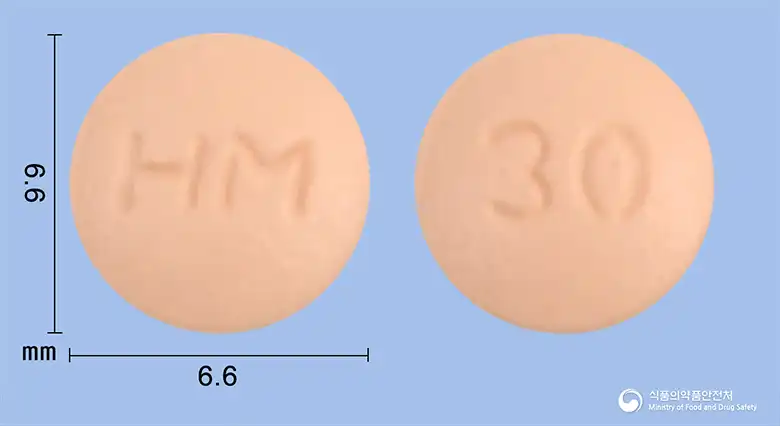
Fexofenadine Hydrochloride 30mg
Tablet · Prescription medication
Hanmi Pharmaceutical Co., Ltd.
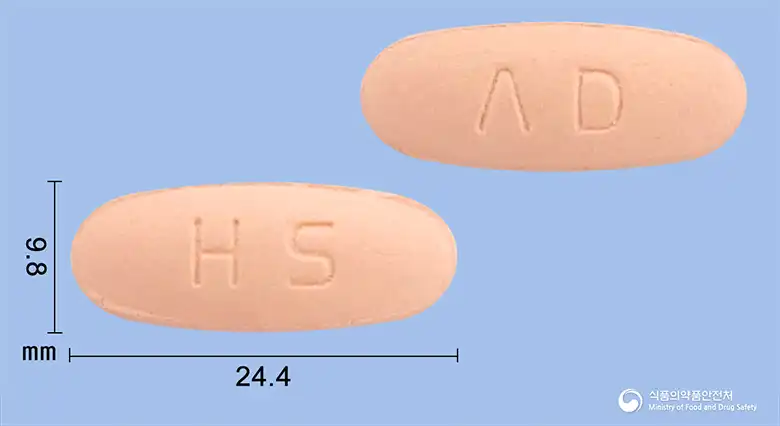
Fexofenadine Hydrochloride 120mg
Tablet · OTC medication
Hugens Co., Ltd.
Even with the same ingredient, the dose and directions can differ by strength and dosage form. Talk to a doctor or pharmacist before switching from a medication you are already taking.
No questions yet.
For anything that needs medical judgment, consult a doctor or pharmacist.
This drug information is based on data provided by the Korea Ministry of Food and Drug Safety.
Consult a doctor or pharmacist for accurate dosage, administration, and usage instructions.