
 한국어
한국어 English
 日本語
日本語 中文(简体)
Dosage form image
Viewing nowTarec Film-Coated Tablet 80 mg (Valsartan)
Valsartan
Prescription medication
Korea Sandos Co., Ltd.
MFDS item code 200511378 · Notified 2005.10.24
This product's status changed to Approval withdrawn on 2023.06.26. It may no longer be sold, so consult a doctor or pharmacist before taking it.
Treatment of essential hypertension and heart failure (intolerance to ACE inhibitors), reduction of mortality risk after myocardial infarction.
This medication effectively lowers blood pressure in patients with essential hypertension and can also be used in heart failure patients who are intolerant to ACE inhibitors. Additionally, it helps reduce the mortality risk in stable patients with left ventricular dysfunction or contractile dysfunction after myocardial infarction. In other words, this medication is very useful for managing hypertension, treating certain heart failure patients, and reducing the risk of death after myocardial infarction.
Essential Hypertension: The recommended oral dose of Valsartan is 80 mg once daily. If blood pressure is not well controlled, the dosage can be increased to 160 mg per day and may go up to a maximum of 320 mg per day. Elderly patients (75 years and older) start with 40 mg once daily. In patients with renal impairment, if creatinine clearance is between 10-20 mL/min, start with 40 mg once daily. If creatinine clearance is less than 10 mL/min
The safety and efficacy for children and adolescents under 18 have not been established.
This medication can cause serious harm to the fetus if taken during pregnancy, especially in the second and third trimesters, so it must be discontinued immediately upon confirmation of pregnancy. Women who are pregnant or may become pregnant, patients with severe liver or kidney disease, and patients with certain hereditary angioedema should not take this medication. Elderly patients, patients with hyperkalemia, liver disease, and heart failure should take this medication with caution, as it may cause a sudden drop in blood pressure; starting with a low dose and observing their condition carefully is recommended. During treatment with this medication, side effects such as headache, dizziness, cough, diarrhea, and fatigue may occur; in severe cases, it may lead to hypotension, renal impairment, and hyperkalemia, necessitating periodic testing. Patients undergoing dialysis or on strict sodium restriction, as well as patients on diuretics, are at higher risk of hypotension and should exercise caution when taking this medication. This medication may interact with other antihypertensives, potassium-sparing diuretics, and certain non-steroidal anti-inflammatory drugs, so it is essential to consult a physician or pharmacist. Breastfeeding women should avoid taking this medication; if it is necessary, breastfeeding should be discontinued. The safety and efficacy for children and adolescents under 18 have not been established and it is advisable not to use it. In cases of overdose, there may be a rapid drop in blood pressure and loss of consciousness, requiring immediate medical attention. This medication should be kept out of reach of children and transferring it to other containers should be avoided as it can affect its quality.
Hives, severe swelling (angioedema), chest tightness, difficulty breathing, cold sweat, pallor, severe rash with fever, blistering, skin peeling, pain in mouth/eyes mucosa, shortness of breath or difficulty breathing, asthma attack, cough with fever or respiratory difficulty, yellowing of skin or eyes (jaundice), extreme malaise, sudden and severe headache, thunderclap headache, seizures, confusion, vision changes, paralysis, coma
Not everyone experiences these, and they can vary from person to person.
This medication is sensitive to air and moisture and should be stored in a sealed container. It is also important to keep it in a cool place below 30 degrees Celsius to maintain its efficacy.
Light reddish round film-coated tablet
98 tablets (14 tablets/PTP packaging x 7)
Even with the same ingredient, strength, dosage form and how it is taken can differ.
Valsartan
Prescription medication
Korea Sandos Co., Ltd.
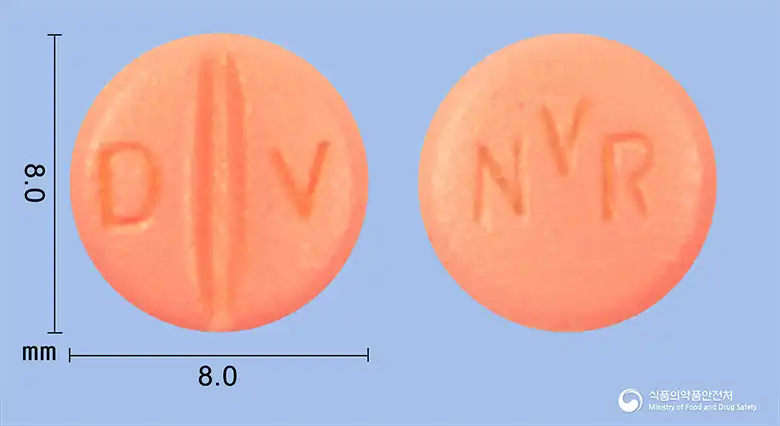
Valsartan 80mg
Tablet · Prescription medication
Novartis Korea Co., Ltd.
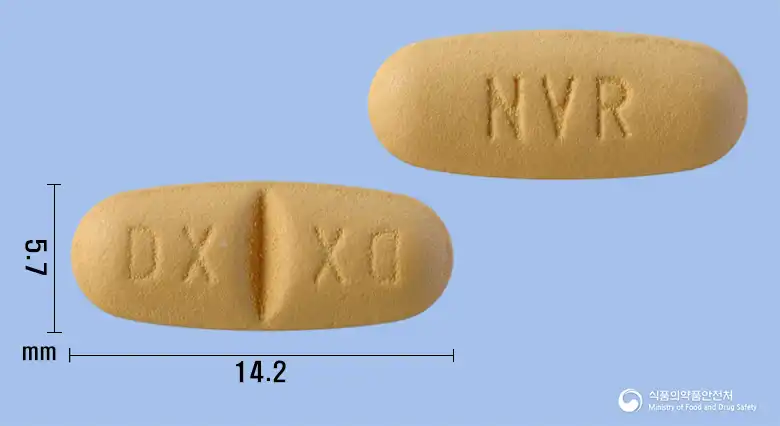
Valsartan 160mg
Tablet · Prescription medication
Novartis Korea Co., Ltd.
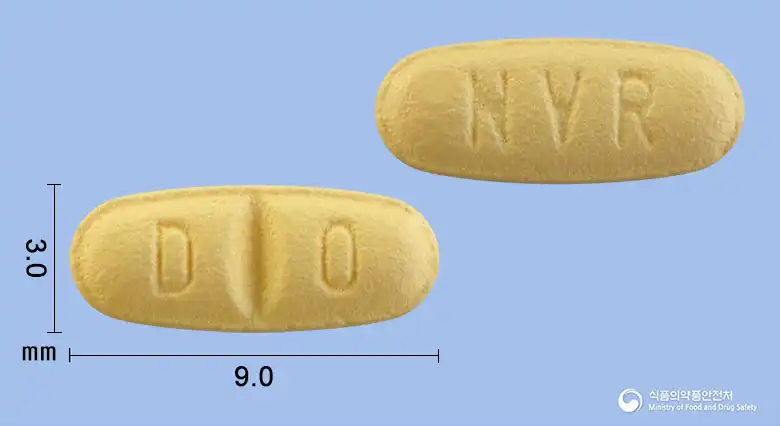
Valsartan 40mg
Tablet · Prescription medication
Samsung Novartis Co., Ltd.
Valsartan
Prescription medication
Korea Sandos Co., Ltd.
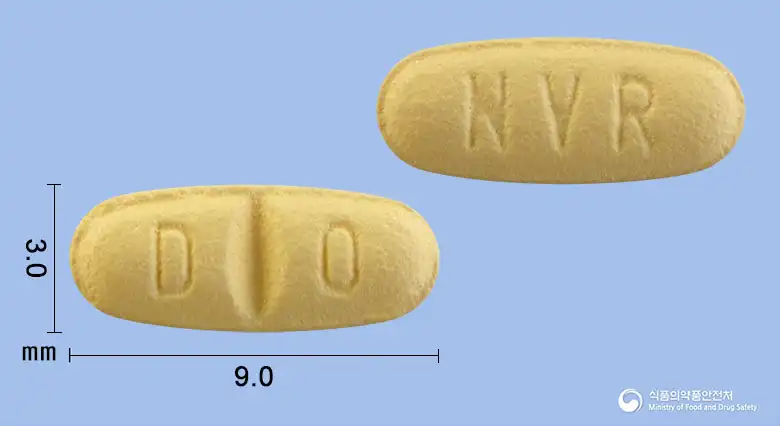
Valsartan
Prescription medication
Korea Sandos Co., Ltd.
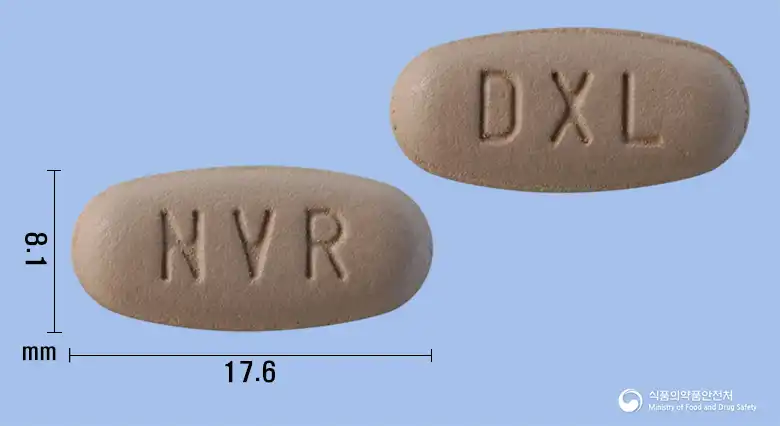
Valsartan 320mg
Tablet · Prescription medication
Novartis Korea Co., Ltd.
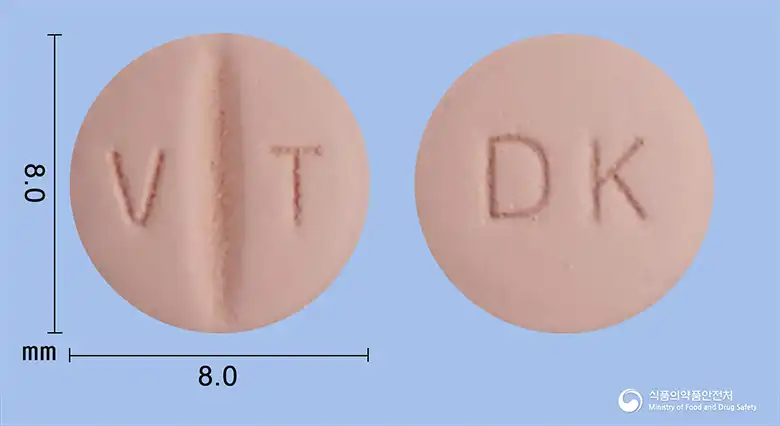
Valsartan 80mg
Tablet · Prescription medication
Dongkwang Pharmaceutical Co., Ltd.
Even with the same ingredient, the dose and directions can differ by strength and dosage form. Talk to a doctor or pharmacist before switching from a medication you are already taking.
No questions yet.
For anything that needs medical judgment, consult a doctor or pharmacist.
This drug information is based on data provided by the Korea Ministry of Food and Drug Safety.
Consult a doctor or pharmacist for accurate dosage, administration, and usage instructions.