
 한국어
 English
 日本語
 中文(简体)
Dosage form image
Viewing nowPrograf Injection 5 mg (Tacrolimus Hydrate)
Tacrolimus Hydrate 5.1mg
Prescription medication
Korea Astellas Pharma Co., Ltd.
MFDS item code 200511275 · Approved 2005.05.31 · Insurance code 677200101
Prevention of kidney and liver transplant rejection, bone marrow transplant rejection, and graft-versus-host disease
This medication is used to prevent rejection reactions in patients receiving various organ transplants, such as kidney, liver, and bone marrow transplants. It is also effective in preventing graft-versus-host disease (GVHD) in patients who have undergone bone marrow transplantation. In other words, this medication helps prevent the immune system from attacking the new tissue after transplantation, assisting the patient's recovery and contributing to maintaining health.
1. Kidney transplantation Dilute tacrolimus 0.10 mg/kg per dose in normal saline or glucose injection and administer by intravenous infusion over 24 hours. Switch to oral administration as soon as possible once oral administration becomes feasible. 2. Liver transplantation Dilute tacrolimus 0.05 mg/kg per dose in normal saline or glucose injection and administer by intravenous infusion twice daily over 4~12 hours. Switch to oral administration as soon as possible once oral administration becomes feasible. 3. Bone marrow transplantation - Prevention of graft rejection and graft-versus-host disease following bone marrow transplantation: Starting 1 day before transplantation, dilute tacrolimus 0.03 mg/kg per dose in normal saline or glucose injection and administer by intravenous infusion over 24 hours. Switch to oral administration as soon as possible once oral administration becomes feasible. - Graft-versus-host disease: When starting treatment after disease onset, dilute tacrolimus 0.10 mg/kg per dose in normal saline or glucose injection and administer by intravenous infusion over 24 hours. Switch to oral administration as soon as possible once oral administration becomes feasible. Because responses to this medicine vary among patients, measure blood concentrations according to the patient's condition and adjust the dose with reference to the trough blood concentration to prevent adverse reactions when blood concentrations are high and rejection or graft-versus-host disease when blood concentrations are low. Measure blood concentrations frequently, especially immediately after transplantation or initiation of treatment.
This medication is an immunosuppressant that helps prevent patients with transplants from rejecting their grafts. However, using this medication increases the risk of infections and the possibility of developing cancers, such as lymphoma. This medication can affect kidney function, leading to acute or chronic kidney impairment; therefore, kidney function should be monitored frequently, and doses adjusted as necessary. It may cause elevated potassium levels, so co-administration with potassium-sparing diuretics should be avoided, and potassium levels should be checked regularly. Additionally, this medication can affect the nervous system, leading to various neurological symptoms such as tremors, headaches, seizures, and confusion. Patients receiving this medication should immediately inform healthcare providers if they experience symptoms such as headaches, visual disturbances, or seizures, which may necessitate dose reduction or discontinuation. Since immune function is suppressed, there is an increased risk of latent viral infections or opportunistic infections; therefore, symptoms of infection should be monitored closely. New-onset or worsening diabetes may occur, so blood glucose levels should be checked regularly. This medication should not be used by individuals with hypersensitivity or allergies to any specific components. Caution should be taken when administering this medication to patients with impaired liver or kidney function, the elderly, individuals with infections, and pregnant women or women who may become pregnant. This medication may interact with other medications; therefore, all medications being taken should be disclosed to healthcare providers, especially those that may cause nephrotoxicity or affect blood concentration. After administration, the patient's condition should be monitored for at least 30 minutes, and if any allergic reactions occur, administration should be stopped immediately, and emergency treatment should be sought. This medication may affect the fetus during pregnancy; therefore, patients who are pregnant or planning to become pregnant must consult their healthcare provider, and it is recommended to discontinue breastfeeding during treatment. Regular blood tests and clinical examinations should be conducted to monitor for side effects or abnormal reactions during the use of this medication. In cases of overdose, kidney dysfunction, hypertension, and neurological abnormalities may occur, so the prescribed dosages should be strictly adhered to. This medication should be administered following the instructions of qualified healthcare professionals to ensure safe usage; patients should not alter doses or discontinue medication on their own.
Blood pressure lowering, chest discomfort, dyspnea, myocardial impairment, decreased cardiac function, cardiac chamber enlargement, ventricular wall hypertrophy, heart failure, ventricular and supraventricular arrhythmias, myocardial infarction, angina, pericardial effusion, QT interval prolongation, Torsades de pointes, acute renal failure, nephrotic syndrome, thrombotic microangiopathy, hemolytic uremic syndrome, thrombotic thrombocytopenic purpura, pancytopenia, thrombocytopenic purpura, pure red cell aplasia, agranulocytosis, hemolytic anemia, convulsions, intestinal obstruction, bacterial infections, viral infections, fungal infections, parasitic infections, BK virus nephropathy, JC virus-related PML, CMV infection, lymphoproliferative disorders, lymphoma, reversible posterior leukoencephalopathy syndrome, generalized seizures, altered consciousness, confusion, speech disorders, visual disturbances, hemiplegia, cerebral infarction, cerebral hemorrhage, diabetes, worsening diabetes, hyperglycemia, pancreatitis, skin and mucosal syndrome, Stevens-Johnson syndrome, dyspnea, acute respiratory distress syndrome, renal impairment, decreased urine output, hematuria, polyuria, urinary frequency, post-void residual urine, glycosuria, hyperkalemia, hyperuricemia, hypomagnesemia, acidosis, hypercholesterolemia, hyperphosphatemia, hypophosphatemia, hypertriglyceridemia, hyperchloremia, hypercalcemia, hypocalcemia, hyponatremia, hypokalemia, anemia, increase or decrease in platelet count, leukopenia, leukocytosis, lymphocytopenia, pruritus, hair loss, erythema, rash, tubular necrosis, hypertrophic cardiomyopathy, gynecomastia, vasodilation, decreased serum phosphate concentration, pleural effusion, ascites, asthma, fever, weight loss, flushing, generalized malaise, heavy menstrual bleeding, myalgia, arthralgia, taste disturbances, aplastic anemia, cerebral infarction, colitis, toxic epidermal necrolysis, glaucoma, ketosis, nystagmus, mania, meningitis, gastrointestinal bleeding, thrombophlebitis, thrombosis, vasculitis, throat foreign body sensation, pain, eye pain, erythema, excessive sweating, thirst, temperature changes, optic neuropathy, febrile neutropenia, shock, headache, tremor, insomnia, sensory disturbances, dizziness, dyspepsia, diarrhea, nausea, vomiting, constipation, loss of appetite, left frontal transverse abnormality, hypertension, edema, tachycardia, palpitations, hypotension, bradycardia, ataxia, hallucinations, anxiety, delirium, paresthesia, eye twitching, limb rigidity, paralysis, drowsiness, altered consciousness, localized sensory loss, nonsensical speech, depression, agitation, chest pain, gastrointestinal motility disorders, gastric ulcer, duodenal ulcer, colitis, stomatitis, gastrointestinal bleeding, elevated amylase, liver dysfunction, jaundice, urinary tract infection, hematuria, cystitis, dysuria, hydronephrosis, pyuria, toxic nephropathy, acute renal failure, proteinuria, bladder spasms, decreased urine output, urge incontinence, urinary retention, vaginitis, acidosis, increased alkaline phosphatase, alkalosis, hyperbilirubinemia, non-healing, dyslipidemia, hyperphosphatemia, hyperuricemia, hypocalcemia, hyponatremia, hypoproteinemia, increased AST, increased ALT, decreased bicarbonate, dehydration, hyperglycemia, hypoglycemia, increased lactate dehydrogenase, weight gain, edema, increased GGT, gout, hypervolemia, peripheral edema, diabetes, Cushing's syndrome, coagulopathy, petechiae, hypopigmented anemia, leukopenia, decreased platelets, increased erythrocytes, decreased prothrombin, decreased serum iron, increased hematocrit, abnormal hemoglobin, leukocytosis, arthralgia, generalized seizures, limb convulsions, myalgia, myasthenia gravis, osteoporosis, joint disease, asthma, bronchitis, increased cough, lung disease, pulmonary edema, pharyngitis, pneumonia, respiratory distress, rhinitis, sinusitis, voice changes, pneumothorax, decreased lung function, pleural effusion, hair loss, herpes simplex, hirsutism, skin disorders, sweating, acne, fungal dermatitis, skin discoloration, skin ulcer, exfoliative dermatitis, herpes zoster, benign skin neoplasms, abdominal distension, abscess, chills, hernia, peritonitis, photosensitivity reaction, allergic reaction, cellulitis, influenza-like syndrome, sepsis, abdominal pain, incidental injury, asthenia, back pain, soft tissue infection, falls, abnormal sensation, temperature intolerance, ulcer, leg pain, gastroesophageal reflux
Not everyone experiences these, and they can vary from person to person.
This medication may be sensitive to light, so it should be stored in an airtight container away from light. Additionally, avoid storing the medication in extremely hot or cold locations; it is best kept at room temperature.
An ampoule containing a viscous, colorless, transparent liquid.
10 ampoules/box [(1 mL/ampoule)]
Even with the same ingredient, strength, dosage form and how it is taken can differ.
Tacrolimus Hydrate 5.1mg
Prescription medication
Korea Astellas Pharma Co., Ltd.
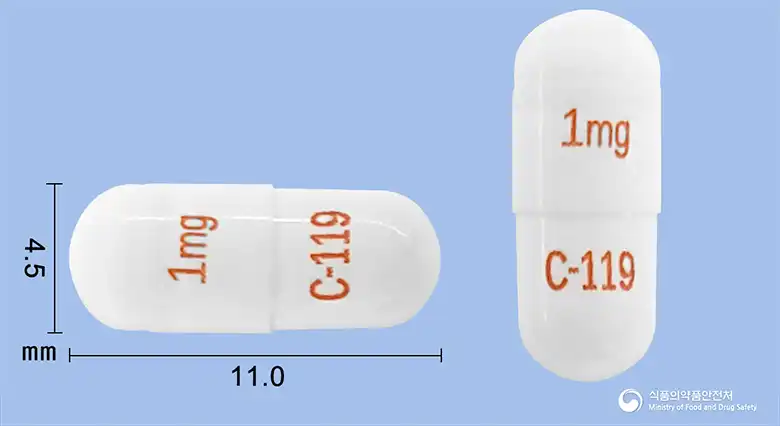
Tacrolimus Hydrate 1.02mg
Hard capsule · Prescription medication
Chongkundang Corporation
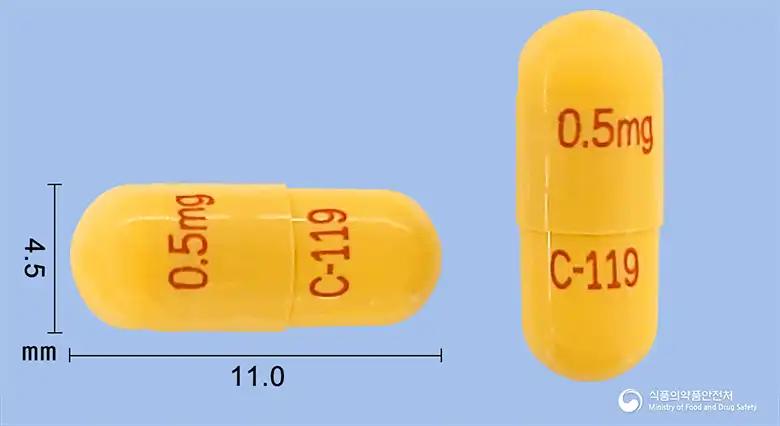 Combination
Tacrolimus Hydrate 0.51mg · Tacrolimus Hydrate 0.51mg
Hard capsule · Prescription medication · Combination
Chongkundang Corporation
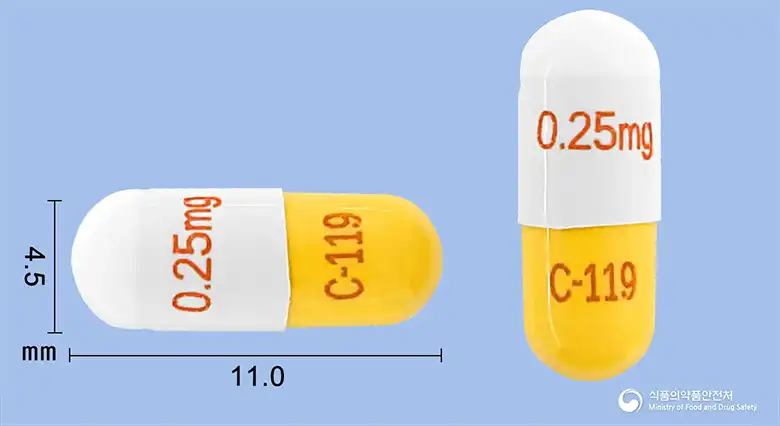
Tacrolimus Hydrate 0.255mg
Hard capsule · Prescription medication
Chongkundang Corporation
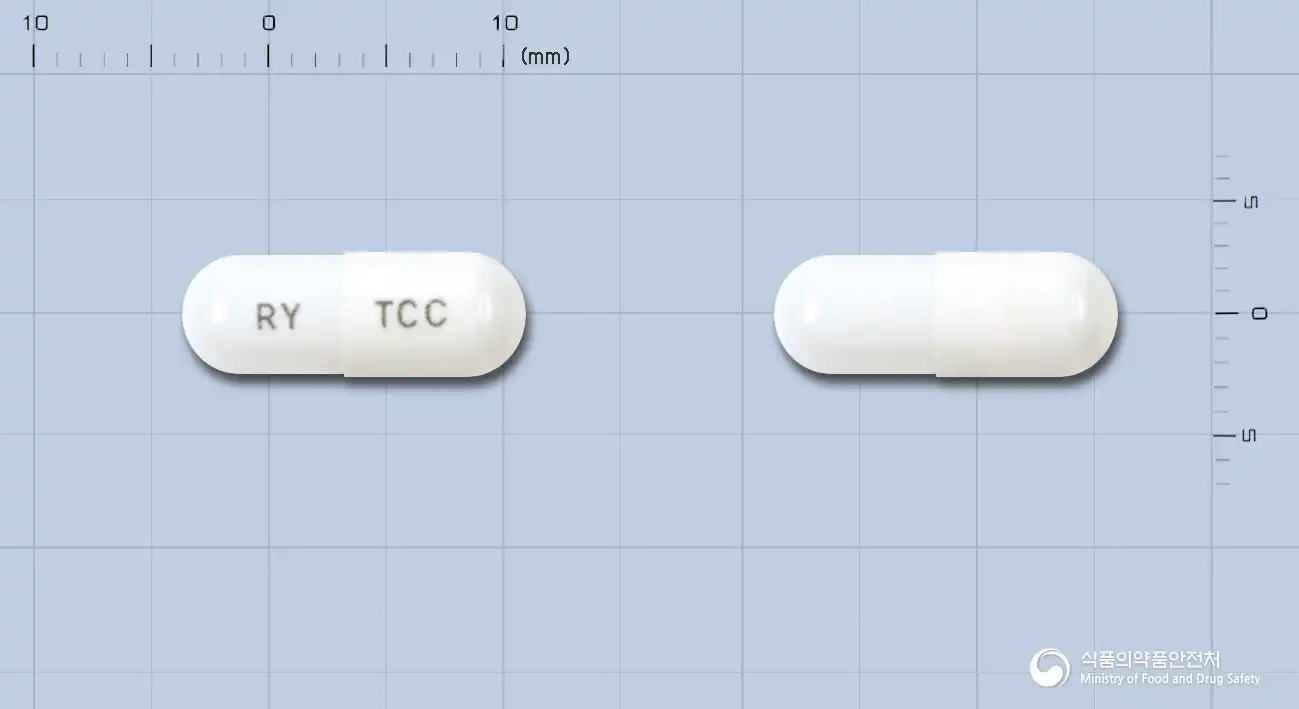
Tacrolimus Hydrate 1.02mg
Hard capsule · Prescription medication
Ilyun Pharmaceutical Co., Ltd.
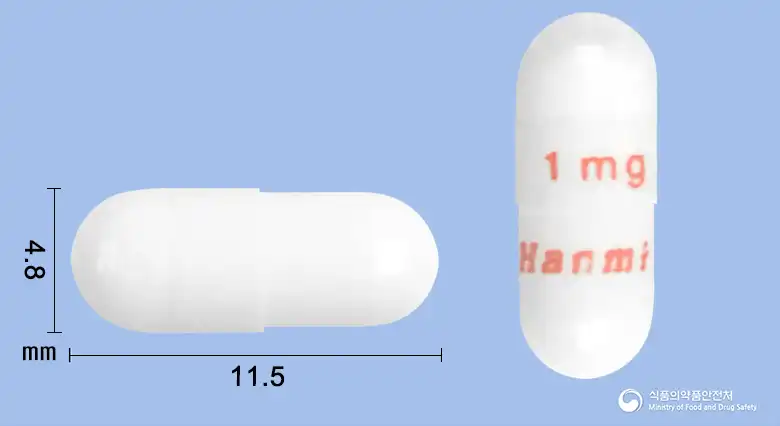
Tacrolimus Hydrate 1.02mg
Hard capsule · Prescription medication
Hanmi Pharmaceutical Co., Ltd.
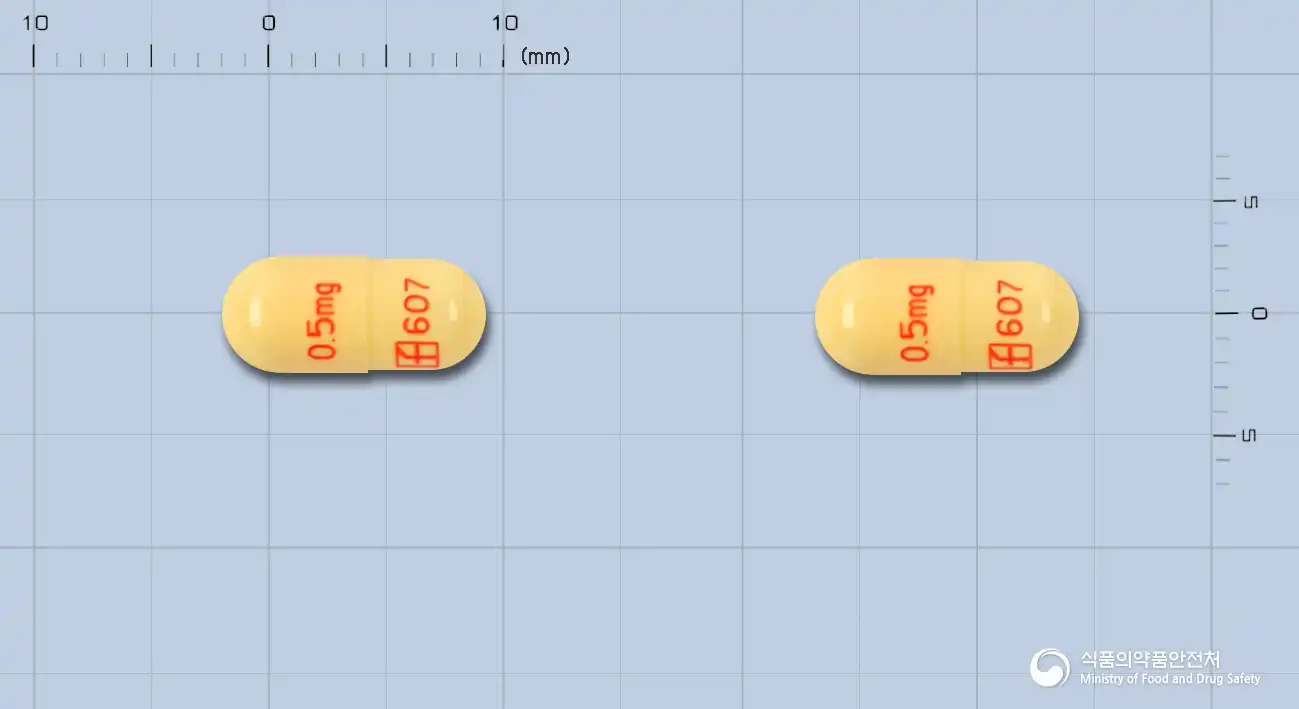
Tacrolimus Hydrate 0.51mg
Hard capsule · Prescription medication
Korea Astellas Pharma Co., Ltd.
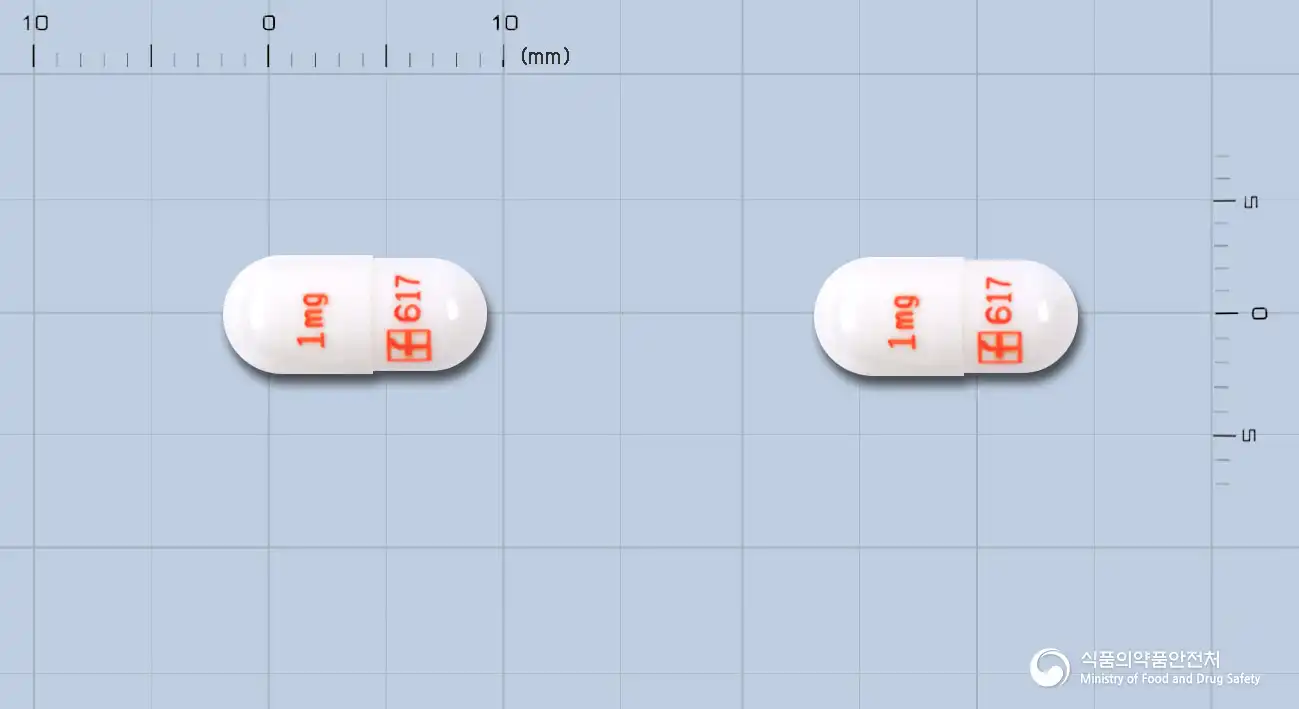
Tacrolimus Hydrate 1.02mg
Hard capsule · Prescription medication
Astellas Pharma Korea Co., Ltd.
Even with the same ingredient, the dose and directions can differ by strength and dosage form. Talk to a doctor or pharmacist before switching from a medication you are already taking.
No questions yet.
For anything that needs medical judgment, consult a doctor or pharmacist.
This drug information is based on data provided by the Korea Ministry of Food and Drug Safety.
Consult a doctor or pharmacist for accurate dosage, administration, and usage instructions.