
 한국어
한국어 English
 日本語
日本語 中文(简体)
 Viewing nowCombination
Vytorin 10/40
Simvastatin 40mg · Ezetimibe 10mg
Tablet · Prescription medication · Combination
Korea Organon Co., Ltd.
MFDS item code 200511264 · Approved 2005.01.31 · Insurance code 073100230
Improvement of cholesterol and lipids in hypercholesterolemia (primary, homozygous familial) and mixed hyperlipidemia.
This medication is used as an adjunct to diet for reducing elevated total cholesterol, LDL cholesterol, Apo B, and triglycerides, and for increasing HDL cholesterol in patients with primary hypercholesterolemia (familial and non-familial) and mixed hyperlipidemia. Additionally, it may be administered as an adjunct or alternative therapy in patients with homozygous familial hypercholesterolemia. This medication is to be used in conjunction with a diet that is limited in saturated fat and cholesterol, and should be administered when there is insufficient response to non-drug therapies. Before treatment, it is essential to identify and address secondary causes of dyslipidemia such as diabetes and hypothyroidism. Regular assessments of lipid levels should be conducted to confirm therapeutic efficacy, and this medication may also be considered for patients with acute coronary events. This medication helps to reduce the risks associated with hypercholesterolemia and improve serum lipid levels.
This medication is to be taken once daily in the evening without regard to meals. For patients with primary hypercholesterolemia, the dosage range is 10/10mg to 10/40mg daily, with the generally recommended initial dose being 10/20mg daily. Patients with homozygous familial hypercholesterolemia should take 10/40mg once daily in the evening. In patients with accompanying chronic kidney disease and an estimated glomerular filtration rate < 60mL/min.
This medication may cause muscle disorders, including myopathy or serious muscle damage, such as rhabdomyolysis. Such muscle issues may occur more frequently with higher doses of simvastatin, which is one of the components of this drug, so caution is required. Particularly, patients taking 80 mg are at a higher risk for muscle-related adverse effects and should consider dose adjustments or alternative therapies if there are drug interactions. This medication should not be used in patients with allergies to its components, patients with severe liver dysfunction, or women who are pregnant or breastfeeding. Patients with impaired liver function should undergo liver function tests before and during treatment. As this medication is metabolized in the liver, it may impose a burden on the liver, potentially elevating liver enzyme levels. Patients with a history of liver disease or liver dysfunction should exercise extra caution while taking this medication. This medication may interact with many other drugs, and the risk of muscle damage may increase when taken with specific antifungals, antibiotics, antivirals, immunosuppressants, certain cardiac medications, niacin, and some other drugs. Therefore, when starting a new medication, patients must inform their physician or pharmacist that they are taking this drug. While taking this medication, if unexplained muscle pain, weakness, or tenderness occurs, immediate medical consultation is required, and treatment should be discontinued if necessary. Women planning to become pregnant or who may become pregnant should not take this medication, and if pregnancy occurs during treatment, it should be discontinued immediately. Additionally, effective contraceptive measures should be employed during treatment. There is insufficient safety data for children and adolescents, so it is not recommended for children under 10 years of age or prepubescent girls. Generally considered safe for older adults, although some older patients may be more sensitive to the drug, necessitating careful monitoring. This medication may slightly elevate blood sugar levels, so patients at high risk for diabetes are advised to regularly monitor their blood glucose levels. In case of overdose, there is no specific antidote, and symptomatic treatment will be provided based on symptoms. Regular blood tests to monitor liver function and muscle enzyme levels during treatment are important for safe therapy.
Hives, severe swelling (edema), chest tightness, difficulty breathing, clammy skin, paleness, severe rash with high fever, blisters, skin peeling, pain in oral/eye mucous membranes, shortness of breath or difficulty breathing, asthma attacks, respiratory abnormalities accompanied by cough and fever, jaundice (yellow discoloration of skin or eyes), profound lethargy, sudden and severe headaches, thunderclap headache, seizures, confusion, visual disturbances, paralysis, urinary issues.
Not everyone experiences these, and they can vary from person to person.
This medication is sensitive to air and moisture, so it must be stored in a tightly closed container. It is advisable to maintain storage temperatures between 1 degree and 30 degrees Celsius at room temperature. This helps to ensure that the efficacy of the drug is preserved and its quality remains intact.
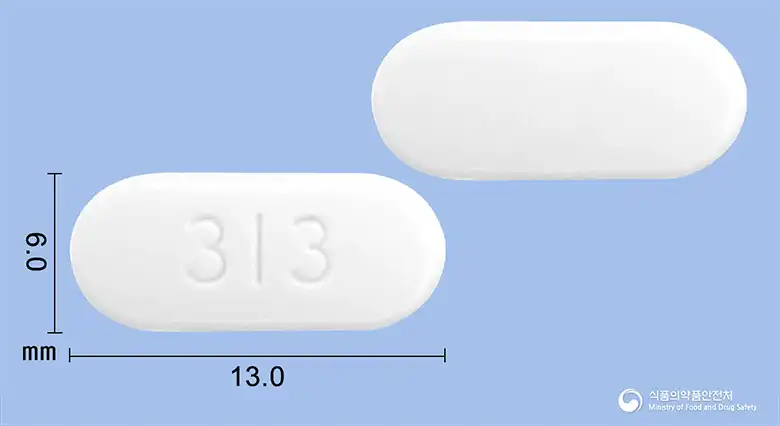
A capsule-shaped tablet, white to off-white, with '313' engraved on one side.
30 tablets (10 tablets/PTP x 3)
Even with the same ingredient, strength, dosage form and how it is taken can differ.
Viewing nowCombinationSimvastatin 40mg · Ezetimibe 10mg
Tablet · Prescription medication · Combination
Korea Organon Co., Ltd.
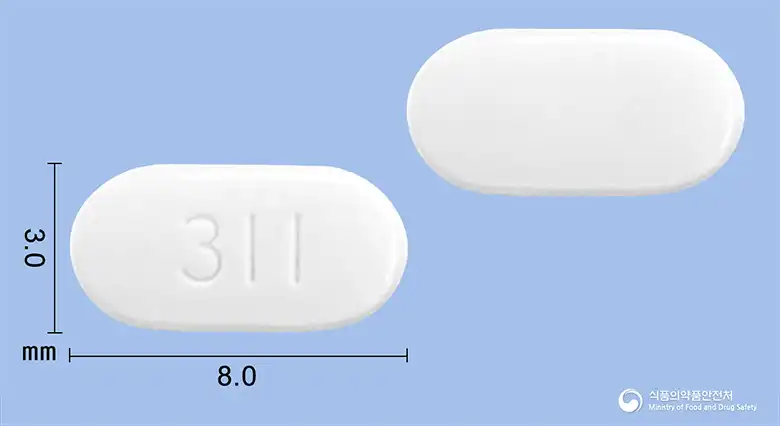 Combination
Simvastatin 10mg · Ezetimibe 10mg
Tablet · Prescription medication · Combination
Korea Organon Co., Ltd.
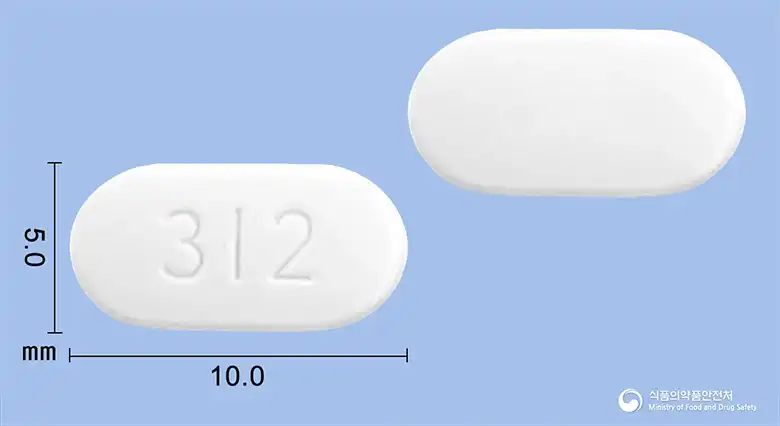 Combination
Simvastatin 20mg · Ezetimibe 10mg
Tablet · Prescription medication · Combination
Korea Organon Co., Ltd.
Ezetimibe 10mg · Simvastatin 10mg
Tablet · Prescription medication · Combination
Boryung Pharmaceutical Co., Ltd.
Ezetimibe 10mg · Simvastatin 20mg
Tablet · Prescription medication · Combination
Boryung Pharmaceutical Co., Ltd.
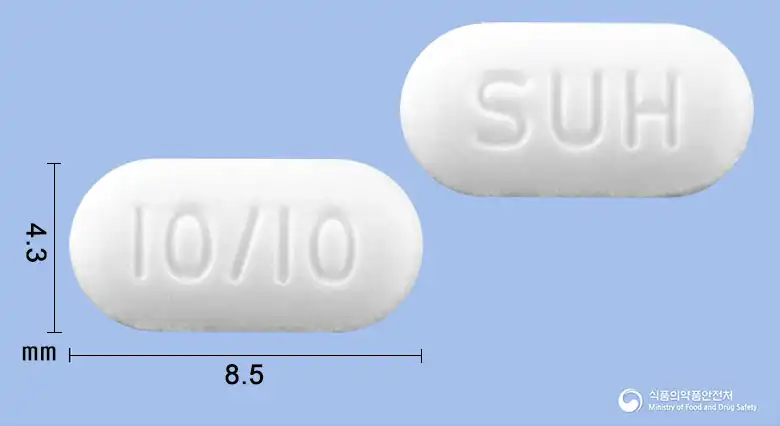 Combination
Ezetimibe 10mg · Simvastatin 10mg
Tablet · Prescription medication · Combination
Suhung Co., Ltd.
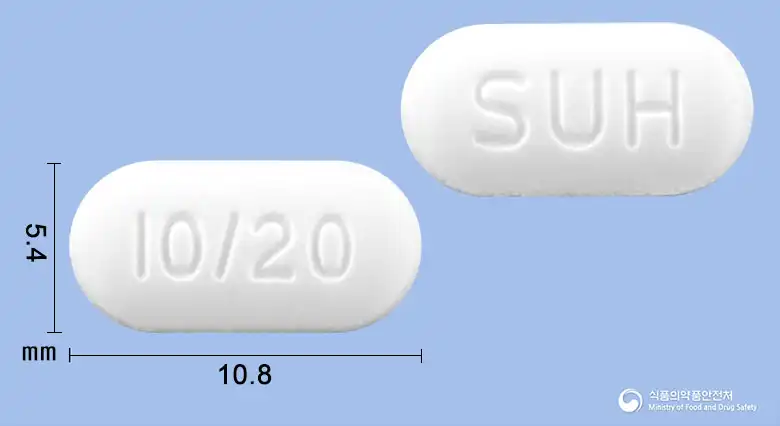 Combination
Ezetimibe 10mg · Simvastatin 20mg
Tablet · Prescription medication · Combination
Seohung Co., Ltd.
Ezetimibe 10mg · Simvastatin 10mg
Tablet · Prescription medication · Combination
Donggu Bio Pharmaceutical Co., Ltd.
Even with the same ingredient, the dose and directions can differ by strength and dosage form. Talk to a doctor or pharmacist before switching from a medication you are already taking.
No questions yet.
For anything that needs medical judgment, consult a doctor or pharmacist.
This drug information is based on data provided by the Korea Ministry of Food and Drug Safety.
Consult a doctor or pharmacist for accurate dosage, administration, and usage instructions.