
 한국어
 English
 日本語
 中文(简体)
 Viewing now
Famciclovir Tablets (Famciclovir)
Famciclovir 250mg
Tablet · Prescription medication
Genewon Science Co., Ltd.
MFDS item code 200503622 · Notified 2005.08.10 · Insurance code 671701660
Treatment of herpes zoster and genital herpes; suppression of recurrent episodes
This medication is used for the treatment of herpes zoster virus infections and genital herpes infections. It is also effective in suppressing the recurrence of recurrent genital herpes. It helps alleviate symptoms caused by these infections and supports recovery. It is used to improve discomfort caused by viral infections.
1. Treatment of herpes zoster Adults: Administer famciclovir 250 mg per dose orally 3 times daily for 7 days. It is preferable to start treatment as soon as symptoms appear after infection. 2. Treatment of an initial episode of genital herpes Adults: Administer 250 mg of this drug per dose orally 3 times daily for 5 days. It is preferable to start treatment as soon as symptoms appear after infection. 3. Treatment of an acute recurrent episode of genital herpes Adults: Administer 125 mg of this drug per dose orally twice daily for 5 days. It is preferable to start treatment during the prodromal period or as soon as symptoms appear after infection. 4. Suppression of recurrent genital herpes Adults: Administer 250 mg of this drug per dose orally twice daily. Temporarily discontinue treatment periodically every 6~12 months to monitor for changes in the natural course of the disease. 5. Patients with renal impairment: Since creatinine clearance of this drug is decreased in patients with renal impairment, dose adjustment should be made with care. The dosage regimen for these patients is as follows. 1) Treatment of herpes zoster and an initial episode of genital herpes: Creatinine clearance (mL/min/1.73㎡) 30~59 250 mg per dose twice daily 10~29 250 mg per dose once daily 2) Treatment of an acute recurrent episode of genital herpes: Creatinine clearance (mL/min/1.73㎡) 30~59 125 mg per dose twice daily 10~29 125 mg per dose once daily 3) Suppression of recurrent genital herpes: Creatinine clearance (mL/min/1.73㎡) 30~59 250 mg per dose twice daily 10~29 125 mg per dose twice daily 4) If only serum creatinine is known, creatinine clearance can be calculated using the following formula. Men: {body weight (kg) × (140-age)}/ {72 × serum creatinine (mg/dL)} Women: 0.85 × the value calculated for men 5) Patients with renal impairment undergoing hemodialysis For patients undergoing hemodialysis, administration every 48 hours is preferable, taking the dialysis interval into account. A 4-hour hemodialysis session reduces the plasma concentration of this drug by approximately 75%; therefore, administer this drug immediately after dialysis. The recommended dose is 250mg for patients with herpes zoster and 125mg for patients with genital herpes. 6. Patients with hepatic impairment: No dose adjustment is necessary for patients with chronic compensated liver disease. There is insufficient treatment experience in patients with overt chronic decompensated liver disease; therefore, a clear recommended dose has not been established.
This medication should not be administered in certain cases. Firstly, patients who have had hypersensitivity to this medication or its components should not use it. Additionally, this medication contains lactose, and should not be administered to patients with lactose intolerance or certain genetic metabolic disorders. Caution should be used in patients with reduced kidney function, and dosage adjustment may be necessary. During the use of this medication, side effects such as headache, dizziness, nausea, vomiting, abdominal pain, diarrhea, and skin rash may occur. Especially in the elderly, drowsiness or confusion may occur more frequently. Serious side effects such as liver dysfunction or, rarely, acute renal failure have also been reported, so liver and kidney function should be closely monitored. This medication does not completely cure genital herpes, so it is important to avoid sexual contact and maintain safe sex practices even when symptoms are present during treatment. If symptoms of central nervous system effects such as dizziness, drowsiness, or confusion occur, activities such as driving or operating machinery should be avoided. Patients with mild to moderate liver dysfunction do not require special dosage adjustments, but severe liver dysfunction patients may experience reduced efficacy. This medication has a low possibility of drug interactions; however, it is important to closely monitor for changes in blood concentration or toxicity when taken with certain other medications. Pregnant or breastfeeding women should carefully consider the necessity and risk of treatment since the safety of this medication has not been fully established. It is advisable not to administer this medication to children under 18 years of age since safety and efficacy have not been confirmed. In the elderly, dosage adjustments may be necessary if kidney function is impaired. In case of overdose, immediate consultation with medical personnel is required as appropriate treatment and hemodialysis may be necessary. Store this medication in a dry place, at a temperature not exceeding 30 degrees Celsius, and in a safe location out of reach of children. Additionally, transferring the medication to another container is not recommended as it may compromise quality.
Not everyone experiences these, and they can vary from person to person.
This medication is sensitive to air and moisture, so it should be stored in a tightly closed container. It should also be kept in a cool, dry place below 30 degrees Celsius to maintain its efficacy.
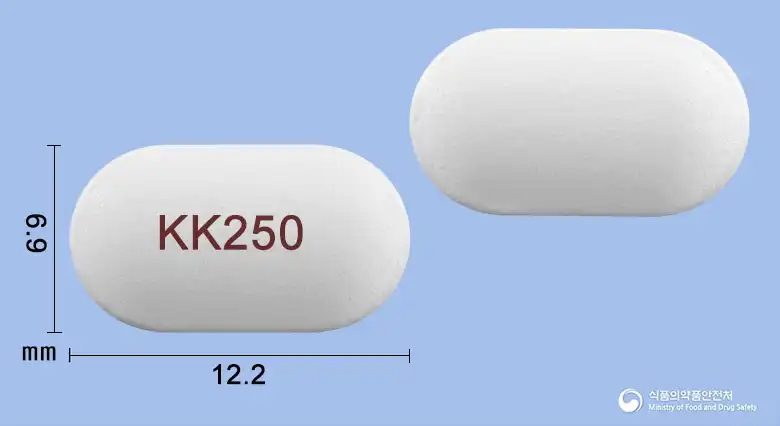
White oval film-coated tablet
21 tablets/bottle
Even with the same ingredient, strength, dosage form and how it is taken can differ.
Viewing nowFamciclovir 250mg
Tablet · Prescription medication
Genewon Science Co., Ltd.
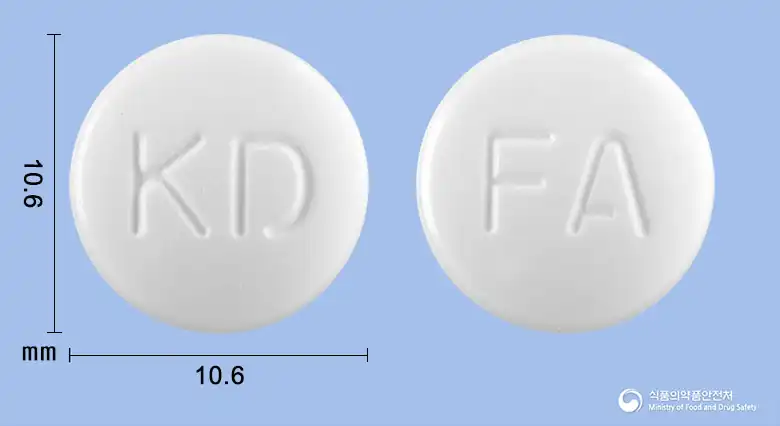
Famciclovir 250mg
Tablet · Prescription medication
Kyungdong Pharm Co., Ltd.
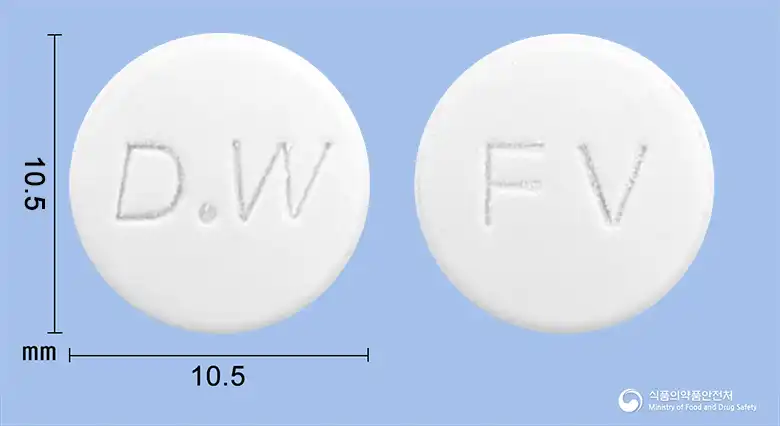
Famciclovir 250mg
Tablet · Prescription medication
Daewoong Pharmaceutical Co., Ltd.
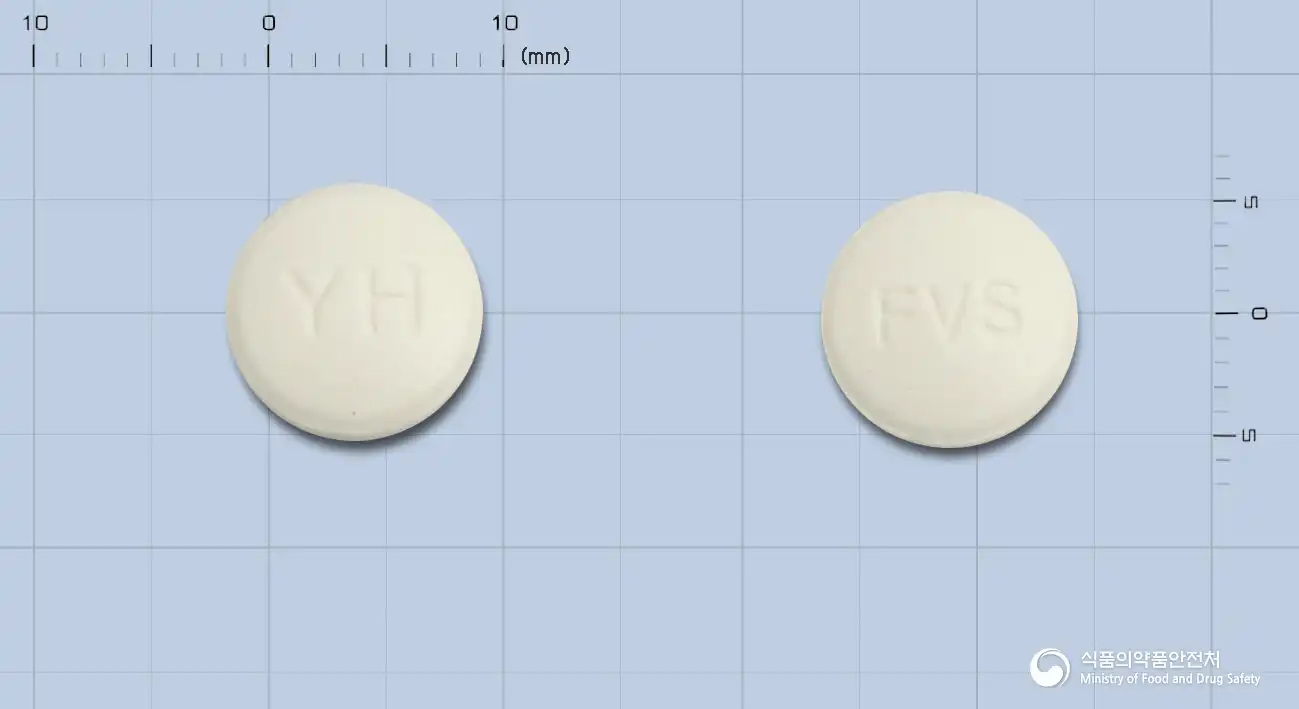
Famciclovir 250mg
Tablet · Prescription medication
Yuhan Corporation
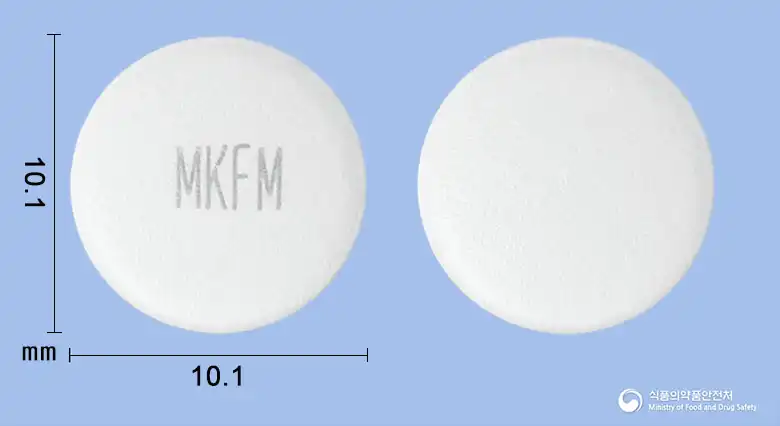
Famciclovir 250mg
Tablet · Prescription medication
Medica Korea Co., Ltd.
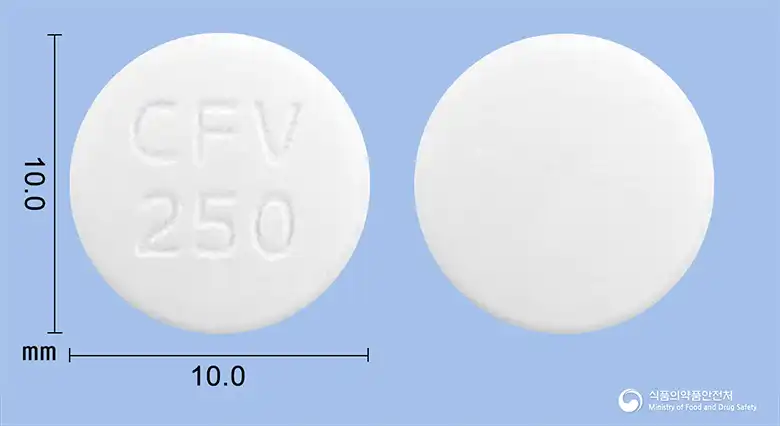
Famciclovir 250mg
Tablet · Prescription medication
Jongkundang Co., Ltd.
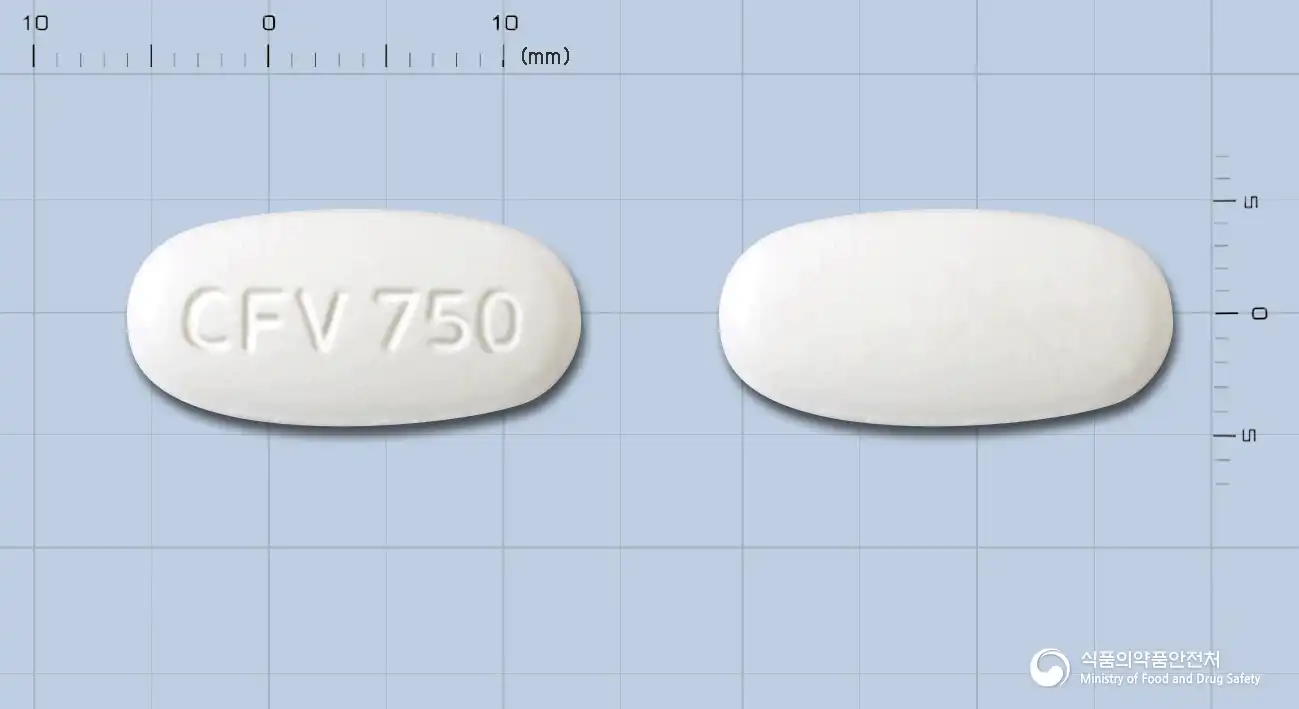
Famciclovir 750mg
Tablet · Prescription medication
Jong Kun Dang Co., Ltd.
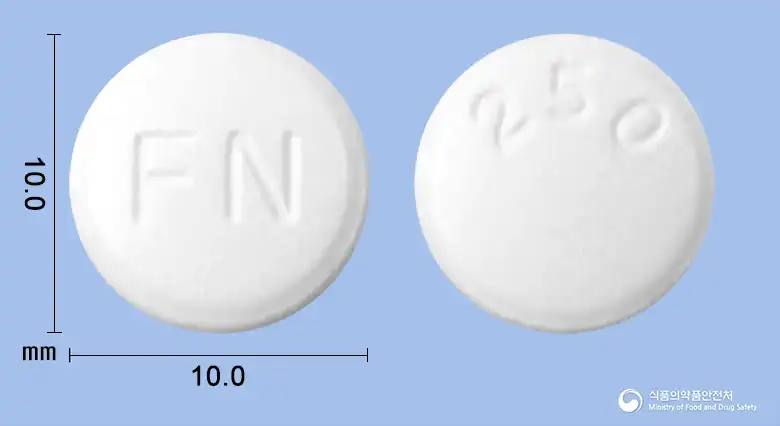
Famciclovir 250mg
Tablet · Prescription medication
Dongkwang Pharmaceutical Co., Ltd.
Even with the same ingredient, the dose and directions can differ by strength and dosage form. Talk to a doctor or pharmacist before switching from a medication you are already taking.
No questions yet.
For anything that needs medical judgment, consult a doctor or pharmacist.
This drug information is based on data provided by the Korea Ministry of Food and Drug Safety.
Consult a doctor or pharmacist for accurate dosage, administration, and usage instructions.