
 한국어
 English
 日本語
 中文(简体)
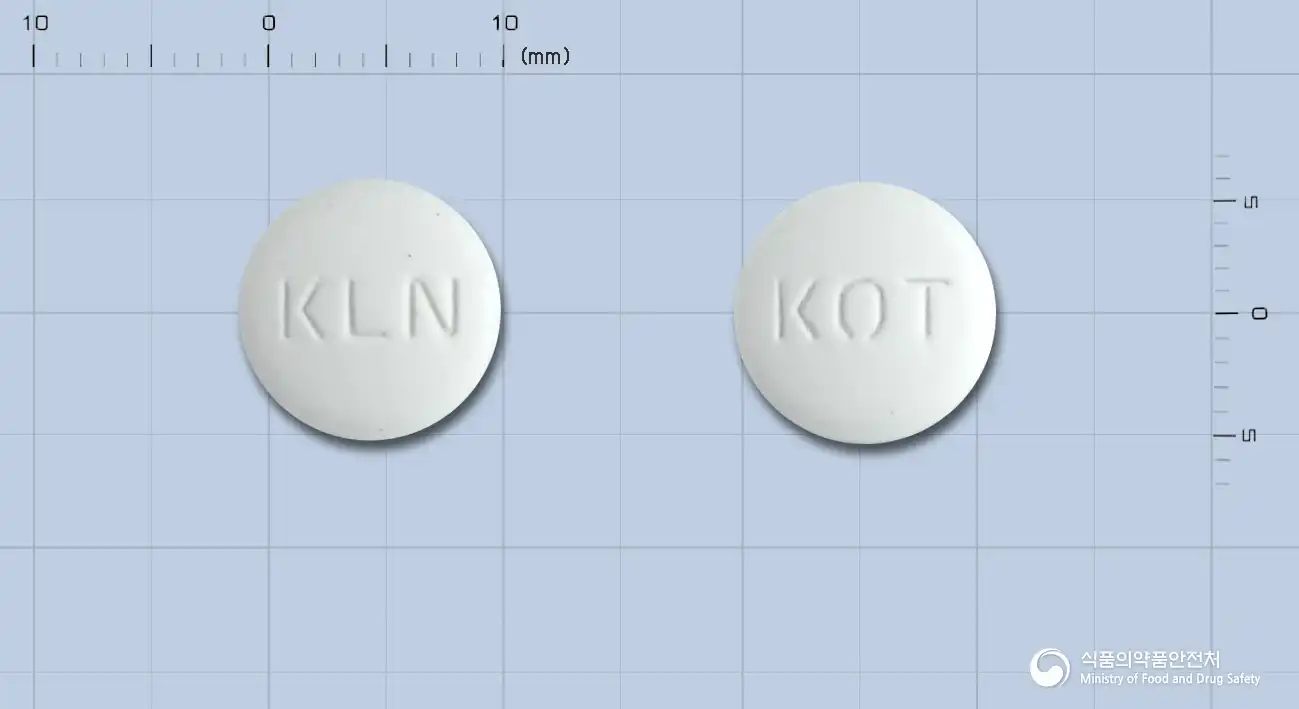 Viewing now
Conitra 100 mg (Itraconazole Solid Dispersion)
Itraconazole Solid Dispersions 253mg
Tablet · Prescription medication
Kolon Pharmaceutical Co., Ltd.
MFDS item code 200502901 · Notified 2005.05.19 · Insurance code 670303210
Treatment of fungal infections of the skin and nails, mucosal (vaginal and oral) and corneal fungal infections, and systemic fungal infections
This medication is used to treat various fungal infections. It is effective against candidal vaginitis, tinea versicolor, various tinea caused by dermatophytes, oral candidiasis, fungal keratitis, and onychomycosis. Additionally, it is utilized in the treatment of systemic fungal infections such as aspergillosis, candidiasis, cryptococcosis, and paracoccidioidomycosis. It is particularly used for treating oral and esophageal candidiasis in immunocompromised patients, such as those with HIV or hematologic malignancies, and for the prevention of deep-seated fungal infections. This drug helps in improving various types and sites of fungal infections.
(Tablets)(Capsules) It is preferable to administer immediately after a meal. 1. Short-term treatment 1) Candidal vaginitis: Administer itraconazole 200 mg per dose twice daily (morning and evening) for 1 day, or 200 mg once daily for 3 days. 2) Pityriasis versicolor: Administer 200 mg once daily for 7 days. 3) Tinea corporis, tinea cruris (jock itch): Administer 100 mg once daily for 15 days. 4) Tinea manuum (interdigital type), tinea pedis (interdigital type): Administer 100 mg once daily for 15 days. 5) Tinea manuum (palms), tinea pedis (soles): Administer 100 mg once daily for 30 days or 200 mg per dose twice daily for 7 days. 6) Oral candidiasis: Administer 100 mg once daily for 15 days. 7) Fungal keratitis: Administer 200 mg once daily for 21 days. 2. Onychomycosis 1) Pulse therapy Administer 200 mg per dose twice daily for 1 week, followed by 3 weeks without treatment; this constitutes 1 cycle. Administer up to 2 cycles if only the fingernails are infected, and up to 3 cycles if the toenails are infected. 2) Continuous therapy Administer 200 mg once daily for 3 months. 3. Systemic fungal infections In immunocompromised patients, double the dose if necessary. Aspergillosis: 200mg once daily, 2~5 months. For invasive or disseminated disease, increase to 200mg per dose twice daily. Candidiasis: 100~200mg once daily, 3 weeks~7 months. Cryptococcal meningitis: 200mg twice daily, 2 months~1 year. Maintenance therapy: 200mg once daily. Paracoccidioidomycosis: 100mg once daily, 6 months. (Oral solution) Do not administer with food. Hold this medicine in the mouth for about 20 seconds so that it contacts the entire oral cavity, then swallow. After swallowing, do not rinse the mouth so the medicine remains in the mouth for as long as possible. 1. Oral and esophageal candidiasis Take 200 mg (20 mL) daily in 1~2 divided doses for 1 week. If there is no effect after 1 week, continue for 1 more week. 2. Oral and esophageal candidiasis resistant to fluconazole Take 200~400 mg (20~40 mL) daily in 1~2 divided doses for 2 weeks. If there is no effect after 2 weeks, continue for 2 more weeks. Even if symptoms do not improve, do not use 400 mg daily for more than 14 days. 3. Prevention of fungal infections Administer 5 mg per kg of body weight daily in 2 divided doses.
This drug can pose a life-threatening risk to patients with impaired cardiac function, particularly those with congestive heart failure, and should not be administered if not for treating an infection. If symptoms of heart failure occur during treatment, use should be discontinued immediately. It should not be administered to those with allergies to this drug or its components, to those with impaired cardiac function, or in combination with certain medications that may pose risks. Use should be avoided in pregnant or potentially pregnant women, nursing mothers, and patients with lactose intolerance. Special caution is required for patients with liver dysfunction, renal impairment, or weakened immune systems, and regular monitoring such as liver function tests is necessary. This drug interacts with various medications, so consultation with a healthcare professional is mandatory when taking other medications, particularly those affecting the heart, liver, or kidneys. Symptoms such as dizziness, visual disturbances, and hearing loss may occur during treatment, necessitating caution while driving or operating machinery. Use should be avoided during pregnancy due to potential effects on the fetus, and effective contraceptive methods should be used during treatment, with cessation of breastfeeding recommended. Caution is necessary when administering to children and the elderly, and in the event of overdose, immediate contact with a healthcare facility for appropriate treatment is advised. Lastly, this drug should be stored out of reach of children, in its original container, to maintain quality.
Not everyone experiences these, and they can vary from person to person.
This medication should be stored in a sealed container to prevent exposure to air or moisture. It is best kept at room temperature between 1°C and 30°C.
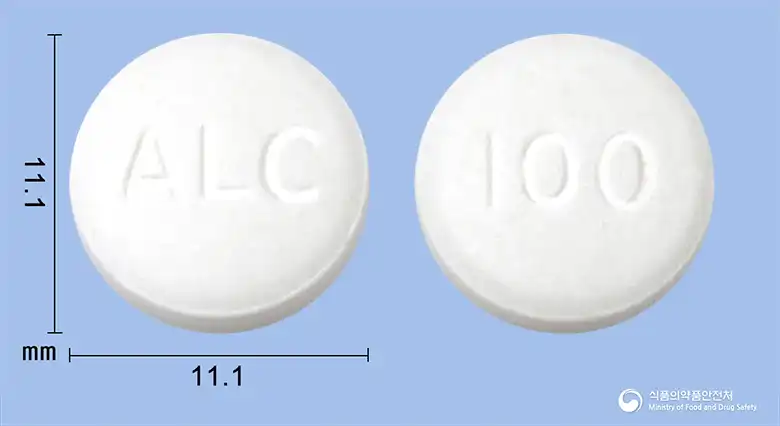
White or slightly yellow round film-coated tablets
28 tablets/bottle, 200 tablets/bottle
Even with the same ingredient, strength, dosage form and how it is taken can differ.
Viewing nowItraconazole Solid Dispersions 253mg
Tablet · Prescription medication
Kolon Pharmaceutical Co., Ltd.
Itraconazole Solid Dispersions
Prescription medication
JW Pharmaceutical Corporation
Itraconazole Solid Dispersions
Prescription medication
Daewoong Pharmaceutical Co., Ltd.
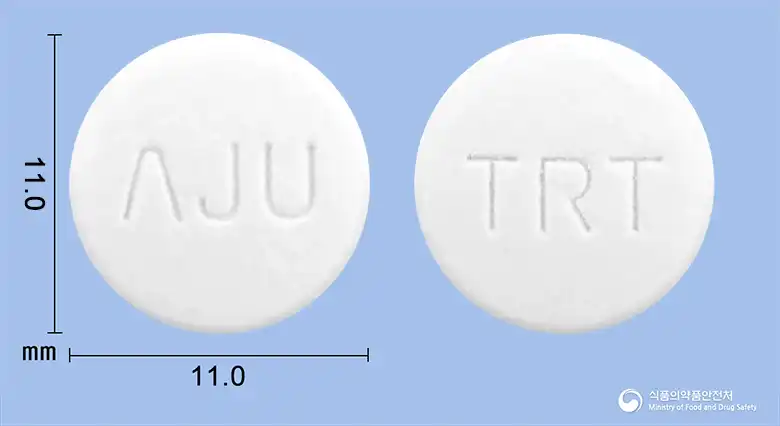
Itraconazole Solid Dispersions 253mg
Tablet · Prescription medication
Ajou Pharmaceutical Co., Ltd.

Itraconazole Solid Dispersions 253mg
Tablet · Prescription medication
IYON Pharmaceutical Co., Ltd.
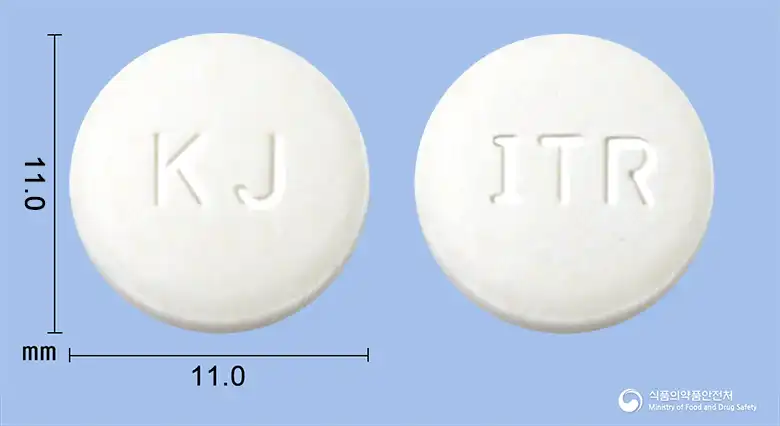
Itraconazole Solid Dispersions 253mg
Tablet · Prescription medication
International Pharmaceutical Co., Ltd.
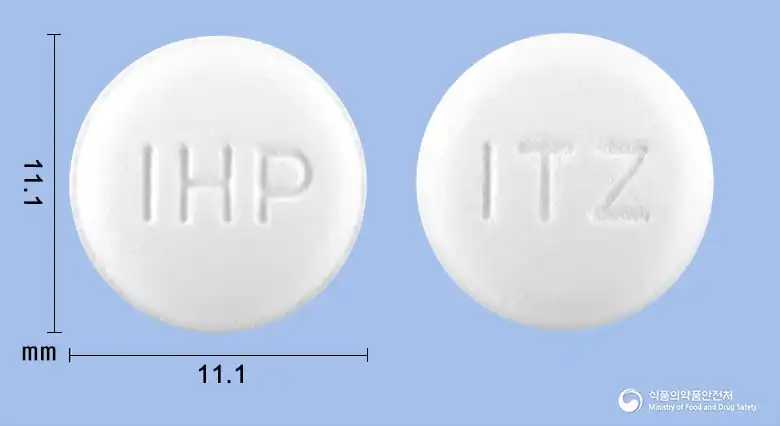
Itraconazole Solid Dispersions 253mg
Tablet · Prescription medication
Ilhwa Co., Ltd.
Itraconazole Solid Dispersions 253mg
Tablet · Prescription medication
Allico Pharmaceutical Co., Ltd.
Even with the same ingredient, the dose and directions can differ by strength and dosage form. Talk to a doctor or pharmacist before switching from a medication you are already taking.
No questions yet.
For anything that needs medical judgment, consult a doctor or pharmacist.
This drug information is based on data provided by the Korea Ministry of Food and Drug Safety.
Consult a doctor or pharmacist for accurate dosage, administration, and usage instructions.