
 한국어
한국어 English
 日本語
日本語 中文(简体)
 Viewing now
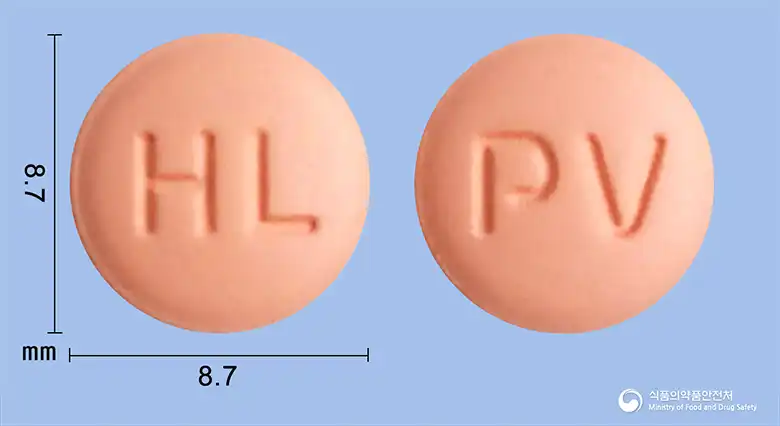
Pidobix Tablets (Clopidogrel Sulfate)
Clopidogrel Bisulfate 97.875mg
Tablet · Prescription medication
Hanlim Pharmaceutical Co., Ltd.
MFDS item code 200502869 · Notified 2005.06.28 · Insurance code 645302760
Treatment of ischemic stroke, myocardial infarction, and improvement of atherosclerotic symptoms, as well as reduction of the risk of stroke and thromboembolism.
This medication is used to improve atherosclerotic symptoms in adult patients suffering from ischemic stroke, myocardial infarction, and peripheral arterial disease. It also reduces the risks of cardiovascular events such as death due to cardiovascular abnormalities, myocardial infarction, and stroke in patients with acute coronary syndrome. In patients with atrial fibrillation who have one or more vascular risk factors and for whom vitamin K antagonists are not suitable, it helps reduce the risk of stroke and thromboembolism. This medication is effective for the prevention of cardiovascular disease and the improvement of symptoms.
1. For patients with ischemic stroke, myocardial infarction, or peripheral arterial disease, administer clopidogrel orally at a dose of 75 mg once a day. 2. For patients with acute coronary syndrome (unstable angina or non-Q wave myocardial infarction), start with a loading dose of 300 mg once daily on the first day of treatment, then maintain at 75 mg once daily. 3. For patients with atrial fibrillation, administer 75 mg once daily.
This medication helps prevent the aggregation of platelets in the blood, facilitating proper blood flow. It must be converted to its active form in the liver to be effective, and individuals with genetically reduced function of the liver enzyme CYP2C19 may experience reduced efficacy. In such cases, the risk of recurrence of heart or cerebrovascular diseases may increase, so it is advisable to consult a doctor about considering alternative treatment methods. Additionally, taking this medication with drugs that activate the CYP2C19 enzyme may increase the blood concentration of this medication, raising the risk of bleeding, so it is advisable not to take them together. Patients with a bleeding risk, those with bleeding tendencies, severe liver impairment, nursing mothers, individuals with lactose intolerance, and those with allergies to soybean oil, beans, or peanuts should not take this medication. Patients with bleeding lesions or abnormal blood coagulation, and those scheduled for upcoming surgery should use this medication cautiously. Before surgery, it may be necessary to discontinue the medication for several days. When taken with other antiplatelet agents, anticoagulants, non-steroidal anti-inflammatory drugs (NSAIDs), selective serotonin reuptake inhibitors (SSRIs), etc., the risk of bleeding may increase, hence caution is required. If symptoms of bleeding or adverse reactions occur during treatment with this medication, inform your doctor immediately and undergo necessary tests, including blood tests. Although the risks to the fetus during pregnancy have not been confirmed, there is a risk of bleeding at the time of delivery, so it is recommended to stop taking the medication before childbirth. In nursing, since this medication may be secreted into breast milk and could affect the baby, consult the doctor about whether to discontinue breastfeeding. The safety and efficacy in children have not been confirmed, and caution is needed in the elderly as they may experience side effects such as bleeding due to decreased bodily functions. Overdose may increase the risk of bleeding, and since there is no specific antidote, treatment such as platelet transfusion may be necessary in case of bleeding. This medication should be kept out of the reach of children and should not be transferred to another container.
Urticaria, severe swelling (edema), chest tightness, difficulty breathing, cold sweats, pallor, severe rash with fever, blisters, exfoliative dermatitis, oral/ocular mucosal pain, shortness of breath or difficulty breathing, asthma attacks, respiratory distress associated with cough and fever, jaundice (yellowing of skin or eyes), extreme lethargy, sudden and severe headache, thunderclap headache, seizures, confusion, visual disturbances, paralysis, urinary issues.
Not everyone experiences these, and they can vary from person to person.
Store this medication in a tightly sealed container to protect it from air and moisture. It is important to maintain a storage temperature between 1 to 30 degrees Celsius to preserve its efficacy and safety for an extended period.
Pink round film-coated tablet
30 tablets/bottle, 100 tablets/bottle
Even with the same ingredient, strength, dosage form and how it is taken can differ.
Viewing nowClopidogrel Bisulfate 97.875mg
Tablet · Prescription medication
Hanlim Pharmaceutical Co., Ltd.
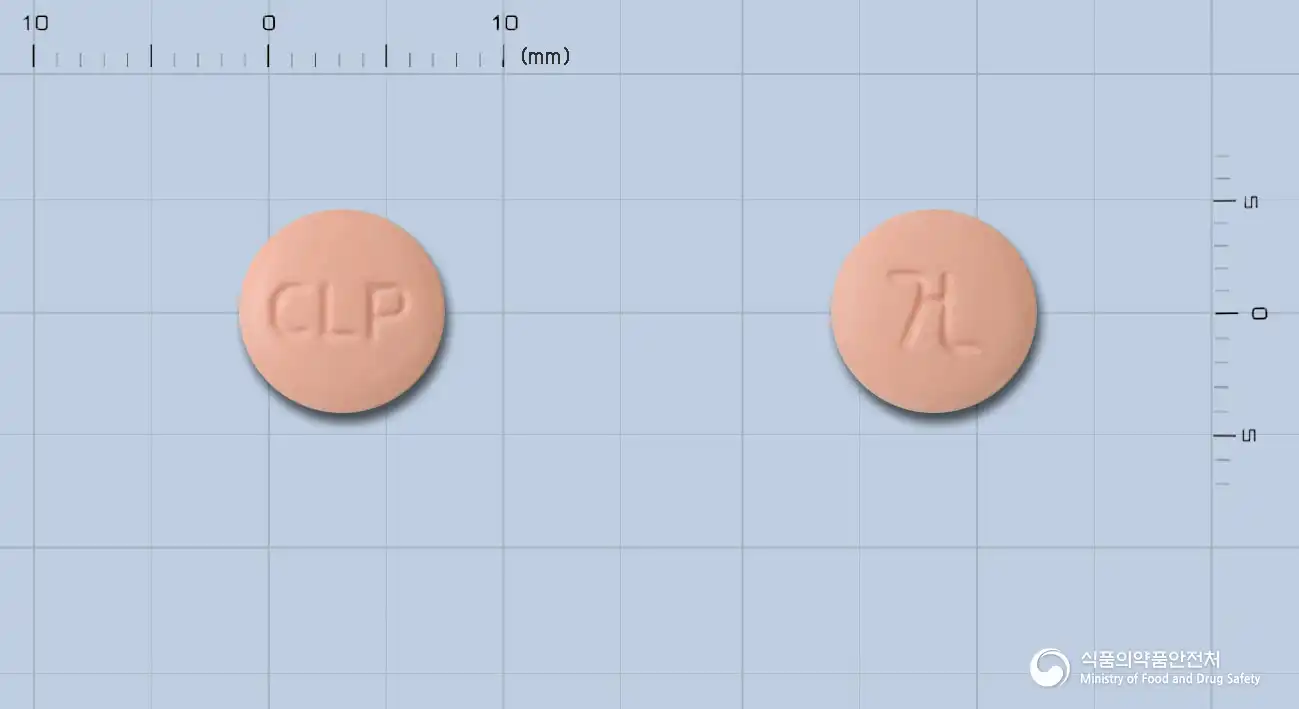
Clopidogrel Bisulfate 97.875mg
Tablet · Prescription medication
Geonil Pharmaceutical Co., Ltd.
Clopidogrel Bisulfate 97.875mg
Tablet · Prescription medication
Sama Pharmaceutical Co., Ltd.
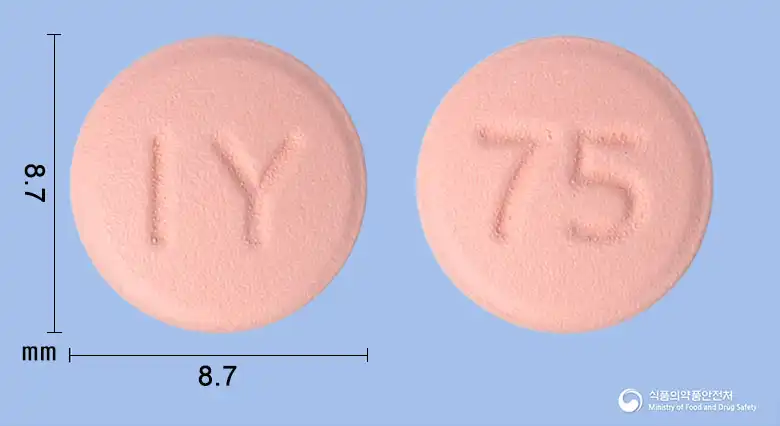
Clopidogrel Bisulfate 97.875mg
Tablet · Prescription medication
Il Yang Pharmaceutical Co., Ltd.
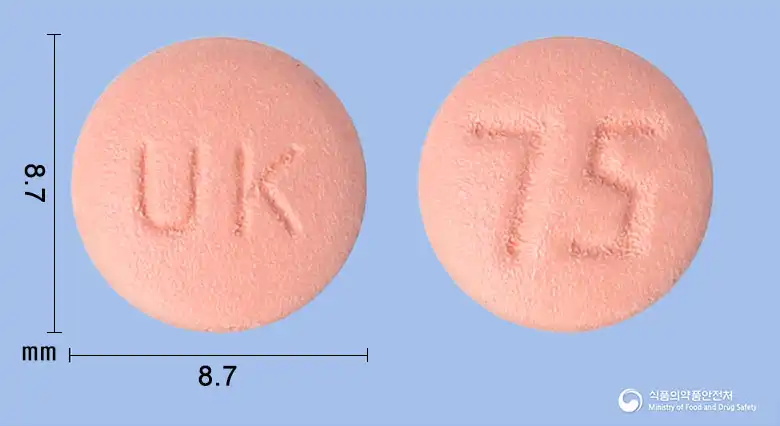
Clopidogrel Bisulfate 97.875mg
Tablet · Prescription medication
Korea Union Pharmaceutical Co., Ltd.

Clopidogrel Bisulfate 97.875mg
Tablet · Prescription medication
(Co., Ltd.) Korea Pharma
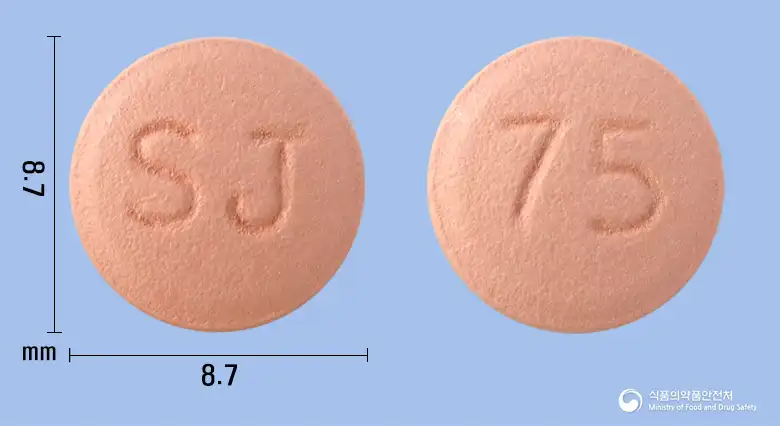
Clopidogrel Bisulfate 97.875mg
Tablet · Prescription medication
Samjin Pharmaceutical Co., Ltd.
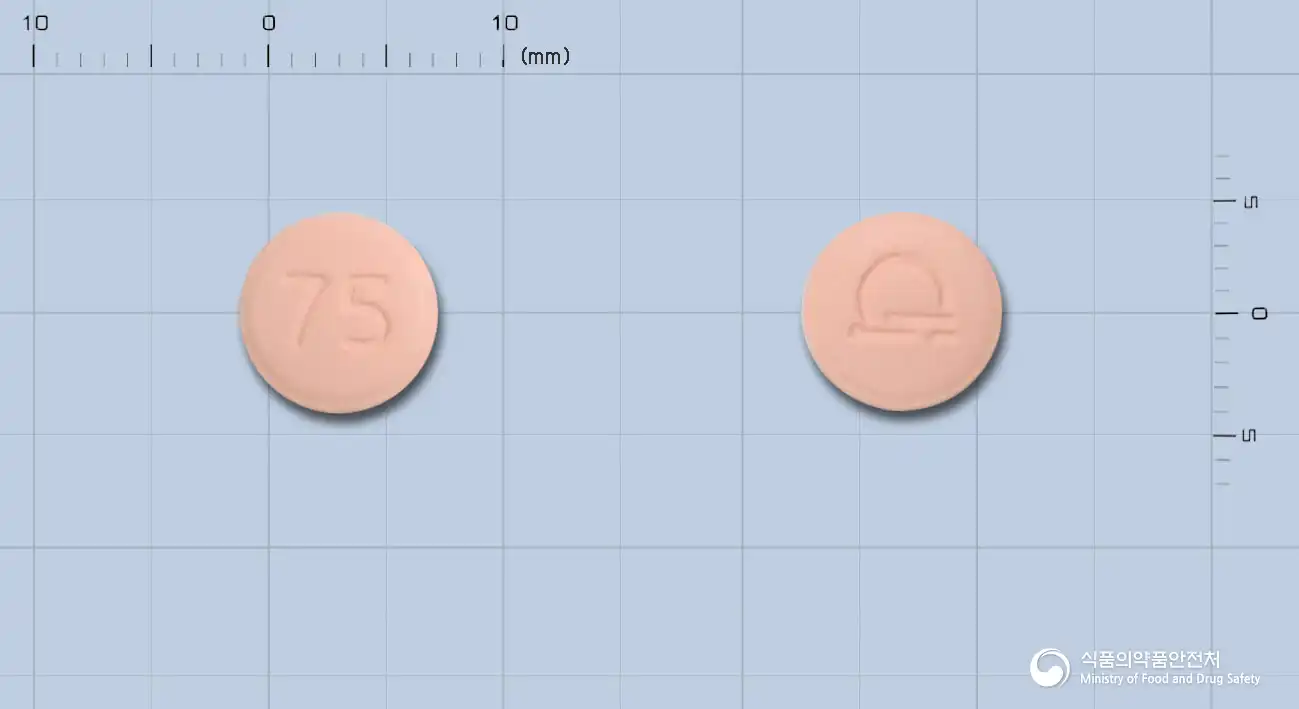
Clopidogrel Bisulfate 97.875mg
Tablet · Prescription medication
Daewon Pharmaceutical Co., Ltd.
Even with the same ingredient, the dose and directions can differ by strength and dosage form. Talk to a doctor or pharmacist before switching from a medication you are already taking.
No questions yet.
For anything that needs medical judgment, consult a doctor or pharmacist.
This drug information is based on data provided by the Korea Ministry of Food and Drug Safety.
Consult a doctor or pharmacist for accurate dosage, administration, and usage instructions.