
 한국어
 English
 日本語
 中文(简体)
 Viewing now
Uremin Tablet 0.2 mg (Desmopressin Acetate)
Desmopressin Acetate 0.2mg
Tablet · Prescription medication
Hyundai Pharmaceutical Co., Ltd.
MFDS item code 200502640 · Notified 2005.05.31 · Insurance code 642000940
Treatment of primary nocturnal enuresis (age 5 years and older) and nocturia associated with nocturnal polyuria (adults)
This medication is used to treat primary nocturnal enuresis occurring in children over 5 years old and nocturia symptoms related to nocturnal urination in adults. It helps those who urinate frequently or have difficulty controlling urination during the night. By improving these symptoms, it helps patients achieve restful sleep and enhances the quality of daily life.
Treatment of nocturia associated with nocturnal polyuria (adults only) Administer desmopressin acetate 0.1mg orally at bedtime. If the effect is insufficient after one week, increase the dose to 0.2mg. If the effect remains insufficient, the dose may be increased at one-week intervals up to 0.4mg. Discontinue treatment if there is no clinical effect within 4 weeks after dose titration. Treatment with this medicine is not recommended for patients aged 65 years or older. In older patients who require treatment, closely monitor serum sodium levels and other parameters. (See section 5. General Precautions under Precautions for Use.)
Primary nocturnal enuresis (5 years of age and older): Administer 0.2mg of desmopressin acetate orally at bedtime. If the effect is insufficient, the dose may be increased to 0.4mg. Whether to continue treatment should be determined after 3 months of administration, following a treatment-free period of at least 1 week.
This medication affects fluid regulation in the body, so especially older individuals or those with specific conditions should control their fluid intake. Excessive fluid intake can lead to hyponatremia due to sodium depletion, or water intoxication, which can risk coma. Those who have had allergic reactions to this drug or have certain kidney diseases or heart dysfunction should not use it. Additionally, this drug should only be used in nocturia patients with normal blood pressure, and those with severely impaired kidney function should also avoid administration. Patients with genetic lactose metabolism disorders should not take this medication. Individuals with hypertension, cardiovascular diseases, chronic kidney diseases, pregnant women, children, and the elderly should use this medication with caution, and special care is required in cases of fluid and electrolyte imbalances. Side effects such as headache, nausea, weight gain, and seizures may occur during treatment, so if any abnormal symptoms arise, consult a healthcare professional immediately. Fluid intake should be restricted from 1 hour before taking the medication to 8 hours after, and during kidney function tests, it is important to limit to a maximum of 0.5 liters. Particularly, in patients over 65 years old, the risk of developing hyponatremia is higher, so sodium levels should be regularly checked through blood tests. When taken in conjunction with other medications, the risk of side effects may increase due to interactions, so it is essential to inform about any other medications being taken. Pregnant or nursing women should be cautious with the use of this drug, and during breastfeeding, it is advisable to discontinue nursing due to the potential transfer of the drug into breast milk. In case of overdose, symptoms such as headache, nausea, seizures, and loss of consciousness may occur, so it is crucial to visit a medical institution for appropriate treatment immediately.
Not everyone experiences these, and they can vary from person to person.
Store this medication in a tightly sealed container to protect it from air and moisture. Additionally, it is best to keep the medication at room temperature between 1 to 30 degrees Celsius, avoiding very hot or very cold places.
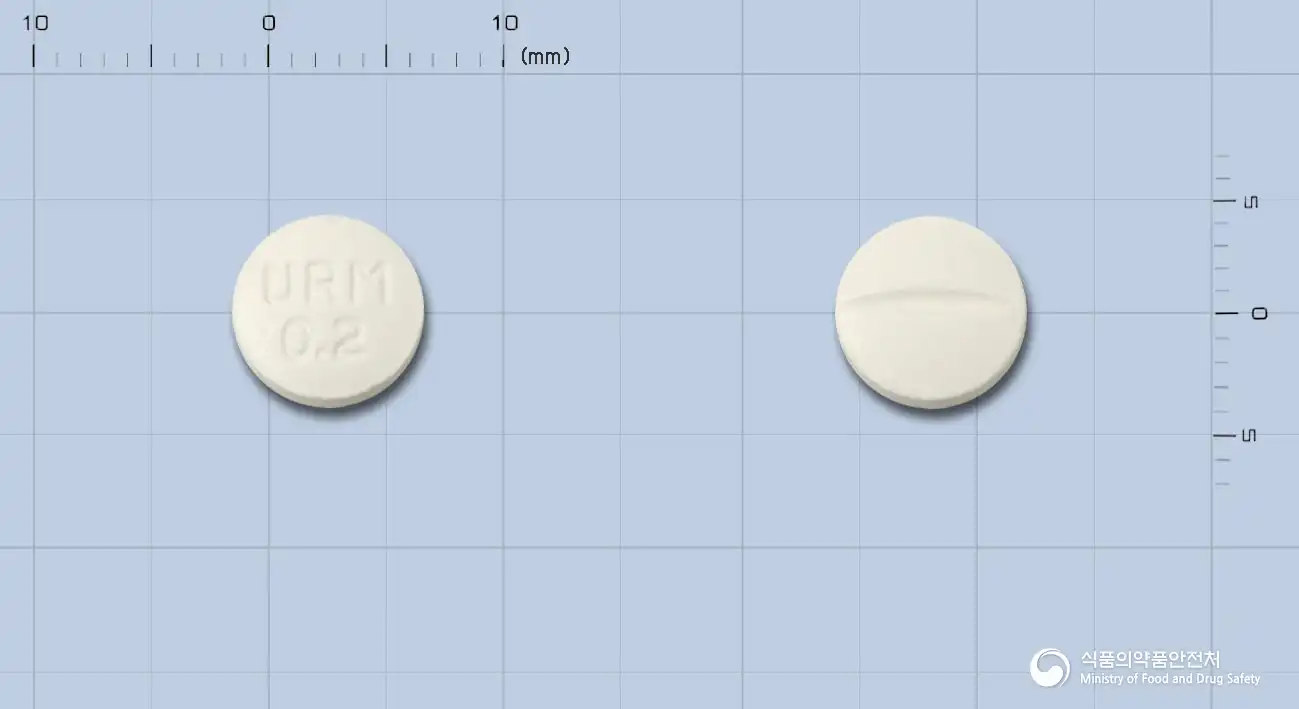
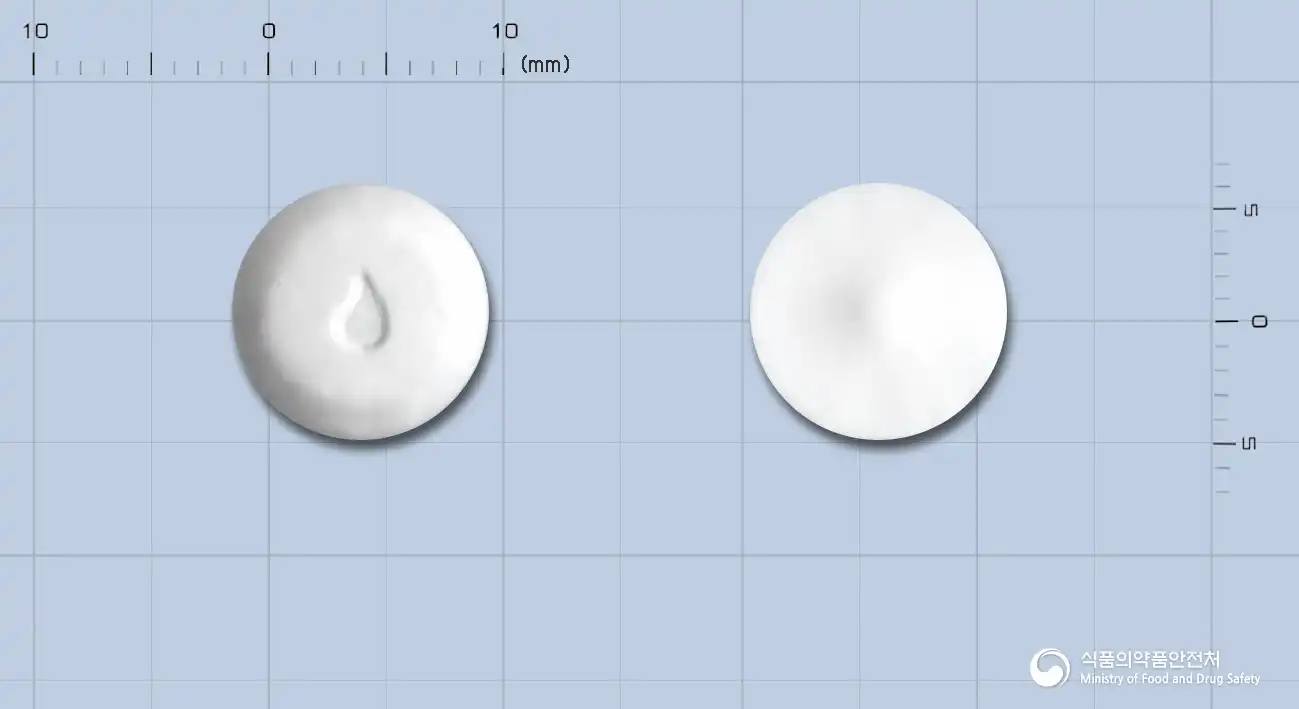
White round tablet
30 tablets/bottle
Even with the same ingredient, strength, dosage form and how it is taken can differ.
Viewing nowDesmopressin Acetate 0.2mg
Tablet · Prescription medication
Hyundai Pharmaceutical Co., Ltd.
Desmopressin Acetate 10mg
Prescription medication
Korea Ferring Pharmaceuticals Co., Ltd.
Desmopressin Acetate 4μg
Prescription medication
Korea Ferring Pharmaceutical Co., Ltd.
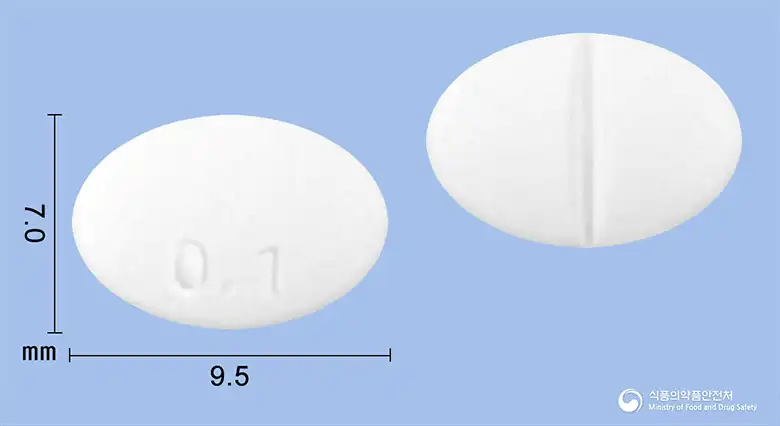
Desmopressin Acetate 0.1mg
Tablet · Prescription medication
Korea Ferring Pharmaceuticals Co., Ltd.
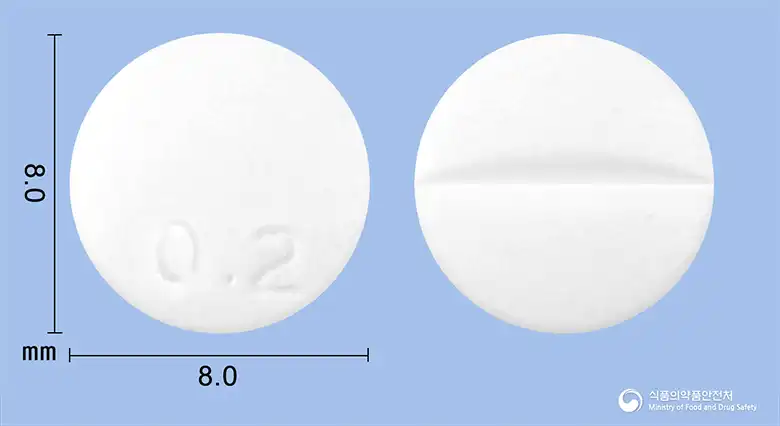
Desmopressin Acetate 0.2mg
Tablet · Prescription medication
Korea Ferring Pharmaceuticals Co., Ltd.
Desmopressin Acetate
Prescription medication
Korea Ferring Pharmaceuticals Co., Ltd.
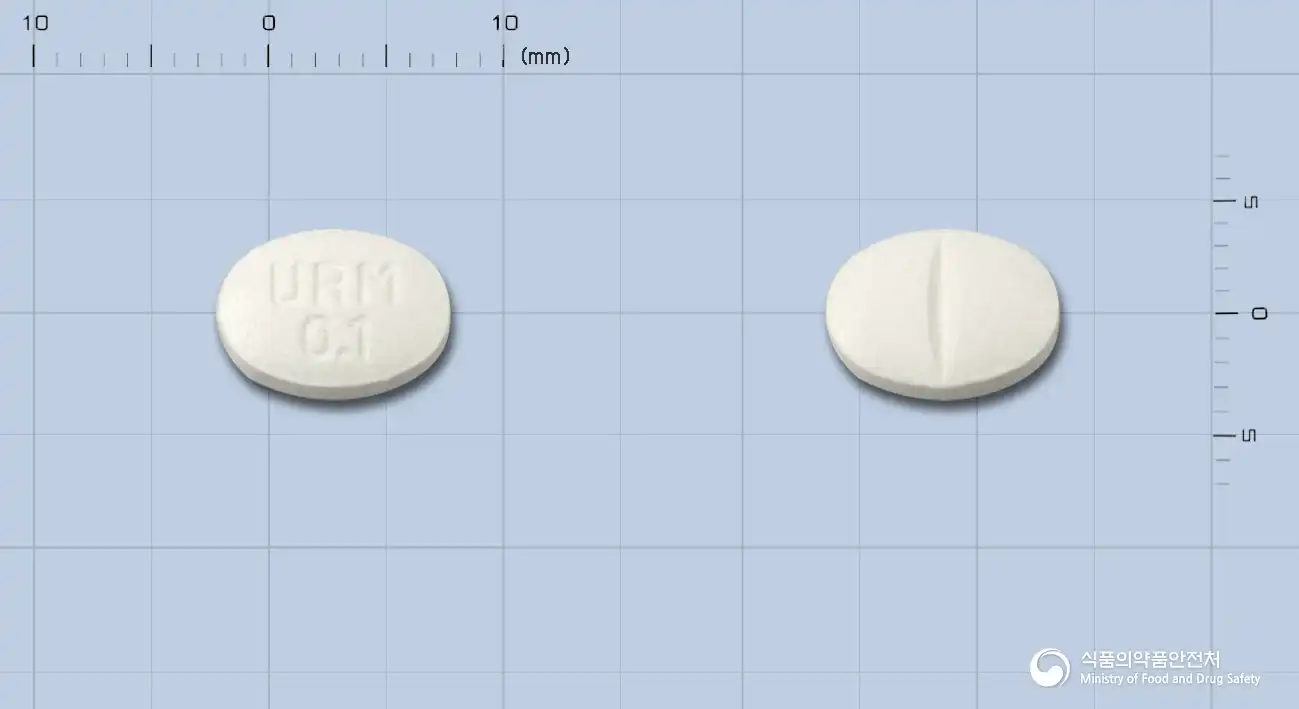
Desmopressin Acetate 0.1mg
Tablet · Prescription medication
Hyundai Pharmaceutical Co., Ltd.
Desmopressin Acetate 0.068mg
Sublingual Tablet · Prescription medication
Korea Ferring Pharmaceuticals Co., Ltd.
Even with the same ingredient, the dose and directions can differ by strength and dosage form. Talk to a doctor or pharmacist before switching from a medication you are already taking.
No questions yet.
For anything that needs medical judgment, consult a doctor or pharmacist.
This drug information is based on data provided by the Korea Ministry of Food and Drug Safety.
Consult a doctor or pharmacist for accurate dosage, administration, and usage instructions.