
 한국어
 English
 日本語
 中文(简体)
Dosage form image
Viewing nowItraconazole Tablets (Itraconazole Solid Dispersion)
Itraconazole Solid Dispersions
Prescription medication
Il Yang Biopharm Co., Ltd.
MFDS item code 200502306 · Notified 2005.05.19
This product's status changed to Expired on 2023.04.01. It may no longer be sold, so consult a doctor or pharmacist before taking it.
Treatment of fungal infections of the skin and nails, mucosal and corneal fungal infections, and systemic fungal infections
This medication is used to treat candidal vaginitis and mucocutaneous infections such as tinea versicolor. It is also effective for dermatophyte skin diseases such as tinea corporis, tinea capitis, tinea manuum, and tinea pedis. It can be used for oral candidiasis and fungal keratitis, and is suitable for the treatment of onychomycosis. Additionally, it helps in the treatment of systemic fungal infections such as aspergillosis, candidiasis, cryptococcosis (including cryptococcal meningitis), and paracoccidioidomycosis. It is used to improve various fungal infections.
This product continues to exert a therapeutic effect in skin tissue even after discontinuation. Therefore, it is preferable to assess the final clinical and mycological therapeutic effects 2~4 weeks after completing the prescribed treatment. 1. Short-term treatment 1) Candidal vaginitis: Administer itraconazole 200 mg per dose, 2 times daily (morning and evening) for 1 day, or 200 mg once daily for 3 days. 2) Pityriasis versicolor: Administer 200 mg once daily for 7 days. 3) Tinea corporis, tinea cruris: Administer 100 mg once daily for 15 days. 4) Tinea manuum (interdigital), tinea pedis (interdigital): Administer 100 mg once daily for 15 days. 5) Tinea manuum (palmar), tinea pedis (plantar): Administer 100 mg once daily for 30 days or 200 mg per dose, 2 times daily for 7 days. 6) Oral candidiasis: Administer 100 mg once daily for 15 days. 7) Fungal keratitis: Administer 200 mg once daily for 21 days. 2. Onychomycosis 1) Pulse therapy Administer 200 mg per dose, 2 times daily for 1 week, followed by a 3-week treatment-free interval; this constitutes 1 cycle. Administer up to 2 cycles if only the fingernails are infected, and up to 3 cycles if the toenails are infected. Site of onychomycosis Week 1 / Week 2 / Week 3 / Week 4 / Week 5 / Week 6 / Week 7 / Week 8 / Week 9 Toenails (with or without fingernail infection): Treatment / No treatment / Treatment / No treatment / Treatment Fingernails: Treatment / No treatment / Treatment Or 2) Continuous therapy Administer 200 mg once daily for 3 months. After treatment ends, the therapeutic effect continues for 3 months for fingernails and 6 months for toenails. 3. Systemic fungal infections In patients with impaired immune function, such as those with neutropenia, AIDS, or organ transplants, the oral bioavailability of this product may be reduced; therefore, the dose may be doubled if necessary. Aspergillosis: 200mg once daily, 2~5 months. For invasive or disseminated disease, increase to 200mg per dose, 2 times daily. Candidiasis: 100~200mg once daily, 3 weeks~7 months. Cryptococcal meningitis: 200mg 2 times daily, 2 months~1 year. Maintenance therapy: 200mg once daily. Paracoccidioidomycosis: 100mg once daily, 6 months.
This medication should not be used in patients with compromised cardiac function, especially those with congestive heart failure. If symptoms of heart failure appear, treatment should be stopped immediately. Additionally, it should not be administered to patients allergic to this drug or its components, pregnant women or women who may become pregnant, and nursing mothers. This drug is primarily metabolized in the liver, so it should be used with caution in patients with impaired liver function, requiring regular liver function tests. Caution should also be exercised with patients having renal impairment or weakened immune systems, as dose adjustments may be necessary. There are many drug interactions with this medication, so consultation with a physician or pharmacist is essential, especially when taken with cardiac medications, antibiotics, anticancer agents, antipsychotics, etc. Gastrointestinal symptoms such as headache, nausea, abdominal pain, diarrhea, or skin reactions such as rash and itching may occur; report any unusual symptoms. Rarely, severe liver damage, cardiac arrhythmias, or hearing loss may occur, requiring careful monitoring. Caution is required for dizziness, visual impairment, or hearing loss during driving or operating machinery. In case of overdose, there is no specific antidote, and immediate medical attention should be sought for appropriate treatment. Lastly, this medication should be kept out of the reach of children and stored in its original container to maintain quality.
Not everyone experiences these, and they can vary from person to person.
This medication should be stored in a tightly sealed container to prevent air or moisture intrusion. It is best to maintain a storage temperature between 1 and 30 degrees Celsius. Storing it this way helps preserve the drug's effectiveness for a longer period.
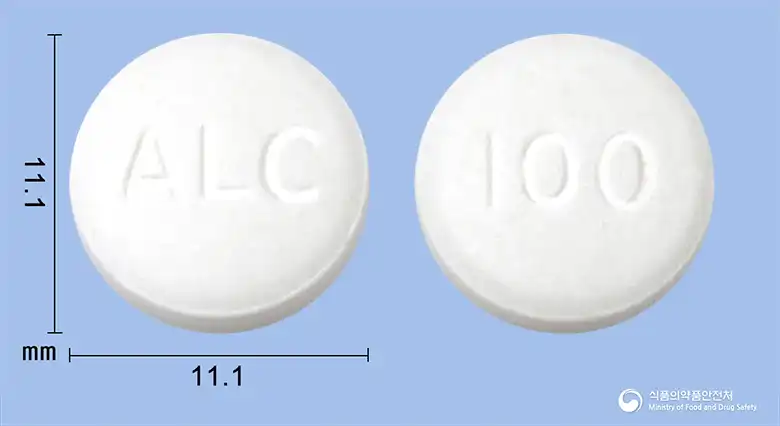
White or off-white round film-coated tablets
28 tablets/bottle, 100 tablets/bottle
Even with the same ingredient, strength, dosage form and how it is taken can differ.
Itraconazole Solid Dispersions
Prescription medication
Il Yang Biopharm Co., Ltd.
Itraconazole Solid Dispersions
Prescription medication
JW Pharmaceutical Corporation
Itraconazole Solid Dispersions
Prescription medication
Daewoong Pharmaceutical Co., Ltd.
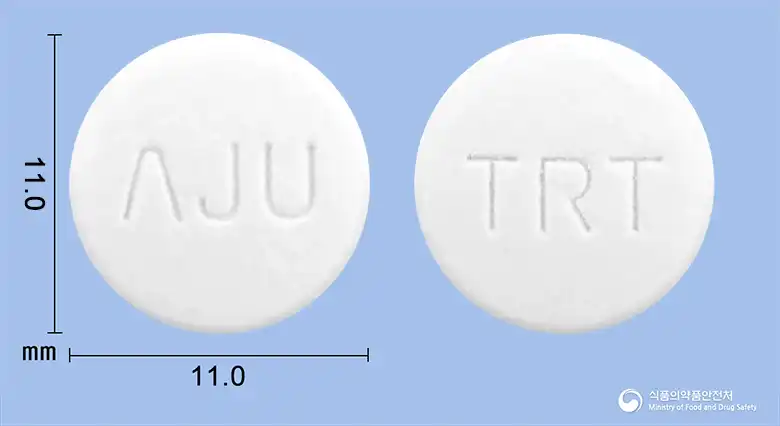
Itraconazole Solid Dispersions 253mg
Tablet · Prescription medication
Ajou Pharmaceutical Co., Ltd.
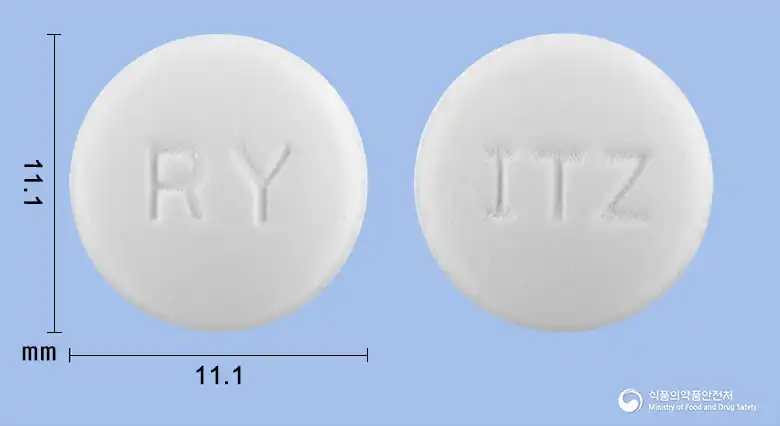
Itraconazole Solid Dispersions 253mg
Tablet · Prescription medication
IYON Pharmaceutical Co., Ltd.
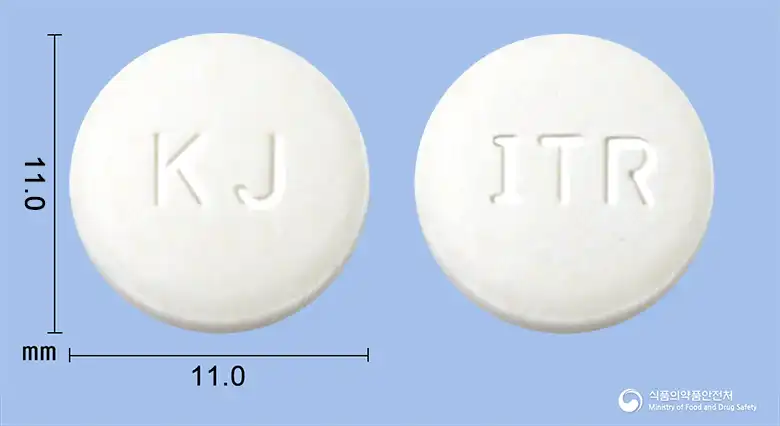
Itraconazole Solid Dispersions 253mg
Tablet · Prescription medication
International Pharmaceutical Co., Ltd.
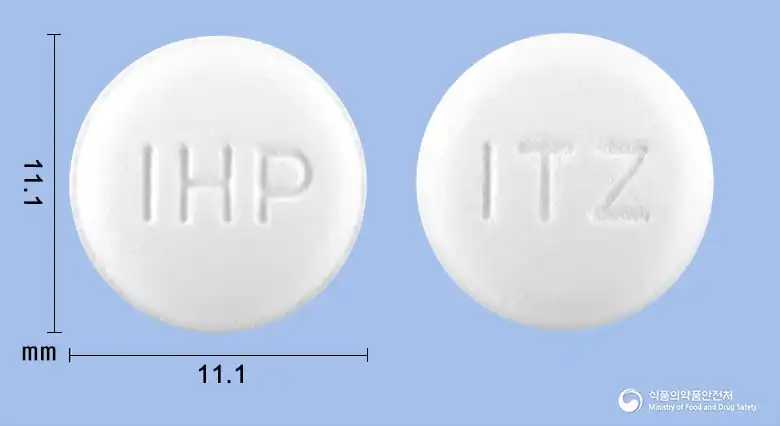
Itraconazole Solid Dispersions 253mg
Tablet · Prescription medication
Ilhwa Co., Ltd.
Itraconazole Solid Dispersions 253mg
Tablet · Prescription medication
Allico Pharmaceutical Co., Ltd.
Even with the same ingredient, the dose and directions can differ by strength and dosage form. Talk to a doctor or pharmacist before switching from a medication you are already taking.
No questions yet.
For anything that needs medical judgment, consult a doctor or pharmacist.
This drug information is based on data provided by the Korea Ministry of Food and Drug Safety.
Consult a doctor or pharmacist for accurate dosage, administration, and usage instructions.