
 한국어
한국어 English
 日本語
日本語 中文(简体)
 Viewing nowCombination
Catchcop Tablets
Acetaminophen 500mg · Phenylephrine Hydrochloride 5mg +1 more
Tablet · OTC medication · Combination
Korea Pavis Pharma Co., Ltd.
MFDS item code 200502243 · Notified 2005.05.12
Relief of cold symptoms (runny nose, nasal congestion)
This medication helps alleviate symptoms caused by colds such as runny nose, nasal congestion, sneezing, sore throat, chills, fever, headache, joint pain, and muscle pain. It supports patients in recovering quickly by relieving multiple symptoms they are uncomfortable with at the same time. It is used to effectively reduce these symptoms and decrease the inconvenience in daily life.
Adults and adolescents aged 12 and older should take 1 to 2 tablets every 4 to 6 hours as needed. Do not exceed 8 tablets in one day.
Patients who regularly drink three or more alcoholic drinks per day should consult a doctor or pharmacist before taking this medicine, as it may cause liver damage. Those who have had allergic reactions to this medication or its ingredients should not use it. Caution is especially advised for those who have experienced symptoms such as rash, redness, itching, or swelling. Individuals with a history of asthma attacks should also avoid taking this medication. Patients currently taking or who have stopped taking specific antidepressants, antipsychotics, or anti-Parkinson's medications within the last two weeks should not use this medication. Those who have severe peptic ulcers, severe blood disorders, liver dysfunction, kidney dysfunction, or severe cardiac insufficiency should also avoid this medication. Patients taking barbiturates or tricyclic antidepressants, those who have consumed alcohol, or those with genetic problems such as lactose intolerance should not use this medication. This medication contains acetaminophen, and caution should be taken as taking it with other acetaminophen products may cause liver damage. Additionally, it should not be taken with cough suppressants, other cold medications, antipyretics, antihistamines, or antispasmodics. Drowsiness may occur while taking this medication, so it is advisable to avoid operating vehicles or machinery. Alcohol should be avoided during treatment, as combining it with this medication increases the risk of liver damage. Children under 12, those with allergic tendencies, individuals with a history of drug allergies, or those at risk for chickenpox or influenza infections should always consult an expert before taking this medication. Individuals with thyroid disease, diabetes, hypertension, lung disease, glaucoma, or women who are pregnant or breastfeeding should consult a healthcare professional before use. If symptoms such as hives, swelling, difficulty breathing, rash, nausea, vomiting, or high fever occur after taking this medication, discontinue use immediately and consult a doctor. With long-term use, regular liver function and blood tests are necessary, and if abnormalities are found, the dosage should be adjusted. In case of an overdose, seek medical attention immediately even if there are no symptoms, as treatment may be required to protect the liver. Store this medication away from direct sunlight and in a cool, dry place, out of reach of children. Additionally, keep it sealed in its original container to prevent misuse or degradation in quality.
Hives, swelling (of the larynx, eyelids, lips, etc.), chest tightness, pallor, cold sweat, shortness of breath, rash, blisters, skin peeling, pain in the mucous membranes of the mouth/eyes, difficulty breathing, asthma attacks, jaundice, generalized weakness, severe headache, confusion of consciousness, visual disturbances, paralysis, reduced urine output, severe generalized swelling, elevated blood pressure, shock, anaphylactic reaction, thrombocytopenia, agranulocytosis, hemolytic anemia, blood loss
Not everyone experiences these, and they can vary from person to person.
This medication should be stored in a sealed container to protect it from air and moisture, ideally at room temperature between 1 and 30 degrees Celsius. Proper storage will help maintain the effectiveness of the medication for an extended period.
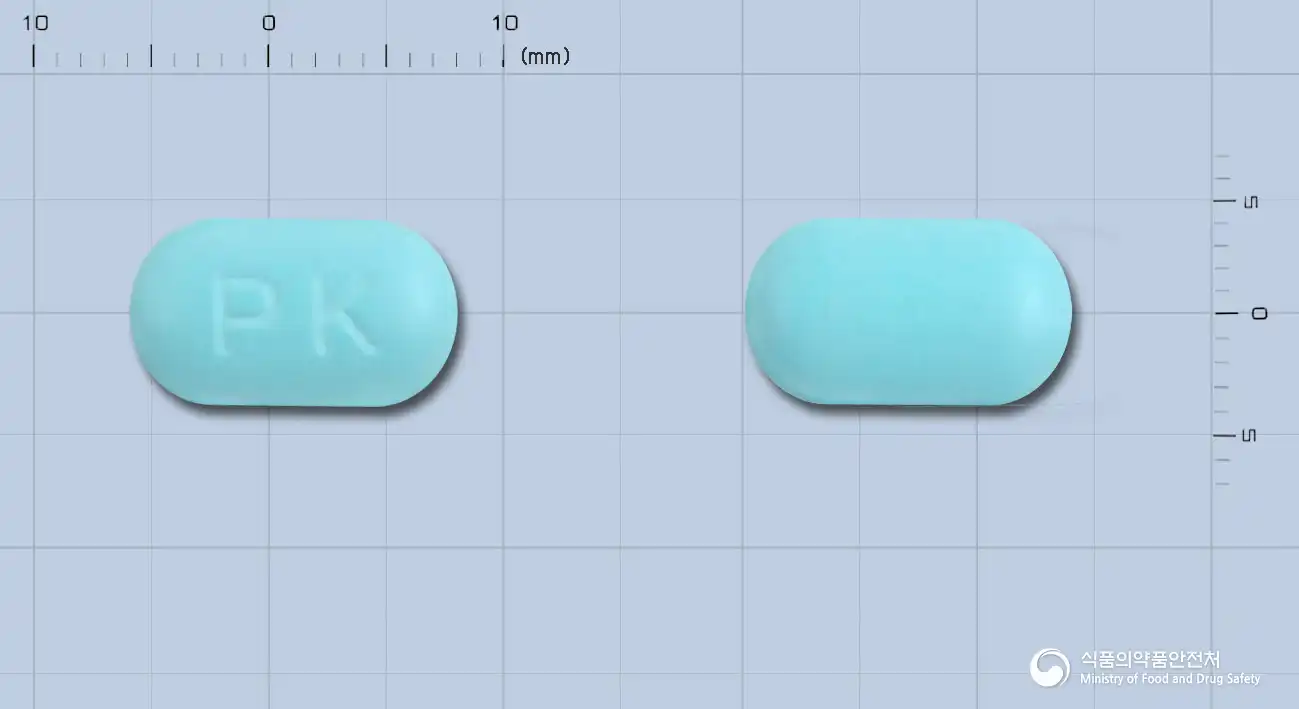
Light blue, rectangular film-coated tablets
(For domestic use) 10 tablets/PTP, (For export) 10 tablets/PTP, 100 tablets (10 tablets/PTP x 10), 500 tablets/bottle
Even with the same ingredient, strength, dosage form and how it is taken can differ.
Viewing nowCombinationAcetaminophen 500mg · Phenylephrine Hydrochloride 5mg +1 more
Tablet · OTC medication · Combination
Korea Pavis Pharma Co., Ltd.
 Combination
Acetaminophen 500mg · Chlorpheniramine Maleate 2mg +1 more
Tablet · OTC medication · Combination
Hanmi Pharmaceutical Co., Ltd.
Acetaminophen 200mg · Phenylephrine Hydrochloride 10mg +1 more
Solution · OTC medication · Combination
Kwangdong Pharmaceutical Co., Ltd.
Even with the same ingredient, the dose and directions can differ by strength and dosage form. Talk to a doctor or pharmacist before switching from a medication you are already taking.
No questions yet.
For anything that needs medical judgment, consult a doctor or pharmacist.
This drug information is based on data provided by the Korea Ministry of Food and Drug Safety.
Consult a doctor or pharmacist for accurate dosage, administration, and usage instructions.