
 한국어
한국어 English
 日本語
日本語 中文(简体)
 Viewing now
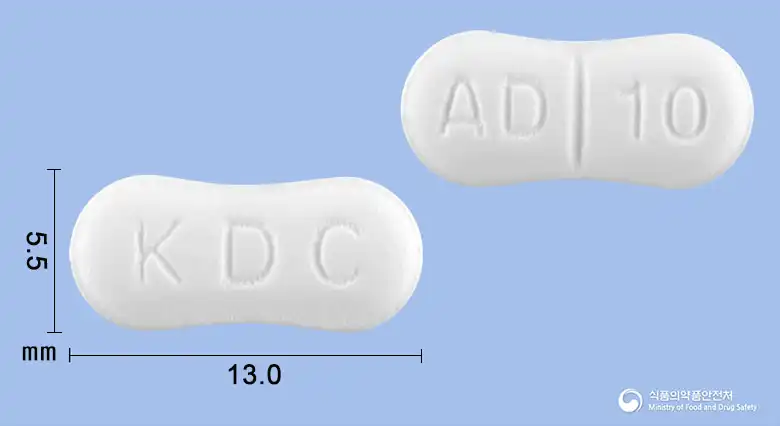
ADMed Tablets 10 mg (Memantine Hydrochloride)
Memantine Hydrochloride 10mg
Tablet · Prescription medication
Korea Pharmaceutical Co., Ltd.
MFDS item code 200501885 · Notified 2005.01.28 · Insurance code 642801020
Treatment of moderate to severe Alzheimer's disease
This medication is used for the treatment of moderate to severe Alzheimer’s disease.
Administer once daily orally, at the same time each day. If necessary, it may be administered twice a day. The dosage increase schedule is as follows: 5 mg once daily for the first week, 10 mg once daily for the second week, 15 mg once daily for the third week, and 20 mg once daily from the fourth week onward. The recommended maintenance dose is 20 mg once daily.
This medication should not be used in patients with hypersensitivity to the ingredients, severe hepatic impairment, or severe renal impairment. Additionally, it contains lactose, so individuals with genetic issues such as galactose intolerance, Lapp lactase deficiency, and glucose-galactose malabsorption should not take this medication. Patients with epilepsy or a history of seizures, or individuals prone to seizures, should use this medication with caution. Taking NMDA antagonists such as amantadine, ketamine, or dextromethorphan together may increase or prolong central nervous system side effects; therefore, co-administration should be avoided. Patients with risk factors that can increase urinary pH, such as dietary changes or specific urinary tract infections, should be carefully monitored. Patients with recent myocardial infarction, congestive heart failure, or uncontrolled hypertension should use this medication cautiously due to a lack of clinical trial data. While taking this medication, side effects such as dizziness, headache, constipation, drowsiness, and hypertension may occur; if symptoms are severe, consult healthcare professionals. Furthermore, this medication may interact with various other medications, so it is essential to inform any healthcare providers about other medications being taken. Pregnant women should only take this medication when absolutely necessary, as it may pose risks to the fetus, and nursing mothers are advised to discontinue breastfeeding. The safety and efficacy of this medication in children and adolescents under 18 years of age have not been established, so it is best avoided. Overdosage may cause symptoms such as confusion, drowsiness, hallucinations, and seizures, and immediate medical care should be sought. This medication may affect the patient's reaction time, so caution is advised when driving or operating machinery. Finally, it is essential to keep this medication out of the reach of children and not to transfer it to other containers.
Severe allergic reactions (hives, severe swelling, chest tightness, difficulty breathing, cold sweat, paleness), severe skin reactions (rash with high fever, blisters, skin peeling, oral/ocular mucosal pain), respiratory problems (shortness of breath or difficulty breathing, asthma attacks, cough with fever, respiratory abnormalities), liver abnormalities (jaundice, extreme lethargy), severe neurological symptoms (sudden and severe)
Not everyone experiences these, and they can vary from person to person.
This medication should be stored in a tightly sealed container to prevent exposure to air and moisture, and it is best kept at temperatures between 1 degree and 30 degrees Celsius. Proper storage will ensure the medication's effectiveness.
White elongated film-coated tablets
30 tablets/bottle, 100 tablets/bottle
Even with the same ingredient, strength, dosage form and how it is taken can differ.
Viewing nowMemantine Hydrochloride 10mg
Tablet · Prescription medication
Korea Pharmaceutical Co., Ltd.
Memantine Hydrochloride 1g
Solution · Prescription medication
Lundbeck Korea Co., Ltd.
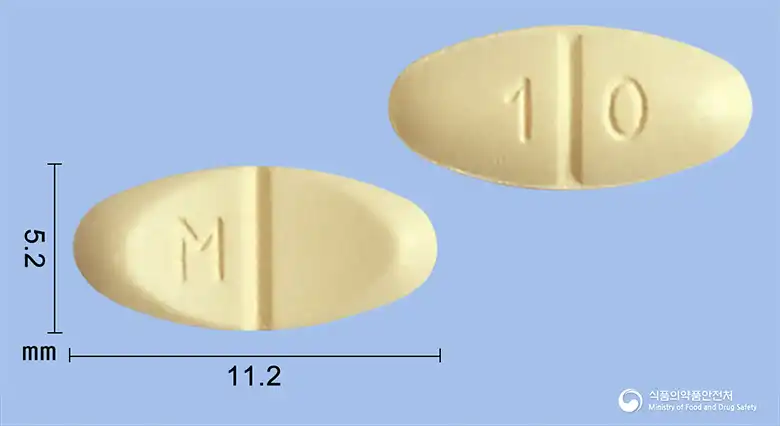
Memantine Hydrochloride 10mg
Tablet · Prescription medication
Lundbeck Korea Co., Ltd.
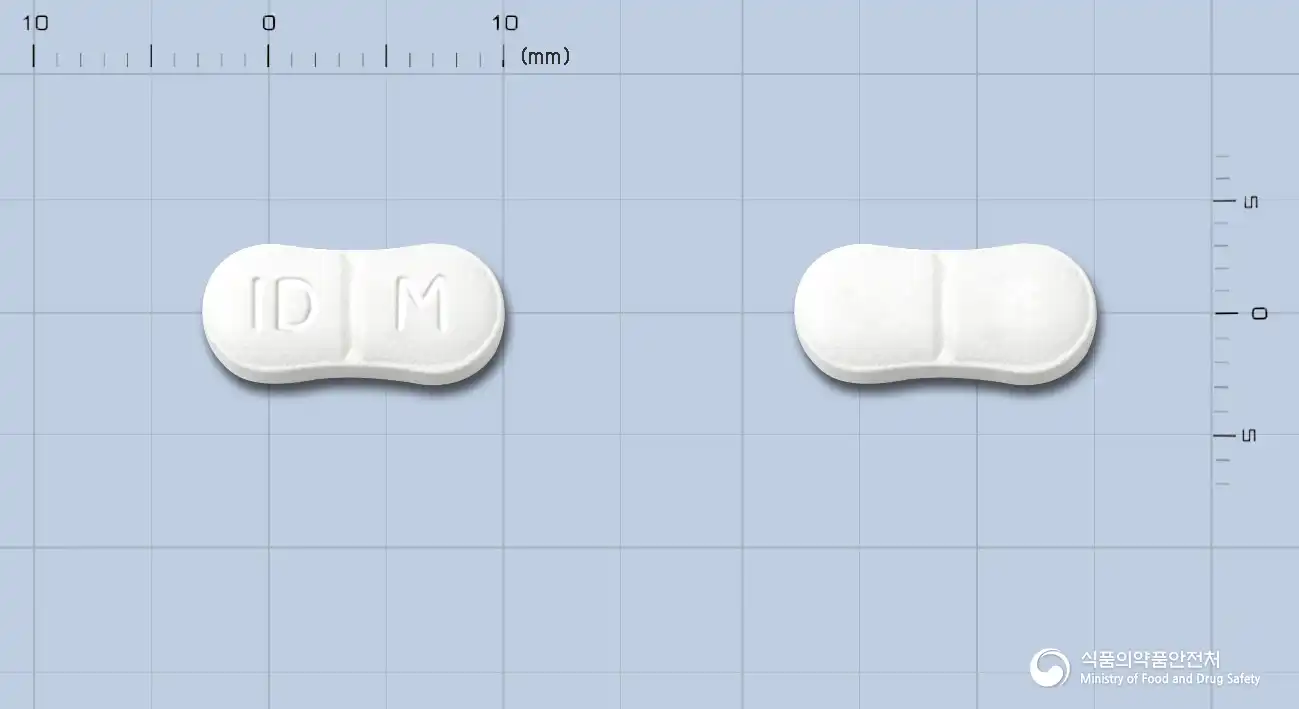
Memantine Hydrochloride 10mg
Tablet · Prescription medication
Ildong Pharmaceutical Co., Ltd.
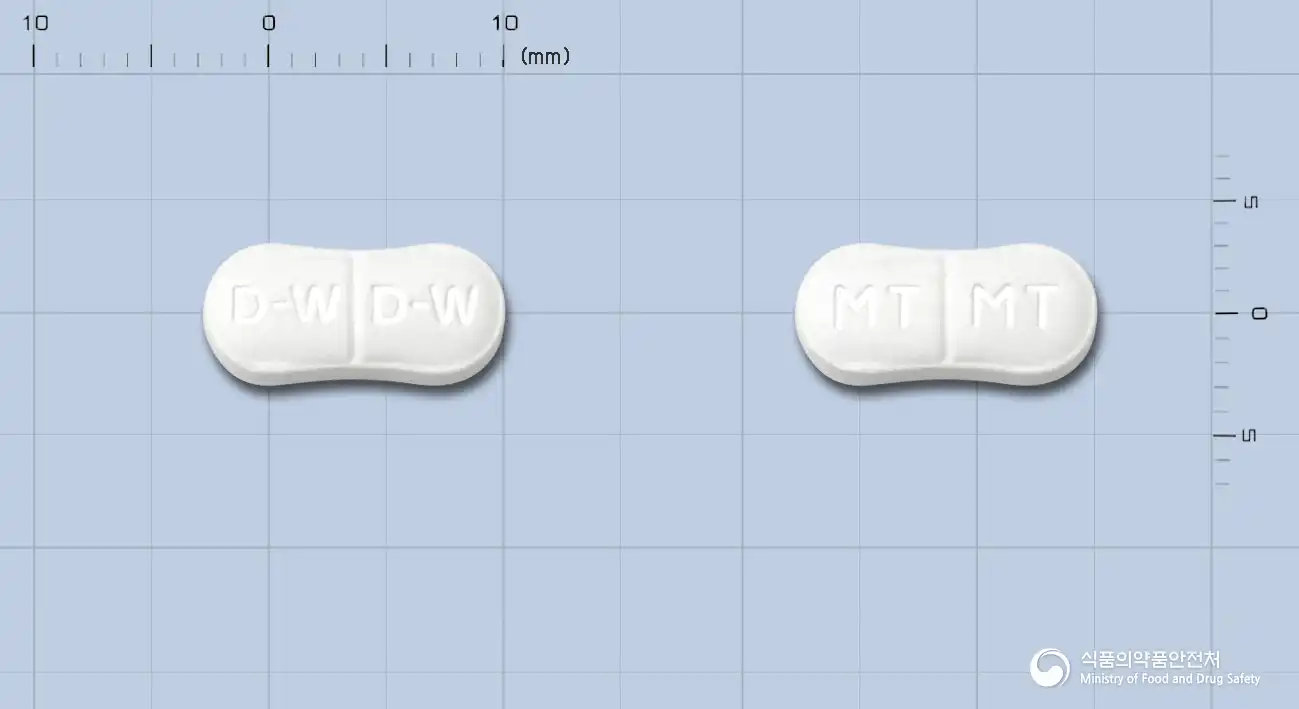
Memantine Hydrochloride 10mg
Tablet · Prescription medication
Donghwa Pharmaceutical Co., Ltd.
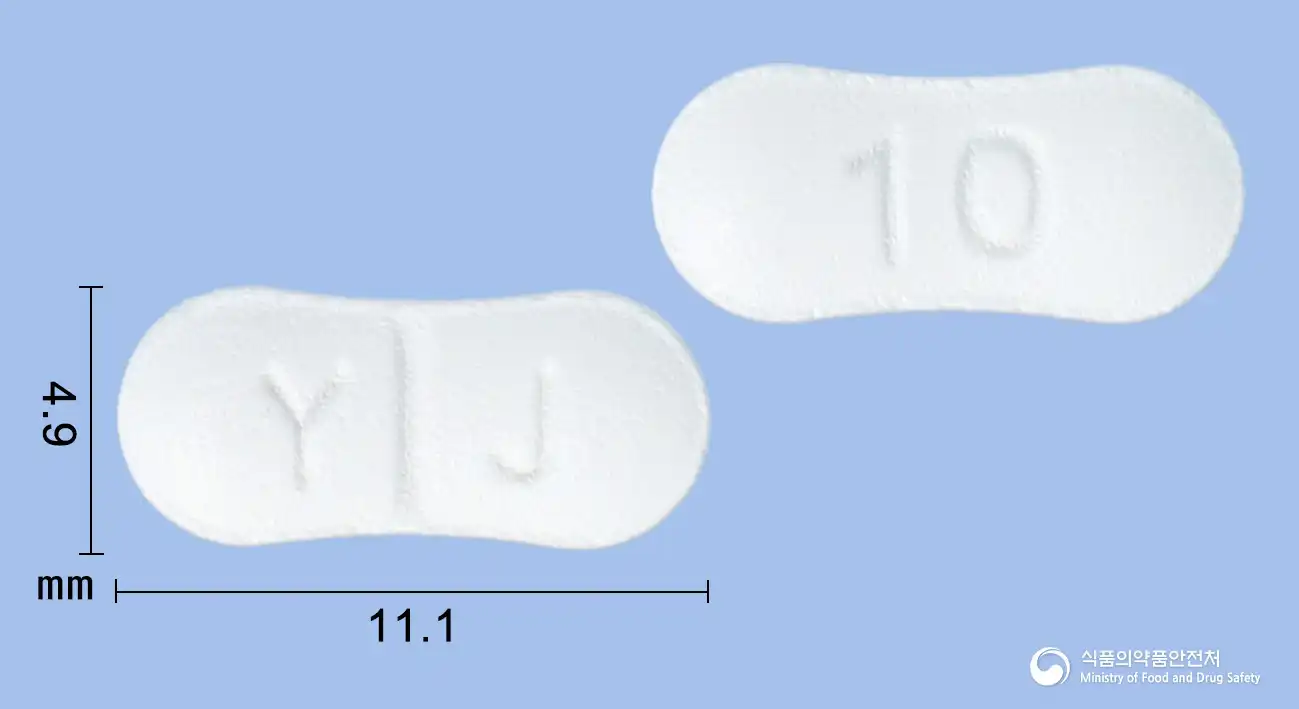
Memantine Hydrochloride 10mg
Tablet · Prescription medication
Youngjin Pharmaceutical Co., Ltd.
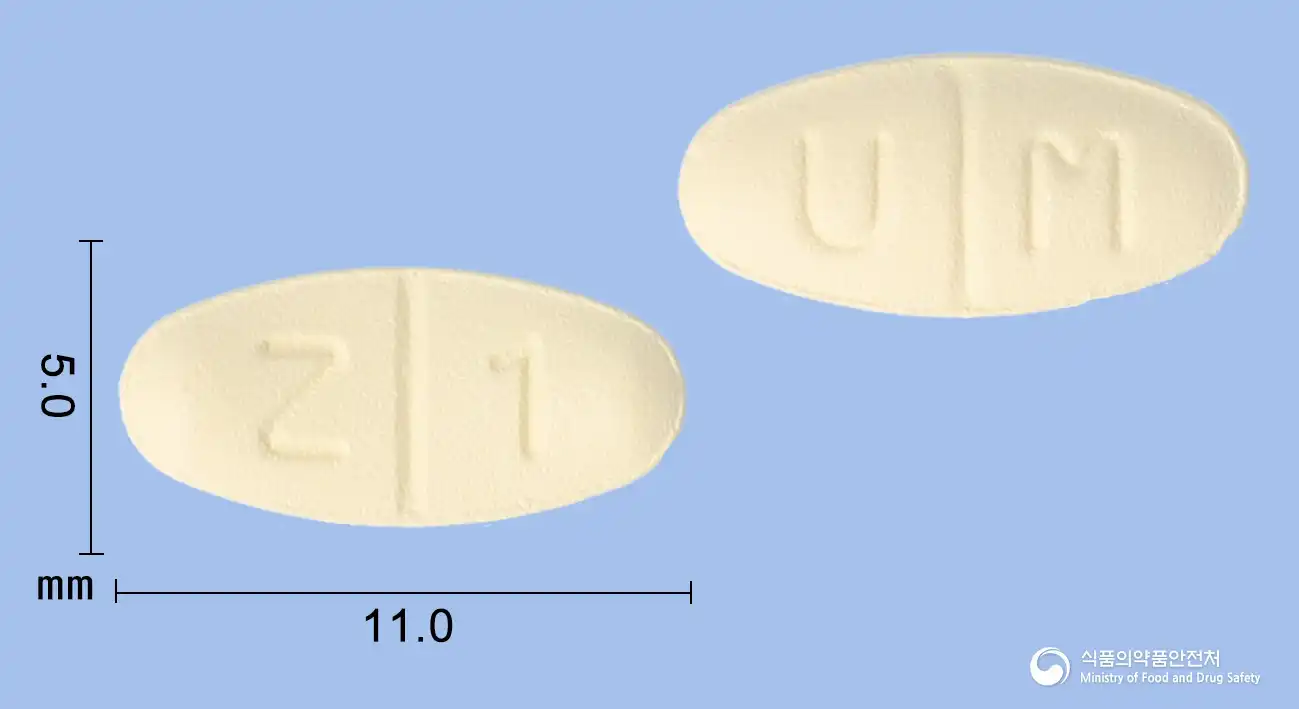
Memantine Hydrochloride 10mg
Tablet · Prescription medication
Unimed Pharmaceutical Co., Ltd.
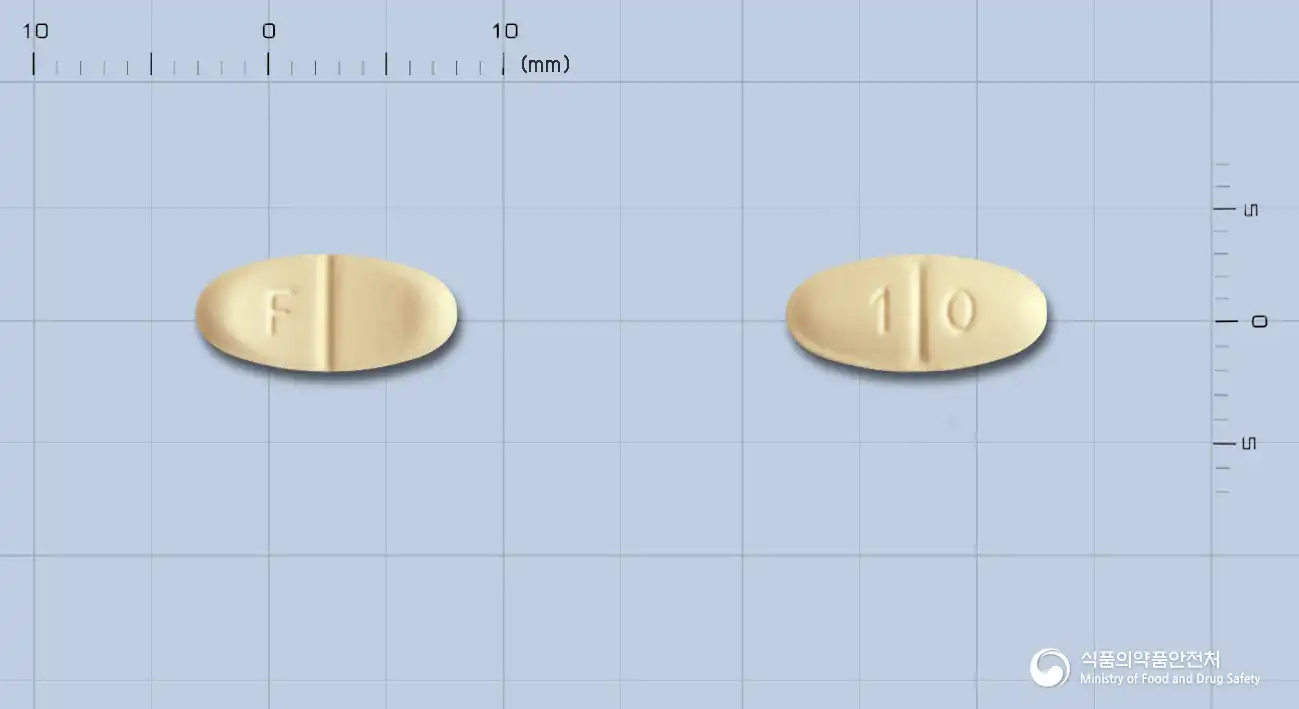
Memantine Hydrochloride 10mg
Tablet · Prescription medication
Myongin Pharmaceutical Co., Ltd.
Even with the same ingredient, the dose and directions can differ by strength and dosage form. Talk to a doctor or pharmacist before switching from a medication you are already taking.
No questions yet.
For anything that needs medical judgment, consult a doctor or pharmacist.
This drug information is based on data provided by the Korea Ministry of Food and Drug Safety.
Consult a doctor or pharmacist for accurate dosage, administration, and usage instructions.