
 한국어
 English
 日本語
 中文(简体)
Dosage form image
Viewing nowLometec Tablet (Lomefloxacin Hydrochloride)
Lomefloxacin Hydrochloride
Prescription medication
Austin Pharma Co., Ltd.
MFDS item code 200501795 · Notified 2005.11.04
This product's status changed to Expired on 2023.04.01. It may no longer be sold, so consult a doctor or pharmacist before taking it.
Treatment of genitourinary, respiratory, and intestinal infections, skin infections, and eye, ear, and dental infections
This medication is effective against various bacterial infections. It is used for skin and soft tissue infections such as folliculitis, pustular acne, and boils, as well as respiratory infections like chronic bronchitis, community-acquired pneumonia, and lung abscess. It is also effective for urinary tract infections including acute uncomplicated pyelonephritis, cystitis, bacterial prostatitis, and gonococcal urethritis. Additionally, it is applicable for intestinal infections such as gastroenteritis and bacterial dysentery, as well as infections in various areas like pelvic inflammatory disease, ocular infections, otitis media, sinusitis, and periodontal diseases. However, this drug should be used cautiously when there are no alternative treatment options due to the risk of severe adverse reactions. Overall, this medication is utilized for the treatment of bacterial infections in multiple areas.
(Tablets) 1. Administer lomefloxacin 100 ~ 200 mg orally 2 ~ 3 times daily. 2. However, for acute exacerbations of chronic obstructive pulmonary disease, including chronic bronchitis, the usual adult dose is 400 mg of this drug orally once daily, during or without meals. The duration of administration varies depending on the severity of the infection, but is usually up to 14 days; treatment should continue for at least 2 days after the symptoms of infection have resolved. 3. Patients with renal impairment 1) Patients with creatinine clearance below 30 mL per minute should receive an initial dose of 400 mg of this drug once, followed by 200 mg once daily starting the next day. 2) Patients on hemodialysis should receive an initial dose of 400 mg of this drug, followed by 200 mg once daily starting the next day. 3) Dose adjustment is not necessary in patients with hepatic impairment; adjust the dose according to renal function.
This medication is a fluoroquinolone antibiotic used for the treatment of specific bacterial infections. Caution should be taken when using this medication as serious side effects such as tendonitis, tendon rupture, peripheral neuropathy, central nervous system disorders, and exacerbation of myasthenia gravis may occur. If any of these symptoms arise, discontinue the medication immediately and consult a healthcare professional. This drug should not be used in patients with a history of myasthenia gravis, and should only be used when no other treatment alternatives are available. Especially in elderly patients, those with impaired kidney function, solid organ transplant recipients, and those taking corticosteroids concurrently, the risk of tendon rupture may increase, and concomitant use should be avoided. If symptoms of tendonitis or tendon rupture occur, rest and avoid exercise, and if symptoms are severe, discontinue the medication immediately. This drug is not administered to patients who have a hypersensitivity to quinolone antibiotics, children under 18 who are still growing, pregnant or nursing women, or those who have previously experienced tendonitis or rupture from this drug. Patients with a history of seizures or convulsions, severe renal impairment, elderly patients, or those with a history or family history of aortic aneurysm or aortic dissection should be given this medication with caution. During administration, various side effects such as anaphylactic shock, skin rash, photosensitivity reactions, abnormal renal and liver function, gastrointestinal symptoms, central nervous system abnormalities, respiratory issues, blood abnormalities, central nervous system stimulation symptoms, cardiovascular issues, musculoskeletal issues, tinnitus, genital issues, and systemic fatigue may occur; if any of these adverse effects are noticed, consult a healthcare professional immediately. Additionally, during treatment with this medication, strong sunlight or artificial UV exposure should be avoided, and care should be taken to avoid dizziness while driving or operating machinery. Diabetics who require blood glucose control should closely monitor changes in blood sugar levels and seek immediate treatment if hypoglycemic symptoms occur. This medication may interact with certain drugs, so if any other medications are being taken, it is important to inform healthcare providers. Pregnant or nursing women should not use this medication and should consult a doctor if necessary. In the case of an overdose, notify healthcare professionals immediately and receive appropriate treatment, as blood dialysis or peritoneal dialysis may not significantly aid in drug removal. Caution is needed to avoid potential skin abnormalities due to UV exposure during long-term use.
Not everyone experiences these, and they can vary from person to person.
This medication should be stored in a tightly closed container that protects from light, and it is best to keep it at room temperature between 1 to 30 degrees Celsius. Storing it this way helps maintain the effectiveness of the drug and prevents degradation.
White oval film-coated tablet
30 tablets/bottle, 100 tablets/bottle
Even with the same ingredient, strength, dosage form and how it is taken can differ.
Lomefloxacin Hydrochloride
Prescription medication
Austin Pharma Co., Ltd.
Lomefloxacin Hydrochloride
Prescription medication
KOLON PHARMA Co., Ltd.
Lomefloxacin Hydrochloride
Prescription medication
JW Pharmaceutical Corp.
Lomefloxacin Hydrochloride 220.8mg
Tablet · Prescription medication
Hanlim Pharmaceutical Co., Ltd.
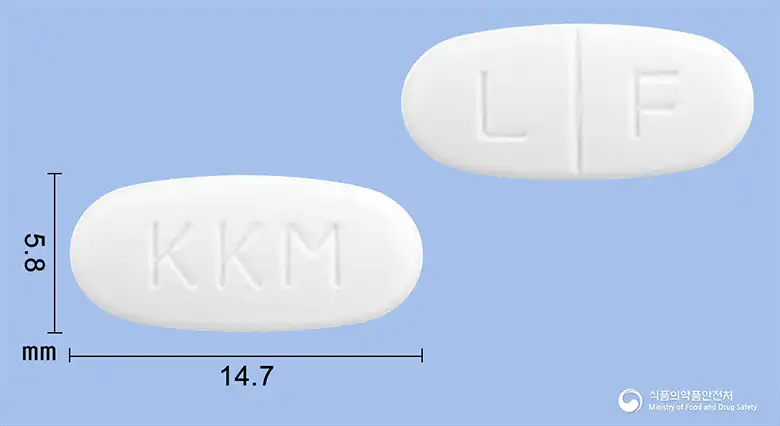
Lomefloxacin Hydrochloride 441.6mg
Tablet · Prescription medication
Genewon Science Co., Ltd.
Lomefloxacin Hydrochloride
Prescription medication
Teragen Itex Co., Ltd.
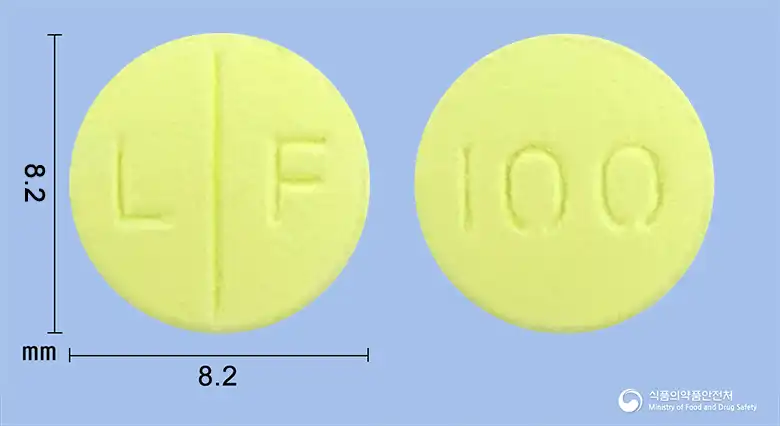
Lomefloxacin Hydrochloride 110.4mg
Tablet · Prescription medication
Kolon Pharmaceutical Co., Ltd.
Even with the same ingredient, the dose and directions can differ by strength and dosage form. Talk to a doctor or pharmacist before switching from a medication you are already taking.
No questions yet.
For anything that needs medical judgment, consult a doctor or pharmacist.
This drug information is based on data provided by the Korea Ministry of Food and Drug Safety.
Consult a doctor or pharmacist for accurate dosage, administration, and usage instructions.