
 한국어
 English
 日本語
 中文(简体)
 Viewing now
Ojesex Tablet (Tosufloxacin Tosylate Hydrate)
Tosufloxacine Tosilate Hydrate 150mg
Tablet · Prescription medication
SK Chemicals Co., Ltd.
MFDS item code 200501778 · Approved 2005.12.06 · Insurance code 644701880
Treatment of respiratory and head and neck infections, genitourinary infections, and gastrointestinal, soft-tissue, and eye infections
This drug is an antibiotic effective against several bacteria including Staphylococcus, Streptococcus, Streptococcus pneumoniae, and various Gram-negative bacteria, used for respiratory infections such as community-acquired pneumonia, chronic bronchitis, and bronchiectasis. It is also suitable for the treatment of otitis media (excluding chronic otitis media), sinusitis, infections around teeth, and dentitis. It is effective for treating pyelonephritis, cystitis, prostatitis, and gonococcal urethritis in the genitourinary tract, as well as for gastrointestinal infections such as infectious enteritis, cholecystitis, and cholangitis. It assists in the treatment of skin and soft tissue infections, mastitis, superficial infections after trauma or surgery, and skin conditions like pustular acne, and can be applied to pelvic inflammatory disease, intrauterine infections, and eye-related inflammations. However, as a fluoroquinolone antibiotic, it may cause serious adverse reactions, so its usage is recommended only when there are no other treatment options for certain conditions. Overall, this drug is widely used to treat various bacterial infections.
The usual adult dose is 300~450 mg of tosufloxacin tosylate daily, divided into 2~3 doses. In severe cases or when the response is considered insufficient, up to 600 mg may be administered daily. Adjust the dose appropriately according to age and symptoms.
This drug is used to treat various bacterial infections as a fluoroquinolone antibiotic. It can cause tendon-related problems such as tendonitis or tendon rupture, especially affecting the Achilles tendon. If such symptoms appear, the use of this drug should be stopped immediately and a doctor consulted. It may also cause peripheral neuropathy, which involves tingling or sensory abnormalities in the hands and feet; if these symptoms occur, the drug should be discontinued. It can affect the central nervous system and may cause symptoms such as seizures, dizziness, insomnia, and hallucinations; therefore, caution is necessary. Patients with myasthenia gravis should not use this drug as it may worsen their symptoms. Elderly patients, those with impaired kidney function, patients with a history of epilepsy or seizures, and those with aortic aneurysms or heart valve diseases should use this drug cautiously, and undergo examinations if necessary on the doctor's advice. This drug is not administered to pregnant or potentially pregnant women, breastfeeding women, and children. It may cause fluctuations in blood sugar levels, thus diabetic patients should monitor their blood sugar frequently, and immediately inform a doctor if symptoms of hypoglycemia occur. Also, there may be interactions with other medications, so it’s essential to inform a doctor or pharmacist if currently taking any other medications. Caution is especially required when taken with theophylline, nonsteroidal anti-inflammatory drugs, antacids, iron supplements, etc. During use of this drug, various side effects such as skin rash, hives, severe allergic reactions, liver dysfunction, kidney dysfunction, gastrointestinal disorders, and neurological problems may occur, so if any abnormal symptoms arise, the drug should be discontinued immediately and medical consultation sought. Finally, it is important to administer this drug only for the minimum duration needed for the treatment of the infection, and rest immediately at the onset of symptoms while avoiding undue physical strain.
Not everyone experiences these, and they can vary from person to person.
This drug should be stored in a tightly sealed container to prevent air intrusion, and it is advisable to store it at room temperature between 1°C and 30°C. This will help maintain the drug's effectiveness for a longer period.
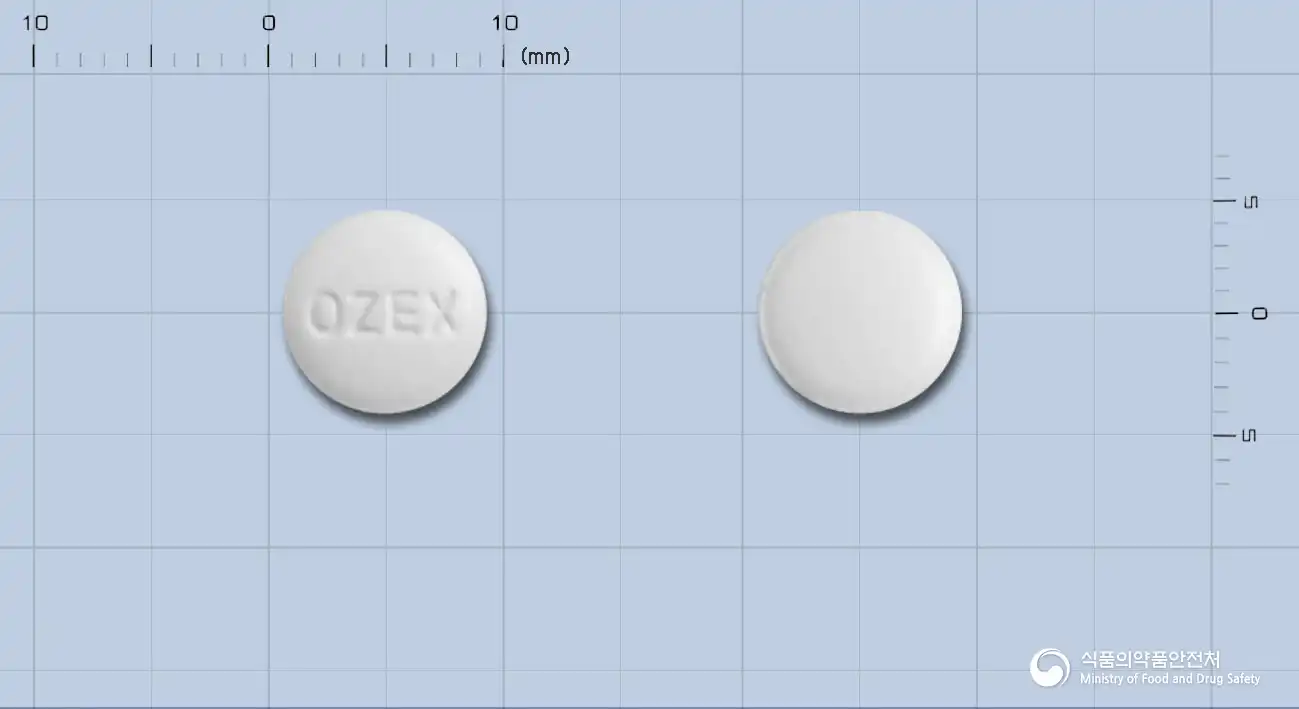
White round film-coated tablet
30 tablets/bottle, 100 tablets/bottle
Even with the same ingredient, strength, dosage form and how it is taken can differ.
Viewing nowTosufloxacine Tosilate Hydrate 150mg
Tablet · Prescription medication
SK Chemicals Co., Ltd.
Tosufloxacine Tosilate Hydrate 3mg
Eye drops · Prescription medication
Dong-A ST Co., Ltd.
Even with the same ingredient, the dose and directions can differ by strength and dosage form. Talk to a doctor or pharmacist before switching from a medication you are already taking.
No questions yet.
For anything that needs medical judgment, consult a doctor or pharmacist.
This drug information is based on data provided by the Korea Ministry of Food and Drug Safety.
Consult a doctor or pharmacist for accurate dosage, administration, and usage instructions.