
 한국어
한국어 English
 日本語
日本語 中文(简体)
Dosage form image
Viewing nowCardip Tablet (Lercanidipine Hydrochloride)
Lercanidipine Hydrochloride 10mg
Tablet · Prescription medication
HLB Pharma Co., Ltd.
MFDS item code 200501721 · Approved 2005.08.10
This product's status changed to Expired on 2024.07.01. It may no longer be sold, so consult a doctor or pharmacist before taking it.
Improvement of mild to moderate essential hypertension
This medicine is used for the treatment of essential hypertension that is classified as mild to moderate.
For Lercanidipine Hydrochloride, take 5 to 10 mg once daily orally at least 15 minutes before meals. The dose can be increased up to 20 mg depending on the patient's symptoms. Dose adjustments should be made gradually, as the maximum antihypertensive effect typically manifests after 2 weeks.
This medication should not be administered to certain patients. For instance, individuals who are allergic to this medication or similar drugs, pregnant women or those who may become pregnant, and nursing women should not use it. Patients with heart problems, particularly those with left ventricular outflow obstruction, untreated congestive heart failure, or unstable angina should also not take this medication. Patients with severe liver or kidney impairment, recent myocardial infarction, those undergoing dialysis, and children or adolescents under 18 years of age should not use this medication. Additionally, this medication contains lactose, so patients with lactose intolerance or certain genetic disorders should refrain from taking it. Patients with syndrome of inappropriate secretion of antidiuretic hormone, left ventricular dysfunction, ischemic heart disease, mild to moderate liver dysfunction or kidney disorders, a history of angina, those who consume alcohol frequently, and the elderly should take this medication cautiously. Due to its vasodilatory effect, this medication may cause symptoms such as facial flushing, swelling, and rapid heartbeat. Rarely, hypotension, chest pain, or angina may occur. Neurological symptoms such as headache, dizziness, weakness, fatigue, and drowsiness may also be experienced, along with gastrointestinal symptoms such as indigestion, nausea, vomiting, abdominal pain, and diarrhea. It is important to regularly monitor liver function because this medication may affect it; if abnormalities are found, discontinuation of use is necessary. This medication may interact with other drugs, especially those affecting the enzyme CYP3A4, which is involved in drug metabolism in the liver. Pregnant or nursing women should not take this medication, and those planning to become pregnant should also avoid using it. Its safety has not been established for use in children and adolescents, so it should not be administered to them. Elderly patients need to exercise special caution when initiating treatment with this medication. In cases of overdose, severe hypotension or cardiac issues may arise, requiring immediate medical attention and treatment as directed by healthcare professionals. This medication should be kept out of reach of children, and transferring it to other containers is not advisable as it can affect the maintenance of quality.
Facial flushing, peripheral edema, palpitations, tachycardia, hypotension, chest pain, headache, dizziness, weakness, fatigue, drowsiness, neuroses, indigestion, nausea, vomiting, abdominal pain, diarrhea, increased serum levels of liver aminotransferases, polyuria, frequent urination, gingival hyperplasia, rash, myalgia, tremors, insomnia, dry mouth, hand numbness, cough, abdominal fullness, erectile dysfunction, arrhythmia, cold sweat, skin tingling, premature contractions, tongue stiffness, ventricular issues.
Not everyone experiences these, and they can vary from person to person.
Store this medication in a tightly closed container to prevent exposure to air or moisture. Additionally, it is advisable to keep the medication at room temperature between 1 to 30 degrees Celsius, not in excessively hot or cold places.
Yellow round film-coated tablets
30 tablets/bottle, 100 tablets/bottle
Even with the same ingredient, strength, dosage form and how it is taken can differ.
Lercanidipine Hydrochloride 10mg
Tablet · Prescription medication
HLB Pharma Co., Ltd.
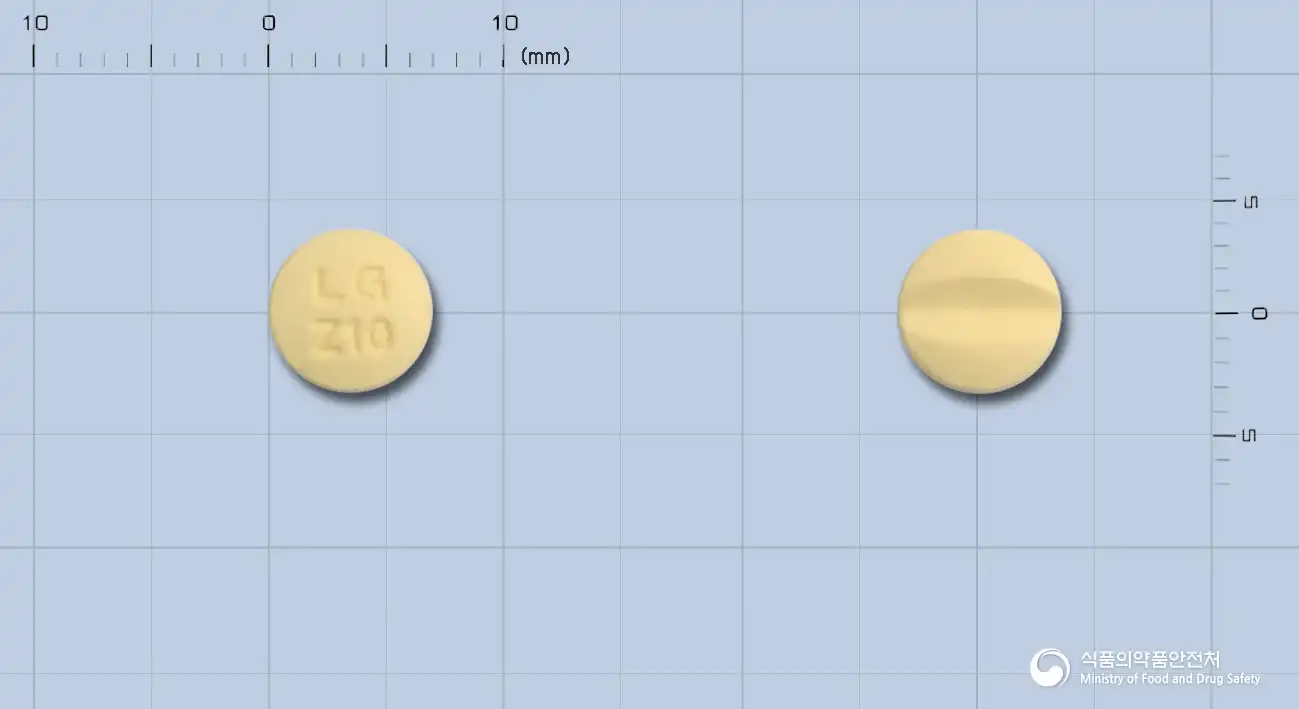
Lercanidipine Hydrochloride 10mg
Tablet · Prescription medication
LG Chem, Ltd.
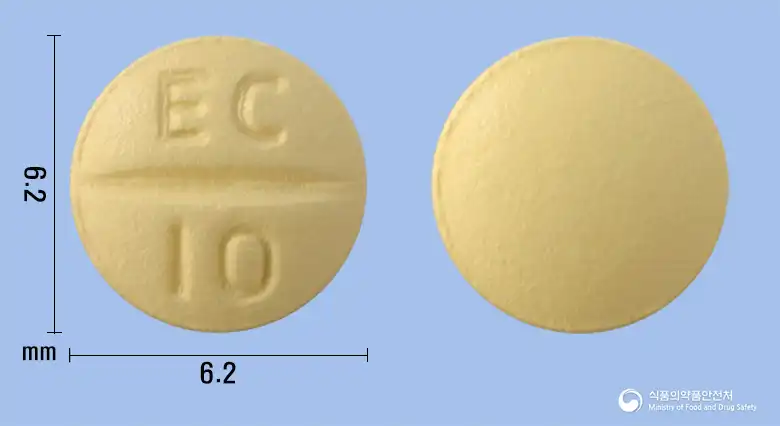
Lercanidipine Hydrochloride 10mg
Tablet · Prescription medication
Jongkundang Co., Ltd.
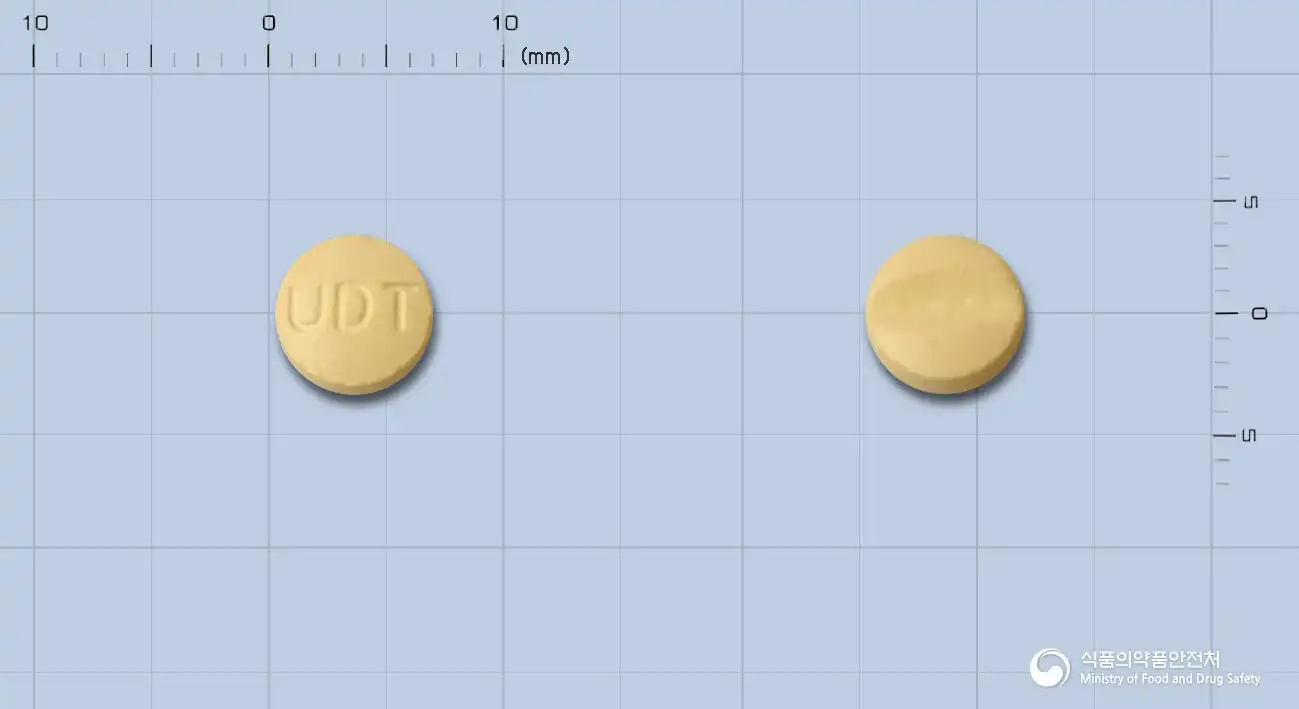
Lercanidipine Hydrochloride 10mg
Tablet · Prescription medication
Yuyu Pharmaceutical Co., Ltd.
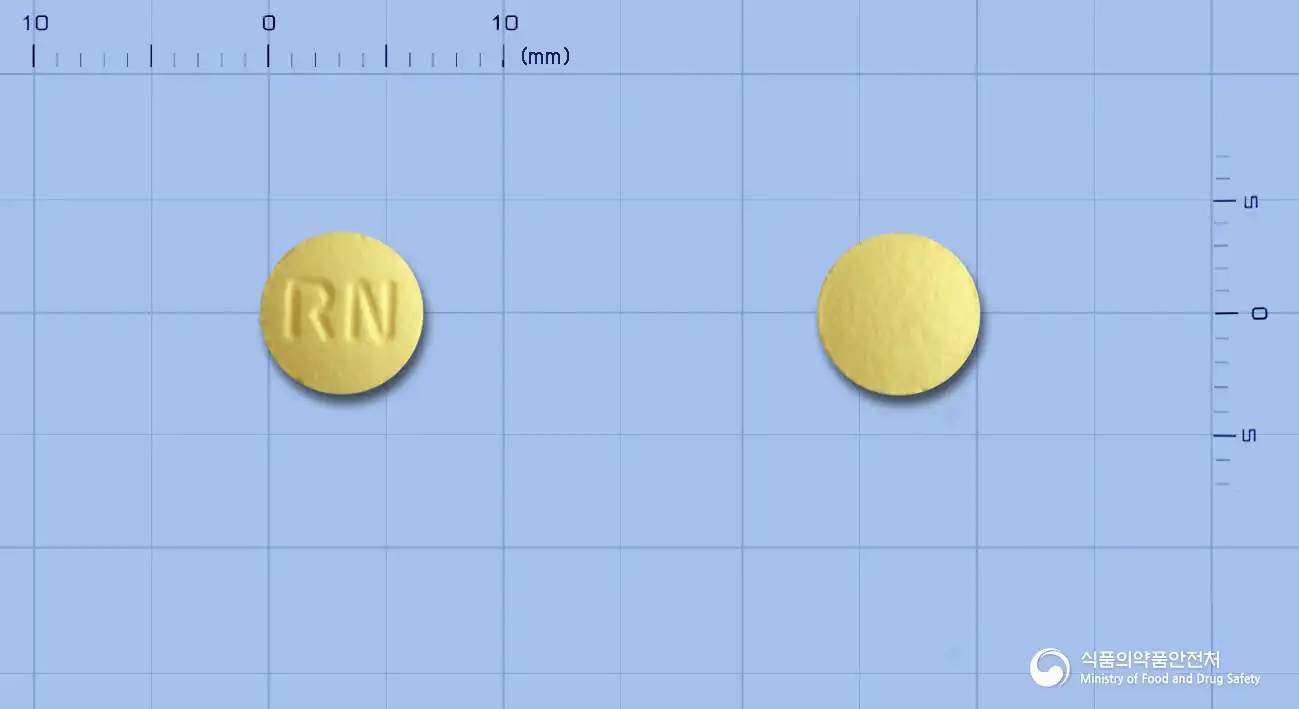
Lercanidipine Hydrochloride 10mg
Tablet · Prescription medication
Samsung Pharmaceutical Co., Ltd.
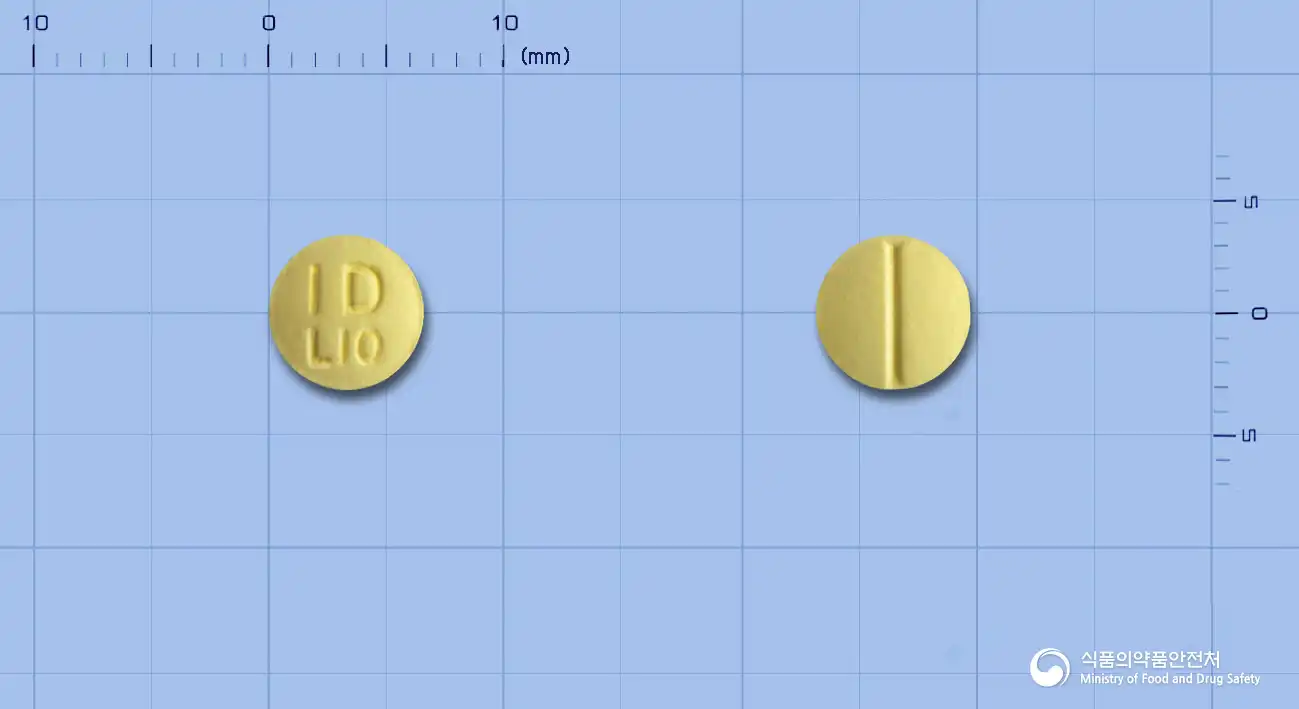
Lercanidipine Hydrochloride 10mg
Tablet · Prescription medication
Ildong Pharmaceutical Co., Ltd.
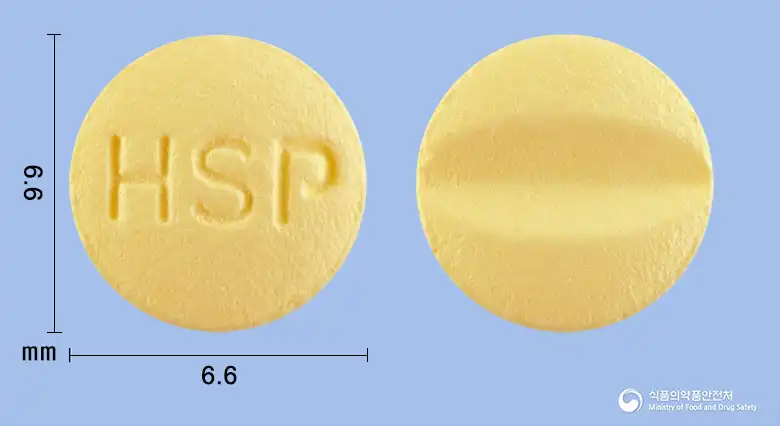
Lercanidipine Hydrochloride 10mg
Tablet · Prescription medication
Celltrion Pharmaceutical Co., Ltd.
Lercanidipine Hydrochloride 10mg
Tablet · Prescription medication
Yuhan Corporation
Even with the same ingredient, the dose and directions can differ by strength and dosage form. Talk to a doctor or pharmacist before switching from a medication you are already taking.
No questions yet.
For anything that needs medical judgment, consult a doctor or pharmacist.
This drug information is based on data provided by the Korea Ministry of Food and Drug Safety.
Consult a doctor or pharmacist for accurate dosage, administration, and usage instructions.