
 한국어
한국어 English
 日本語
日本語 中文(简体)
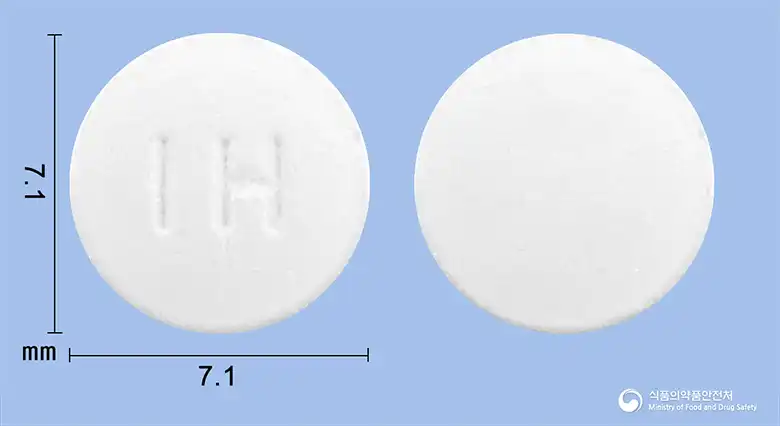 Viewing now
Eperison Tablets (Eperisone Hydrochloride)
Eperisone Hydrochloride 50mg
Tablet · Prescription medication
Ilhwa Co., Ltd.
MFDS item code 200500800 · Notified 2005.01.04 · Insurance code 640900700
Treatment of musculoskeletal diseases (painful muscle spasms) and neurological disorders (spastic paralysis)
This medication is effective for various symptoms associated with painful muscle spasms due to musculoskeletal diseases, such as cervical radiculopathy, periarthritis of the shoulder, and lower back pain. It is also used for spastic paralysis caused by neurological disorders, helping to relieve muscle stiffness resulting from various central nervous system sequelae such as cerebrovascular disorders, spinal cord injuries, and cerebral palsy. It aids in reducing muscle tension and alleviating pain, making the patient's daily life more comfortable. In summary, this drug is used to improve symptoms of muscle spasms and spastic paralysis associated with musculoskeletal and neurological disorders.
As eperisone hydrochloride, 50 mg is administered orally three times a day after meals. Adjust dosage appropriately based on age and symptoms.
This medication should not be used in patients with allergies or in those with myasthenia gravis. As this drug contains lactose, it should not be administered to patients with a genetic inability to digest lactose. Caution should be exercised when using this medication in patients with a history of drug allergies or those with impaired liver function. It can rarely cause shock, so symptoms should be closely monitored and administration should be stopped immediately if abnormalities arise. Liver function tests may show elevated levels, so liver condition should be checked periodically. It may also affect kidney function; thus, urine tests and blood tests should be performed to monitor kidney condition. Blood dyscrasias such as anemia may occur, so symptoms should be carefully observed. Allergic symptoms such as skin rash, itching, or, in severe cases, anaphylaxis may occur, requiring caution. Neurological symptoms such as insomnia, drowsiness, headaches, and numbness of the extremities may appear, necessitating communication if symptoms occur and appropriate measures should be taken. Gastrointestinal symptoms such as nausea, vomiting, loss of appetite, and abdominal pain may arise; if discomfort persists, medical consultation is advised. Urogenital symptoms, such as difficulty urinating or a feeling of incomplete bladder emptying, should be monitored for anomalies. General symptoms like lethargy, dizziness, and decreased muscle tone may occur, requiring attention. Drowsiness or decreased concentration may occur during the course of taking this medication, hence operating vehicles or hazardous machinery should be avoided. Women who are pregnant or may become pregnant should use this drug cautiously as its safety has not been established. Nursing mothers should avoid this medication whenever possible and, if it is necessary to administer, breastfeeding should be discontinued. Safety has not been thoroughly verified in children, so caution is advised due to limited usage experience. Elderly patients may have reduced bodily functions; therefore, careful management such as dose reduction may be necessary. Additionally, concurrent use of this drug with similar medications may lead to interactions such as dysregulation of blood pressure, so healthcare professionals should be informed.
Shock, anaphylactic reaction, angioedema, toxic epidermal necrolysis and mucocutaneous ocular syndrome (Stevens-Johnson syndrome), liver dysfunction (elevated ALT, AST, ALP), kidney issues (proteinuria, elevated BUN), anemia.
Not everyone experiences these, and they can vary from person to person.
This medication should be stored in a tightly closed container to prevent exposure to air or moisture, ideally at a temperature between 1 and 30 degrees Celsius. Storing it this way will help maintain the drug's effectiveness over a long period.
White round film-coated tablets
30 tablets/bottle, 500 tablets/bottle
Even with the same ingredient, strength, dosage form and how it is taken can differ.
Viewing nowEperisone Hydrochloride 50mg
Tablet · Prescription medication
Ilhwa Co., Ltd.
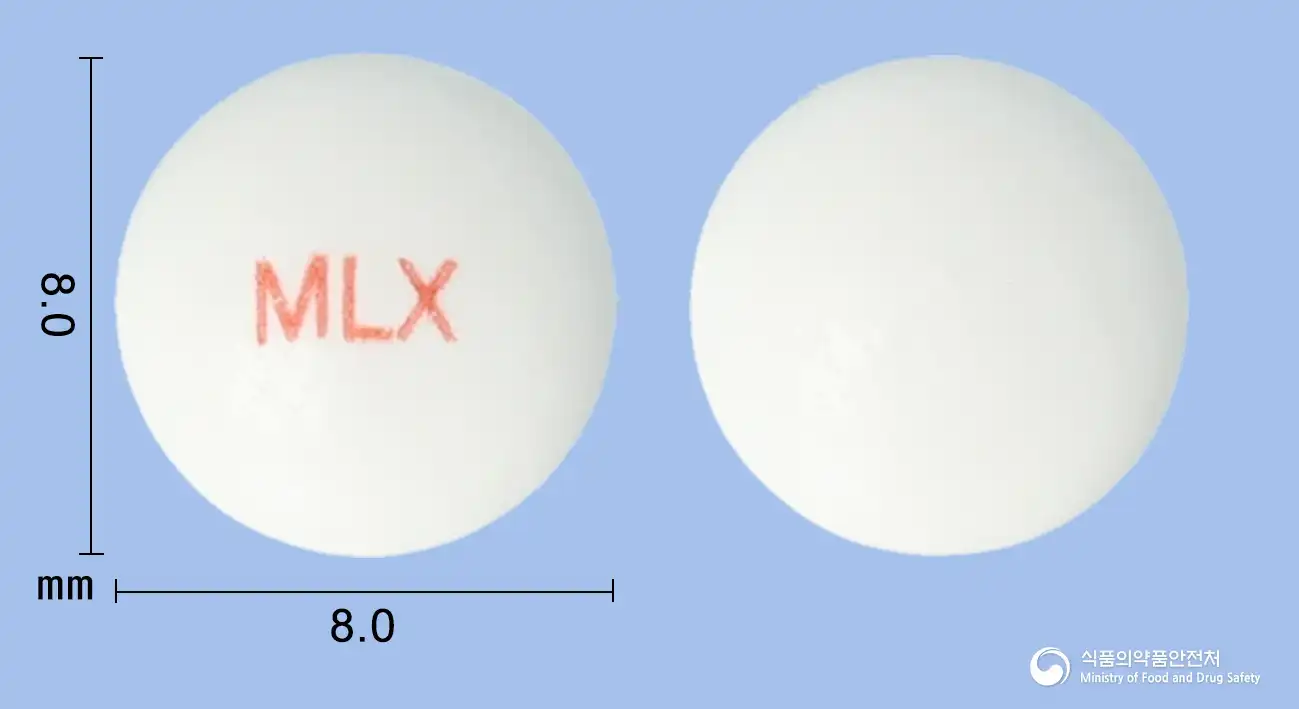
Eperisone Hydrochloride 50mg
Tablet · Prescription medication
Chodang Pharmaceutical Co., Ltd.
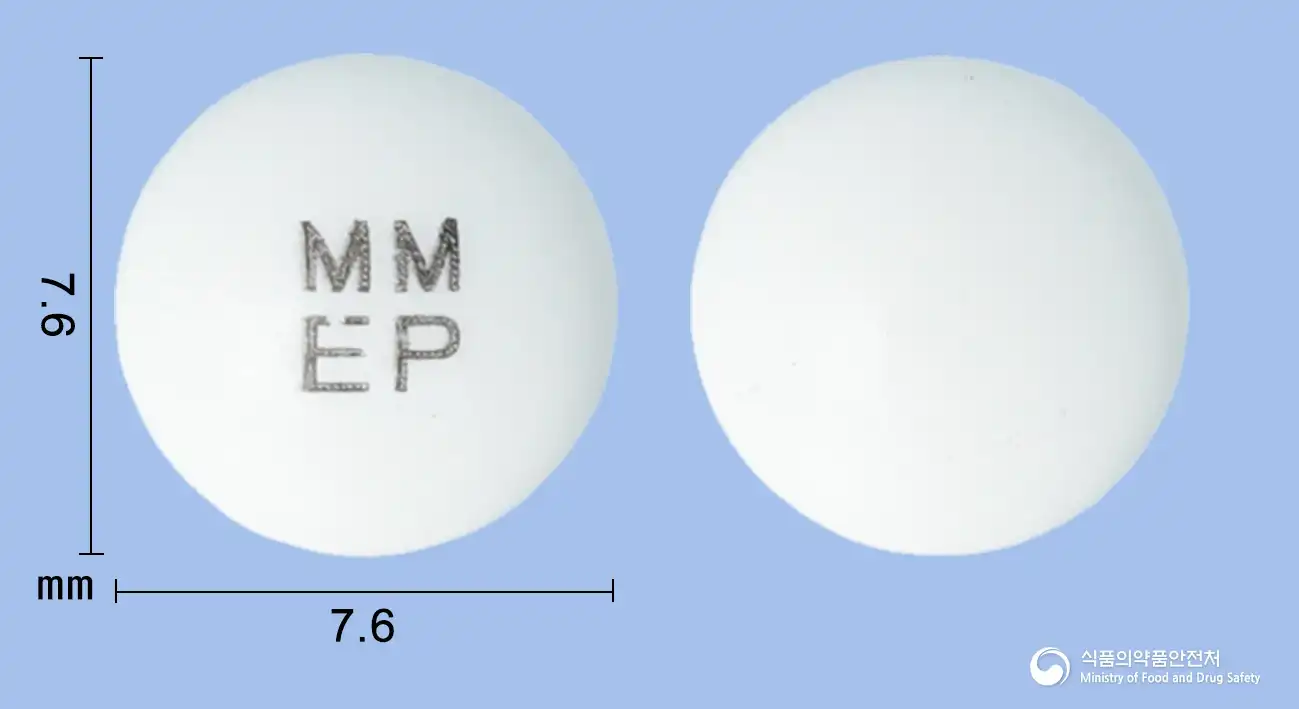
Eperisone Hydrochloride 50mg
Tablet · Prescription medication
Myeongmun Pharmaceutical Co., Ltd.
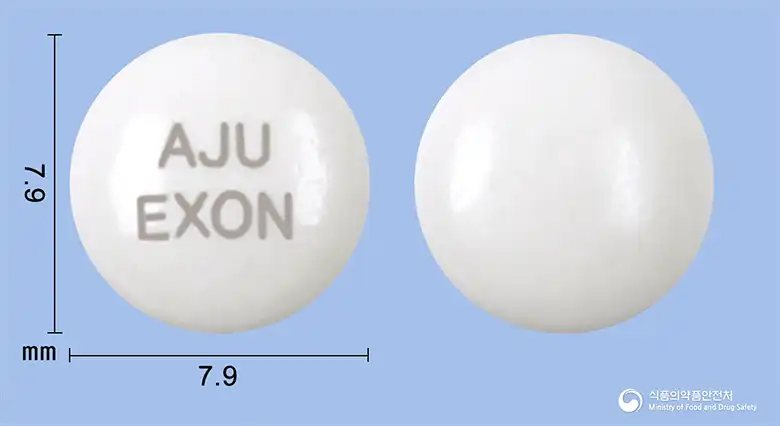
Eperisone Hydrochloride 50mg
Prescription medication
Aju Pharmaceutical Co., Ltd.
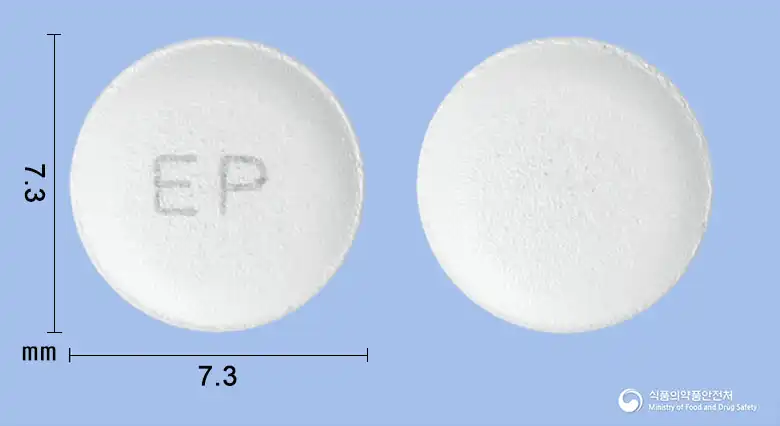
Eperisone Hydrochloride 50mg
Tablet · Prescription medication
Daewoo Pharmaceutical Co., Ltd.
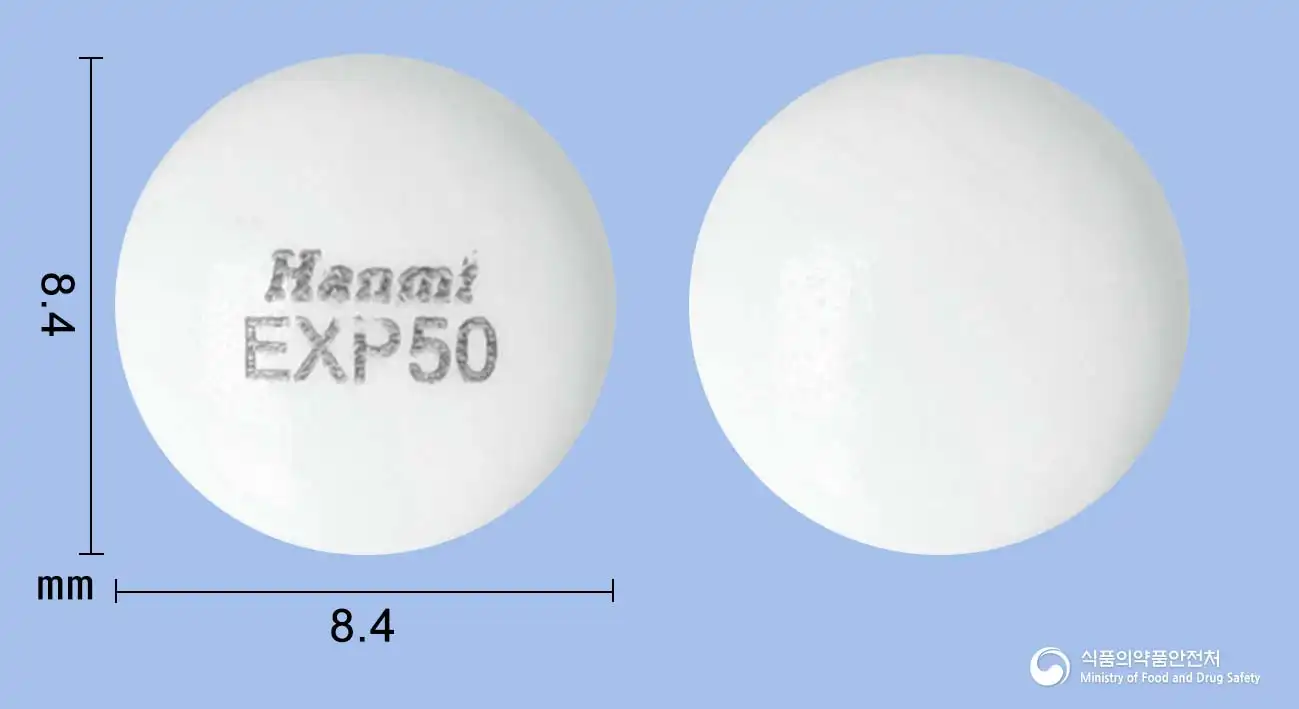
Eperisone Hydrochloride 50mg
Prescription medication
Hanmi Pharmaceutical Co., Ltd.
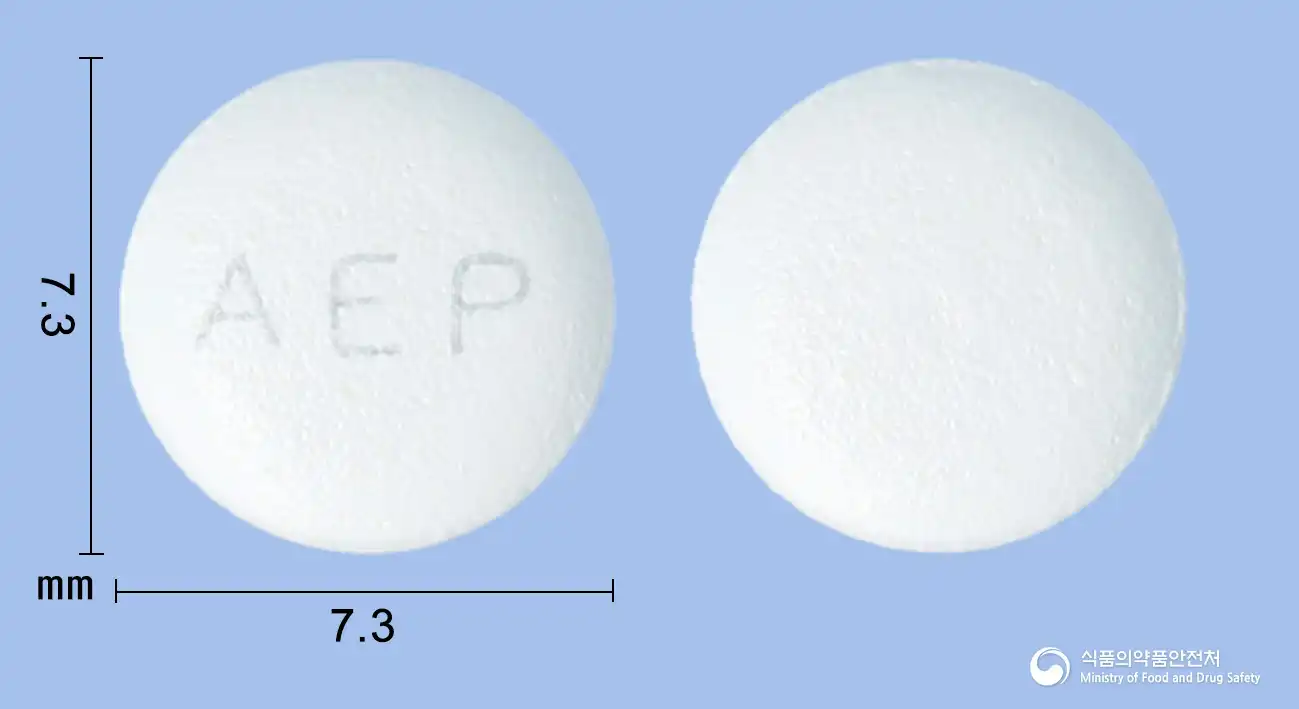
Eperisone Hydrochloride 50mg
Tablet · Prescription medication
Kyungdong Pharmaceutical Co., Ltd.
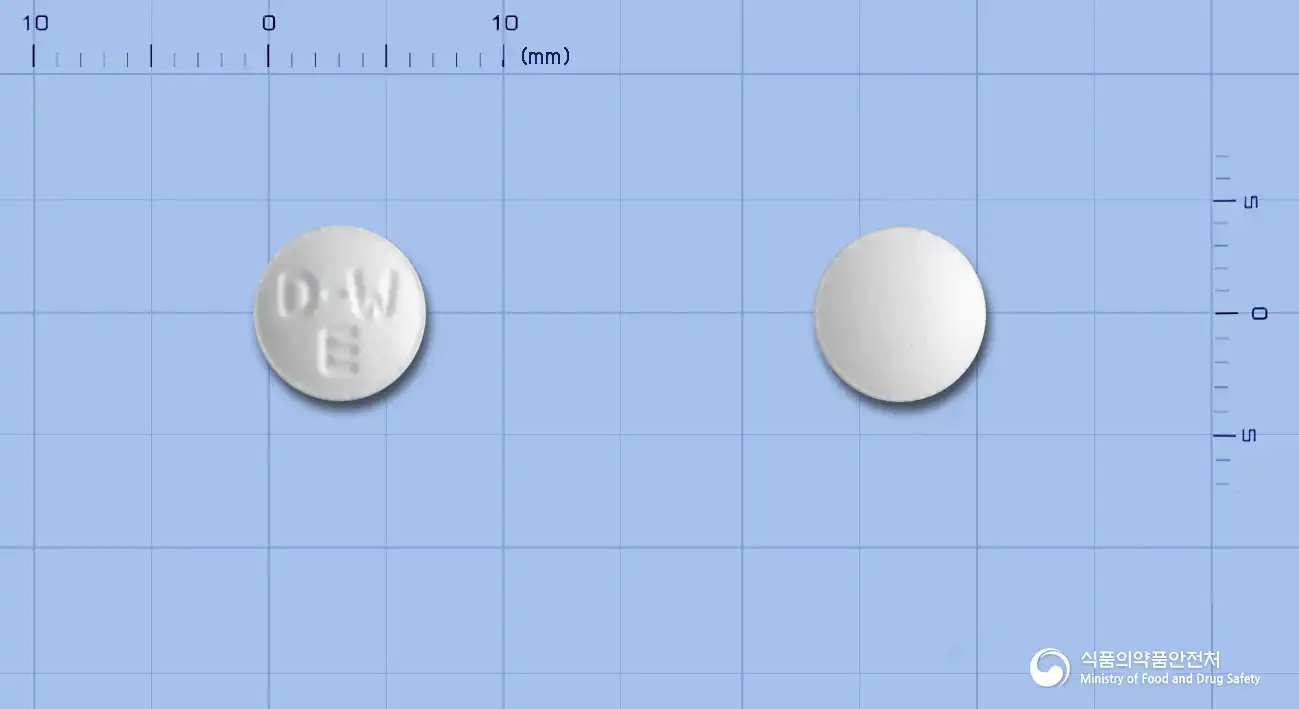
Eperisone Hydrochloride 50mg
Tablet · Prescription medication
Dongwha Pharmaceutical Co., Ltd.
Even with the same ingredient, the dose and directions can differ by strength and dosage form. Talk to a doctor or pharmacist before switching from a medication you are already taking.
No questions yet.
For anything that needs medical judgment, consult a doctor or pharmacist.
This drug information is based on data provided by the Korea Ministry of Food and Drug Safety.
Consult a doctor or pharmacist for accurate dosage, administration, and usage instructions.