
 한국어
 English
 日本語
 中文(简体)
Dosage form image
Viewing nowHanol Itraconazole Capsule 100 Milligrams (Itraconazole)
Itraconazole
Prescription medication
Hanol Biopharma Co., Ltd.
MFDS item code 200500445 · Approved 2005.03.31
This product's status changed to Expired on 2023.04.01. It may no longer be sold, so consult a doctor or pharmacist before taking it.
Treatment and prevention of fungal infections of the skin and nails, mucous membranes and cornea, and systemic fungal infections
This medication is effective against various fungal infections. In tablet or capsule form, it is used for the treatment of vulvovaginal candidiasis, tinea versicolor, and various types of tinea corporis (body), tinea cruris (groin), tinea manuum (hand), tinea pedis (foot), oropharyngeal candidiasis, fungal keratitis, onychomycosis, as well as systemic fungal infections such as aspergillosis, candidiasis, cryptococcosis (including meningitis), and paracoccidioidomycosis. The solution is particularly suitable for treating oral or esophageal candidiasis in HIV-positive patients and preventing invasive fungal infections in patients with expected neutropenia, such as those with hematologic malignancies or following bone marrow transplantation. However, there is insufficient clinical evidence regarding the prevention of aspergillosis. This medication is used for the treatment and prevention of various fungal diseases.
(Tablets)(capsules) It is preferable to administer immediately after a meal. 1. Short-term treatment 1) Vulvovaginal candidiasis: Administer itraconazole 200 mg per dose twice daily (morning and evening) for 1 day, or 200 mg once daily for 3 days. 2) Tinea versicolor: Administer 200 mg once daily for 7 days. 3) Tinea corporis, tinea cruris: Administer 100 mg once daily for 15 days. 4) Tinea manuum (interdigital), tinea pedis (interdigital): Administer 100 mg once daily for 15 days. 5) Tinea manuum (palms), tinea pedis (soles): Administer 100 mg once daily for 30 days or 200 mg per dose twice daily for 7 days. 6) Oral candidiasis: Administer 100 mg once daily for 15 days. 7) Fungal keratitis: Administer 200 mg once daily for 21 days. 2. Onychomycosis 1) Pulse therapy Administer 200 mg per dose twice daily for 1 week, followed by a 3-week drug-free period; this constitutes 1 cycle. Administer up to 2 cycles for infection of the fingernails only, and up to 3 cycles for infection of the toenails. Toenails (with or without concurrent fingernail infection): 1 week on treatment, 2 weeks off treatment, 3 weeks on treatment, 4 weeks off treatment, 5 weeks on treatment Fingernails: 1 week on treatment, 2 weeks off treatment, 3 weeks on treatment 2) Continuous therapy Administer 200 mg once daily for 3 months. 3. Systemic fungal infections For patients with impaired immune function, double the dose if necessary. Aspergillosis: 200mg once daily, average treatment duration 2~5 months. For invasive or disseminated disease, increase to 200mg per dose twice daily Candidiasis: 100~200mg once daily, average treatment duration 3 weeks~7 months Cryptococcal meningitis: 200mg twice daily, average treatment duration 2 months~1 year. Maintenance therapy: 200mg once daily Paracoccidioidomycosis: 100mg once daily, average treatment duration 6 months (Oral solution) Do not administer with food. 1. Oral and esophageal candidiasis Take 200 mg (20 mL) daily in 1~2 divided doses for 1 week. If there is no effect after 1 week, continue taking it for another 1 week. 2. Oral and esophageal candidiasis resistant to fluconazole Take 200~400 mg (20~40 mL) daily in 1~2 divided doses for 2 weeks. If there is no effect after 2 weeks, continue taking it for another 2 weeks. Do not use 400 mg daily for 14 days or longer, even if symptoms have not improved.
Prevention of fungal infections: Administer 5 mg/kg daily in 2 divided doses.
This medication should not be used in patients with impaired cardiac function, especially those with congestive heart failure. If heart failure symptoms occur during treatment with this medication, it must be discontinued immediately. Patients who have had allergic reactions to this medication or who are taking certain heart medications should not use it. Pregnant or breastfeeding women should not take this medication. Patients with liver dysfunction should use this medication cautiously and undergo regular liver function tests. Patients with impaired kidney function or weakened immune systems should also take caution, and dosage adjustments may be necessary. This medication can cause gastrointestinal symptoms such as headache, nausea, abdominal pain, and skin reactions such as itching and rash. Rarely, severe side effects such as liver dysfunction, cardiac issues, neurological disorders, or hearing loss may occur, and any abnormal symptoms should be reported to a healthcare professional immediately. This medication has a high potential for drug interactions, so caution is needed when co-administering with other medications. In particular, using certain analgesics, antiarrhythmics, antihistamines, anticancer agents, calcium channel blockers, etc., may increase the risk of side effects, so patients should inform their doctor or pharmacist. Taking this medication with acid-reducing drugs may decrease its absorption, so adjustments in timing or taking it with acidic beverages may be necessary. Pregnant women or those who could become pregnant should ensure proper contraception after taking this medication, and breastfeeding should be discontinued if using this medication. Children and the elderly should be especially cautious when taking this medication and should use it based on a doctor's judgment. There is no specific antidote for overdose, so treatment should be based on symptoms, and it should be stored out of reach of children.
Headache, nausea, abdominal pain, rhinitis, sinusitis, upper respiratory tract infection, leukopenia, hypersensitivity, taste disorder, sensory loss, sensory disturbance, tinnitus, constipation, diarrhea, dyspepsia, bloating, vomiting, liver dysfunction, hyperbilirubinemia, itching, rash, urticaria, pollakiuria, erectile dysfunction, menstrual disorders, edema, granulocytopenia, thrombocytopenia, anaphylactoid reaction, hyperglycemia, hyperkalemia, hypokalemia, hypomagnesemia, confusion, peripheral neuropathy, dizziness, drowsiness, tremors, heart failure, left ventricular failure, tachycardia, hypertension, hypotension, pulmonary edema, speech impairment, cough, gastrointestinal disorders, hepatic failure, hepatitis, jaundice, erythematous rash, hyperhidrosis, myalgia, arthralgia, kidney disorders, incontinence, generalized edema, facial edema, chest pain, fever, pain, fatigue, chills, leukocytosis, eosinophilia, anemia, vascular edema, serum sickness, angioedema, anaphylaxis, anaphylactic shock, allergic reactions, diplopia, visual impairment, transient hearing loss, permanent hearing loss, ventricular ectopic beats, atrioventricular block, palpitations, increased gastrointestinal motility, belching, glossitis, stomatitis, abdominal and lumbar pain, pancreatitis, increased serum total protein, increased total bilirubin, increased LAP, loss of appetite, malaise, dark urine, erythema multiforme, hair loss, photosensitivity reaction, exfoliative dermatitis, leukocytoclastic vasculitis, acute generalized exanthematous pustulosis, increased BUN, positive urine protein, positive urine glucose, decreased libido, drowsiness, shoulder stiffness, insomnia, chest pain, increased serum triglyceride levels, burning sensation, increased serum uric acid levels, increased serum potassium levels, serum sickness, angioedema, anaphylactic reaction, hypertriglyceridemia, tremors, blurred vision, congestive heart failure, dyspnea, significant hepatotoxicity, toxic epidermal necrolysis, Stevens-Johnson syndrome, acute generalized exanthematous pustulosis, increased serum creatine phosphokinase.
Not everyone experiences these, and they can vary from person to person.
This medication should be stored in a tightly sealed container that is well-ventilated, at room temperature between 1 degrees and 30 degrees Celsius. Storing it this way will help maintain its effectiveness and prevent degradation.
A hard capsule filled with white or off-white granules or powder, with a light blue upper and opaque pink lower part.
Company packaging unit
Even with the same ingredient, strength, dosage form and how it is taken can differ.
Itraconazole
Prescription medication
Hanol Biopharma Co., Ltd.
Itraconazole 1g
Solution · Prescription medication
Korea Janssen Co., Ltd.
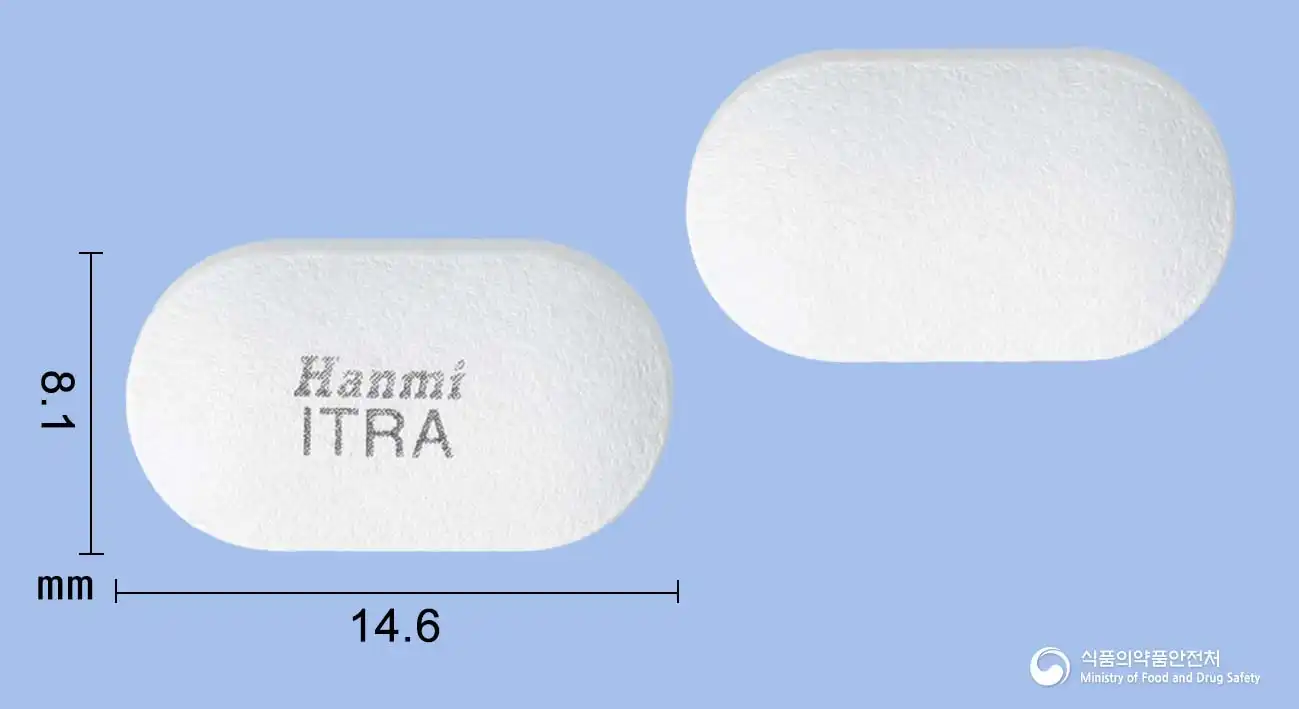
Itraconazole 100mg
Tablet · Prescription medication
Hanmi Pharmaceutical Co., Ltd.
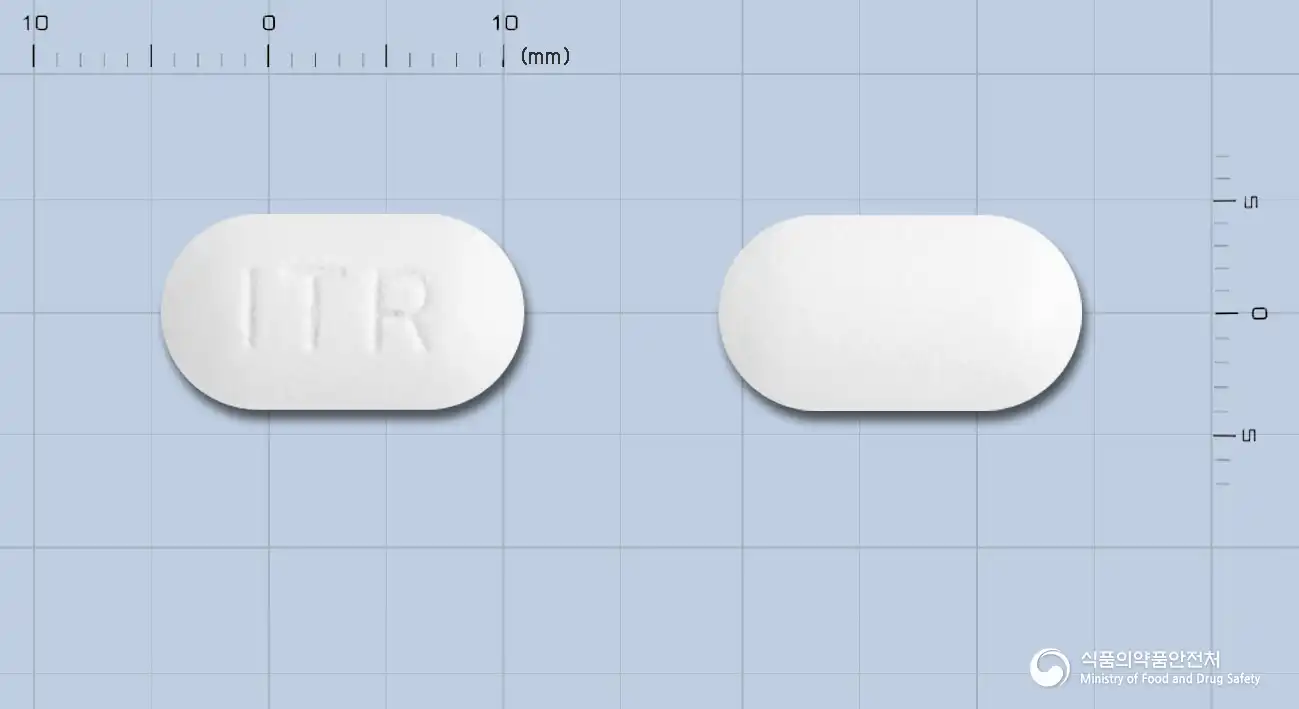
Itraconazole 100mg
Tablet · Prescription medication
Hanol Bio Pharma Co., Ltd.
Itraconazole
Prescription medication
Daewoong Pharmaceutical Co., Ltd.
Itraconazole
Prescription medication
International Pharmaceutical Co., Ltd.
Itraconazole
Prescription medication
Austin Pharmaceuticals Co., Ltd.
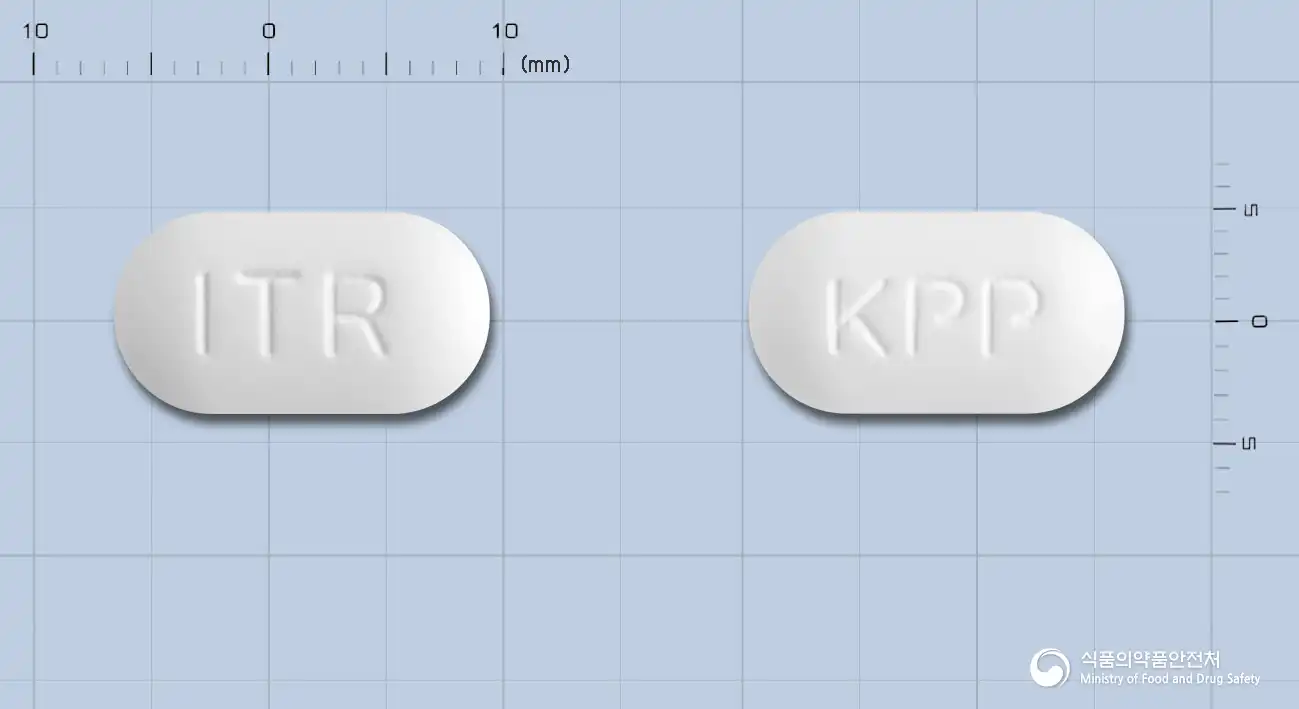
Itraconazole 100mg
Tablet · Prescription medication
Korea Prime Pharmaceutical Co., Ltd.
Even with the same ingredient, the dose and directions can differ by strength and dosage form. Talk to a doctor or pharmacist before switching from a medication you are already taking.
No questions yet.
For anything that needs medical judgment, consult a doctor or pharmacist.
This drug information is based on data provided by the Korea Ministry of Food and Drug Safety.
Consult a doctor or pharmacist for accurate dosage, administration, and usage instructions.